


Victorian Figure Artwork
Victorian figure artwork brings together painted and drawn human subjects from the nineteenth century, offering a direct view into past lives and artistic traditions.
Victorian Figure Artwork
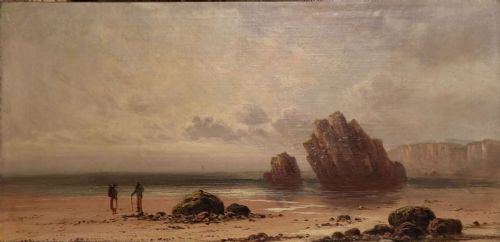
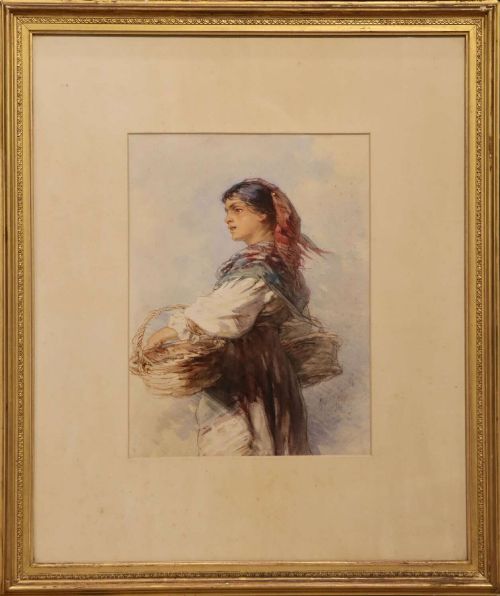
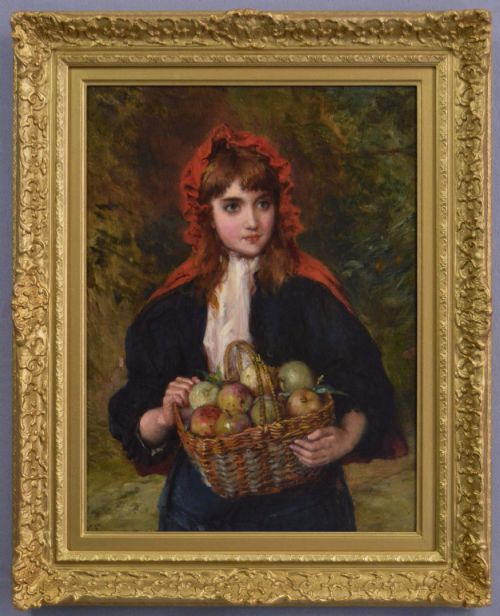
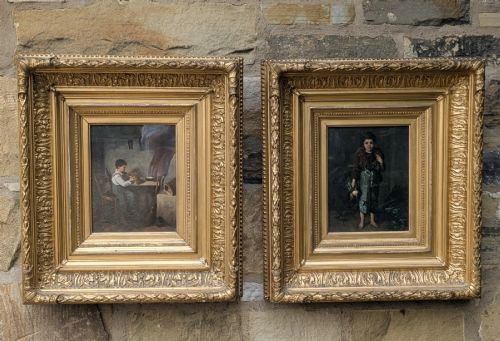
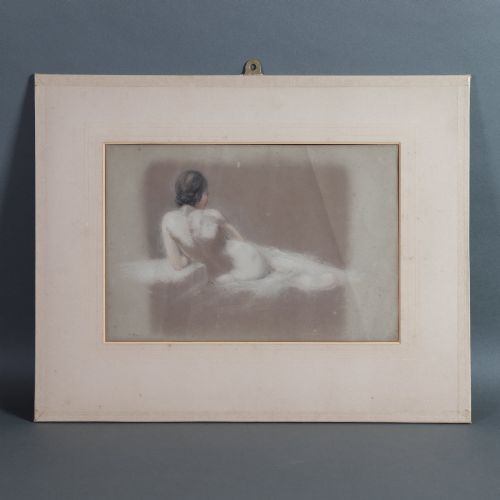
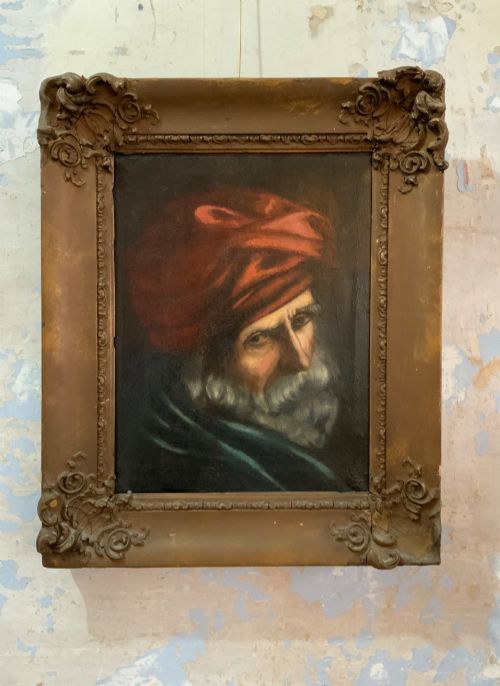
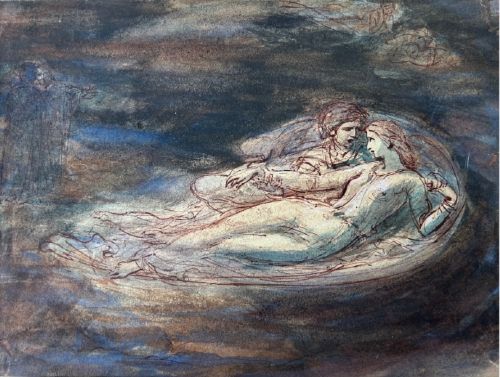
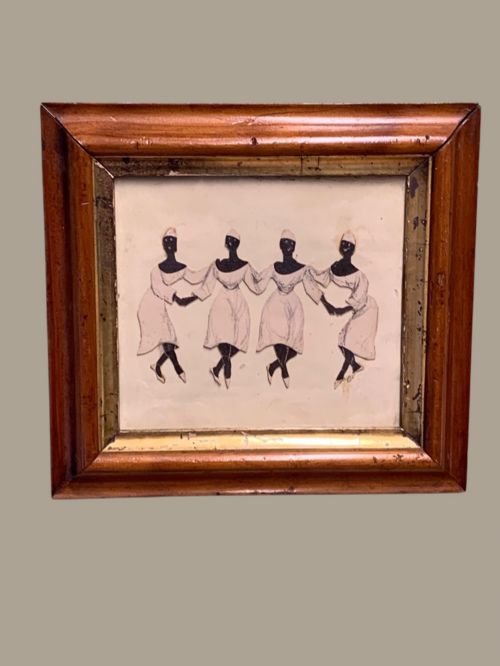
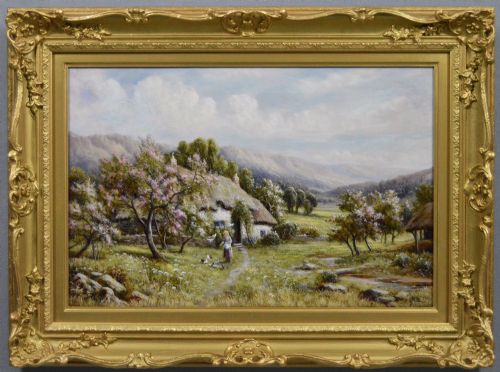
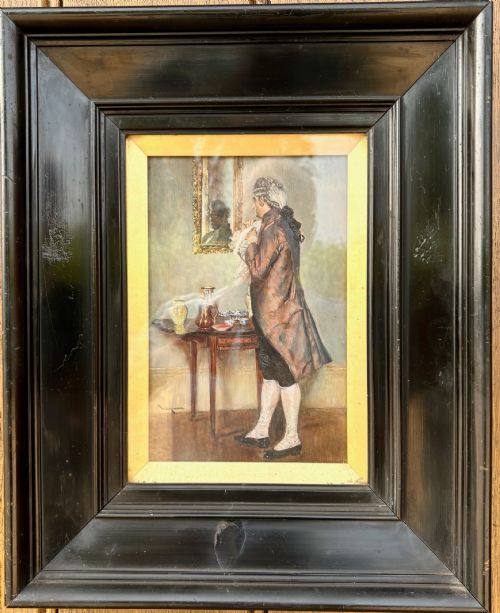
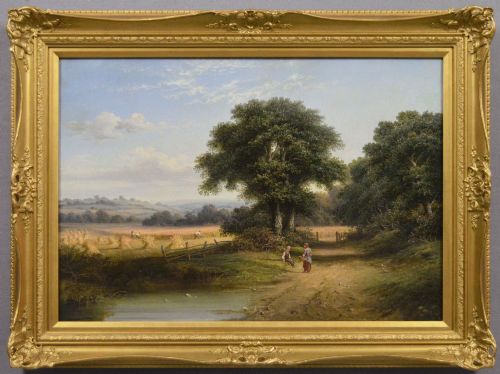
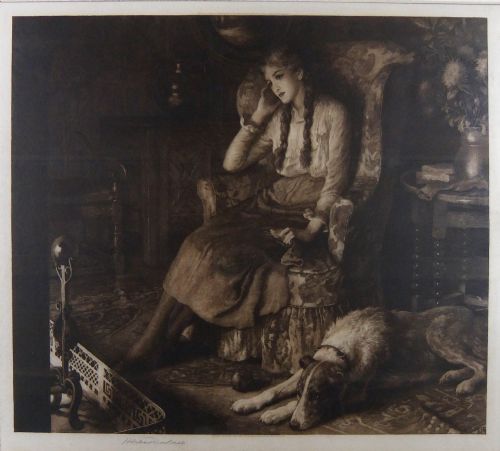
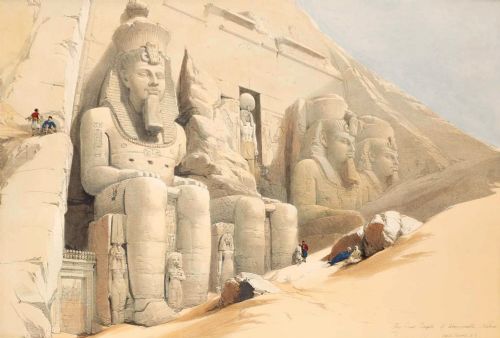
When you search for victorian figure artwork, you encounter oil paintings, watercolours, drawings, and mixed media works that place people at the centre of the composition. These pieces range from intimate portraits and academic life studies to bustling genre scenes, pastoral landscapes with solitary figures, and exotic Orientalist subjects.
You are most likely to meet nineteenth-century oil paintings on canvas or board alongside delicate watercolours and ink sketches framed in period wood and giltwood. The subjects vary widely, depicting Italian peasants, noblemen, mythological figures, and everyday rural workers captured within the artistic styles of the period.
Materials and techniques
Artists of the period worked primarily with oil paint on canvas and board, or applied watercolours, gouache, ink, and pastel onto paper. These conventional mediums allowed for both rapid plein-air sketching and highly finished studio portraits.
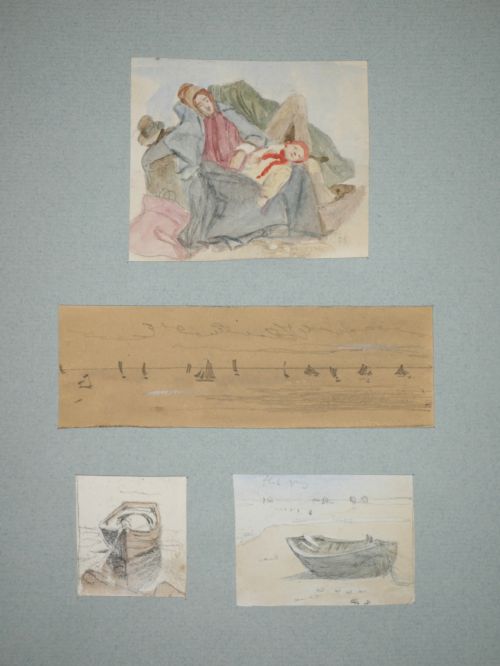
Surviving pieces frequently utilise original framing materials such as giltwood, while supports range from standard stretched canvas to mixed media collages and paper drawings housed under glass.
Listings feature works spanning the nineteenth century, utilising oil paint, watercolour, canvas, paper, and giltwood within academic, realist, and Orientalist styles.
Judging quality and execution
Quality rests upon the artist's command of anatomy, expression, and light, as seen in the careful modelling of an academic life study or the subtle tones of a coastal oil painting. Masterful brushwork and confident draughtsmanship distinguish a deliberate, accomplished portrait from a rigid or formulaic composition.
The integrity of the original materials, including the preservation of the pigment on canvas or paper and the suitability of the period frame, contributes to the overall presence and historical value of the work.
Guido Bach·William Oliver·James Smetham·William Etty·Thomas W Lascelles·Robert John Hammond·Walter Heath Williams·Herbert Dicksee·David Roberts·Carl Haag·Stephen Pearce·Thomas Spinks·Carlo Ferranti·Henry H Parker·Theodore Jensen·Charles Henry Slater·Honore Cavaroc·Henry Arthur Roberts·John Watkins Chapman·Thomas Baker of Leamington·Thomas Edward Roberts
The Victorian Figure Artwork Glossary
- Genre painting
- A style depicting scenes from everyday life involving ordinary people. These works often capture domestic interiors, street scenes, or rural labour.
- Orientalist
- Artwork depicting scenes, figures, and architecture of the Middle East and North Africa. This style reflects nineteenth-century European fascination with Eastern cultures.
- Academic realism
- A style of painting and drawing produced under the influence of European academies of art. It emphasises precise anatomical accuracy, classical proportions, and smooth finishes.
- Giltwood
- Wood that has been treated with a thin layer of gold leaf or gilt paint. It is commonly found on traditional frames enclosing nineteenth-century canvases.
Victorian Figure Artwork: Frequently Asked Questions
What is Victorian figure artwork?
These works comprise paintings, drawings, and mixed media pieces created during the nineteenth century that focus primarily on human subjects. They include formal portraits, genre scenes, and narrative studies.
Artists used mediums such as oil, watercolour, and ink to record both specific individuals and anonymous figures within landscapes or interiors.
How should I display these pieces?
Most works on paper require protection behind glass to prevent environmental damage from light and moisture. Oil paintings on canvas are typically housed in traditional wood or giltwood frames.
Keep framed artwork away from direct sunlight and excessive humidity to preserve the stability of the canvas, paper, and pigments.
How do I identify different styles?
Styles range from academic life studies focusing on precise human anatomy to romantic landscapes and Orientalist scenes. Examining the handling of light, brushwork, and subject matter helps determine the artistic movement.
Signatures, dates, and framing elements often provide additional context regarding the specific decade of creation.
Were these works meant for display?
Many oil paintings and large watercolours were created for formal exhibition in galleries and private domestic parlours. Smaller sketches and studies served as preliminary works for larger studio compositions.
Collectors valued these depictions of people for their narrative content as well as their aesthetic contribution to home interiors.