
Victorian Figurative Artwork
Victorian figurative artwork captures human narrative and portraiture through the lens of nineteenth-century painters and watercolourists.
Victorian Figurative Artwork
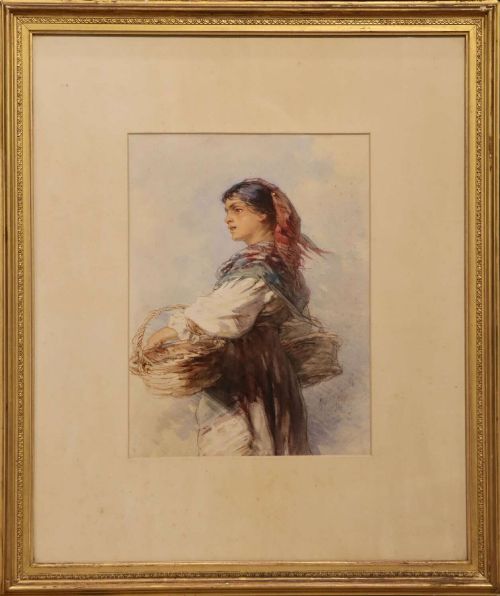
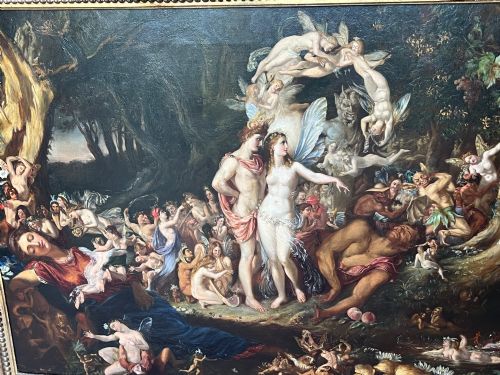
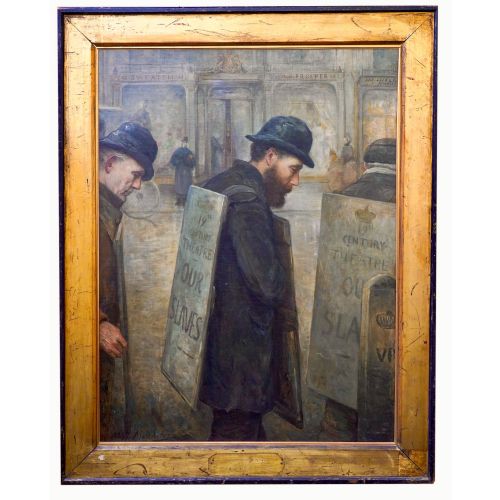
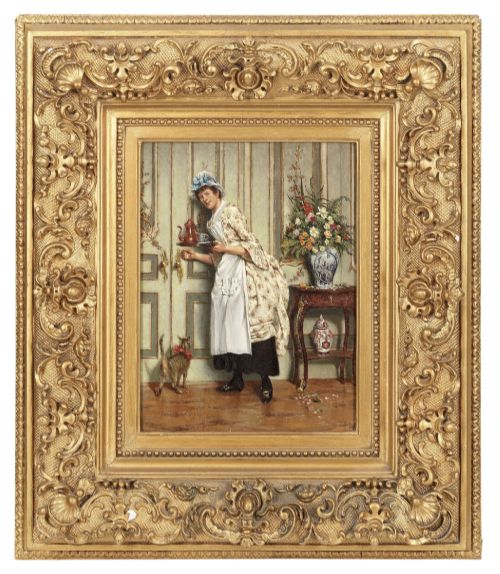
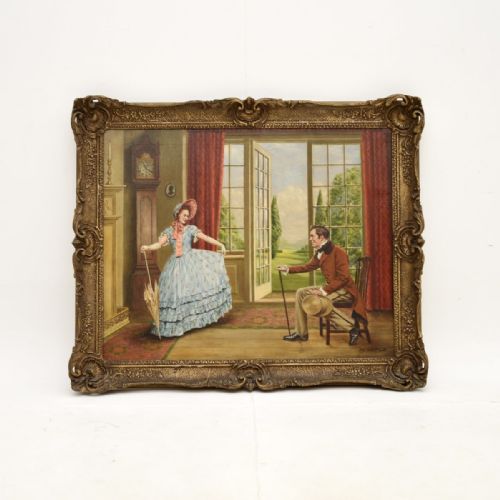
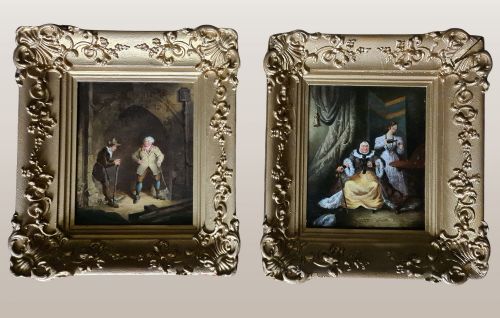
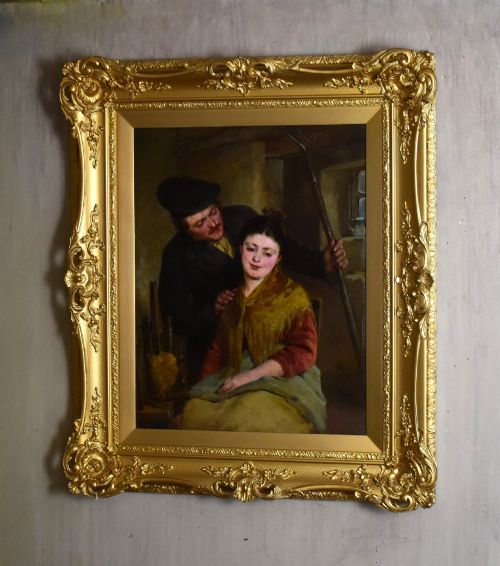
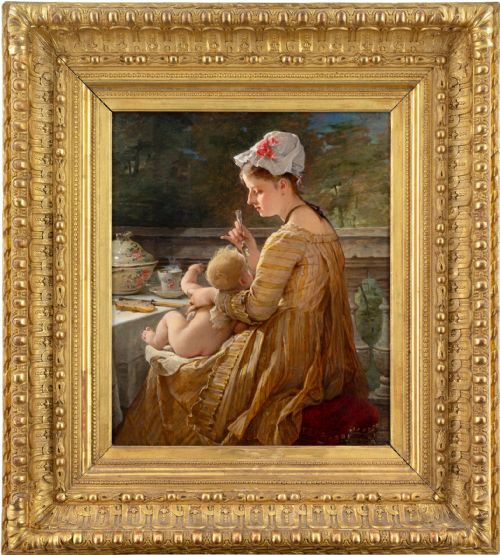
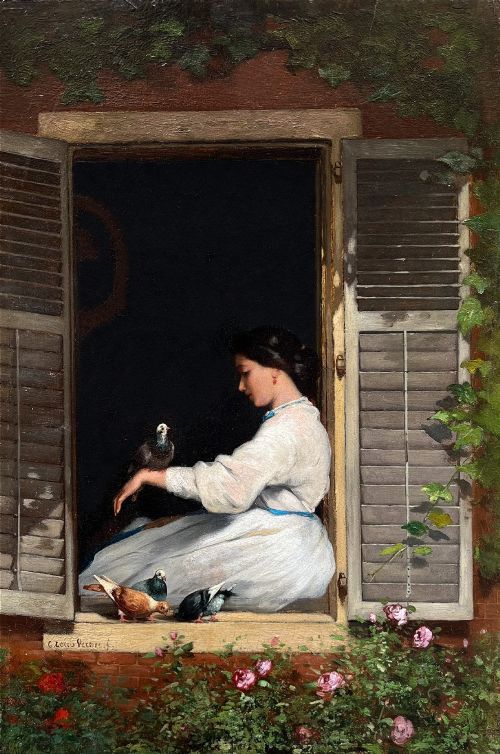
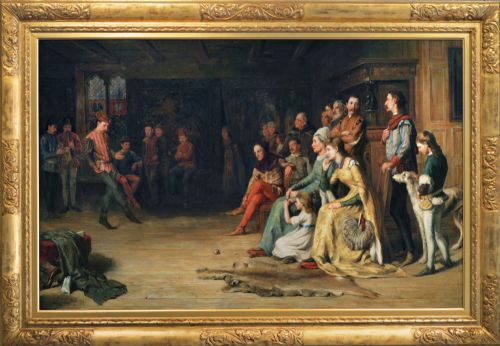
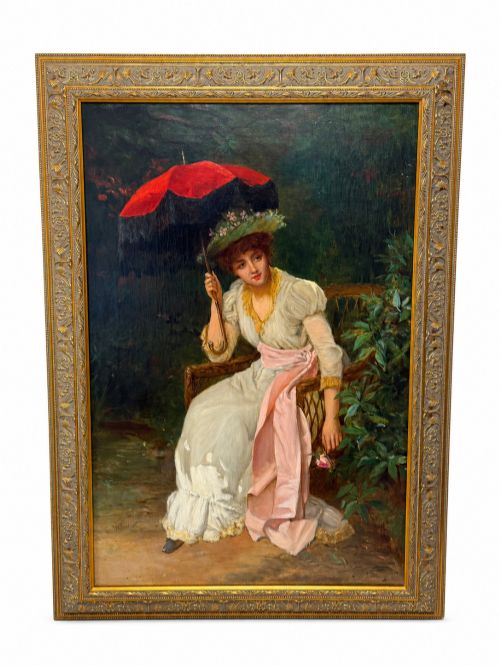
Victorian figurative artwork centres on human subjects, ranging from domestic genre scenes and rustic interiors to historical narratives and detailed portraiture. These pieces record the daily lives, social standings and romantic ideals of the period through carefully staged human interactions.
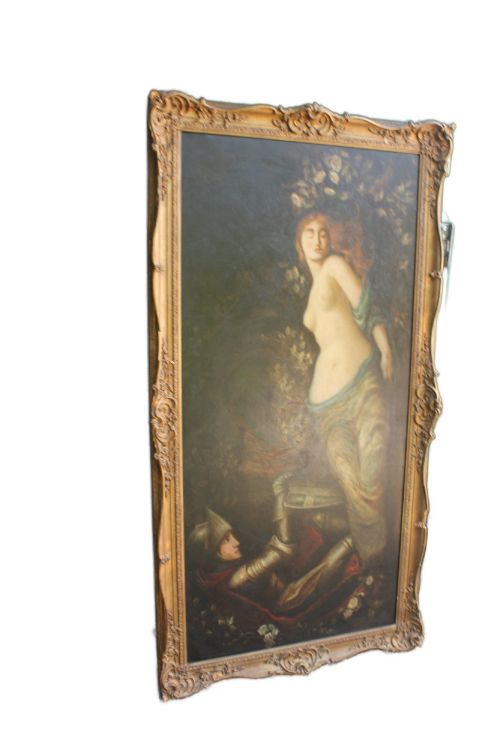
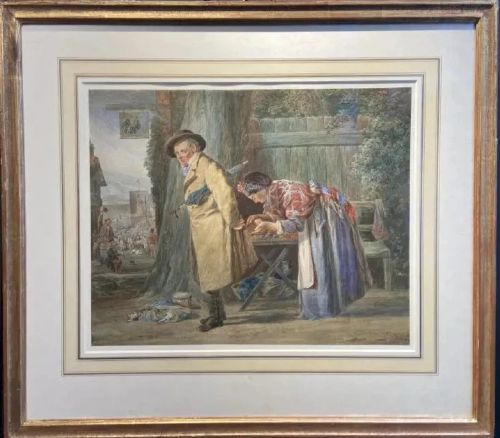
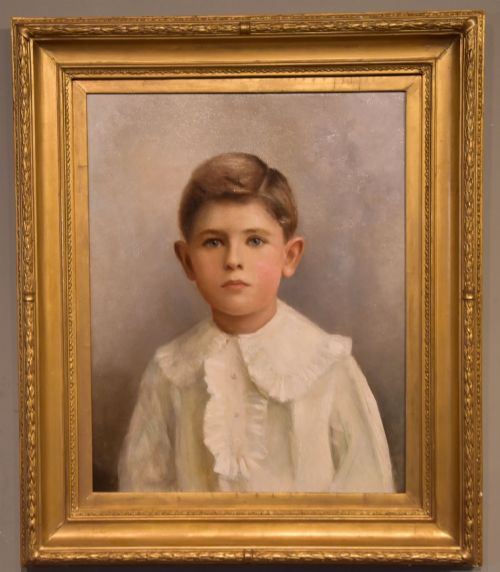
Buyers browsing this selection will most frequently encounter nineteenth-century oil paintings on canvas and panel, alongside period watercolours and framed prints. The forms span intimate cottage scenes and portraits of children to larger historical and literary compositions.
The aesthetic bridges several movements, including academic realism, Pre-Raphaelite storytelling and genre painting, originating primarily from British and European hands during the decades surrounding the turn of the twentieth century.
Materials and methods
Painters of this era predominantly applied oil paint to stretched canvas or wooden panels, building rich surfaces with layered glazes and opaque pigments. Watercolours on paper also formed a major medium, often finished with gum arabic to intensify tone and depth.
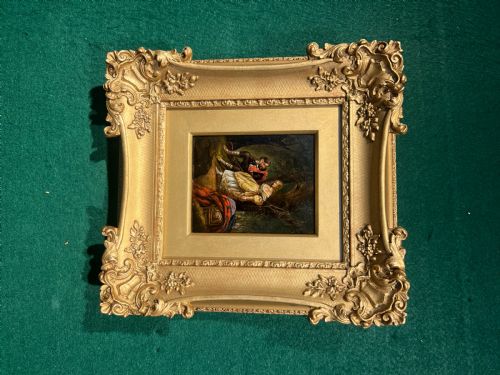
Finished works found their homes within heavy wooden frames, frequently decorated with carved gesso and finished in giltwood or gilt wood to complement the domestic interiors of the period.
Victorian Figurative Artwork Retail Price Guide 2026
Typical asking prices for victorian figurative artwork among the pieces listed under this phrase on Sellingantiques today, from the lower quarter to the upper quarter. They describe what is for sale here now, not the wider market.
Listings feature works spanning the Georgian, Victorian, and Edwardian periods, executed in oil and watercolour on canvas, paper, panel, and zinc.
Judging the work
Quality rests in the precision of the drawing, the handling of light across fabric and flesh, and the psychological depth of the human subjects. Masterly pieces demonstrate confident brushwork that brings movement and character to interior gatherings and outdoor scenes alike.
The preservation of the original pigment surface and the integrity of the period frame contribute heavily to the standing of a piece. Works retaining their untouched historic character command greater attention from collectors than those with heavy intervention.
Guido Bach·Sir Joseph Noel Paton·Felix Stone Moscheles·Stephen Samuel Lewin·Alfred Lyndon Grace·Howard Helmick·Adelaïde Salles-Wagner·Joseph H Barnes·Louis Charles Verwee·James Hamilton·Henry Windsor Fry·William Oliver·Renato Moretti·Thomas Kent Pelham·John A Monteith·Charles Edward Wilson·Harry Brooker·Byam Shaw·Alexander Rosell·Philip Richard Morris·William Arthur Breakspeare·Charles Haigh Wood·Haynes King·James Kyd·C S Lidderdale
The Victorian Figurative Artwork Glossary
- Genre painting
- The depiction of scenes from everyday life, typically involving ordinary people engaged in domestic tasks or social pastimes. These works provide valuable social history through their detailed recording of period costume and interior furnishings.
- Pre-Raphaelite
- An artistic movement focused on detailed observation of nature, intense colours and complex literary or religious themes. Works from this circle often display medieval romanticism and precise linear draftsmanship.
- Giltwood
- Wood carved and coated with gold leaf or a metallic gilding mixture. It provides the ornate, reflective borders typical of nineteenth-century picture frames.
- Gesso
- A plaster-like mixture applied to wooden frames as a base for moulding and gilding. It allows for intricate relief ornamentation around the edges of paintings.
- Mezzotint
- A printmaking technique of the intaglio family, enabling half-tints to be produced without line-based shading. It was frequently utilised for reproducing popular paintings in monochrome.
Victorian Figurative Artwork: Frequently Asked Questions
What subjects appear in these paintings?
The compositions focus primarily on human figures, depicting domestic interiors, romantic encounters, children at play, and peasant life. Artists drew inspiration from literature, folklore, and everyday social observations.
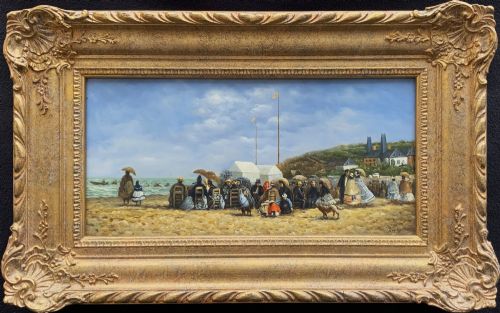
Scenes range from intimate cottage gatherings involving spinning maids and chimney sweepers to elaborate historical narratives and seaside meetings.
How should I hang these framed works?
These pieces require stable indoor environments away from direct sunlight and dampness to protect the sensitive oil pigments and paper watercolours. Proper wall anchoring is essential due to the substantial weight of original giltwood frames.
Position them at eye level in rooms with controlled climate conditions to preserve both the canvas and the decorative gesso moulding.
How do I identify a watercolour from an oil?
Watercolours are painted on paper under protective glass, displaying a transparent luminosity where the texture of the paper often remains visible beneath the wash. Oil paintings utilise canvas or wooden panels with thicker, heavier pigment layers that hold visible brush relief.
Close inspection with a magnifying glass reveals the woven canvas threads of oil works versus the flat paper support of watercolours.
What defines the nineteenth-century realists?
Nineteenth-century realists sought to portray everyday subjects and ordinary people without theatrical embellishment or idealisation. They focused on truthful depictions of working conditions, rural life, and contemporary social realities.
This approach marked a shift away from grand historical mythology towards sincere observation of the world around the artist.