
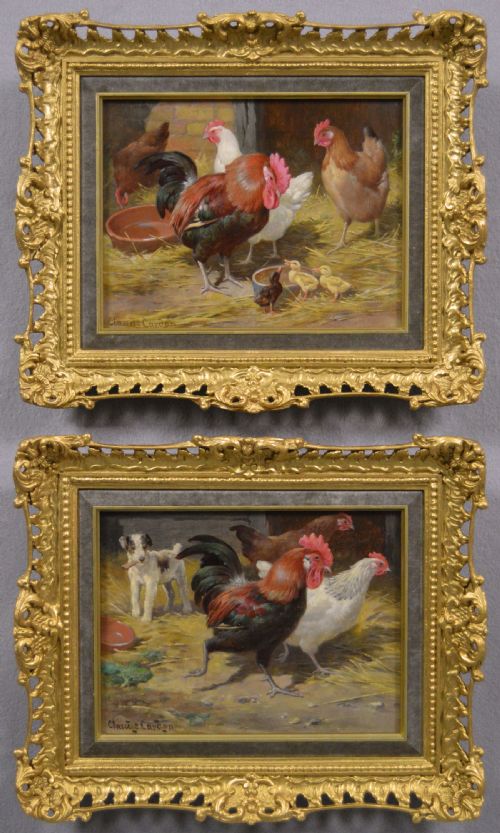


Victorian Farm Painting
When you search for a victorian farm painting, you are entering a world of heavy horses, poultry, and pastoral labour captured in oil and watercolour.
Victorian Farm Painting
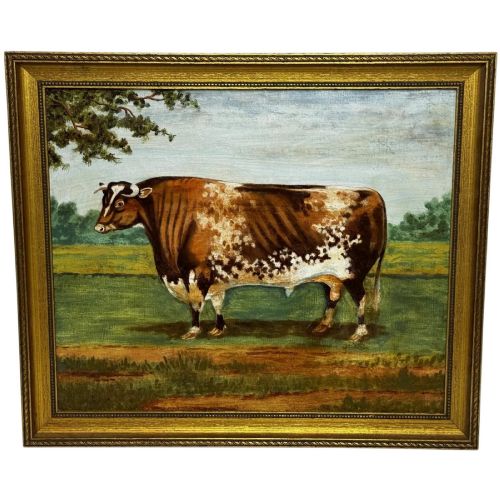
A victorian farm painting typically depicts rural working life, featuring heavy shires, cattle, sheep, and poultry within farmyards or pastoral landscapes. You will find that these works range from detailed depictions of prize livestock to broad genre scenes of hay carts and farmhands resting under oak trees.
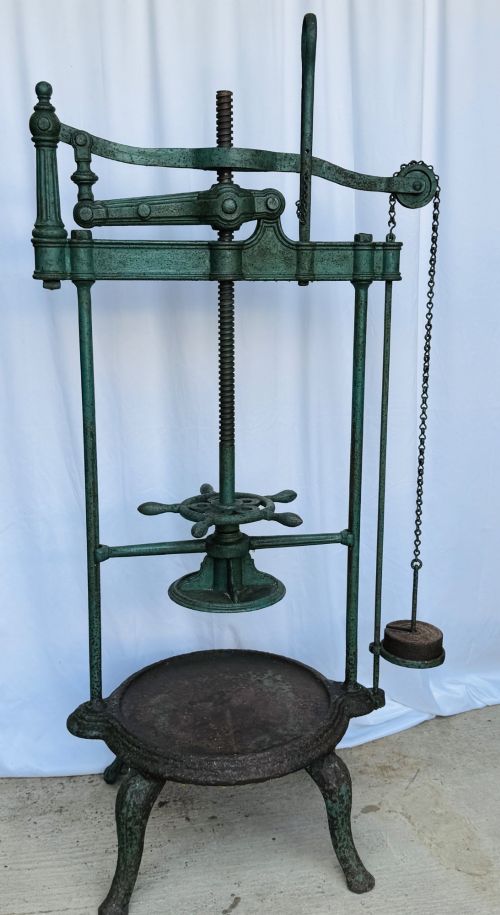
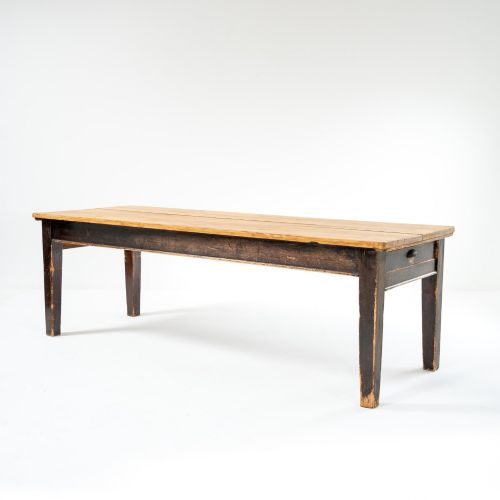
The majority of pieces encountered here date from the nineteenth century, executed in oil on canvas or watercolour on paper. Alongside traditional framed artworks, the selection includes related rural objects such as pine harvest tables and cast iron cart wheels.
British and Belgian schools dominate the selection, capturing a romanticised yet observant record of agricultural life before mechanisation. These canvases often serve as windows into nineteenth-century rural economy and domestic animal husbandry.
How they were made
Painters of this period primarily utilised oil paint on prepared canvas or wood panels, building up rich layers of pigment to render the textures of animal coats, feathers, and weathered timber. Watercolours on paper were equally common for lighter, more luminous pastoral compositions.
Giltwood frames frequently house these paintings, complementing the warm earth tones of the rural subjects with traditional gold leaf ornamentation. Supporting objects in the material record are constructed from sturdy pine, cast iron, and paper mache, reflecting everyday utility and craftsmanship.
Period dates recorded span the nineteenth and early twentieth centuries, capturing the transition from traditional farming methods to industrial agriculture.
What varies in quality
The distinction between ordinary and exceptional works rests on the artist's ability to render animal anatomy with conviction and to compose narrative movement within the landscape. Superior paintings demonstrate precise brushwork in the rendering of light on horse flanks and feathered textures.
Provenance and attribution heavily influence standing, with works by documented nineteenth-century masters commanding greater academic and collector interest than follower pieces or anonymous school works. The handling of atmospheric depth and the preservation of the original canvas and gilt frame also determine the overall stature of the piece.
George Augustus Holmes·Claude Cardon·Franz van Severdonck·James William Booth·John Frederick Herring Jnr·Samuel Joseph Clark·Eugene Verboeckhoven·Charles Vickers·Percival Glenfern·John Linnell·Pierre Emmanuel Dielmans·Edgar Hunt·Adrian Jones·Thomas Sidney Cooper·Frederick William Jackson·Henry Birtles·Thomas Mackay·George Cole·William Greaves·Robert Gallon·Thomas Henry Thomas·Georgina Lara·Walter Henry Pigott·Henry Charles Woollett·Harry Graff
The Victorian Farm Painting Glossary
- Genre painting
- A style of art depicting scenes from everyday life, ordinary people, and domestic activities. In this context, it often shows farmworkers, market scenes, or quiet moments in the farmyard.
- Pastoral
- Relating to the rural countryside, shepherds, and farm life, usually presented in an idealized or calm manner. These scenes focus on harmony between man, animals, and nature.
- Giltwood
- Timber that has been coated with a thin layer of gold leaf or gold paint. Frames finished in this manner were standard for displaying fine art in the nineteenth century.
- British School
- A term used to classify artists trained or working primarily in Britain during a specific era. It helps categorise regional styles and shared academic approaches to landscape and animal painting.
Victorian Farm Painting: Frequently Asked Questions
What subjects appear most often?
Agricultural scenes featuring working horses, prize cattle, and poultry dominate the selections. Artists frequently recorded horses ploughing fields, cattle resting by rivers, and chickens gathered in farmyards.
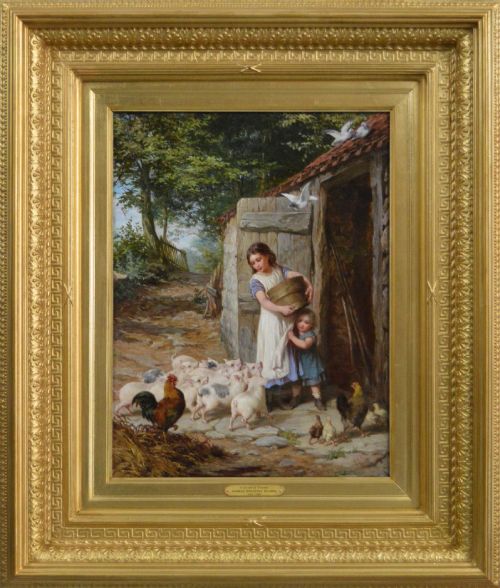
Human figures occasionally share the canvas, depicting labourers resting by cart tracks or women feeding livestock. These compositions offer a direct record of rural trades before the widespread adoption of farm machinery.
How do I care for an oil painting?
Keep the artwork away from direct sunlight and sources of extreme heat to prevent the canvas and paint from drying out or cracking. Stable room temperatures and moderate humidity protect the structural integrity of both the stretcher and the oil pigments.
Dust the surface gently with a soft, dry brush and avoid using chemical cleaning agents or water on the paint layer. If the varnish darkens or accumulates grime, consult a professional conservator rather than attempting DIY cleaning.
How were these paintings originally displayed?
Nineteenth-century landowners and urban buyers hung these works in dining rooms, libraries, and drawing rooms to bring the perceived tranquillity of the countryside indoors. Heavy giltwood frames were chosen to project status and to separate the rustic scene from the domestic wall.
Scale varied from intimate cabinet pieces designed for close viewing to large canvases intended to anchor a prominent wall. Today, they suit both traditional period interiors and contemporary spaces seeking a grounding rural element.
Can I tell a genuine nineteenth-century work apart?
Examination of the canvas weave, stretcher construction, and the type of primer used on the rear helps establish the period. Older canvases often show characteristic oxidation and craquelure in the oil paint layer that modern reproductions cannot replicate.
Signatures, dates, and artist stamps provide further clues, though many genuine works remain attributed to followers or regional schools. Comparing the brushwork and pigment handling to verified examples by documented artists aids attribution.