




Equine Fine Art
Equine fine art captures horses through oil paint on canvas, offering buyers a rich piece of history and sporting heritage.
Equine Fine Art
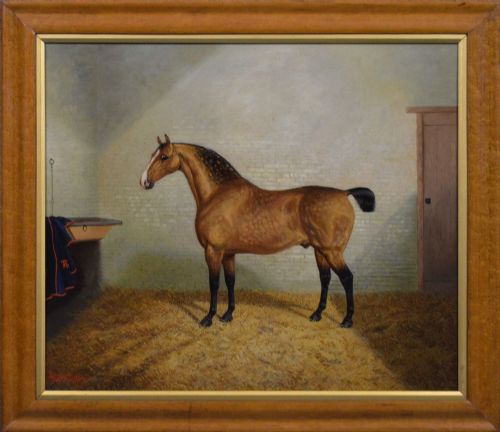
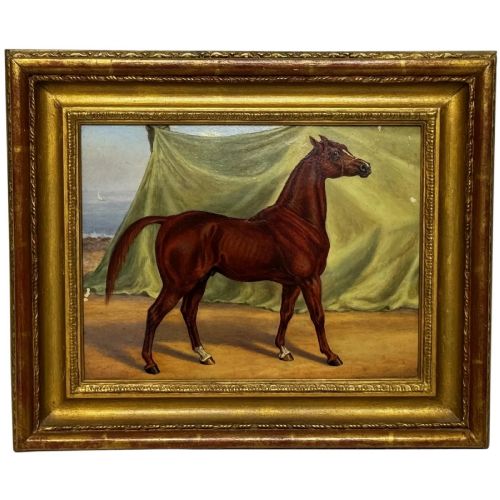
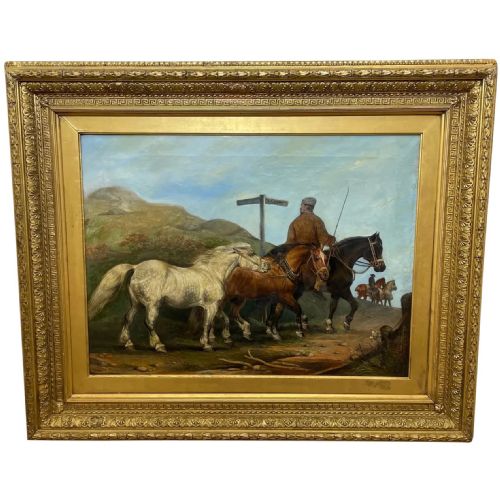
Equine fine art comprises oil paintings on canvas depicting horses, spanning periods from the Victorian era into the twentieth century. These works capture subjects ranging from individual horse portraits and racing scenes to rural landscapes with ploughmen and farm animals.
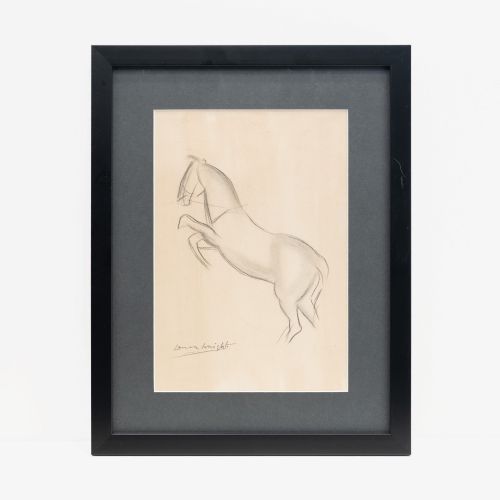
Buyers encounter framed artwork representing various styles, including Victorian equestrian, British impressionism, and twentieth-century modern British painting. The works reflect distinct historical contexts, from colonial settings to pastoral English countryside views.
How these artworks were produced
Artists utilised oil paint applied to canvas stretched over wood frames, frequently enclosing the finished works in giltwood or gilt frames. This combination allowed for layered brushwork and rich colour depiction across both animal portraits and broader landscapes.
The technique relied on precise draftsmanship to capture the anatomy and movement of horses, paired with atmospheric backgrounds of coasts, stables, and rural fields.
Horses share canvas space with pigs, ducks, and sheep, proving that equine fine art often had to tolerate very noisy farmyard neighbours.
What distinguishes quality in these works
Quality rests upon the artist's ability to render the anatomy and expression of the horse with precision and vitality. Superior examples demonstrate confident handling of oil paint, particularly in capturing light on coats, muscle definition, and the surrounding landscape.
The integration of the horse within its environment, whether a bustling stable yard or a quiet coastal pasture, separates standard illustrative pieces from accomplished works of art. Original framing, such as period giltwood, further enhances the integrity of the piece.
Albert Clark·Dame Laura Knight·Eugene Joseph Verboeckhoven·John Frederick Herring·Arthur Winter Shaw·Ernest Higgins Rigg·Edward Lloyd·George Cole·John Parker Davis
The Equine Fine Art Glossary
- Oil on Canvas
- A traditional painting medium where oil paints are applied to a woven fabric surface stretched across a wooden support. This method allows for smooth blending and deep colour saturation.
- Giltwood Frame
- A wooden picture frame coated with a thin layer of gold leaf or gilt. These frames frequently accompany nineteenth-century oil paintings and add architectural weight to the artwork.
- Victorian Equestrian
- A genre of art from the nineteenth century focusing on horses, racing, and rural life. It reflects the central role of the horse in transport, agriculture, and sport during the period.
- British Impressionism
- An artistic movement focusing on light, brushwork, and everyday scenes rather than rigid academic finish. Works in this style capture the transient effects of light on landscape and subject.
Equine Fine Art: Frequently Asked Questions
What periods do these paintings cover?
The available works span from the mid-nineteenth century through the Edwardian era and into the early twentieth century. This includes specific Victorian pieces alongside later modernist interpretations.
Each period brings distinct stylistic approaches to horse painting, reflecting changing artistic movements and social uses of horses.
How should I hang equine oil paintings?
Display these oil paintings on canvas away from direct sunlight and excessive humidity to protect the paint surface and the wood stretcher. Adequate wall space allows the giltwood frames and detailed brushwork to be viewed clearly.
Ensure the wall fixings match the weight of the framed artwork securely.
What subjects appear in these works?
Subjects range from formal portraiture of named horses and racing scenes to rural genre scenes featuring ploughmen and farm animals. Some works place the horse within specific geographic contexts, such as colonial stables or coastal landscapes.
This variety reflects the diverse roles horses played in society during the nineteenth and early twentieth centuries.
Are the frames original to the paintings?
Many nineteenth-century works retain period giltwood frames that complement the aesthetic of the oil painting. The materials and craftsmanship of the frame often correspond to the era in which the canvas was painted.
Examining the frame alongside the canvas provides additional context regarding the history of the artwork.