



Victorian Family Painting
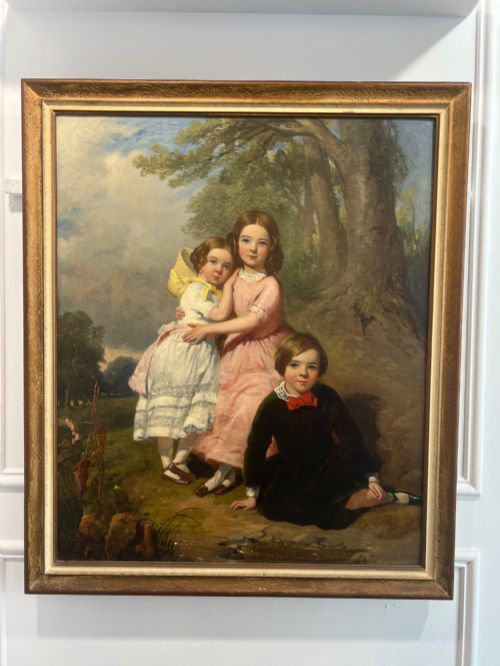
A victorian family painting captures domestic life and lineage through oil on canvas or delicate watercolour, offering a direct window into nineteenth-century households.
Victorian Family Painting
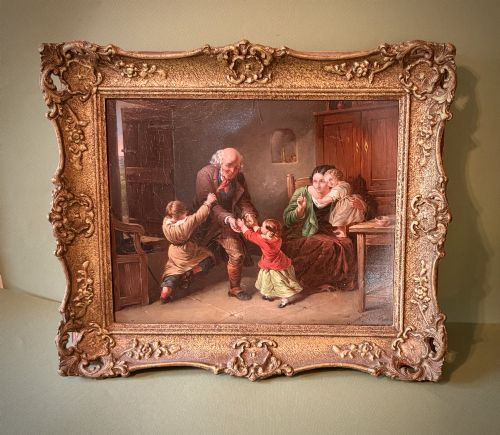
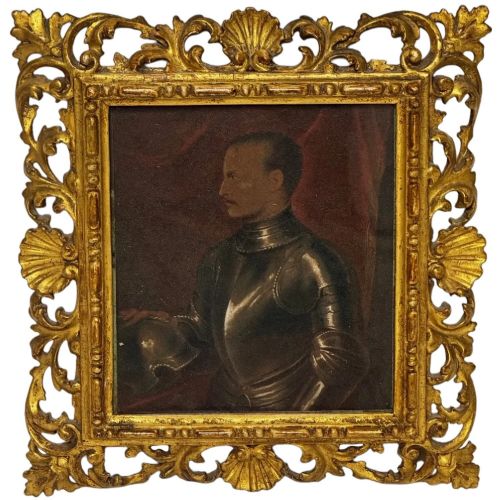
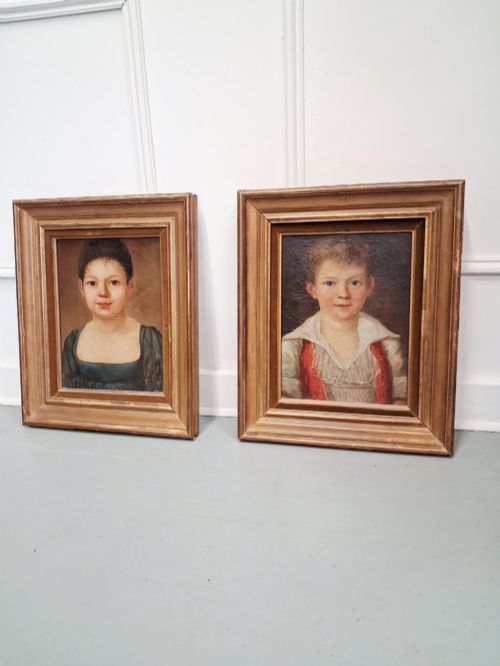
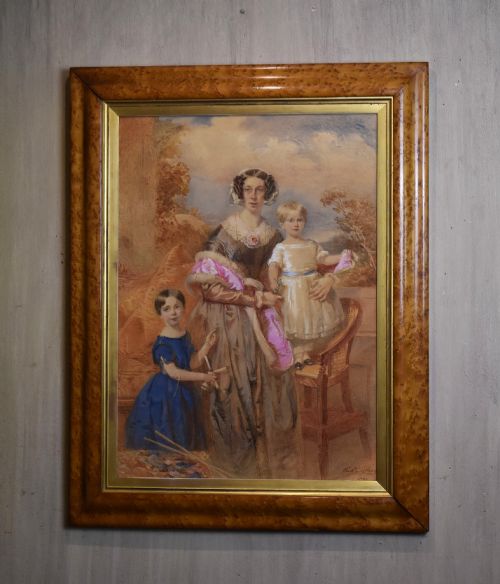
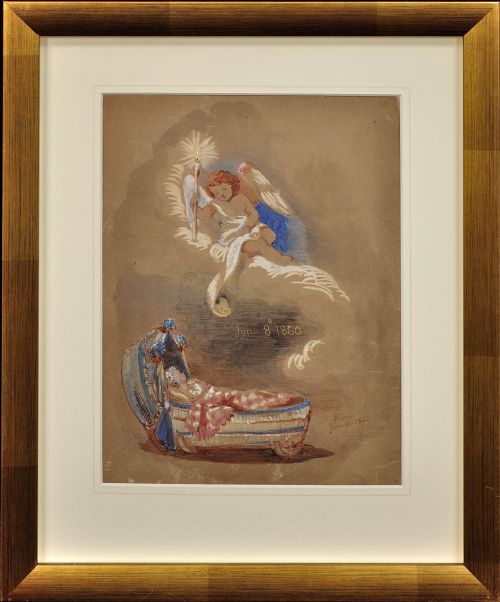
A victorian family painting typically presents groups in domestic interiors or garden settings, recording the likenesses and social standing of nineteenth-century relatives. Buyers searching for a victorian family painting will encounter intimate watercolours of children, formal oil portraits, and narrative genre scenes depicting domestic harmony.
The selection ranges from naive works by provincial artists to accomplished watercolours by named practitioners, often framed in period wood or gilt surrounds. These works preserve the tangible social history of the period through the visual medium of portraiture and genre art.
Pigments, panel and paper
Artists of the period applied oil paint to prepared canvas or wood panels, building rich tones with traditional pigments and varnishes. Watercolours on paper utilised washes and fine line work, frequently protected behind glass within original frames.
Framing played an integral role, utilising moulded wood, giltwood, and decorative plaster elements to house and elevate the painted surface. Support materials like heavy paper, canvas, and panel dictated the longevity and preservation of each domestic scene.
Listings feature works executed in oil on canvas, watercolour, mixed media, and paper, dating primarily from the nineteenth century.
Execution and preservation
Quality rests upon the artist's command of anatomy, expression, and composition, distinguishing stiff provincial efforts from accomplished academic works. Subtle handling of light and texture in fabric and skin elevates a composition.
Condition and originality dictate value, particularly the survival of the unblemished paint surface, original paper integrity, and period frames. Provenance and clear contemporary annotations on the reverse add historical weight to the piece.
Frederick Tatham·George Smith·William Egley·Alexander Melville·Sir William Charles Ross
The Victorian Family Painting Glossary
- Genre painting
- A representation of scenes from everyday life, depicting ordinary people engaged in common activities. These works provide insight into domestic routines and social customs of the nineteenth century.
- Armorial
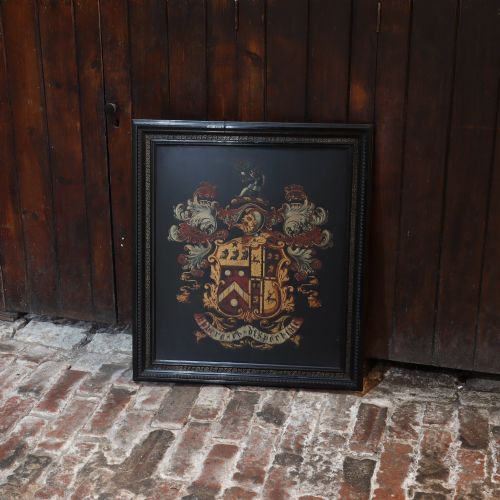
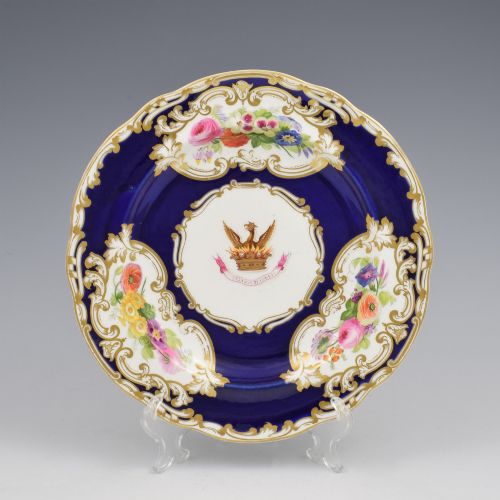
- Relating to heraldry or displaying a coat of arms. In family works, armorial elements denote lineage, title, and noble or gentry status.
- Provenance
- The chronological history of the ownership of a work of art. Documented descent through a specific family adds considerable historical interest.
- Giltwood
- Wood that has been treated with gold leaf or a gold-coloured metallic finish. This material was widely utilised for ornate Victorian picture frames.
Victorian Family Painting: Frequently Asked Questions
What subjects do these paintings show?
These works depict domestic gatherings, children's portraits, and narrative scenes of home life. They record actual family groups as well as idealized interior moments.
Subjects range from formal group portraits in gardens to quiet cottage interiors and intimate watercolour studies of siblings.
Are the subjects usually identified?
Some pieces include direct inscriptions, paper labels, or rear annotations naming the individuals, dates, and familial connections. Others remain anonymous representations of period domestic life.
Detailed provenance notes left on the reverse provide researchers with specific dates and genealogical context for the sitters.
What mediums were commonly used?
Artists worked in oil on canvas, oil on panel, and detailed watercolour on paper. Mixed media and hand-coloured engravings also appear within the period style.
Watercolours were typically protected under glass with tight mats, while oil paintings utilised varnished surfaces on rigid supports.