




Victorian Expandable Table
A victorian expandable table is a practical dining piece built to grow with dinner parties, highly sought after for its combination of formal presence and adaptable length.
Victorian Expandable Table
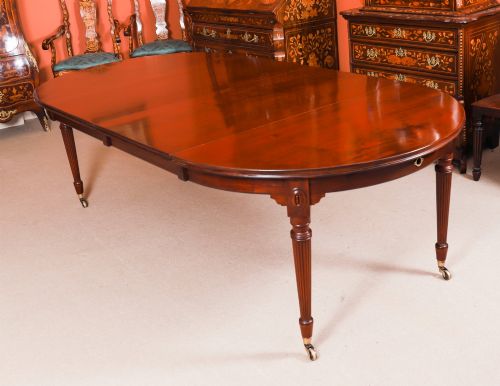
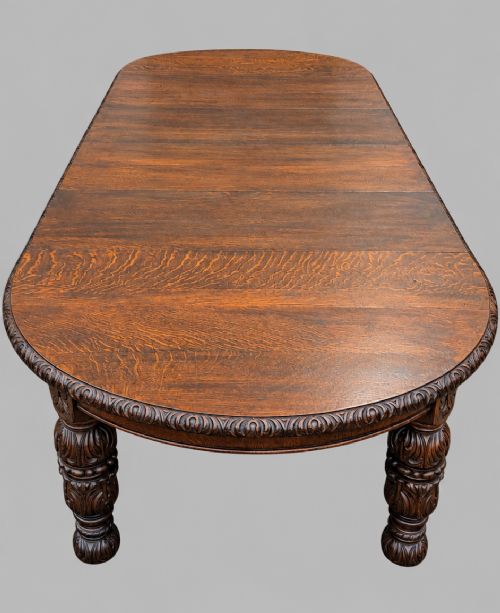
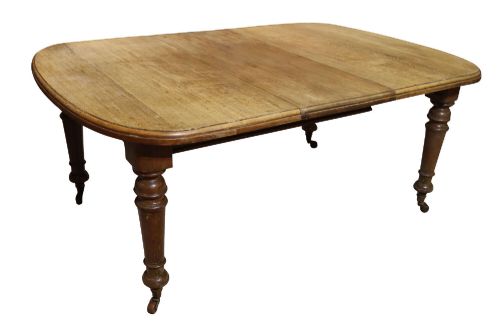
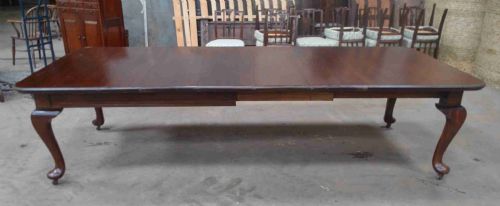
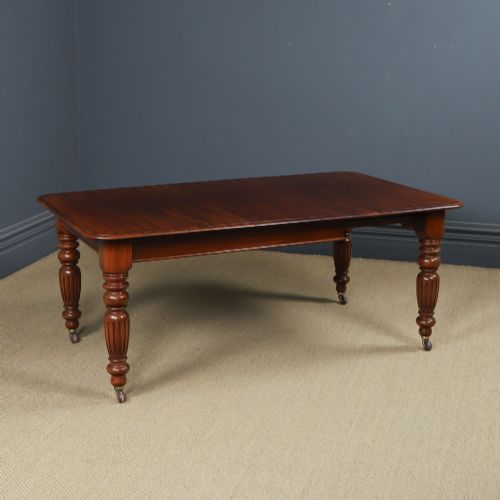
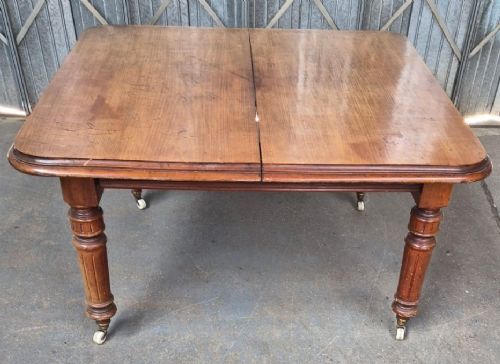
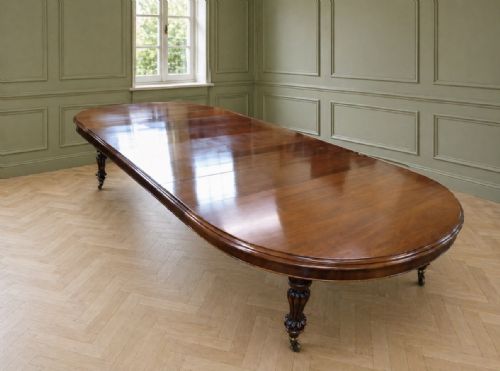
When searching for a victorian expandable table, buyers encounter large timber dining furniture primarily originating from the nineteenth century. These pieces range from standard six-seat versions up to massive boardroom tables capable of seating twenty or more guests.
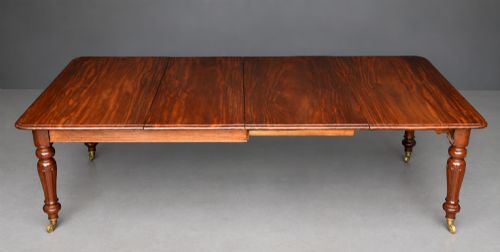
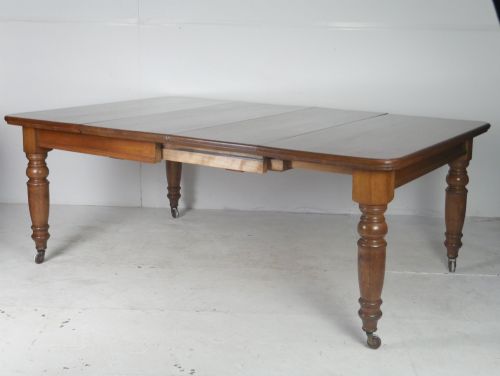
The selections available here lean heavily towards mahogany, featuring both standard and figured grains, alongside occasional examples in oak and teak. Most pieces rely on mechanical leaf systems to expand, accommodating extra leaves to lengthen the surface when required.
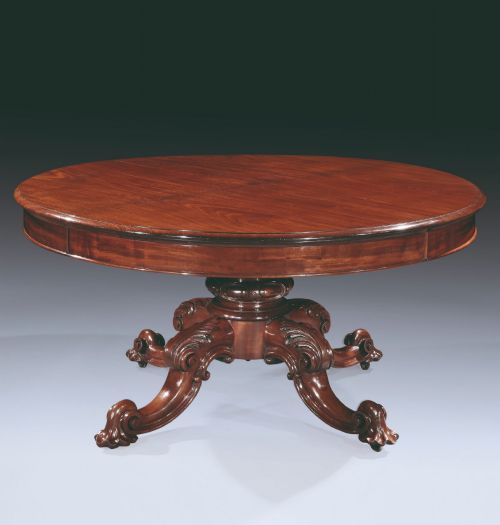
While traditional rectangular dining tables dominate, the evidence also includes circular formats, multi-pillar designs, and smaller items such as desk accessories. Buyers typically select these tables for daily family meals that occasionally scale up for larger gatherings.
What varies in quality
The distinction between standard examples and top-tier pieces rests on the choice of timber and the complexity of the engineering. Figured or flame mahogany yields a richer visual depth than plain stock, while substantial multi-leaf capacities and smooth wind-out gearing represent superior craftsmanship.
Alongside grand dining tables, the evidence captures an extending book slide described as a novel rest in carved teak.
The Victorian Expandable Table Glossary
- Wind out mechanism
- A mechanical internal screw system operated by a handle that parts the table halves to receive extra leaves. This engineering innovation defined many nineteenth-century extending tables.
- Flame mahogany
- A veneer cut from the fork of the mahogany tree that produces a distinctive flame-like pattern. Makers selected this timber for high-status furniture surfaces.
- Leaf
- A removable timber panel inserted into an extended table to increase its overall surface area. Tables often accommodate between two and three separate leaves.
- Pillar table
- A design supported by one or more central pedestals rather than traditional corner legs. This configuration allows greater legroom around the extending perimeter.
- Castor
- A small wheel fitted to the base of table legs to ease movement. These were frequently cast from brass and attached to sturdy wooden feet.
Victorian Expandable Table: Frequently Asked Questions
How do wind out tables work?
A concealed screw mechanism operated by a removable handle drives the table halves apart. This action creates the precise gap needed to drop in additional timber leaves.
Once the leaves are secured in place, the handle turns in reverse to lock the frame tightly together.
How many people can sit at these tables?
Capacities vary widely depending on the number of inserted leaves and the original length of the frame. Smaller dining tables seat six people comfortably, while larger banquet versions accommodate ten to sixteen guests.
Super-sized board room variations listed in the evidence can extend to seat between twenty and twenty-six people.
What woods were used for these tables?
Mahogany serves as the predominant timber across the collection, appearing in standard variants as well as figured and flame mahogany finishes. These dense hardwoods provided the structural integrity required for heavy extending frames.
Alternative materials include oak, light oak with Gothic styling, and teak found in Anglo-Indian desk accessories.
Are all the leaves original?
Many tables retain their original matching timber leaves, which is a key indicator of quality and period continuity. Some pieces accept multiple leaves that store separately when the table is closed for daily use.
Examining the grain pattern across the extended surface helps confirm whether the leaves belong to the original construction.