
Antique Wooden Table Leaves
Antique wooden table leaves supply the extending mechanism and drop leaves that transform compact furniture into grand dining surfaces.
Antique Wooden Table Leaves
When you search for antique wooden table leaves, you encounter mechanisms and surfaces belonging to dining tables, Pembroke tables, and sofa tables. These pieces span from the seventeenth century through the Edwardian period, utilising oak, mahogany, walnut, and satinwood.
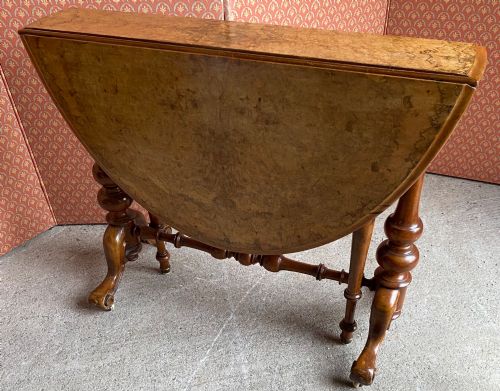
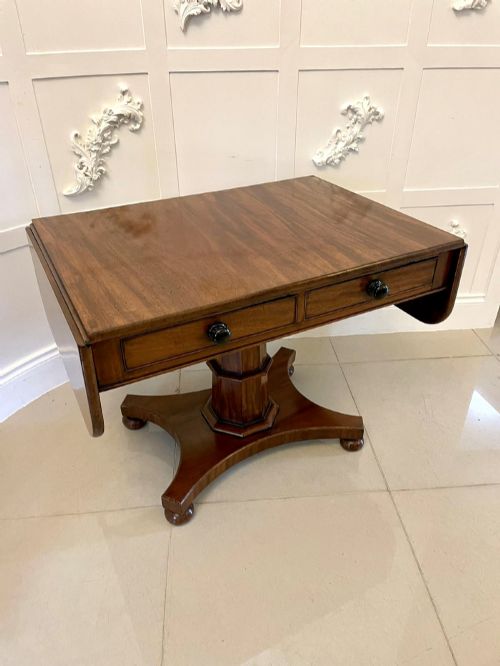
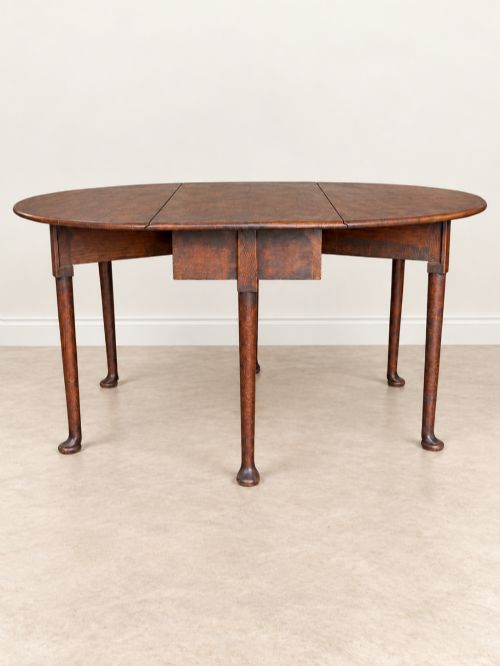
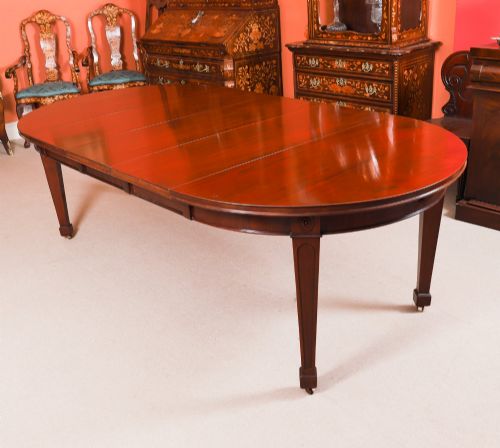
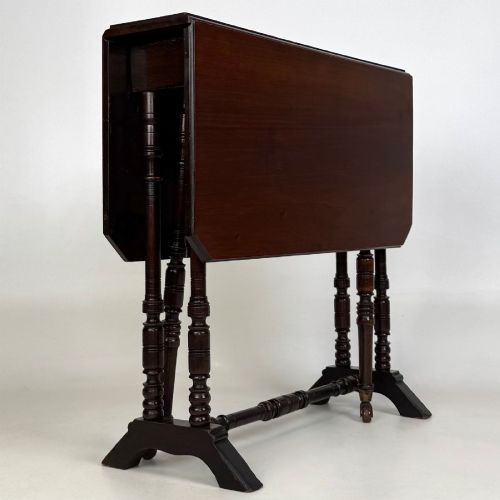
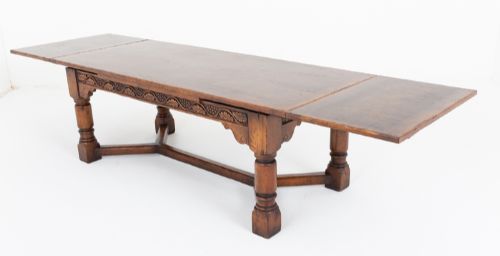
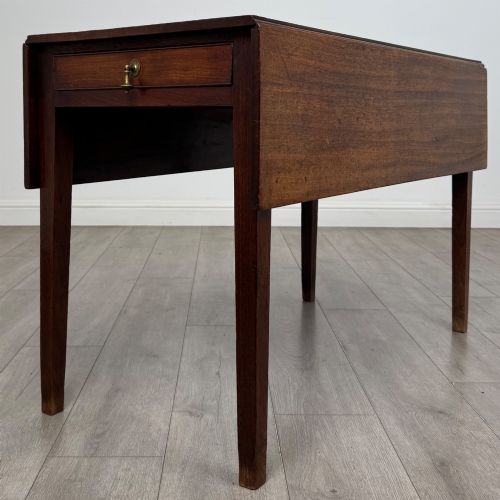
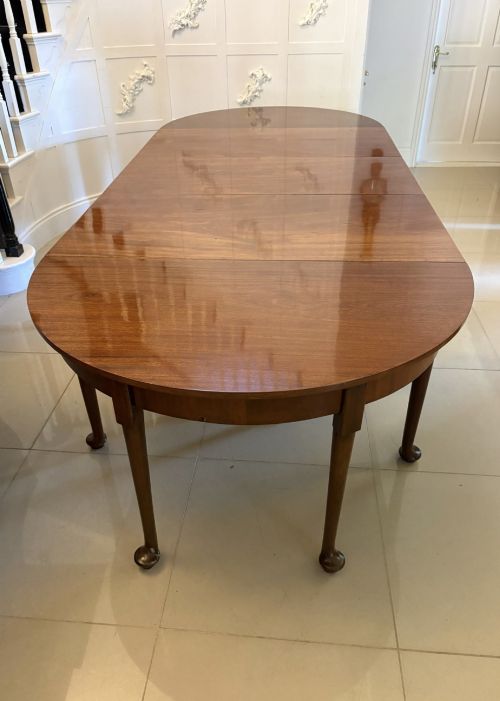
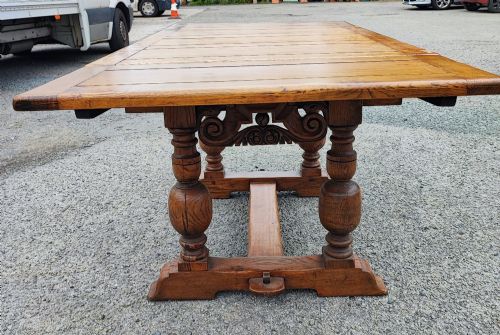
The inventory on this page contains numerous draw leaf tables in oak from the seventeenth and nineteenth centuries, alongside drop leaf and extending dining tables in mahogany and walnut. Pembroke tables and Sutherland tables appear frequently, offering folding leaves supported by swing legs or gates.
Materials and Construction
Cabinet makers utilised dense hardwoods such as oak, mahogany, and walnut, frequently incorporating brass hinges and mechanisms to secure folding or sliding leaves. Figured veneers and wood inlay appear on surface panels, whilst structural frames rely on solid timbers.
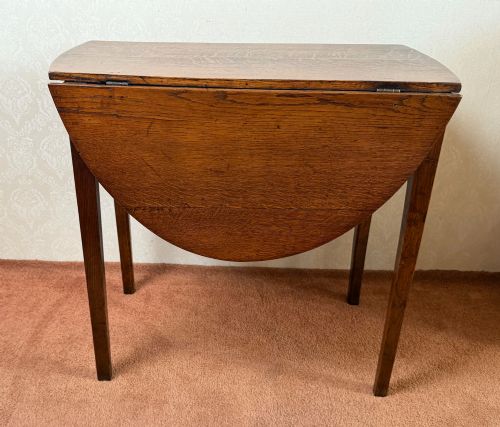
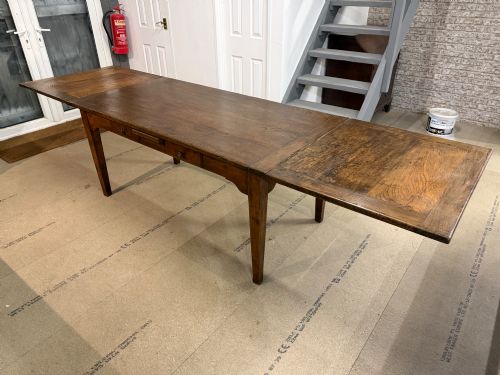
Extending tables employ draw leaves that slide beneath the main top or loose leaves supported by central pedestals and additional legs. Drop leaf and gateleg designs depend on hinged flaps that drop down or lock into place with pivoting wooden supports.
Listings feature oak, mahogany, walnut, satinwood, and rosewood across dining, Pembroke, and Sutherland tables dating from the seventeenth to the twentieth century.
Evaluating the Pieces
Quality rests upon the selection of timber, particularly the grain and figure visible in mahogany and walnut surfaces. Superior examples display careful matching of wood veneers and subtle inlay work rather than plain, uniform planks.
Mechanical integrity defines the better pieces, ensuring that draw leaves slide smoothly and drop leaf hinges operate without sagging. Original brass hardware and patinated finishes separate master craftsmanship from later utility furniture.
The Antique Wooden Table Leaves Glossary
- Draw leaf
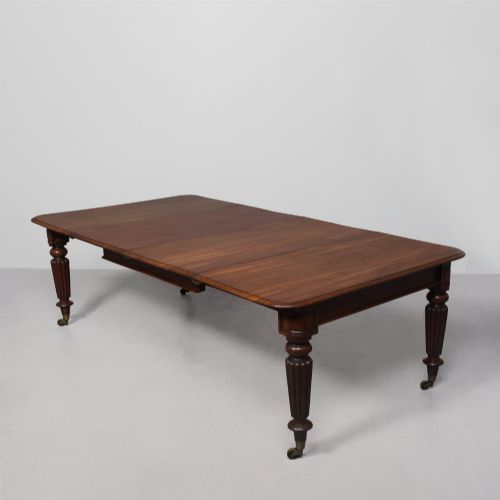
- A table top fitted with underleaves that pull out from each end to extend the surface area.
- Drop leaf
- A table with hinged flaps on the sides that fold down when not in use.
- Pembroke table
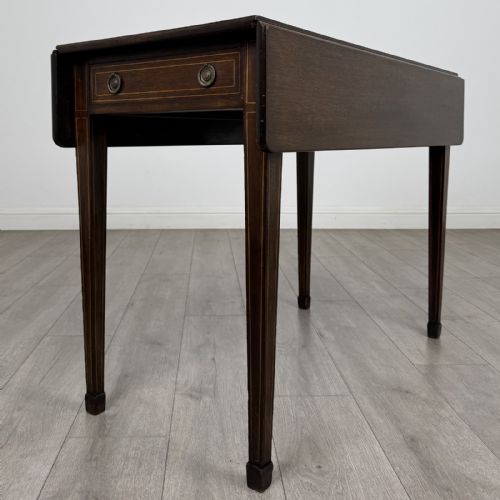
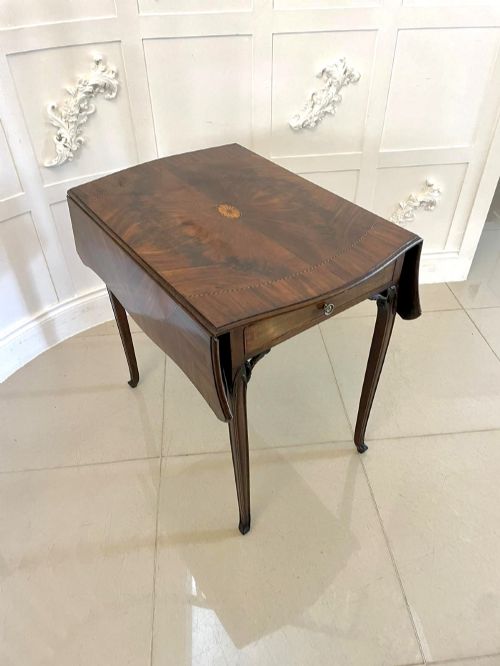
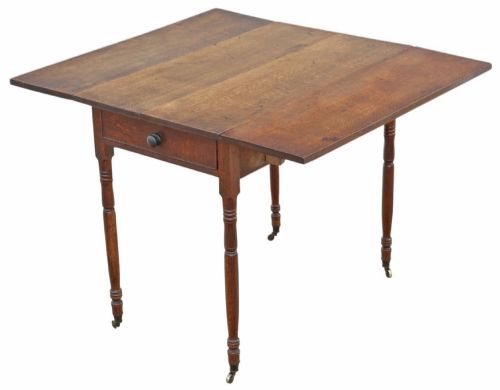
- A small occasional table with hinged drop leaves on two opposing sides and usually a single drawer.
- Sutherland table
- A narrow drop leaf table with particularly slender leaves that fold down almost vertically.
- Gateleg table
- A table with hinged leaves supported by legs that swing outward like a gate to hold the flaps.
Antique Wooden Table Leaves: Frequently Asked Questions
How do draw leaf tables work?
Draw leaf tables incorporate auxiliary leaves stored directly beneath the main central top. When you pull them outward, the end leaves rise smoothly into place to extend the dining surface.
This clever mechanism allows a compact table to double its seating capacity without requiring separate loose leaves to be stored elsewhere in the home.
What is a Pembroke table used for?
Pembroke tables served as versatile occasional tables in eighteenth and nineteenth century drawing rooms and sitting rooms. Their folding leaves allowed them to sit compactly against a wall until needed for writing or tea.
They typically feature a small drawer at one end and delicate tapered legs, making them adaptable as bedside or writing tables today.
How do I care for antique walnut?
Antique walnut furniture requires gentle cleaning with a soft, dry cloth to remove dust without harming the aged finish. Avoid placing these pieces in direct sunlight or near heat sources to prevent the wood from drying out and cracking.
Periodic application of appropriate wax preserves the natural lustre and protects the delicate grain and veneer work characteristic of walnut tables.