





Victorian Era Portrait
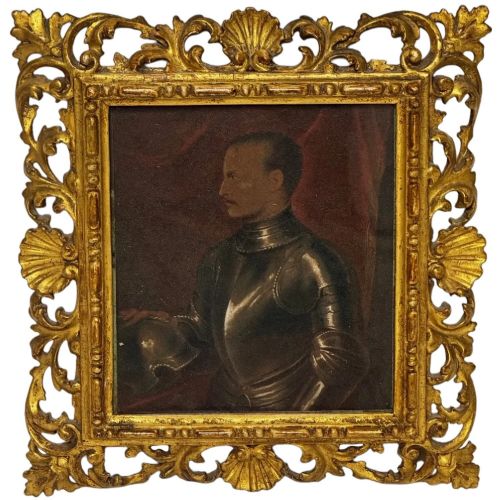
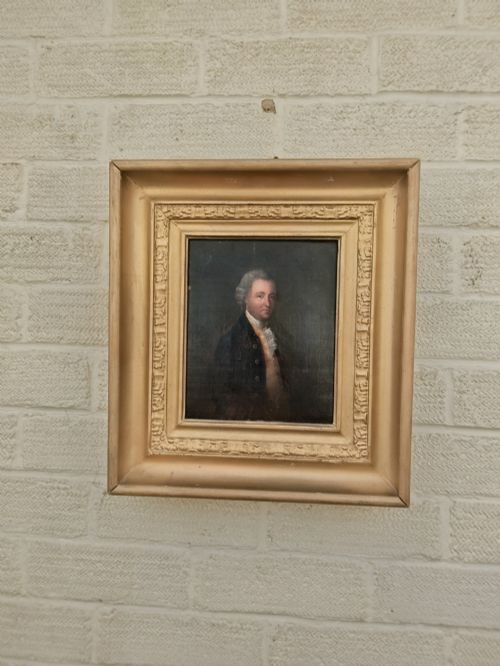
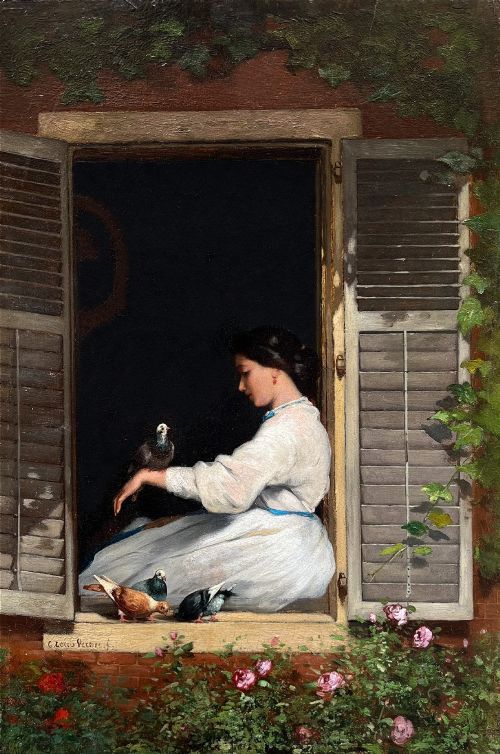
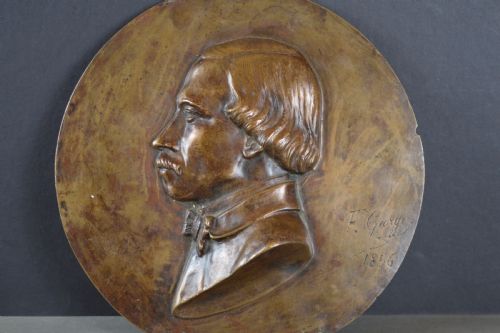
These pieces of a victorian era portrait capture likenesses through oil on canvas, watercolour and panel, offering a direct window into nineteenth-century life.
Victorian Era Portrait
A victorian era portrait brings nineteenth-century subjects into modern rooms through painted and drawn works on canvas, paper and panel. These pieces originate from British, French, German, Austrian and Italian hands, spanning academic, romantic and realist movements.
The most common examples on this page are oil paintings on canvas depicting individual gentlemen, ladies and children. Alongside these stand watercolours, chalk drawings and porcelain plaques carrying carefully rendered human likenesses.
How They Were Made
Makers built these works using oil paint applied to stretched canvas, wood panel or copper, often supported by wooden frames finished with gesso and gold leaf. Draughtsmen utilised paper, chalk and graphite to capture finer facial details before final mounting.
Portraits of this era relied on layered pigments to build depth in clothing and flesh tones. Framing frequently incorporated moulded ornament and gilt surfaces to complement the painted canvas within.
Victorian Era Portrait Retail Price Guide 2026
Typical asking prices for victorian era portrait among the pieces listed under this phrase on Sellingantiques today, from the lower quarter to the upper quarter. They describe what is for sale here now, not the wider market.
Materials recorded across these artworks include canvas, wood, paper, gesso and gold leaf alongside traditional oil and chalk mediums.
What Varies in Quality
Skill in handling light, shadow and facial expression separates routine portraiture from works of lasting power. The rendering of hands, fabrics and background details reveals the true capability of the painter.
Condition of the canvas and paint surface dictates visual integrity over time. Original gilding on frames and untouched painted surfaces preserve the historical standing of each piece.
Gian Paolo Pace·Margaret Sarah Carpenter·Louis Charles Verwee·Philip Richard Morris·André Charles Voillemot·August Heinrich Riedell·Hans Temple·Leonardo Morello·Franz Xaver Winterhalter·Federico Andreotti·J Lavergne·Samuel Lawrence·Wilhelm Alexander Meyerheim·Eugene Verboeckhoven·K Schubert·Thomas Jones Barker
The Victorian Era Portrait Glossary
- Oil on Canvas
- A painting medium where pigments suspended in drying oils are applied to woven fabric stretched across a wooden frame. This technique allowed artists to achieve rich colour depths and smooth tonal gradations.
- Gesso
- A paint mixture consisting of a neutral binder mixed with chalk, gypsum or pigment used as a prepared surface on wood panels or frames. It creates a smooth base for subsequent layers of gilding or paint.
- Pre-Raphaelite Movement
- An association of English painters and writers who rejected academic art in favour of detailed observation and bright colours. Works from this circle emphasise intense naturalism and literary themes.
- Watercolour Painting
- A method where water-soluble pigments are applied to paper surfaces. Artists utilised this technique for translucent washes and delicate portable portraits.
- Porcelain Plaque
- A rigid ceramic tablet fired with painted or glazed imagery. These smooth surfaces allowed makers to achieve miniature-like precision in portrait subjects.
Victorian Era Portrait: Frequently Asked Questions
How do I hang a heavy oil portrait?
Secure fixings directly into wall studs or use heavy-duty wall anchors suited to plaster and brick. Hang the frame using multi-point picture wire to distribute weight evenly.
Ensure the hanging height places the centre of the portrait at eye level for comfortable viewing within the room.
Should these portraits be kept out of direct sunlight?
Ultraviolet light degrades oil paints and watercolours over extended periods, causing pigments to fade and paper to yellow. Position pieces on interior walls away from south-facing windows.
Maintaining stable indoor temperatures prevents canvas expansion and subsequent cracking of the paint layer.
What frames are correct for these paintings?
Moulded wooden frames finished with gesso and gold leaf match the production period of nineteenth-century canvases. Simple swept or cassetta profiles complement both academic and realist portraits.
Original frames preserve the historical integrity of the artwork, though matching replacements remain common.