





Victorian Era Oil Portrait
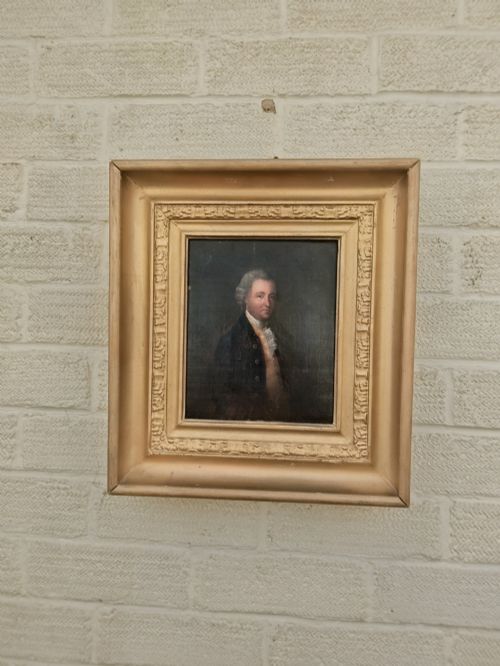
A victorian era oil portrait brings immediate character to a room, capturing faces and personalities through the rich medium of painted canvas.
Victorian Era Oil Portrait
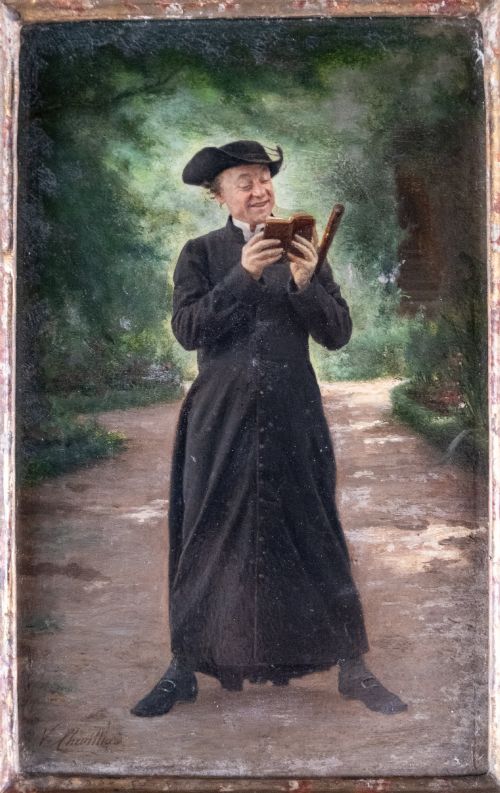
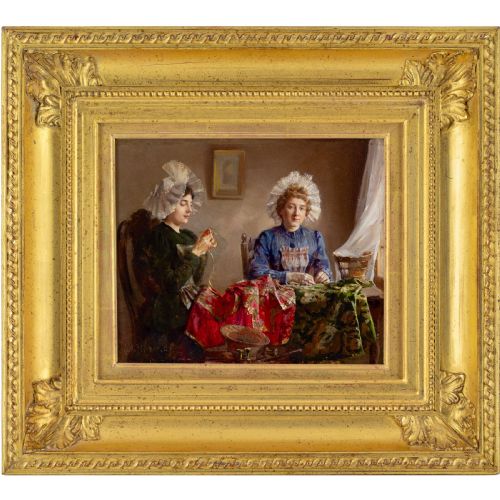
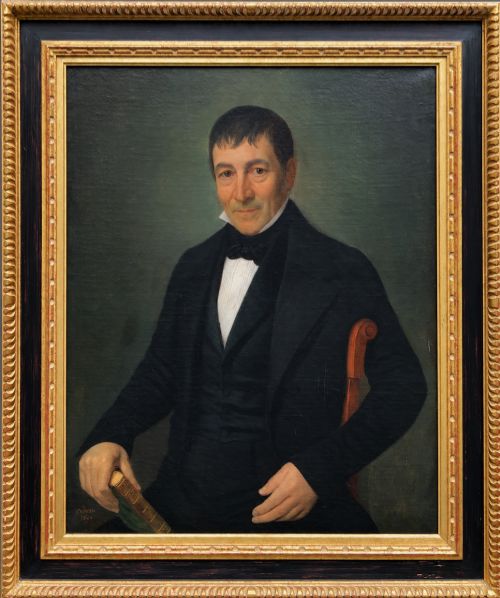
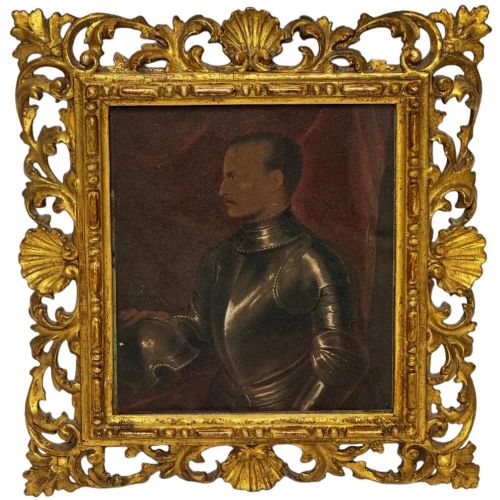
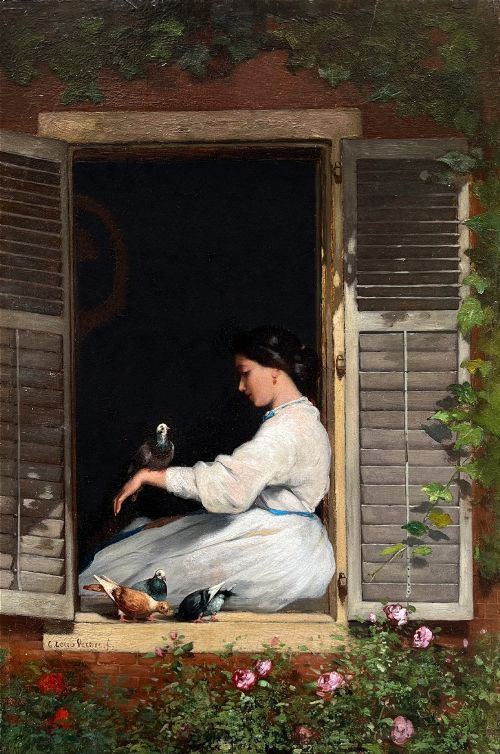
When searching for a victorian era oil portrait, buyers encounter framed paintings depicting gentlemen, ladies, and children from the nineteenth century. These works originate from various European schools, including French, Italian, German, and Dutch studios.
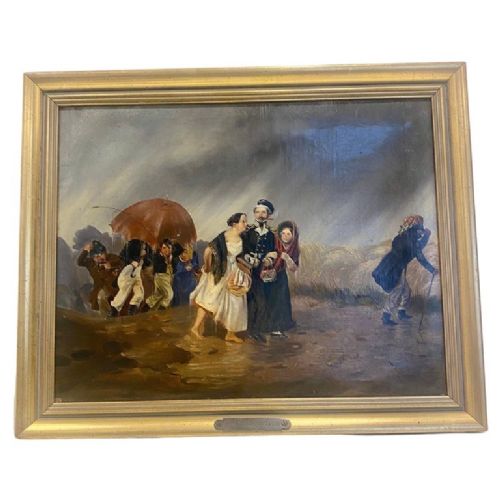
The pieces on this page span the broader nineteenth century alongside the Victorian period proper, featuring both formal likenesses and genre scenes. Canvases range from intimate depictions to large, ambitious compositions housed in period frames.
Subjects include specific named individuals, members of noble families, and anonymous sitters rendered with varying degrees of academic precision.
Materials and Techniques
Artists painted primarily with oil paint upon stretched canvas or occasionally wood panels, building up layers of pigment to achieve depth and texture. The physical support relies on traditional wooden stretchers.
Many works retain their original or period frames constructed from materials such as gilt wood, gesso, and gold leaf, which complement the painted surface.
Victorian Era Oil Portrait Retail Price Guide 2026
Typical asking prices for victorian era oil portrait among the pieces listed under this phrase on Sellingantiques today, from the lower quarter to the upper quarter. They describe what is for sale here now, not the wider market.
Listings feature works created across the nineteenth century, utilising oil on canvas, wood panels, and gilt wood frames.
Assessing Quality and Execution
Quality in a victorian era oil portrait rests upon the technical skill of the brushwork and the psychological depth captured in the sitter's expression. Masterful rendering of textiles, lighting, and anatomy separates accomplished academic pieces from routine studio production.
The preservation of the original paint surface and the integrity of the underlying canvas or panel significantly influence the standing of a work. Furthermore, the association with a recorded artist or a distinguished European school elevates the historical interest of the painting.
René Cadeau·Gian Paolo Pace·Louis Charles Verwee·André Charles Voillemot·August Heinrich Riedell·Hans Temple·Franz Xaver Winterhalter·Federico Andreotti·Pompeo Massani·Samuel Lawrence·Wilhelm Alexander Meyerheim·Eugene Verboeckhoven·K. Schubert·Thomas Jones Barker
The Victorian Era Oil Portrait Glossary
- Oil on Canvas
- A traditional painting technique where pigments bound in oil are applied to a woven fabric support. This combination allows for rich colour blending and lasting durability.
- Gilt Wood
- Wood that has been coated with a thin layer of gold leaf or gilt powder. It is commonly found on the ornate frames housing nineteenth-century portraits.
- Gesso
- A plaster-like mixture applied to wood or canvas as a base for painting or gilding. In framing, it provides a smooth surface for intricate moulded details.
- French Academic Style
- An artistic approach taught in official French academies emphasising rigorous draughtsmanship, classical themes, and polished realism. Works in this manner display strict adherence to traditional proportions and finish.
- Genre Realism
- A style focused on scenes from everyday life depicted with truthful observation. These paintings capture ordinary people in realistic settings rather than idealized historical or mythological subjects.
Victorian Era Oil Portrait: Frequently Asked Questions
What is a victorian era oil portrait?
It is a painted likeness of a person created during the nineteenth century using oil paints on canvas or panel. These artworks range from intimate cabinet pieces to grand gallery-scale canvases.
They record the likenesses, fashions, and social standing of sitters from the period, often framed in decorative wood and gesso settings.
How should I display an oil portrait?
Hang the painting on an interior wall away from direct sunlight and excessive humidity to protect the oil pigments and canvas. Proper placement ensures the surface remains stable over time.
Pair the artwork with adequate lighting, such as a dedicated picture light, to highlight the depth of the brushwork and the details of the frame.
How do I identify the period of a painting?
Examine the sitter's clothing, hairstyle, and accessories, which usually reflect the prevailing fashions of the nineteenth century. Technical aspects such as canvas preparation and frame construction also offer clues.
Signatures, dates, or historical attributions inscribed on the stretcher or frame provide further documentation regarding the date of creation.
Are these portraits always signed by the artist?
Many works bear the signature or monogram of the painter, while others remain unsigned or attributed to a specific school or circle. Unsigned portraits were common in commercial studios.
Attributions are typically determined by stylistic comparison with documented works by the same artist or regional school.