

French Oil Canvas Portrait
When you search for a french oil canvas portrait, you encounter centuries of figurative painting captured in oil pigment on woven fabric.
French Oil Canvas Portrait
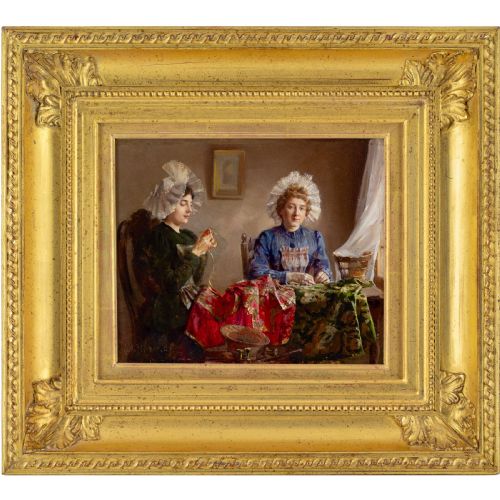
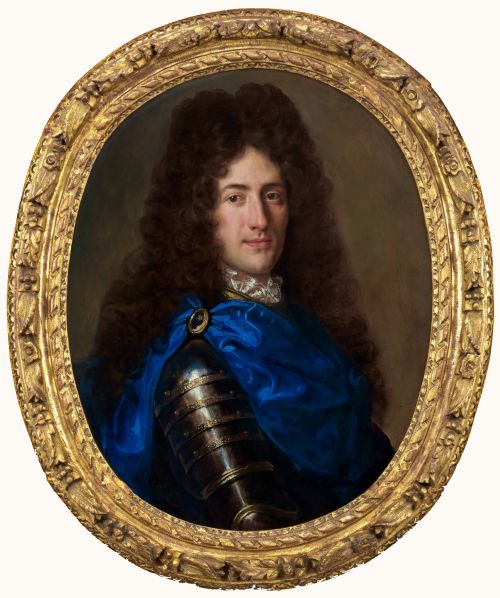
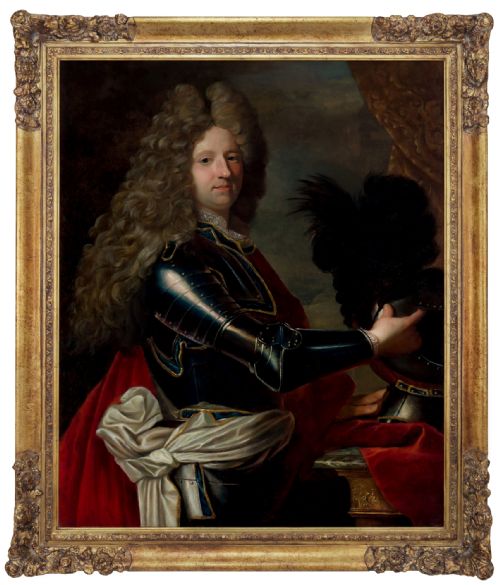
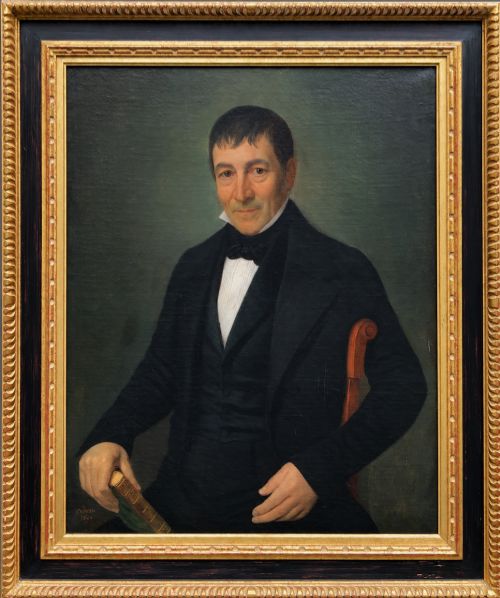
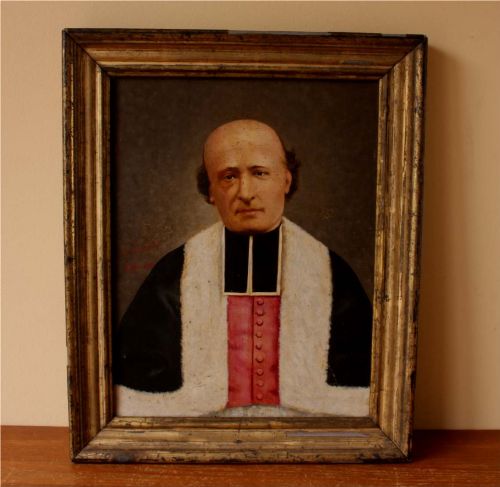
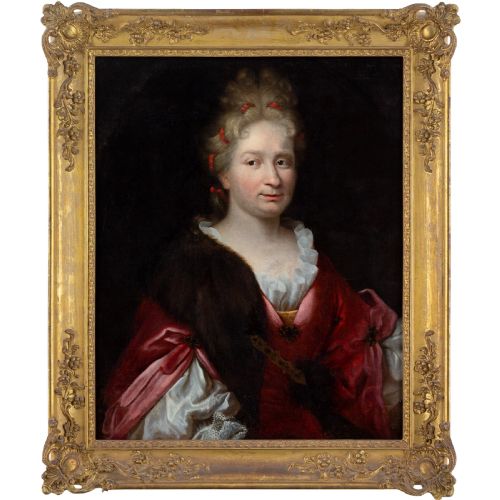
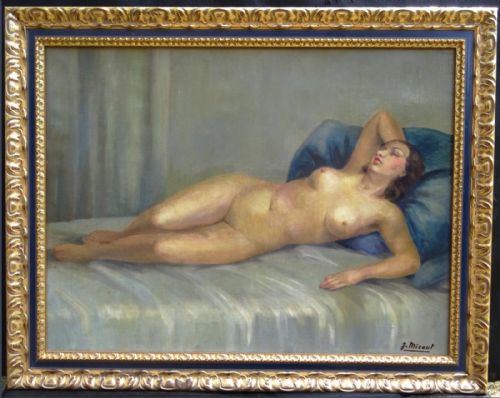
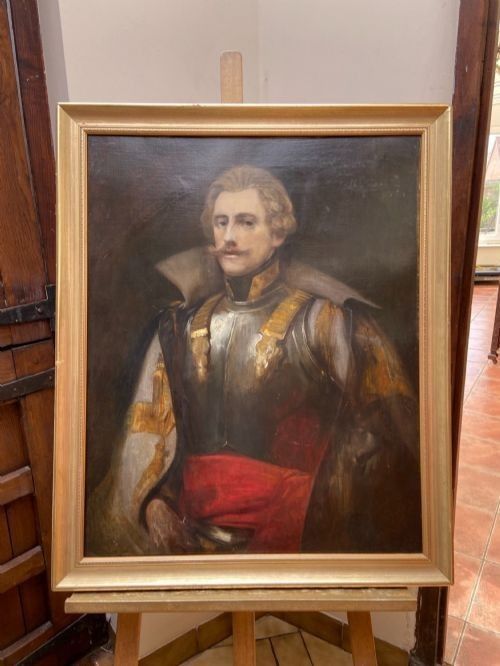
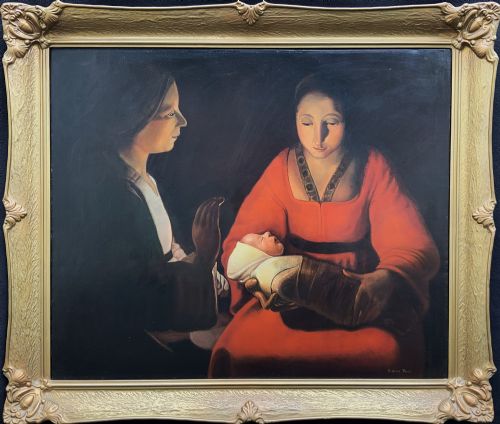
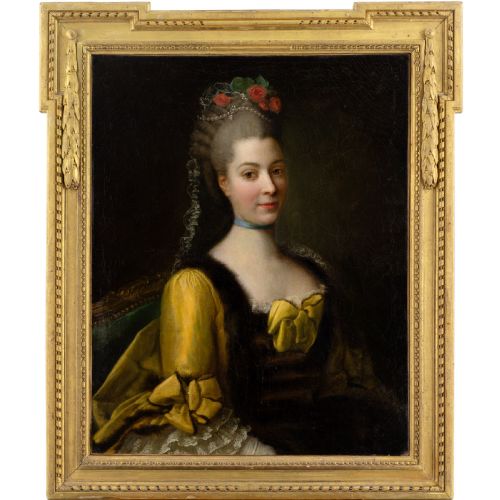
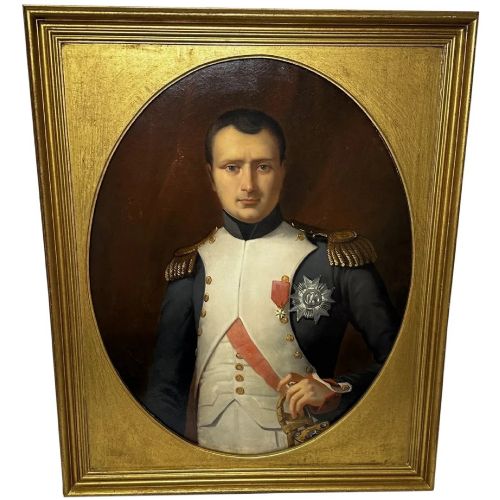
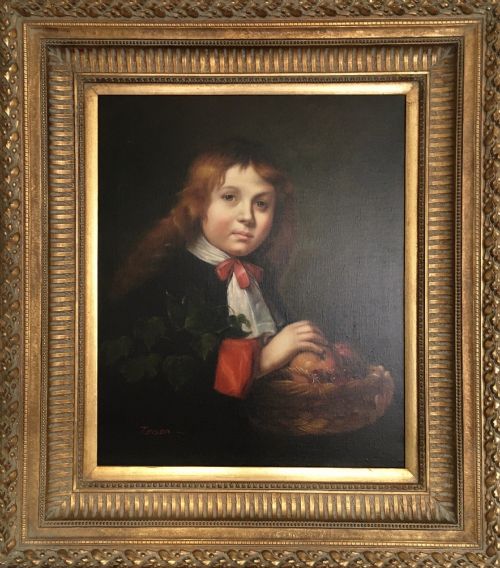
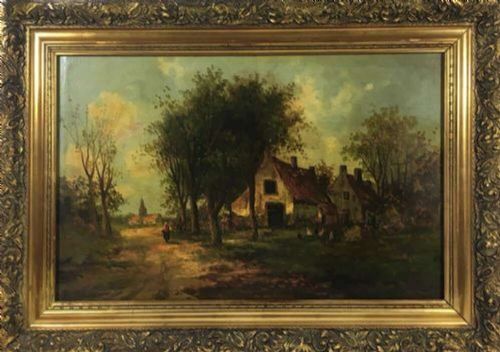
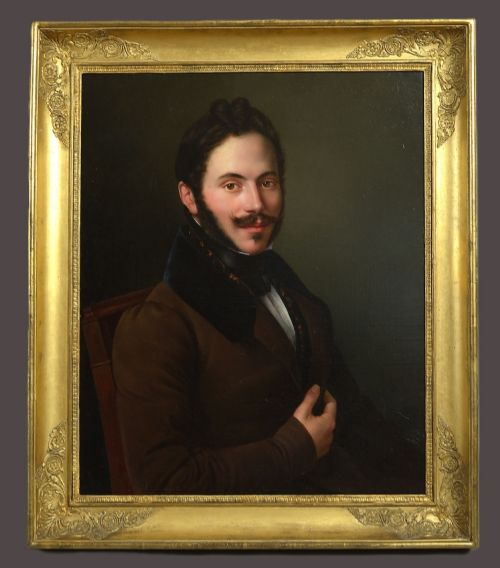
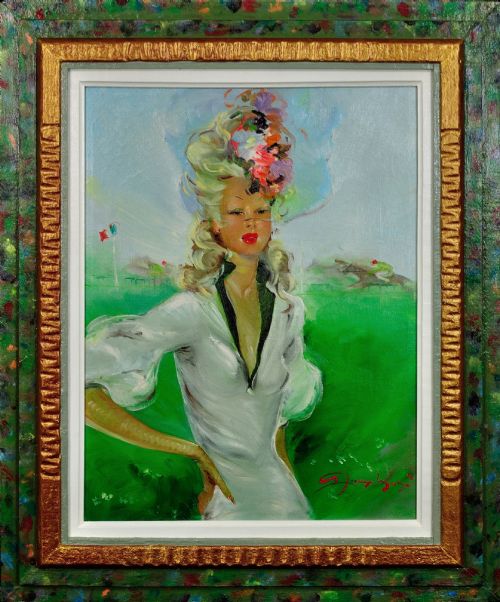
A french oil canvas portrait brings historical figures, military officers, nobility, and anonymous sitters into domestic spaces through traditional painting mediums. These works range from seventeenth-century aristocratic depictions to twentieth-century modernist compositions.
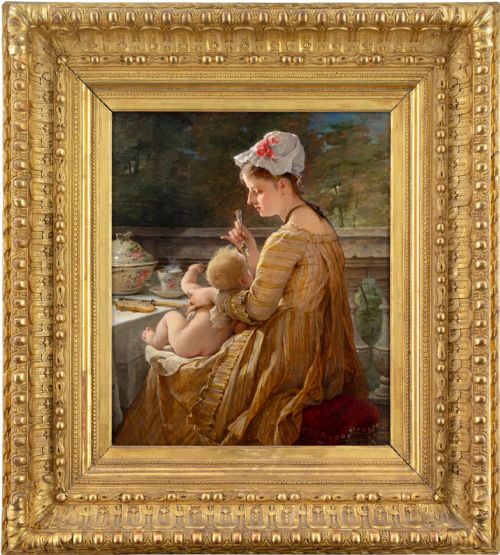
Buyers frequently encounter nineteenth-century academic examples, eighteenth-century school pieces, and regional portraits housed in original surrounds. The selection spans formal state commissions, intimate studies, and decorative genre subjects.
The objects combine historical gravity with painted representation, utilising canvas stretched over wooden frames and often housed in giltwood surrounds.
Materials and construction
Painters applied oil paint directly onto woven canvas supports, utilising the texture of the fabric to hold pigment and build layered compositions. The resulting surfaces display varying impasto, delicate glazes, and intricate brushwork developed across different centuries.
Many works retain their original wooden strainer frames or stretching bars, which support the canvas structure over decades of environmental changes. These supports frequently sit inside decorative giltwood or carved wood frames that complement the period of the artwork.
French Oil Canvas Portrait Retail Price Guide 2026
Typical asking prices for french oil canvas portrait among the pieces listed under this phrase on Sellingantiques today, from the lower quarter to the upper quarter. They describe what is for sale here now, not the wider market.
Several portraits feature attentive pets, military officers wearing obscure service orders, and fashionable figures caught mid-glance.
Evaluating the standard
Condition plays a central part in assessment, distinguishing works with original canvas tension and minimal restoration from those with extensive overpainting, tears, or structural relining. The preservation of the pigment layer and the integrity of the accompanying frame contribute to overall merit.
René Cadeau·Ferdinand Sinet·Joseph Vivienne·Hyacinthe Rigaud·Edouard Pingret·Adelaïde Salles-Wagner·Guillaume Courtois·Alfred Arthur Brunel de Neuville·Charles Zacharie Landelle·Raymond Moritz·André Charles Voillemot·Henri Vincent-Anglade·Ferdinand Victor Leon Roybet·Gaetan Dumas
The French Oil Canvas Portrait Glossary
- Oil on Canvas
- A painting technique where pigmented oil is applied to a woven fabric support. This method allows for smooth blending and rich colour depth.
- Giltwood
- Wood carved and coated with a thin layer of gold leaf or metallic powder. It provides ornate framing for historic paintings.
- Impasto
- Paint applied in thick layers that stand out from the canvas surface. This technique creates a tangible texture visible in certain portrait passages.
- French School
- A term denoting artists trained or working within the French artistic tradition, regardless of whether their specific identities are recorded.
- Regency
- A historical design period associated with early nineteenth-century France and Britain. Pieces from this era reflect distinct neoclassical elegance.
French Oil Canvas Portrait: Frequently Asked Questions
How do I hang a heavy framed oil painting safely?
Ensure fixings are secured directly into wall studs or use heavy-duty wall anchors rated for the weight of the frame and canvas. Position the painting at eye level to replicate gallery hanging standards.
Check that the hanging wire and D-rings on the back of the wooden frame are secure and capable of supporting the entire load before mounting.
What lighting protects an oil painting from damage?
Position paintings away from direct, harsh sunlight to prevent the oil pigments and canvas from fading or drying out over time. Use low-heat LED picture lights or indirect ambient room lighting.
Ultraviolet radiation damages organic materials and varnishes, so filtering natural light with window treatments preserves the painted surface.
Can I determine the age of a portrait without a signature?
Examine the style of clothing, hair, and accessories worn by the sitter, as these follow strict historical fashions tied to specific decades. Stylistic painting techniques and portrait conventions also point toward particular artistic movements.
Inspect the reverse of the canvas, stretcher bars, and framing nails for historical stamps, maker marks, or handwritten inscriptions left by previous owners.