



Victorian Era Framed Painting
When searching for a victorian era framed painting, collectors encounter 19th-century works spanning portraits, landscapes, and maritime scenes set within period surrounds.
Victorian Era Framed Painting
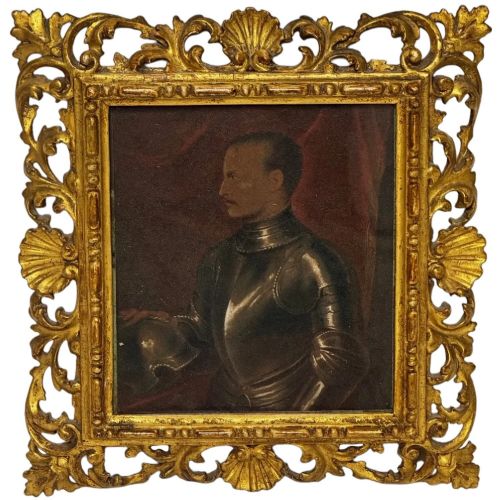
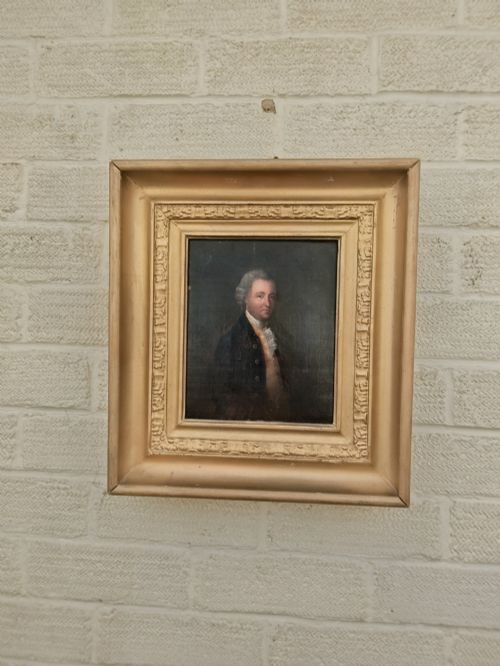
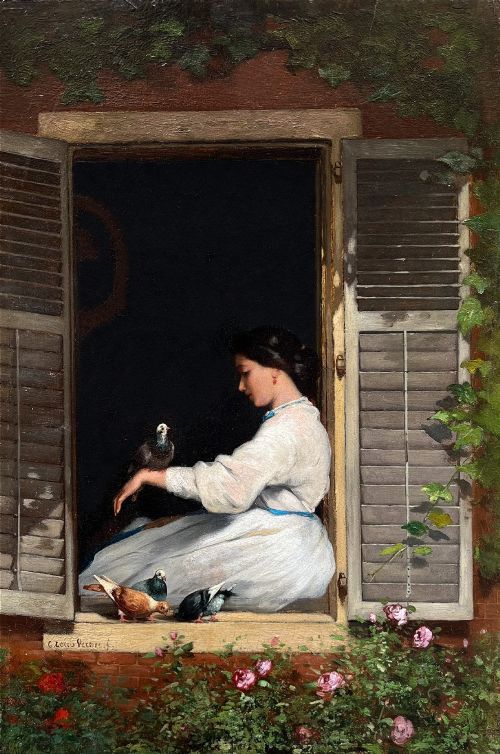
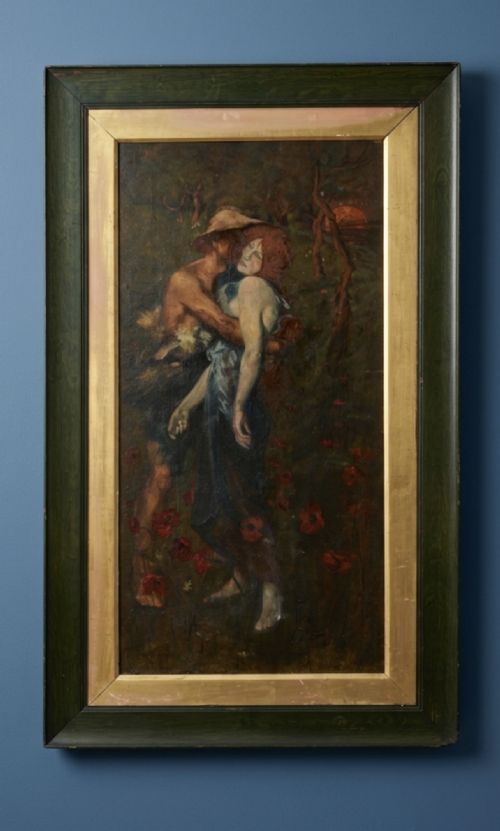
A victorian era framed painting encompasses canvas and panel works produced during the nineteenth century, frequently housed in original wooden surrounds. Buyers exploring this category encounter portraits of gentlemen and ladies, genre scenes of figures, and pastoral landscapes.
The prevalent examples on this page date from the 1860s through the 1890s, capturing the diverse artistic movements of the period. These range from French academic compositions and Italian regional subjects to Dutch marine seascapes.
Works on canvas dominate the selection, alongside watercolours and occasional porcelain plaques. Many pieces retain their period frames, which provide structural context to the artwork.
Materials and technique
Artists of the period utilised oil paint on stretched canvas or wooden panels, applying pigments to achieve depth in portraiture and landscape subjects. Watercolours on paper also appear, protected beneath glass within linear surrounds.
Frames are constructed from wood, decorated with gesso, and finished with gold leaf or gilt. These surrounds range from simple mouldings to deep, ornamental profiles suited to the scale of the canvas.
Victorian Era Framed Painting Retail Price Guide 2026
Typical asking prices for victorian era framed painting among the pieces listed under this phrase on Sellingantiques today, from the lower quarter to the upper quarter. They describe what is for sale here now, not the wider market.
Several paintings capture sheep enduring unpredictable weather, proving that nineteenth-century artists loved an ambient meteorological drizzle.
Evaluating quality
Quality rests upon the handling of light, anatomical precision in portraits, and atmospheric depth in landscapes. Master works demonstrate confident brushwork and nuanced colour palettes.
The integrity of the frame contributes significantly to the overall piece, with original gilding and undamaged gesso ornamentation marking superior examples.
Louis Charles Verwee·Philip Richard Morris·André Charles Voillemot·Léon Joseph Voirin·Hans Temple·Paul Viry·Federico Andreotti·Karel Frans Philippeau·Pompeo Massani·Samuel Lawrence·Leon Girardet·Anthonij Anton Mauve·Wilhelm Alexander Meyerheim·Francesco Bergamini·Robert Thomas Buttery
The Victorian Era Framed Painting Glossary
- Giltwood
- Wood carved and covered with thin gold leaf or gold powder. This finish is characteristic of period picture frames.
- Gesso
- A plaster mixture applied to wooden frames as a base for gilding or painting. It allows for crisp moulded ornamentation.
- Genre painting
- The pictorial representation of scenes from everyday life. These works depict people engaged in common activities.
- Oil on canvas
- Pigment mixed with drying oil applied to a woven fabric support. This technique permits rich blending of colours.
Victorian Era Framed Painting: Frequently Asked Questions
How do I identify a Victorian oil painting?
Examine the canvas preparation, stretcher bars, and pigment characteristics typical of the nineteenth century. Pigments and canvas textures often reflect the manufacturing methods of the era.
Furthermore, the style of the subject matter and the construction of the accompanying wooden frame provide reliable chronological indicators.
Are these paintings usually signed?
Many works bear artist signatures, monograms, or studio inscriptions, either on the front canvas or the reverse stretcher. Signatures offer direct attribution to known nineteenth-century painters.
Unsigned examples are frequently attributed through stylistic analysis, comparing brushwork and composition to documented works of the period.
How should I display a framed painting?
Position the piece away from direct sunlight and sources of heat to protect both the canvas and the giltwood frame. Stable indoor humidity prevents warping of the wooden support.
Ensure the wall fixings are adequate for the weight of the frame, particularly for large nineteenth-century pieces.
What subjects are most common?
Portraits of individuals and families form a substantial category, alongside pastoral landscapes, riverscapes, and architectural views. Genre scenes depicting daily life also appear frequently.
Marine seascapes and dramatic coastal wrecks represent another prominent theme pursued by artists of the period.