



Victorian Equestrian Decor
Victorian equestrian decor brings the character of the 19th-century stable, hunt, and racecourse directly into a room through art and utilitarian objects.
Victorian Equestrian Decor
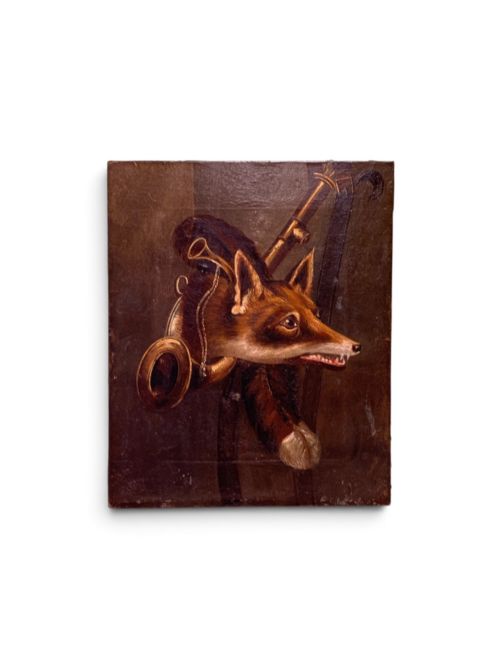
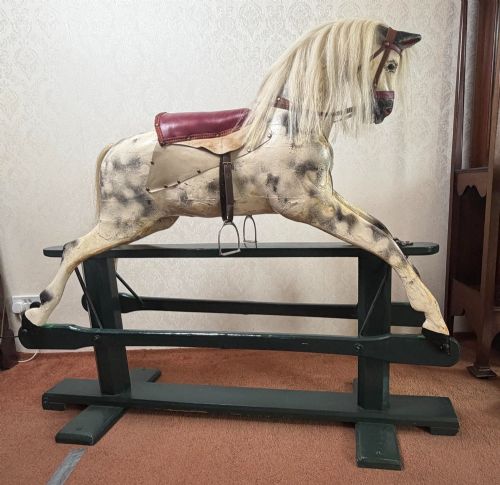
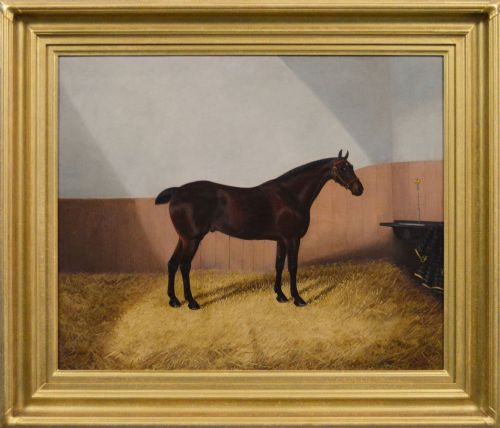
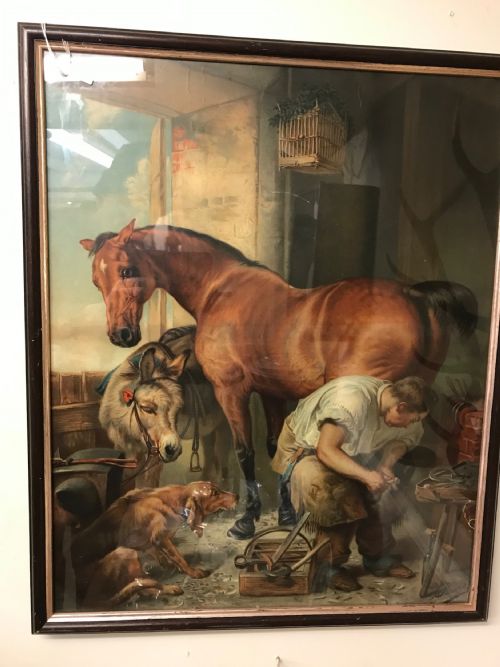
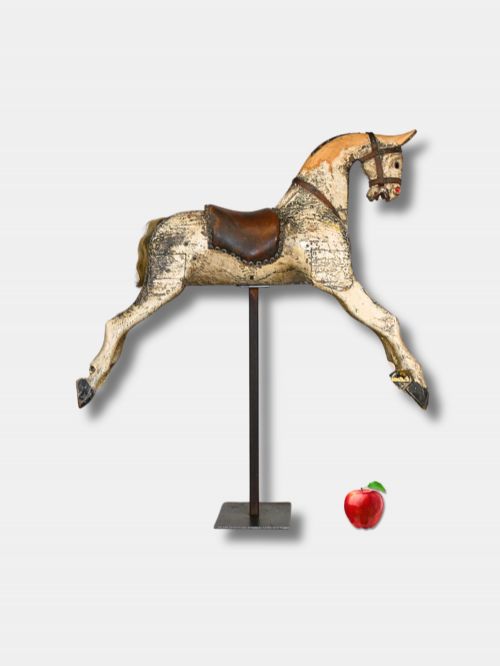
Victorian equestrian decor encompasses items created during the nineteenth century and associated periods that celebrate horses, hunting, and racing. When exploring victorian equestrian decor on this page, buyers encounter a mix of oil paintings, carved wooden rocking horses, cast iron doorstops, and ceramic figures.
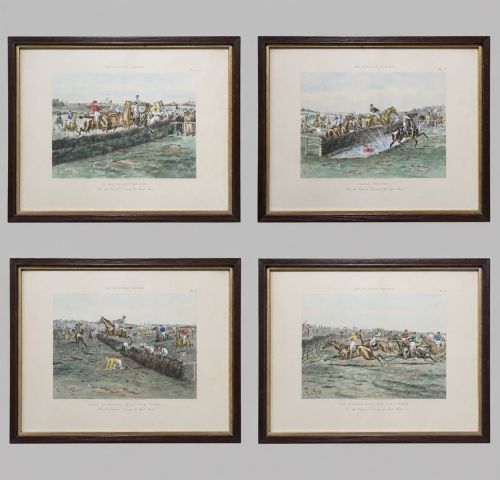
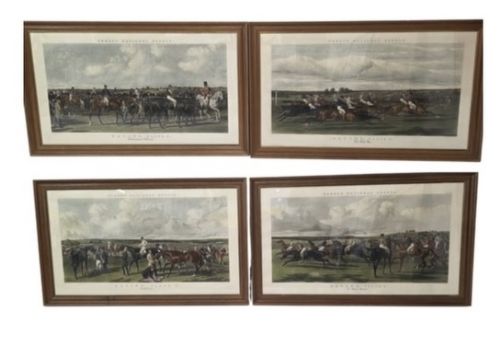
The objects range from large-scale framed prints and canvases depicting hunts and portraits of bay horses to smaller functional pieces such as horseshoe mirrors, brass horse brass martingales, and leather hunting whips. These pieces reflect a society deeply connected to working and sporting animals, preserving that heritage in domestic interiors.
Materials and Construction
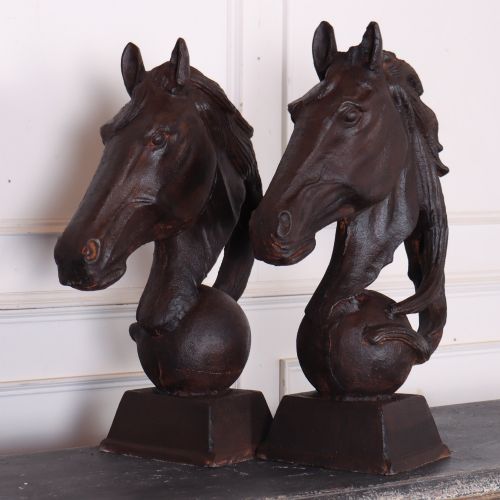
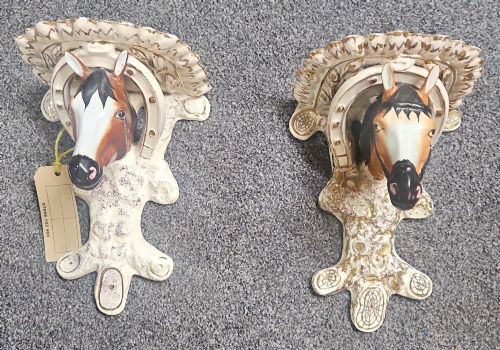
Wood and metal dominate the physical record, with carved pine and oak frequently forming the structure of rocking horses, wall-hanging gongs, and hall mirrors. Cast iron provides the weight and durability needed for hitching posts, doorstops, and horsehead wall brackets.
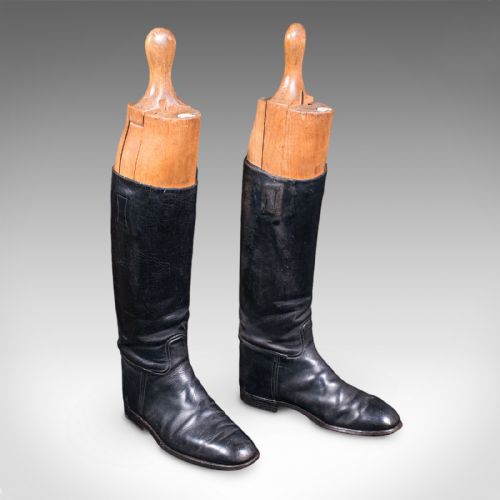
Leather and paper appear in harnesses, boots stretchers, coaching horns, and framed racing prints or aquatints. Artisans employed hand-blown glass, oil on canvas, and pottery to capture detailed scenes of foxes, hounds, and riders.
Listings for victorian equestrian decor combine fine art oil paintings with practical items like cast iron hitching posts and leather boots stretchers.
Distinctions in Quality
Quality rests upon the fidelity of anatomical representation in the animals and the skill evident in the carving, brushwork, or casting. Paintings by named artists display precise handling of light on a horse's coat and accurate rendering of equine movement compared to naive folk art works.
Preservation of original surfaces dictates value in functional items and toys, where untouched paint on a rocking horse or original silver collars on hunting whips retain the integrity of the piece. Maker attribution also separates standard commercial objects from workshop-signed examples.
George Finch Mason·Albert Clark·Edwin Henry Landseer·Swaine Adeney·John Frederick Herring Jnr·Basil Nightingale·Charles Faulkner·Benjamin Cam Norton·Gilbert Scott Wright
The Victorian Equestrian Decor Glossary
- Horse brass
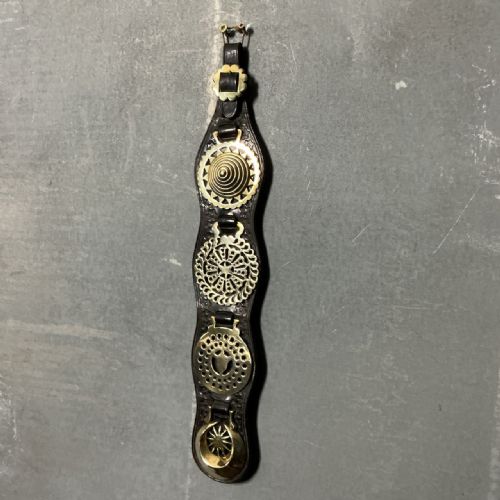
- A brass plaque mounted on leather martingales that decorated heavy horses. These objects feature diverse symbolic motifs ranging from geometric shapes to animals and royalty.
- Aquatint
- A printmaking technique that produces tones resembling watercolour washes. It was widely utilised in the nineteenth century for reproducing sporting art and racing scenes.
- Hitching post
- A sturdy post, frequently cast in iron with a horse head finial, anchored outside a building to tie up horses. Domestic adaptations include smaller wall brackets and doorstops.
- Martingale
- A strap that keeps a horse's head in the correct position, often decorated with brass ornaments. Collectors prize complete leather straps carrying original brasses.
- Staffordshire pottery
- Earthenware figures produced in the Staffordshire potteries depicting people and animals. Flat back pieces were designed to stand against a cottage mantelpiece or wall bracket.
Victorian Equestrian Decor: Frequently Asked Questions
What items are classed as victorian equestrian decor?
The category includes oil paintings of horses and hunt scenes, framed racing prints, and carved wooden rocking horses. It also covers utilitarian objects like cast iron doorstops, brass horns, and leather hunting whips.
These pieces reflect 19th-century sporting life, using materials such as wood, brass, leather, and pottery to bring animal and stable motifs into the home.
How were horse brasses used?
Horse brasses were decorative and protective brass plaques mounted on leather straps across the chests or heads of heavy draught horses. They caught the eye and were believed to ward off evil.
Today, collectors find them mounted on leather martingales or displayed individually as wall hangings.
Are rocking horses from this period functional?
Nineteenth-century rocking horses were built on solid wooden stands or original rockers to withstand active play by children. Many retain their original paint, horsehair manes, and leather tack.
While some owners allow children to ride sturdy antique models, others preserve them as decorative centrepieces in nurseries or living spaces.
How do I identify period paintings?
Period paintings of horses typically feature canvas stretched over wooden frames, signed by artists who specialised in sporting art or animal portraits. Look for the handling of oil on canvas, stable backgrounds, and costume details that place the work in the 19th century.
Many works document specific named horses, races, or hunts, offering historical context through inscriptions or accompanying records.