


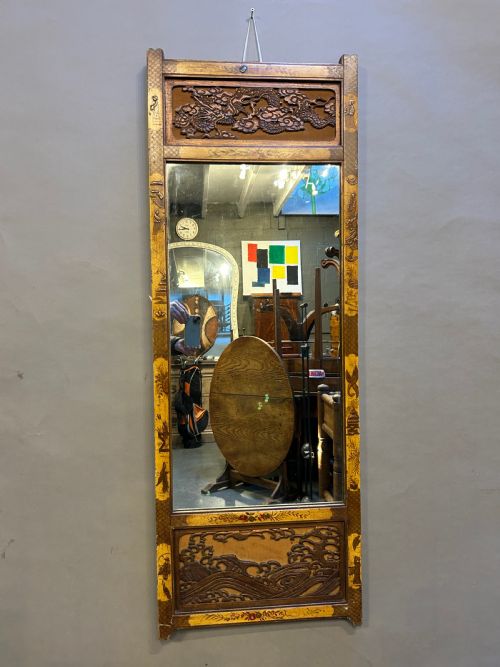


Antique Hall Hanging Mirror
An antique hall hanging mirror greets visitors at the threshold, reflecting light and space in the entrance passage.
Antique Hall Hanging Mirror
An antique hall hanging mirror serves as the central welcoming glass of an entranceway, combining practical function with decorative presence. These pieces emerge primarily from the nineteenth century, the Edwardian era, and the nineteen-twenties, reflecting domestic habits of those periods.
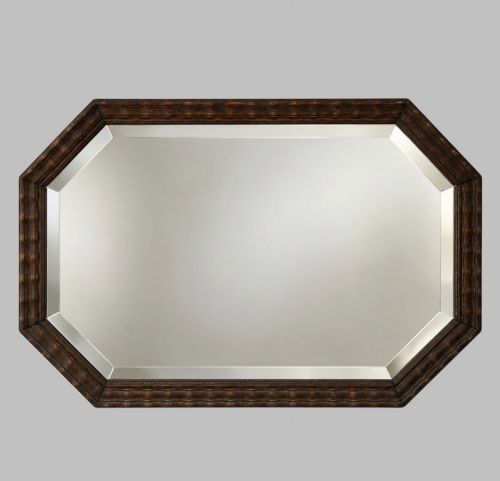
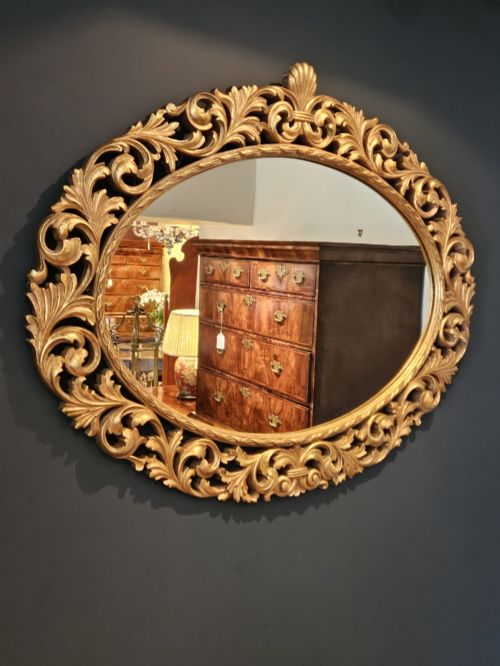
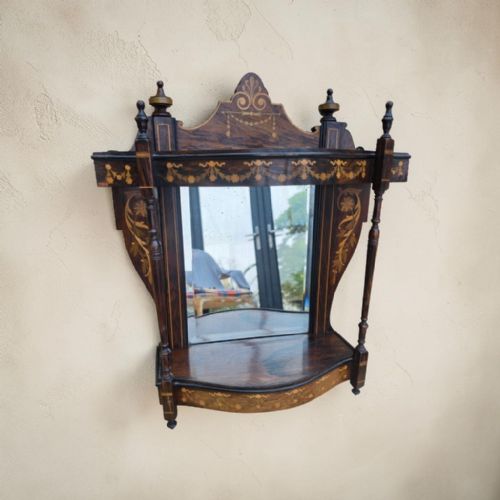
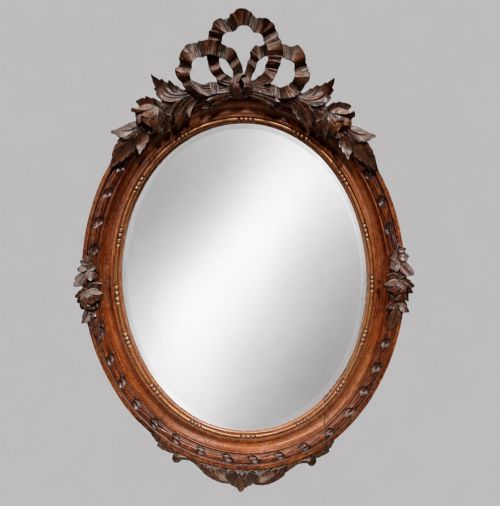
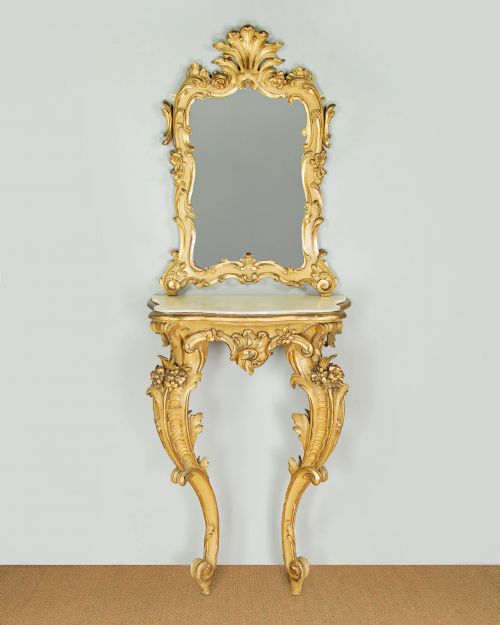
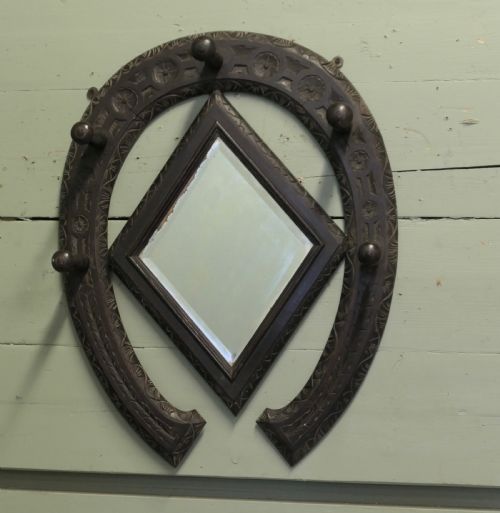
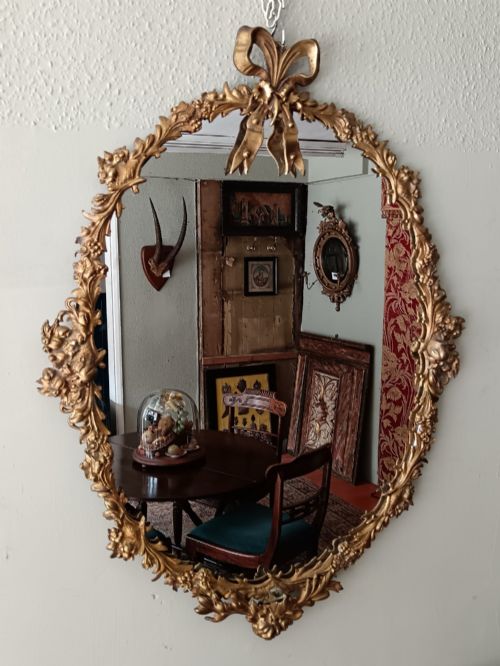
The selection ranges from simple oak frames intended for cloakrooms to ornate gilded ovals and carved timber designs meant for grander reception spaces. Many examples incorporate shelves, hooks, or small cabinets, serving multiple purposes in a busy hallway.
Wall mirrors dominate the selection, often accompanied by related forms such as coat racks, console tables, and small wall cabinets. Originating from English, French, and Italian workshops, these items bring regional craftsmanship directly into the domestic interior.
How they were made
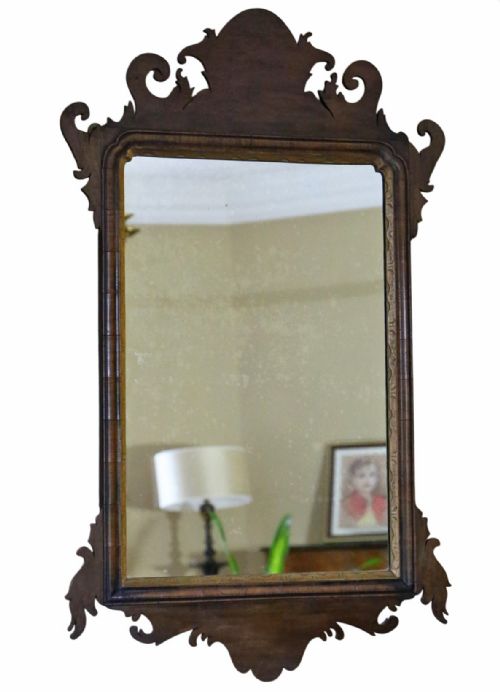
Cabinetmakers utilised dense timbers such as oak, mahogany, walnut, and rosewood for structural frames, frequently applying hand-carved details or inlaid veneers. These solid woods provided the necessary durability for items hung in high-traffic entryways.
Decorative surfaces often relied on gesso applied over carved wood, which was then gilded or painted to achieve the desired sheen. French and English makers employed these techniques to create elaborate Rococo, Louis XVI, and Gothic Revival styles.
Glass plates were bevelled by hand or cast with traditional methods, sometimes showing the subtle imperfections characteristic of period manufacture. Frames were assembled with traditional joinery, ensuring the heavy glass remained secure within the hanging structure.
Listings feature oak, mahogany, walnut, and gesso materials across nineteenth-century and Edwardian periods.
What varies in quality
The distinction between standard domestic items and superior examples lies in the depth and crispness of the carving and the quality of the timber selection. Fretwork panels, intricate floral motifs, and well-executed gilding indicate a higher tier of craftsmanship.
Proportion and balance dictate the visual success of each piece, where smaller inlaid mirrors or large grand ovals demonstrate careful attention to scale. The integration of functional elements, such as shelves and key cabinets, shows thoughtful design rather than mere utilitarian assembly.
Waring and Gillow
The Antique Hall Hanging Mirror Glossary
- Gesso
- A plaster-like mixture applied to wood frames as a base for gilding or painting. It allows craftsmen to carve intricate relief decorations.
- Fretwork
- Openwork carving created by piercing thin panels of wood in geometric or scroll patterns. This technique appears frequently on walnut and mahogany frames.
- Pier mirror
- A tall wall glass designed to hang on the narrow wall space between windows. These pieces often sit above small console tables.
- Bevel
- An angled edge cut along the perimeter of the glass plate. This process catches light and adds depth to the reflection.
- Giltwood
- Timber that has been coated with a thin layer of gold leaf. It provides a bright, reflective surface popular in formal reception rooms.
Antique Hall Hanging Mirror: Frequently Asked Questions
Where should a hall mirror hang?
Position the glass opposite a light source or near the entrance door to maximise natural illumination in narrow passageways. This placement bounces daylight deeper into the house and creates an immediate sense of openness.
Ensure the hanging height allows visitors to check their appearance comfortably upon arrival. Lower models with integrated shelves also suit cloakroom use for dropping keys and small items.
How do I identify Edwardian mirrors?
Edwardian examples often feature lighter oak or mahogany frames with simpler geometric carving or inlaid details. These pieces frequently include practical additions like small shelves or brush hooks for hallway convenience.
They tend to look less heavy than their Victorian predecessors, aligning with the brighter interior tastes of the early twentieth century.
What is a last look mirror?
A last look mirror is a compact hallway glass designed for a final check of attire before stepping out the front door. These pieces often feature small proportions suitable for tight entrance spaces.
They frequently combine the glass with modest shelving or compartments for holding everyday items.