



Victorian Engraved Locket
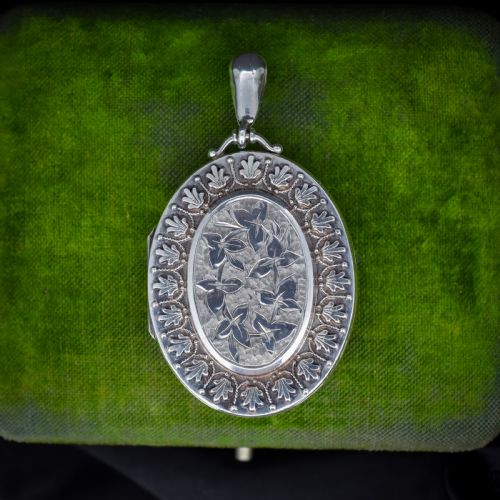
A victorian engraved locket carries personal histories within hand-carved foliate patterns, holding photographs or hair securely against the heart.
Victorian Engraved Locket
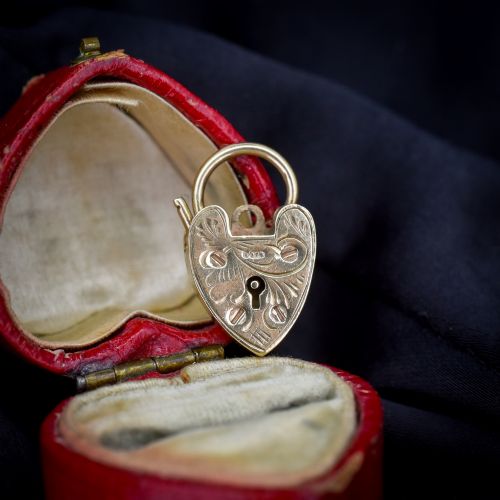
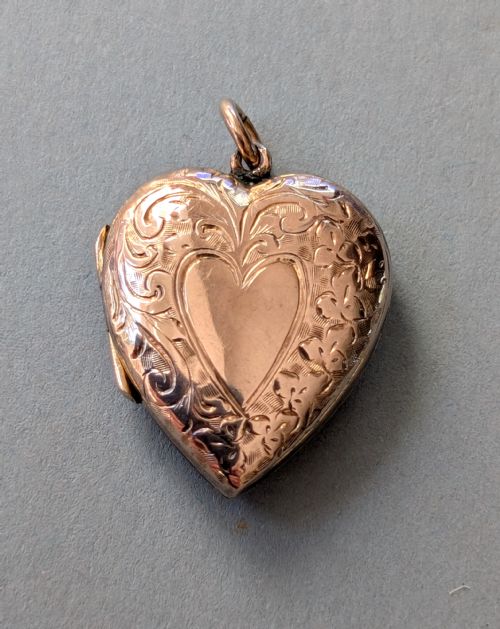
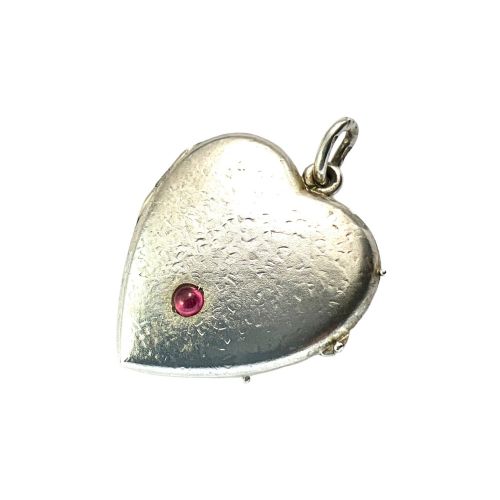
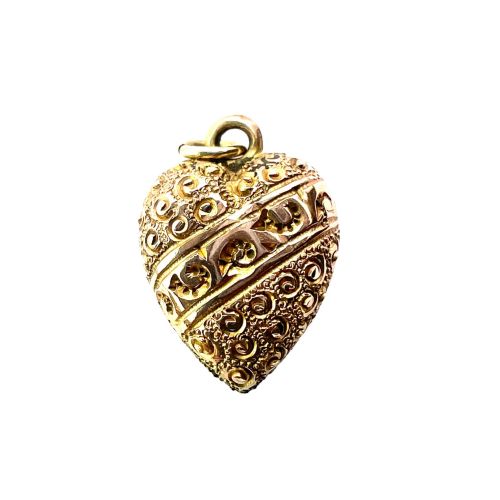
When searching for a victorian engraved locket, buyers encounter hinged keepsake containers designed to suspend from chains or ribbons. These pieces range from substantial oval sterling silver photo holders to delicate 9ct gold heart pendants and elaborate multi-photograph family pieces.
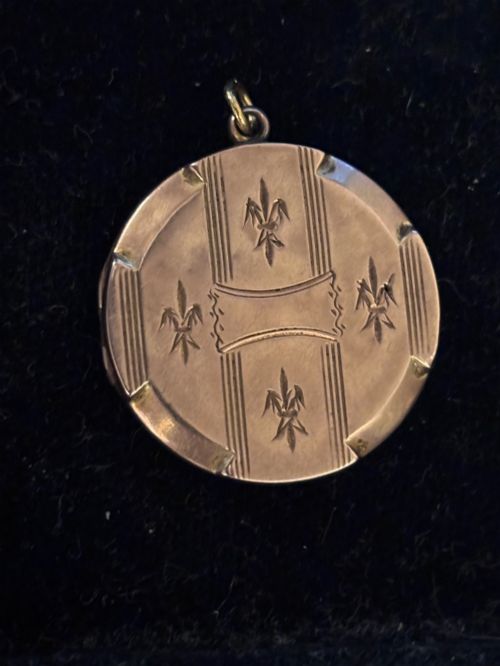
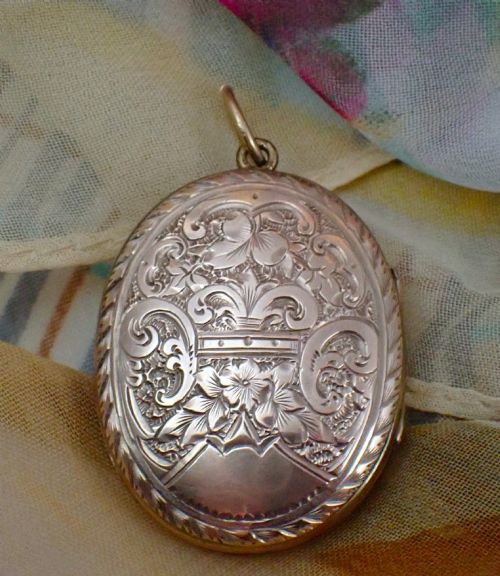
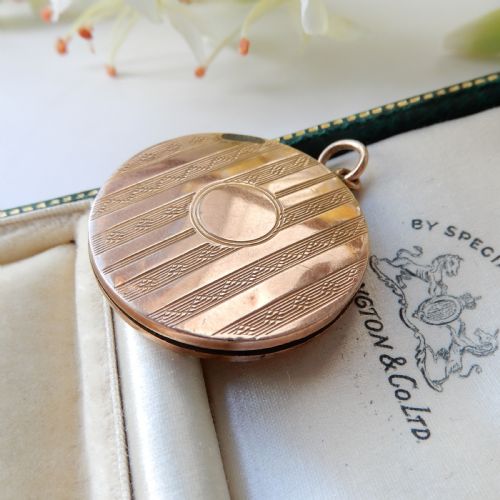
The selections span authentic mid-to-late 19th-century periods alongside later revivals, featuring characteristic ivy, swallow, flower basket, and geometric engine-turned motifs. The most common varieties met on this page are sterling silver oval photo lockets and warm yellow or rose gold heart-shaped designs.
Mourning jewellery and memorial pieces also appear, sometimes incorporating glass-covered frames meant for hair or miniature portraits. Collectors frequently select these items for their intricate hand-chased surface decoration and tangible connection to past domestic life.
How they were made
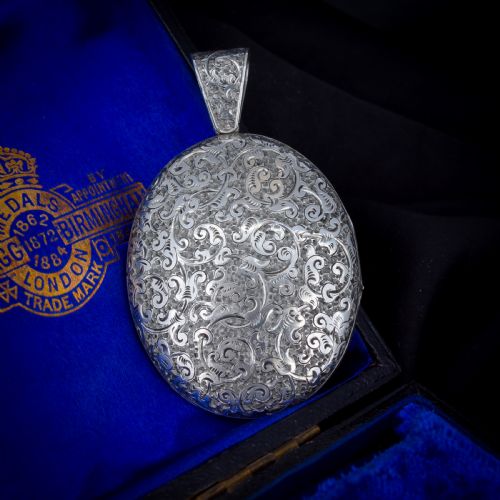
Metalsmiths constructed these lockets primarily from sterling silver, solid gold, and gold back and front configurations where thin precious metal sheets bonded to a base metal core. Artisans employed hand-engraving techniques to cut deep foliate scrolls, swallows, and ivy leaves directly into the metal surface.
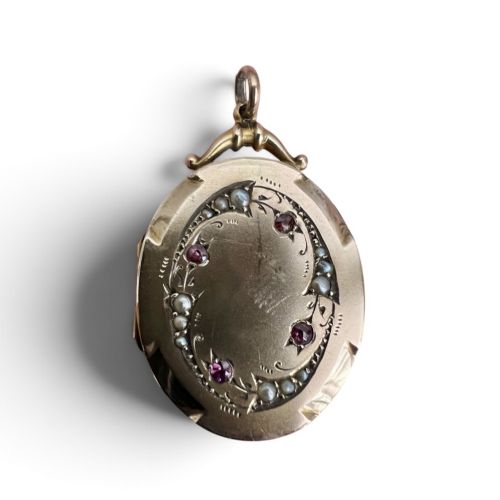
Hinged closures, tiny interior photograph rims, and glass compartments required precise mechanical skill to assemble securely. Decorative elements often included applied turquoise stones, seed pearls, blue enamel star motifs, or Scottish agate panels set into the metalwork.
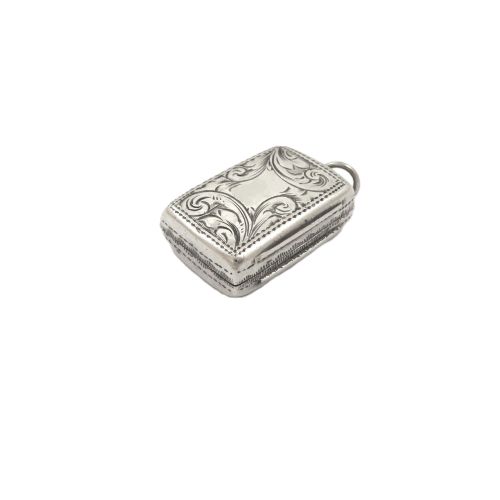
Object forms span photo lockets, heart pendants, vinaigrettes, and mourning pieces incorporating hair and gemstones.
What varies in quality
The depth and crispness of the hand-engraving separate standard production pieces from superior examples, where deep, detailed foliate carving retains sharp relief. Construction weight and metal purity also determine the standard, distinguishing solid silver and high-carat gold from lighter gold back and front or rolled gold items.
The integrity of the internal hinge and bezel mechanism dictates the functionality and preservation of the piece over time. Original glass inserts, secure snap closures, and unblemished interior photo frames elevate the overall integrity of the locket.
The Victorian Engraved Locket Glossary
- Back and front
- A construction method where solid gold plates cover the exterior surfaces while enclosing a base metal inner core for structural strength.
- Engine-turned
- A geometric decorative technique applied to metal using a specialised lathe to create precise, repeating linear patterns.
- Vinaigrette
- A small hinged container housing a perforated grille, originally used to hold a sponge soaked in aromatic vinegar.
- Foliate
- A decorative design style utilising stylized leaves, vines, and floral scrolls characteristic of nineteenth-century ornamentation.
- Mourning locket
- A keepsake piece designed to memorialize a deceased person, frequently incorporating braided hair or miniature photographs beneath glass.
Victorian Engraved Locket: Frequently Asked Questions
How do I open an old locket?
Most antique lockets utilise a small thumbnail notch along the side seam to release the snap closure. Gentle outward pressure applied with a fingernail or thin tool usually opens the hinged halves.
Avoid forcing stuck hinges, as aged metal and tiny pins require careful manipulation to prevent bending or structural damage.
What is gold back and front?
Gold back and front describes a nineteenth-century manufacturing technique where thin sheets of solid gold form the exterior faces of the locket. A base metal core sits sandwiched inside to provide rigidity and reduce the overall cost of the item.
These pieces offer the visual appearance and wear surface of solid gold while remaining structurally robust for daily suspension on a chain.
Can I put modern photos inside?
Antique lockets frequently accommodate photographs, though modern printed pictures usually require careful trimming to fit the interior bezels. Original metal frames and plastic or glass covers help hold trimmed paper securely in place.
Measuring the internal aperture accurately ensures the photograph slips beneath the retaining rim without folding or tearing.
How do I date an engraved locket?
Dating relies on examining the specific stylistic motifs, such as Aesthetic Movement swallows or Edwardian foliate scrolls, combined with any visible hallmarks or maker marks. Birmingham and other assay office marks provide specific years of manufacture when present.
Construction methods, such as the thickness of the hinge and the presence of engine-turned patterns, also offer clues regarding the period of origin.