
Victorian Enamel Glass
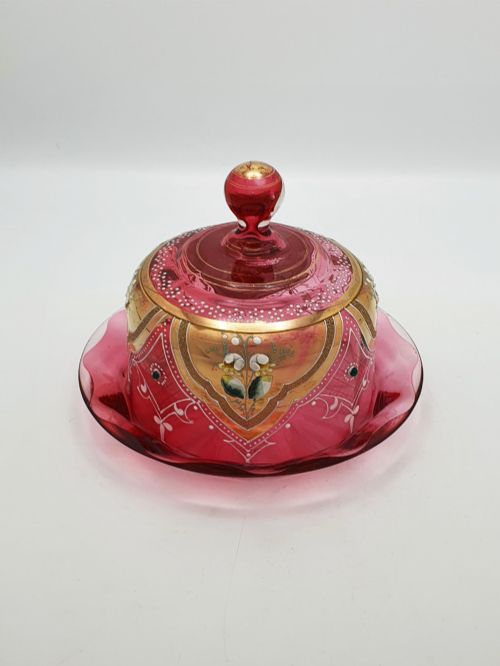
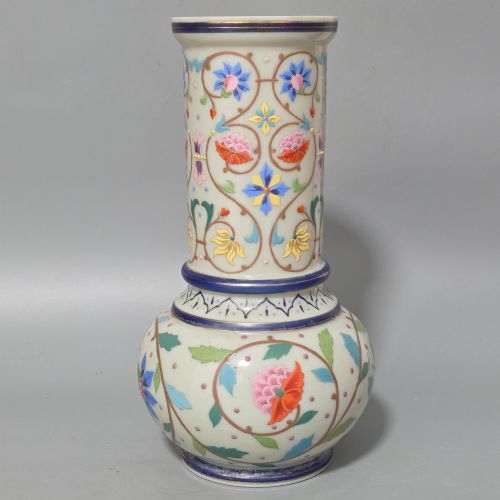
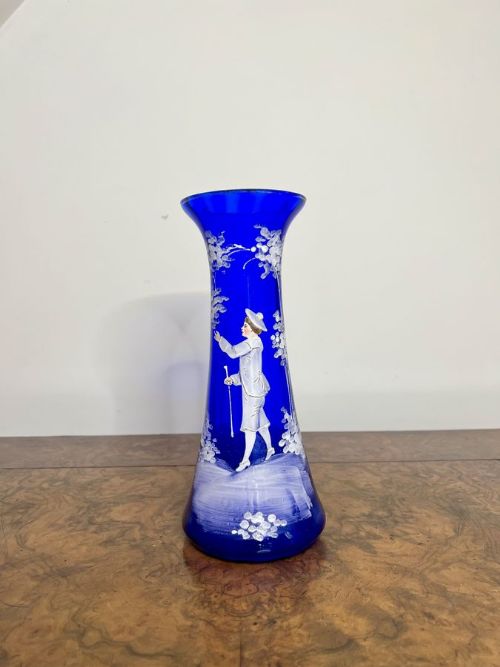
When collecting victorian enamel glass, you encounter richly coloured vessels and decorative objects painted with intricate floral or figurative designs.
Victorian Enamel Glass
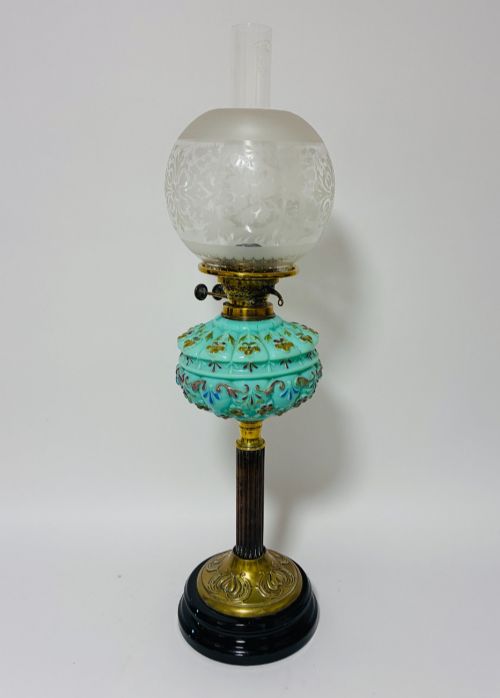
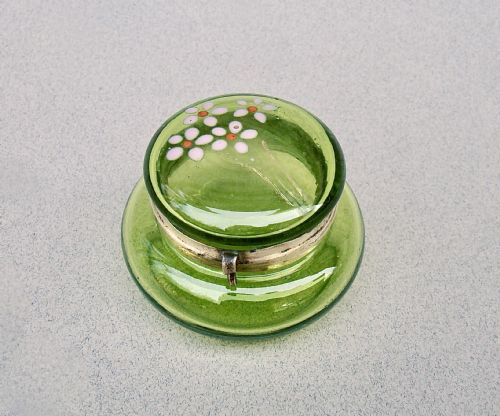
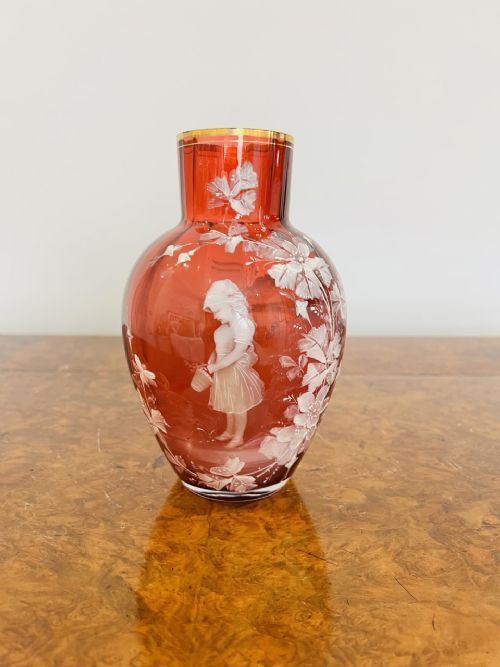
Victorian enamel glass encompasses a diverse array of decorative and functional objects produced during the nineteenth century, including vases, decanters, scent bottles, and trinket boxes. These pieces often feature coloured ground glass, such as cranberry, ruby, green, blue, and opaline, enriched with opaque enamel painting.
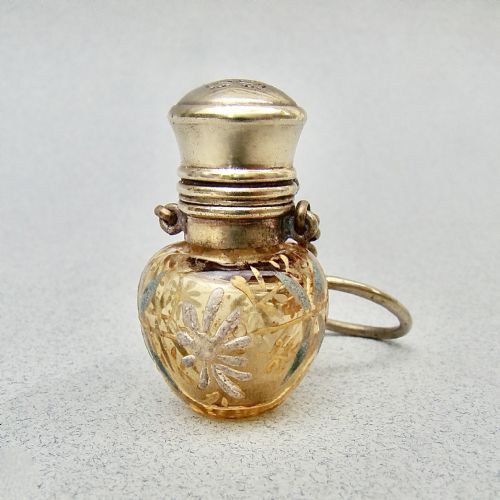
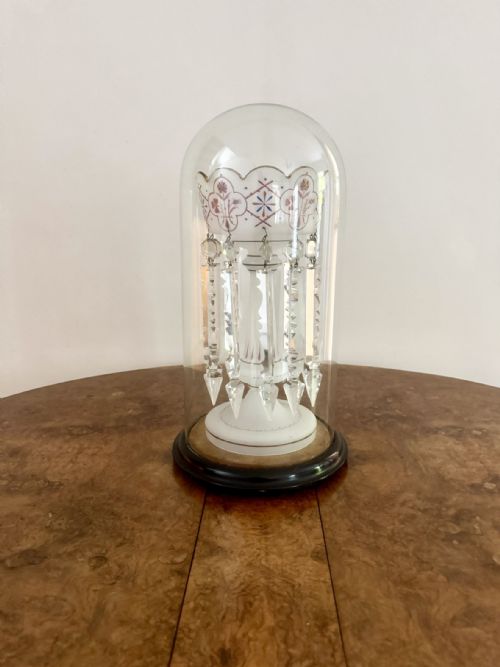
The selection ranges from small dressing table jars and scent bottles mounted in silver to large mantle lustres and wine jugs. Many examples reflect domestic utility combined with aesthetic display, frequently originating from English, French, and Bohemian makers.
Materials and technique
The foundation of these objects is hand-blown or pressed glass, often coloured with metallic oxides to achieve deep hues like cranberry, cobalt blue, or emerald green. Molten glass was manipulated into vessels before being decorated with mineral-based enamel pigments applied by brush.
Makers frequently enhanced the enamelled surfaces with applied gold leaf, gilding, or metal mounts in brass, ormolu, and silver. Firing fixed the vitreous enamel permanently to the glass body, creating a durable and tactile raised decoration.
The archive listings demonstrate a strong presence of nineteenth-century French and English production, featuring silver-mounted scent bottles alongside coloured glass trinket boxes and lustres.
What separates the best from the rest
Quality in these glass objects is determined by the precision and artistic merit of the enamel painting, alongside the weight and clarity of the glass itself. Finely executed floral motifs, crisp gilding, and detailed figural scenes elevate a piece above standard production wares.
The integration of precious metal mounts, such as hallmarked silver or finely chased ormolu collars and lids, further distinguishes superior examples. Pieces signed by notable glasshouses or incorporating complex overlay techniques command greater attention from collectors.
James Fenton·J Grinsell and Sons·Mappin and Webb·Sanders and Aguilar·Charles May·Levi and Salaman·Moser·Thomas Webb·Lobmeyer·Harrach·Delépine-Barrois
The Victorian Enamel Glass Glossary
- Cranberry glass
- A rich red transparent glass coloured with gold chloride. It is widely seen in Victorian decanters, vases, and jugs.
- Mantle lustres
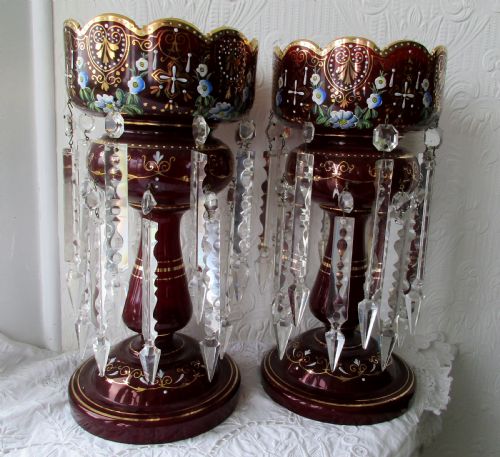
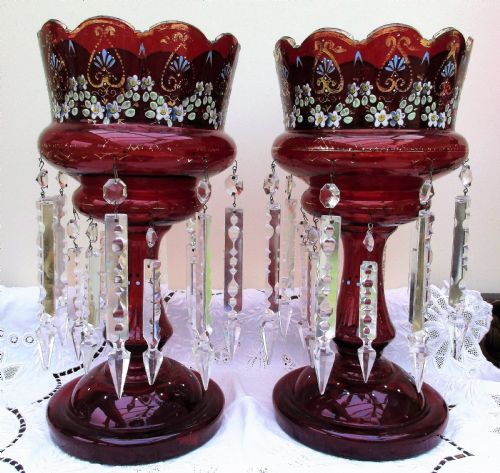
- Decorative mantelpiece ornaments featuring a central vase hung with cut glass prisms. They are frequently found in pairs.
- Enamel
- Opaque glass paste applied to a glass surface and fired. This technique creates raised, colourful designs.
- Chatelaine scent bottle
- A small perfume flask fitted with a chain or hook. Ladies suspended these from a belt accessory during the nineteenth century.
- Opaline glass
- An opaque, pale pastel glass developed in France. It often mimics the appearance of porcelain while retaining a soft translucency.
Victorian Enamel Glass: Frequently Asked Questions
How do I clean enamelled glass?
Wash these fragile pieces gently in lukewarm water using mild soap and a soft cloth. Avoid soaking silver mounts or scrubbing gilded and enamelled surfaces.
Dry them immediately with a lint-free towel to protect the historic glass body and any metallic additions from moisture damage.
Were scent bottles used daily?
Victorian ladies carried scent bottles on chatelaines or kept them on dressing tables for daily personal use. They held smelling salts or perfumes to counter unpleasant odours or fainting spells.
Finer silver-mounted examples served as fashionable accessories during social calls and evening outings.
How can I date these items?
Examine the object for silver hallmarks, which provide precise assay office letters and dates. Stylistic clues such as Aesthetic Movement motifs or registration marks also help narrow the production era.
Manufacturing techniques like pontil marks on the base indicate older hand-blown methods typical of the nineteenth century.
Where were these pieces made?
Production centres spanned England, France, and Bohemia, each region exhibiting distinct aesthetic preferences. English makers often favored cranberry glass and silver mounts, while continental workshops produced elaborate opaline and overlay pieces.
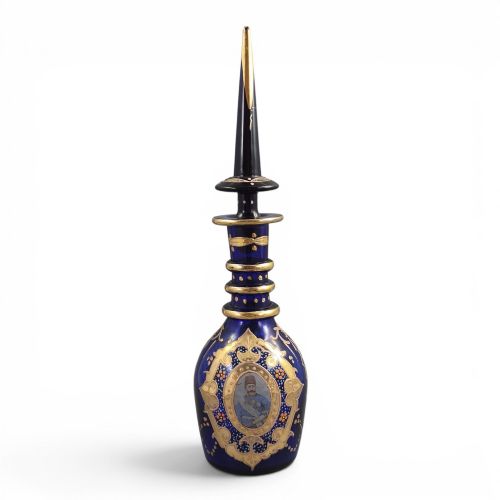
Export markets also influenced designs, creating specific wares for Persian and European buyers.