

Victorian Edwardian Mirror
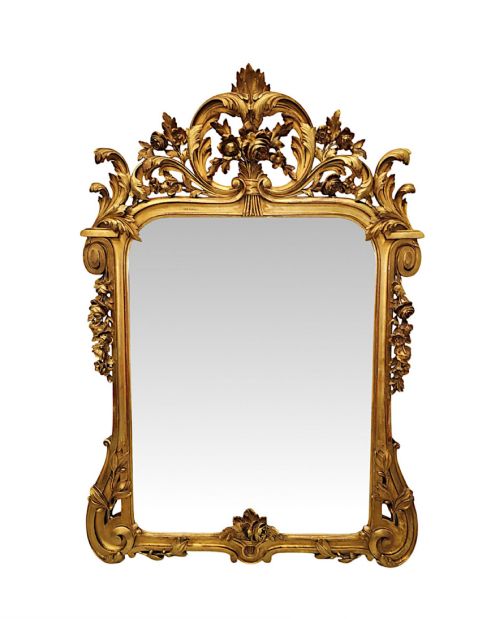
These pieces gather under the heading victorian edwardian mirror, bringing together wall hung, cheval, and overmantel forms that reflect late nineteenth and early twentieth century domestic life.
Victorian Edwardian Mirror
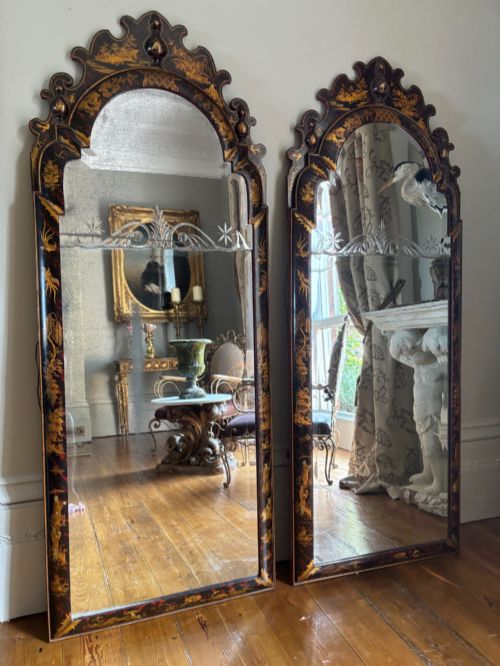
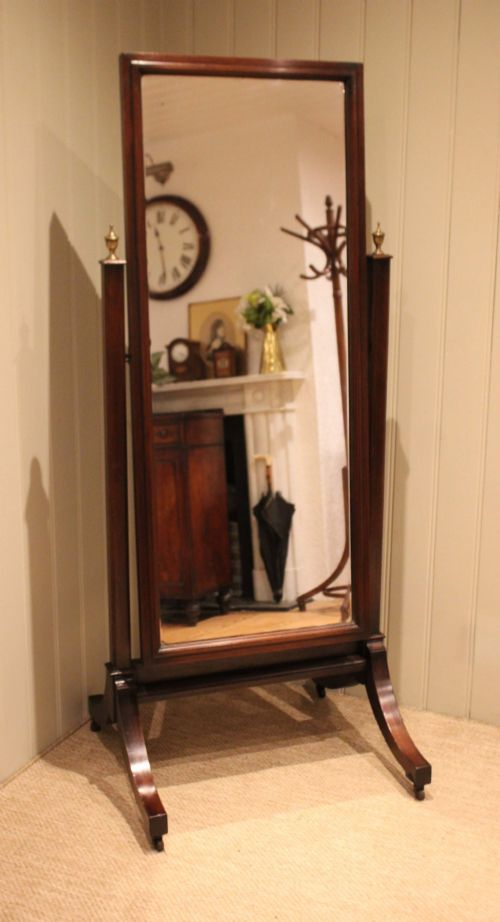
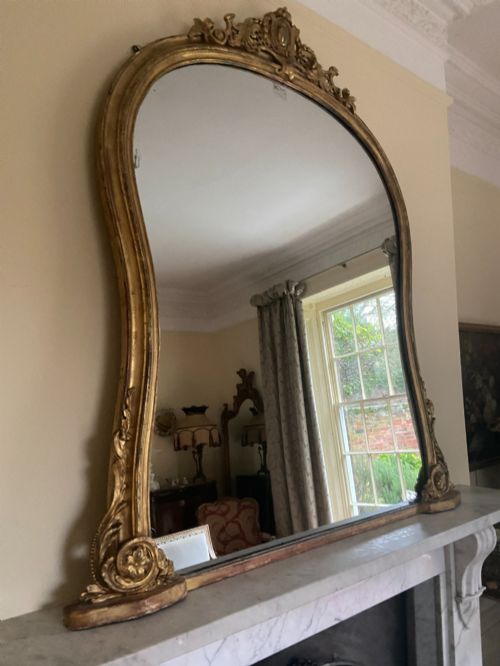
A buyer examining a victorian edwardian mirror encounters wall mirrors, overmantels, and freestanding cheval dressing glasses spanning the nineteenth and early twentieth centuries. These furnishings range from simple timber bedroom pieces to large gilt overmantels intended for principal reception rooms.
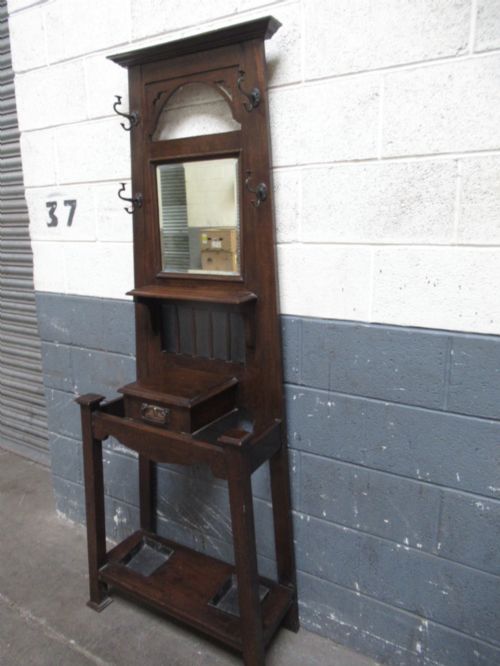
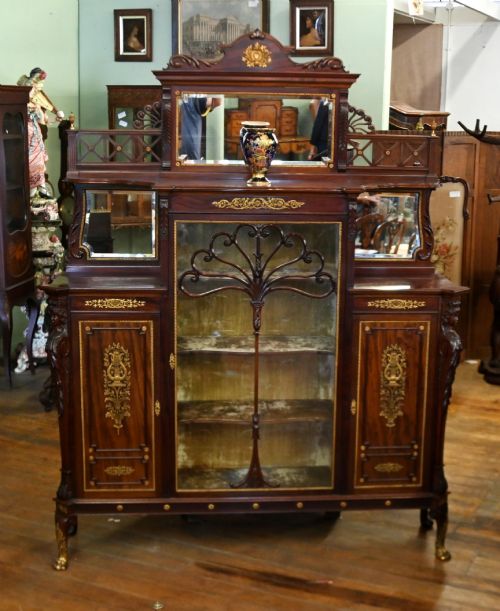
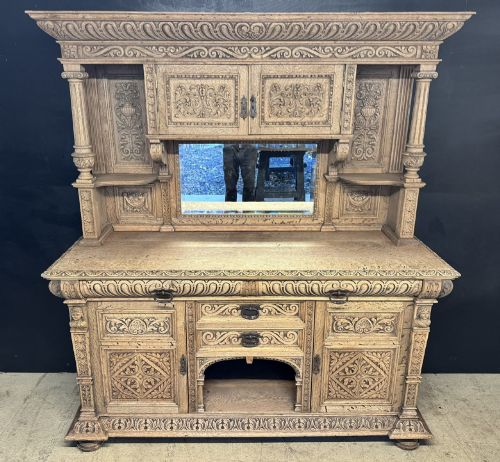
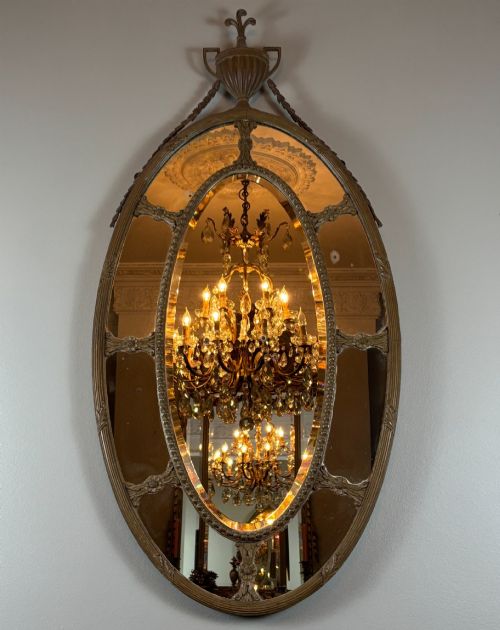
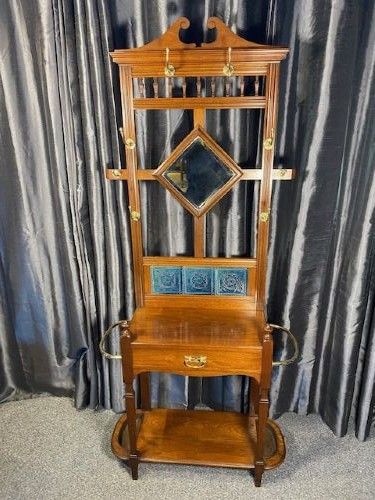
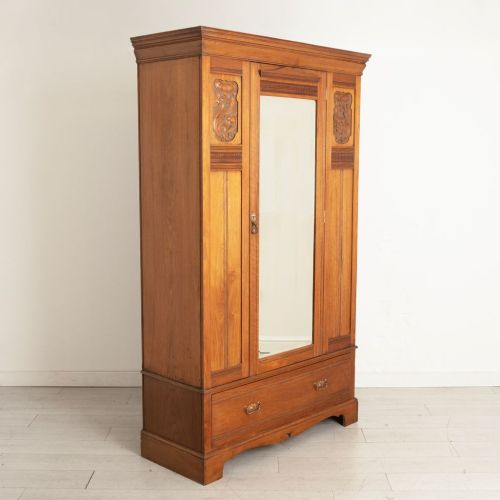
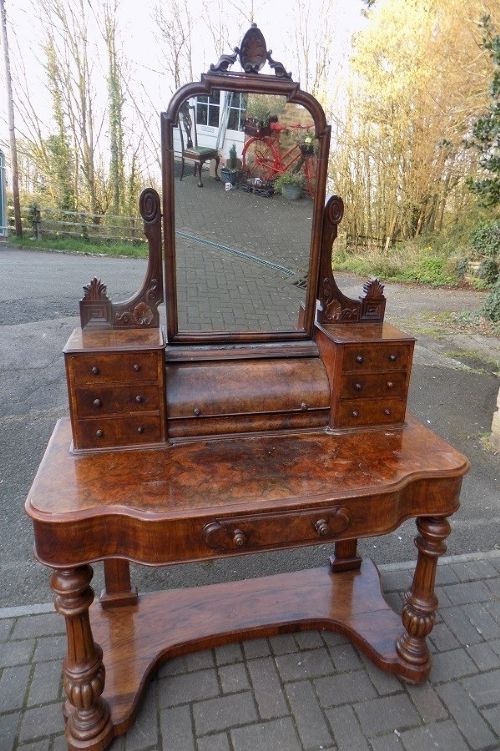
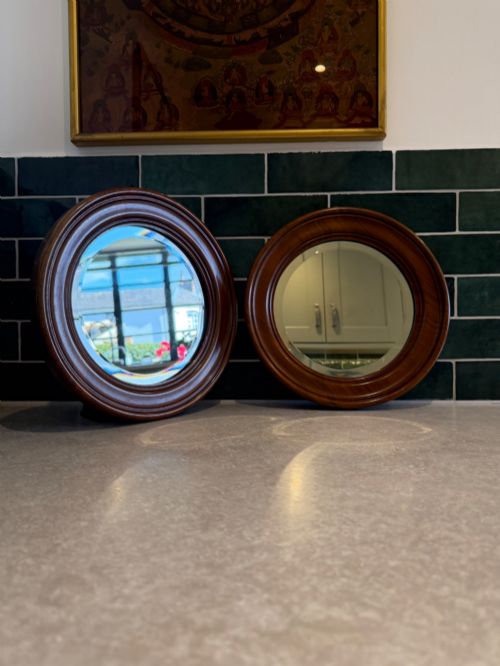
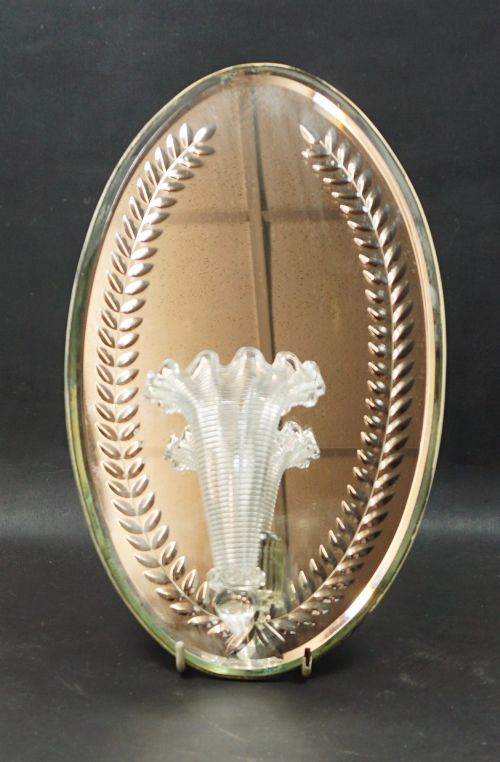
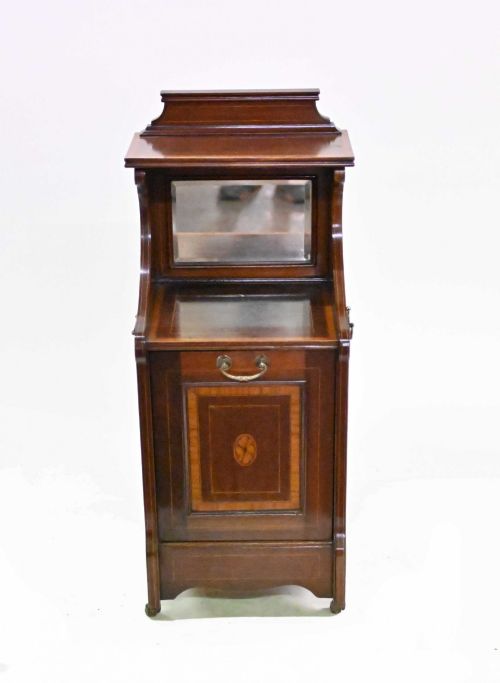
Many examples emerge within larger functional forms, integrated into hall stands, wardrobes, side cabinets, and shaving stands. Wall hanging versions appear in circular, oval, and rectangular formats utilising woods such as mahogany, walnut, and oak alongside giltwood frames.
Materials and Technique
Frames rely upon traditional cabinet timbers including mahogany, walnut, oak, and rosewood, occasionally enriched with marquetry inlay or mother of pearl. Giltwood and gesso constructions apply carved wooden or plaster ornament finished in gold leaf or metallic paint.
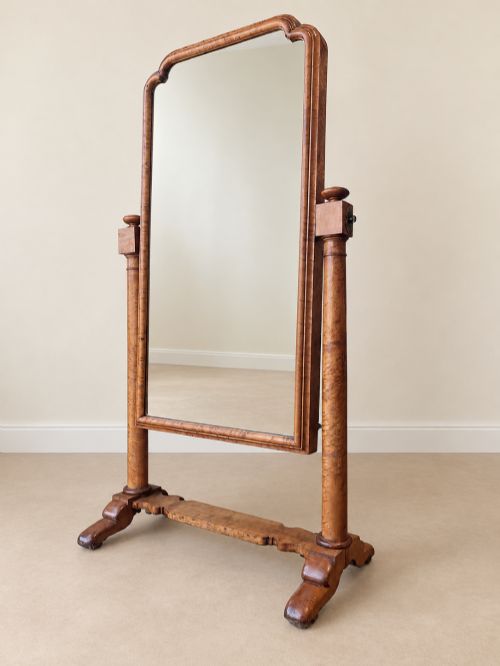
Larger glass plates sit within substantial structural surrounds, secured by wooden backs or held by pivoted brass arms in the case of cheval dressing mirrors. Decorative variants adopt styles such as Arts and Crafts, Art Nouveau, and Aesthetic Movement, combining structural joinery with surface carving.
Victorian Edwardian Mirror Retail Price Guide 2026
Typical asking prices for victorian edwardian mirror among the pieces listed under this phrase on Sellingantiques today, from the lower quarter to the upper quarter. They describe what is for sale here now, not the wider market.
Several mirrors double as secretive companions, hiding inside hall stands, wardrobes, and shaving stands ready to catch an unsuspecting glance.
Distinctions in Execution
Differentiation across the range rests upon the depth of the carving, the crispness of the gesso moulding, and the selection of cabinet timbers. Superior examples display refined proportions and hand-carved ornament rather than applied mass-produced composition details.
The integration of mirrors into larger furniture items, such as hall stands or wardrobes, reveals the maker's hand through precise wood selection, careful inlay work, and robust framing designed to support heavy glass plates.
Shapland and Petter·Edwards and Roberts·Shoolbred and Co
The Victorian Edwardian Mirror Glossary
- Overmantel mirror
- A large horizontal mirror designed to hang above a fireplace mantelpiece, frequently featuring an arched top and ornate gilt framing.
- Cheval mirror
- A freestanding full length dressing mirror suspended on a vertical frame with pivoting side pins.
- Gesso
- A plaster based mixture applied to a wooden substrate and carved or moulded before gilding.
- Bracket mirror
- A smaller mirror designed to attach to a wall bracket or rest upon a shelf.
- Triptych
- A three panelled mirror arrangement where the smaller outer wings fold inward to angle the reflection.
Victorian Edwardian Mirror: Frequently Asked Questions
How do I identify a Victorian mirror?
Victorian mirrors often employ heavy timber frames in mahogany, walnut, or oak, alongside carved gesso and giltwood overmantels designed for nineteenth century reception rooms.
Heavier construction methods and period specific stylistic influences like the Aesthetic Movement help separate these pieces from later twentieth century reproductions.
What is a cheval mirror used for?
A cheval mirror functions as a freestanding full length dressing glass, allowing users to view their entire outfit.
Pivoting brass pins permit the glass plate to tilt within its vertical floor standing frame.
Where were overmantel mirrors placed?
Overmantel mirrors sat directly above the fireplace mantelpiece in principal rooms, anchored to the wall to reflect light from windows and chandeliers.
Their substantial width matched the proportions of Victorian and Edwardian hearths.
How do Edwardian mirrors differ?
Edwardian mirrors tend to reflect lighter decorative tastes, utilising simpler blonde oak, maple frames, or delicate faux bamboo finishes.
These pieces often accompany bedroom furniture sets or smaller hall stands from the early nineteen hundreds.