



Victorian Ebonised Wood Box
These victorian ebonised wood box examples combine dark timber finishes with intricate ornamentation, offering collectors a striking blend of nineteenth-century craftsmanship and utility.
Victorian Ebonised Wood Box
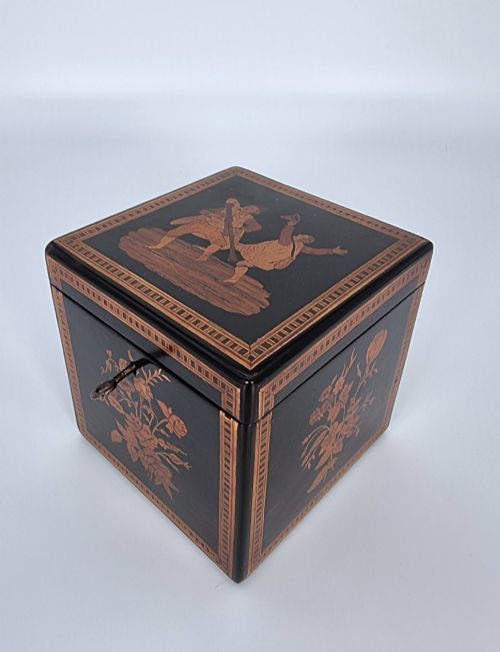
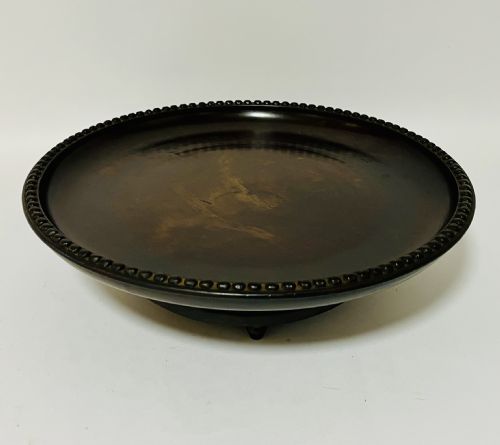
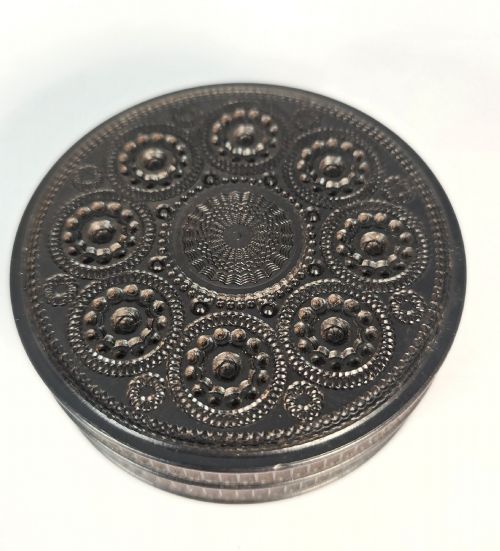
A victorian ebonised wood box represents a dark-finished timber container from the nineteenth century, often enhanced with contrasting inlay or mounted details. The selection here spans varied functional objects including music boxes and snuff boxes.
Most examples originate from the Victorian period or later nineteenth century, though related items stretch from mid-century Italian grand tour pieces to Edwardian items. Buyers encounter forms ranging from simple lidded caskets to intricate musical and display boxes.
The objects frequently utilise ebonised wood or solid ebony alongside brass, glass, and walnut. Regional variations appear in styles such as Italian Grand Tour, Swiss Folk Art, and Anglo-Indian work.
How they were made
Maker techniques rely on darkening timber to imitate costly ebony, complemented by engine turning or delicate marquetry. Artisans mounted materials like pietra dura and porcupine quill directly into the wooden surfaces.
Internal mechanisms in musical variations combine brass pins and combs fitted neatly into wooden casings. Glass and feathers also feature in specialised taxidermy display pieces linked to the era.
Victorian Ebonised Wood Box Retail Price Guide 2026
Typical asking prices for victorian ebonised wood box among the pieces listed under this phrase on Sellingantiques today, from the lower quarter to the upper quarter. They describe what is for sale here now, not the wider market.
Listings include items from the Victorian and Edwardian periods, utilising ebonised wood, ebony, walnut, and brass.
What varies in quality
Quality rests upon the precision of the ebonisation and the crispness of any engine turning or inlay work. Superior items display meticulous attention to detail in their decorative mounts and fitted interiors.
The complexity of the object dictates its standing, distinguishing simple storage containers from intricate musical or pietra dura mounted boxes. Preservation of the dark finish and applied elements remains central to the assessment.
The Victorian Ebonised Wood Box Glossary
- Ebonised wood
- Timber treated with a dark finish to resemble genuine ebony. This process was widespread in nineteenth-century cabinet making.
- Engine turned
- Geometric patterns cut mechanically onto a surface. It appears frequently on small personal items like snuff boxes.
- Pietra dura
- Inlay technique using cut and fitted polished coloured stones to create pictures. It adorns luxury Italian boxes from the period.
- Marquetry
- Artful arrangement of wood veneers to form decorative pictures or patterns. Sorrento workshops specialised in this form of ornamentation.
Victorian Ebonised Wood Box: Frequently Asked Questions
How do I care for ebonised wood boxes?
Keep these items away from direct sunlight and excessive moisture to protect the dark finish and delicate internal components. Dust gently with a dry, soft cloth.
Avoid using harsh chemical polishes or modern cleaning sprays, which can damage nineteenth-century timber treatments and applied decorative mounts.
What periods do these boxes come from?
The pieces span the nineteenth century, with a strong representation from the Victorian era and mid-century Italian grand tour workshops. Some items extend into the Edwardian period and the early twentieth century.
Identifying the era involves examining construction methods, hinge styles, and the specific decorative motifs popular during those decades.
Were these boxes used for music?
Certain examples function as musical boxes, housing brass pins and tuned combs that play melodies when opened or wound. These combine cabinetry with mechanical ingenuity.
Other boxes served purely for storage, holding personal items like snuff, keys, or writing accessories rather than musical movements.
What materials are combined with the wood?
Craftsmen incorporated brass hardware, glass panels, and contrasting stones such as pietra dura into the dark wooden frames. Porcupine quill also appears on specific regional pieces.
These varied additions distinguished utilitarian containers from decorative objects designed for display in nineteenth-century interiors.