

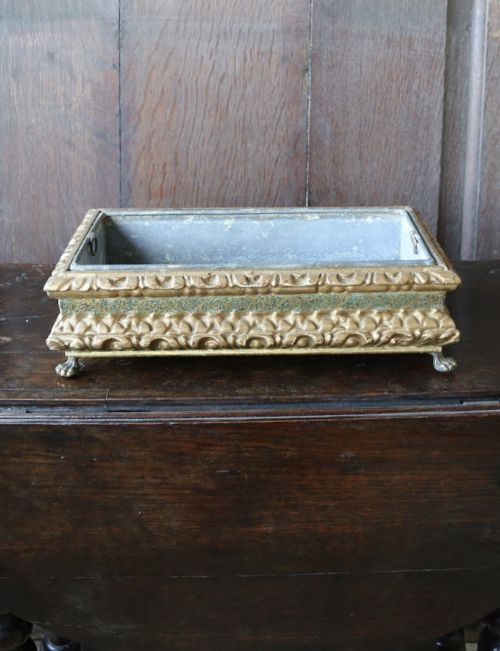


Antique Italian Table Box
An antique italian table box brings centuries of craftsmanship straight to your surface, offering a handsome place to store personal treasures.
Antique Italian Table Box
When you search for an antique italian table box, you encounter a varied selection of decorative caskets, keepsake cases, and table cabinets originating from Italy across several centuries. The pieces on this page span from the seventeenth century through to the mid-twentieth century, showcasing rich regional traditions.
You are most likely to meet nineteenth-century examples, particularly Victorian and Edwardian interpretations featuring porcelain, lacquered surfaces, or intricate wood inlays. These objects served functional roles in period homes as repositories for trinkets, jewellery, or writing accessories.
The assortment includes specialised forms such as Sorrento ware folding travel mirrors and Capodimonte porcelain caskets mounted in metal. Each item reflects the aesthetic preferences of its era, moving through Baroque, Rococo Revival, and Renaissance revival styles.
Materials and construction methods
Cabinet makers utilised a variety of woods including walnut, ebony, oak, olive wood, and fruitwood, frequently employing bone inlay and pietra dura panels to embellish surfaces. Carved gilt wood and brass mounts provide structural framing and decorative contrast on seventeenth-century and nineteenth-century examples.
Ceramic artistry appears prominently through Capodimonte porcelain plaques and sculptural bodies integrated into casket designs. Enamel work and lacquer finishes complete the decorative vocabulary seen across the collection, requiring specialist skill in both application and polishing.
Antique Italian Table Box Retail Price Guide 2026
Typical asking prices for italian table box among the pieces listed under this phrase on Sellingantiques today, from the lower quarter to the upper quarter. They describe what is for sale here now, not the wider market.
Materials documented in these listings include porcelain, brass, enamel, lacquer, walnut, ebony, gilt wood, and zinc.
Assessing quality and execution
The standard of an antique italian table box rests on the precision of its assembly and the integrity of its decorative medium. Finely executed bone inlay, tightly fitted wood marquetry, and deeply carved gilt wood separate ambitious artisan work from simpler commercial output.
The sophistication of the mounting hardware and the quality of painted porcelain plaques influence the overall character of the piece. Well-preserved lacquer and intact interior linings indicate how carefully an object has been maintained through successive ownership.
The Antique Italian Table Box Glossary
- Pietra dura
- A method of inlaying cut and fitted polished coloured stones to form pictures or geometric designs. This technique appears on nineteenth-century ebonised wood boxes.
- Sorrento ware
- Woodwork decorated with micro-mosaic inlay and marquetry, originating from the town of Sorrento in southern Italy. It is commonly associated with olive wood travel items and boxes.
- Capodimonte porcelain
- Soft-paste porcelain originating from the factory established in Naples by King Charles VII. Pieces are often highly sculptural and detailed with relief figures.
- Table cabinet
- A small, portable cabinet designed to sit on a desk or table for storing valuables. Seventeenth-century examples often utilise ebony and walnut.
- Gilt wood
- Wood that has been treated with a thin layer of gold leaf or gold paint. Carved wooden frames and boxes frequently employ this finish for decorative emphasis.
Antique Italian Table Box: Frequently Asked Questions
What were antique italian table boxes used for?
These boxes served primarily as secure receptacles for holding personal valuables, letters, or jewellery on dressing tables and desks.
Over time, wealthier households utilised them as decorative display objects in reception rooms to showcase fine craftsmanship and material wealth.
How do I identify a Sorrento ware box?
Sorrento pieces are typically recognised by their distinct olive wood construction and intricate mosaic wood inlay depicting local scenes or geometric patterns.
They frequently take the form of folding travel mirrors, keepsake cases, and small writing desks produced in the Campania region.
What is Capodimonte porcelain on a box?
Capodimonte porcelain elements on a casket usually appear as relief-moulded plaques or figurative porcelain bodies integrated directly into the metal or wooden framework.
These ceramic sections are often hand-painted with classical or pastoral scenes characteristic of Neapolitan porcelain production.
How should I care for an ebony table box?
Ebony and walnut surfaces benefit from stable room humidity and protection from direct sunlight to prevent wood movement or cracking.
Occasional dusting with a soft, dry cloth maintains the polish without the need for modern silicone polishes that can damage historic finishes.