
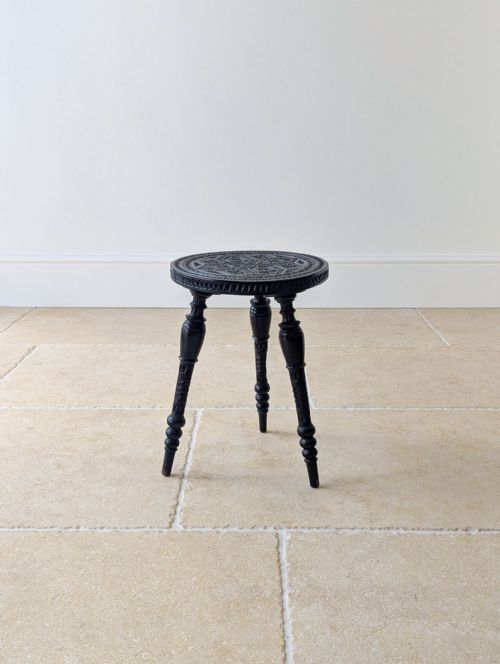
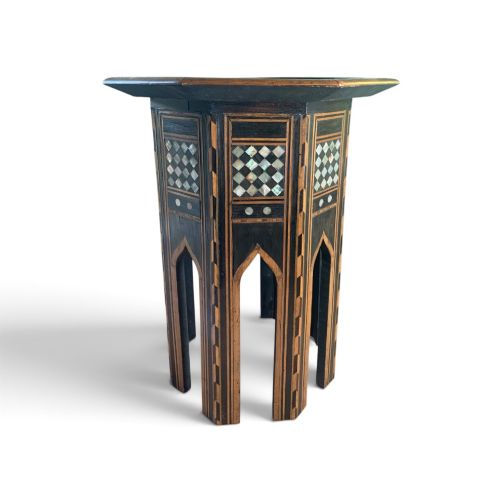
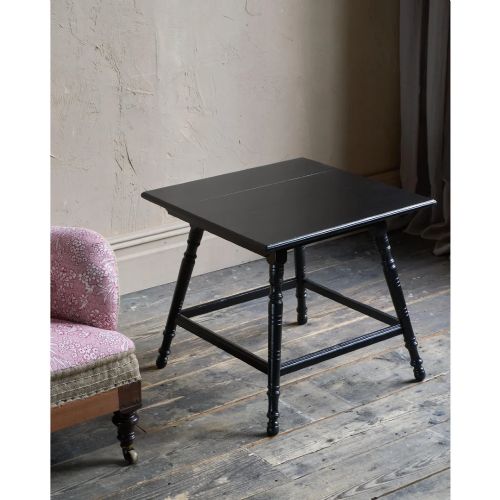
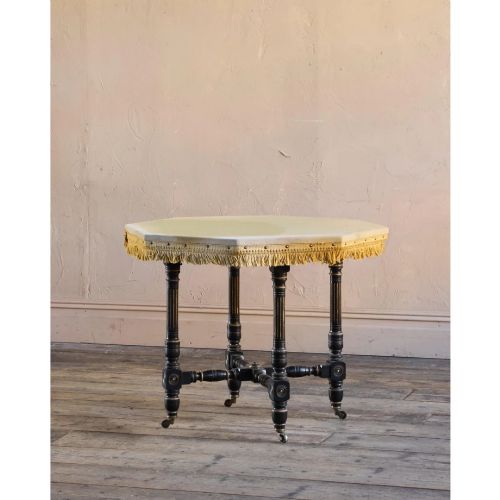

Victorian Ebonised Occasional Table
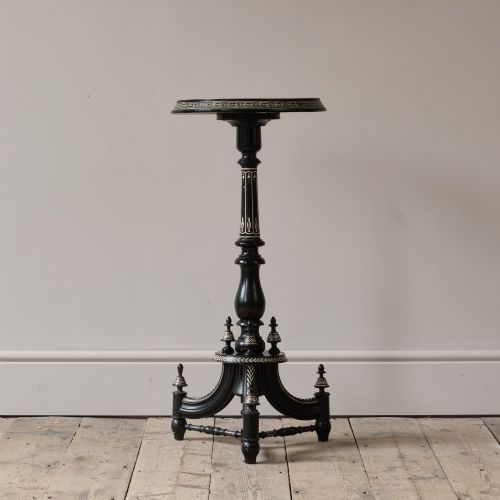
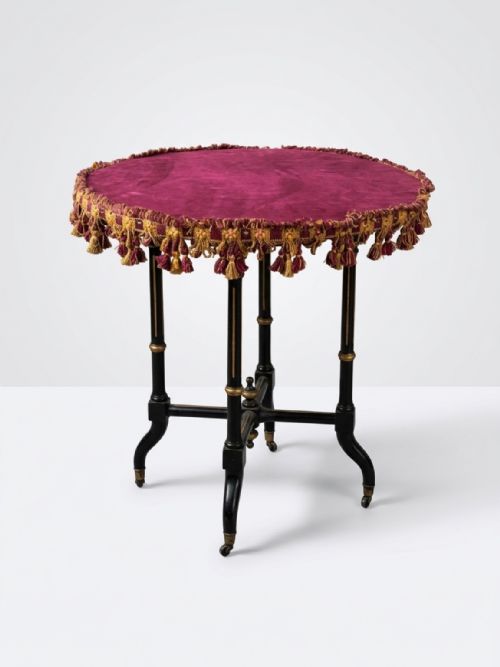
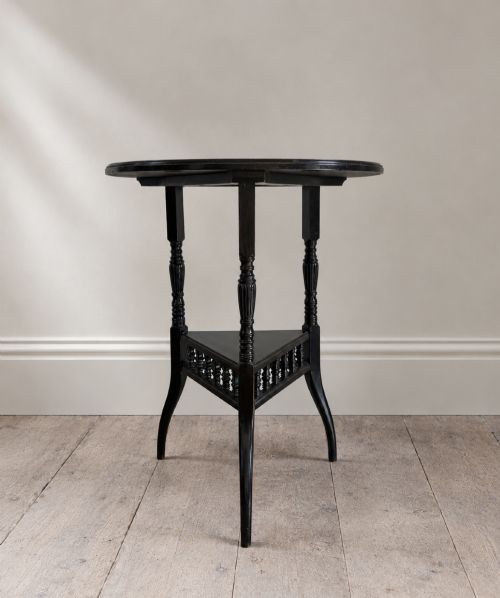
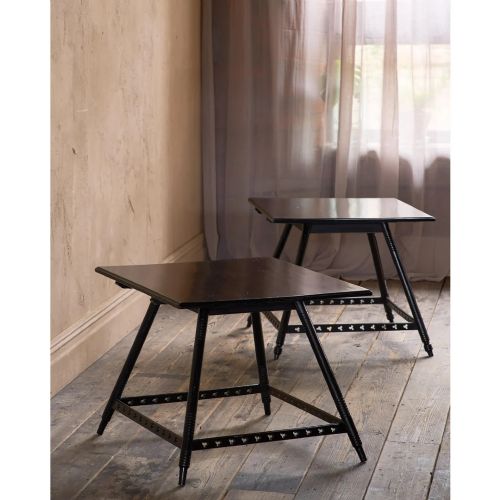
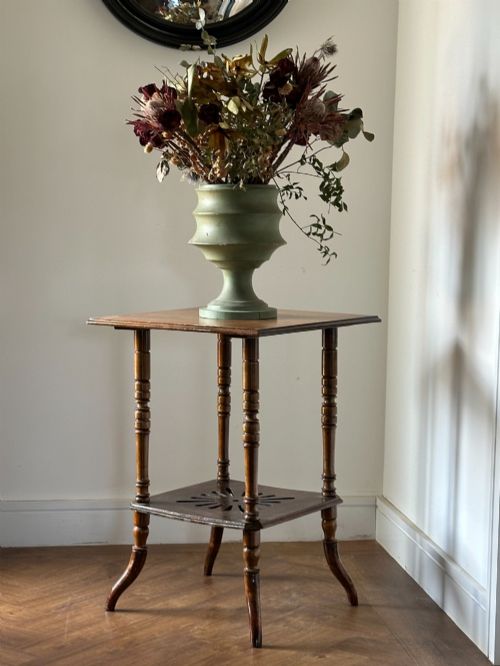
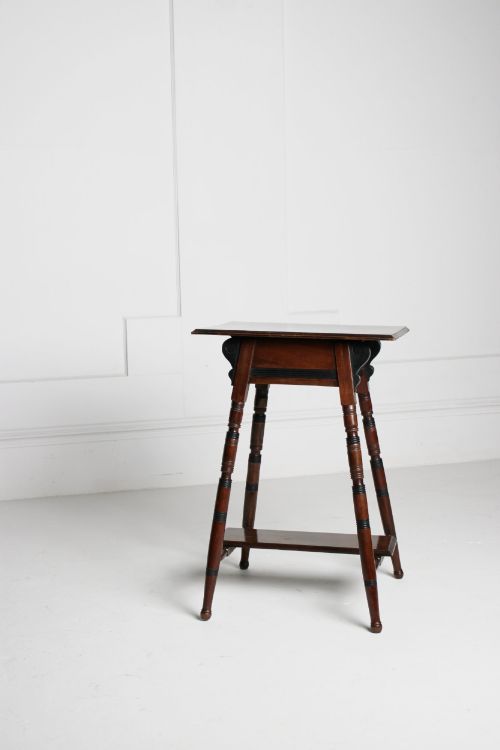
These pieces are a victorian ebonised occasional table, designed for flexible placement in domestic interiors and prized for their dark, dramatic finish.
Victorian Ebonised Occasional Table
A victorian ebonised occasional table is a small, portable furnishing created during the nineteenth century to serve multiple domestic functions in drawing rooms and parlours. These tables appear in forms ranging from simple side and lamp tables to elaborate centre and games tables.
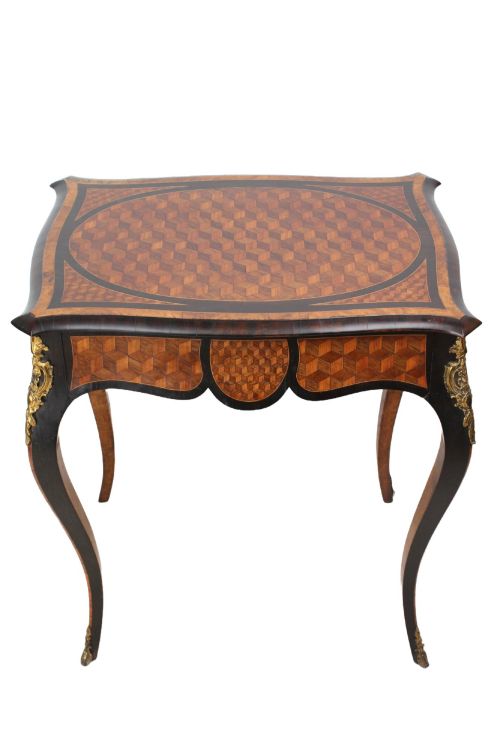
The selections encountered here reflect diverse design influences, including the Aesthetic Movement, Moorish Revival, and Louis XV Revival. Makers embraced dark wood surfaces to evoke imported Japanese aesthetics or classical European elegance.
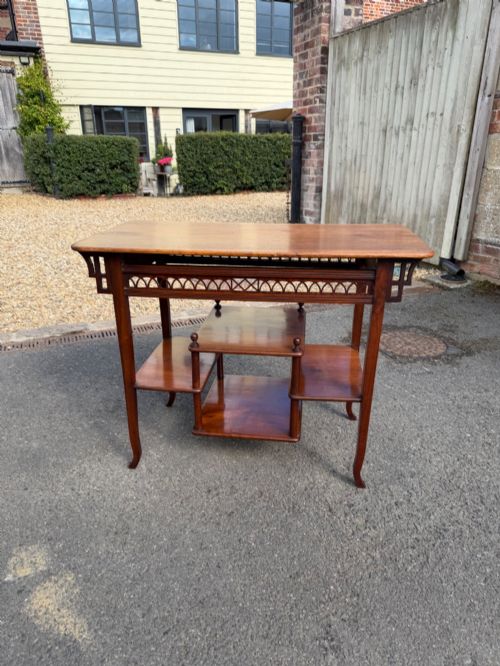
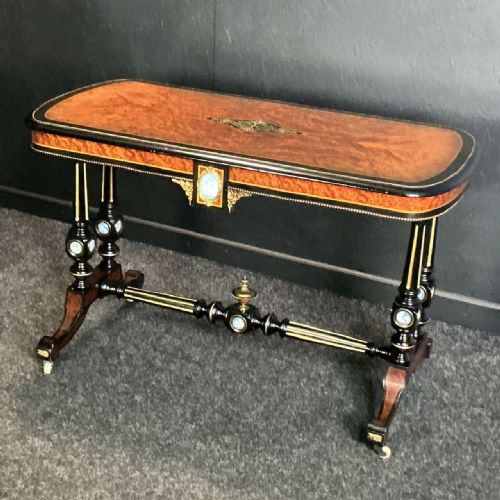
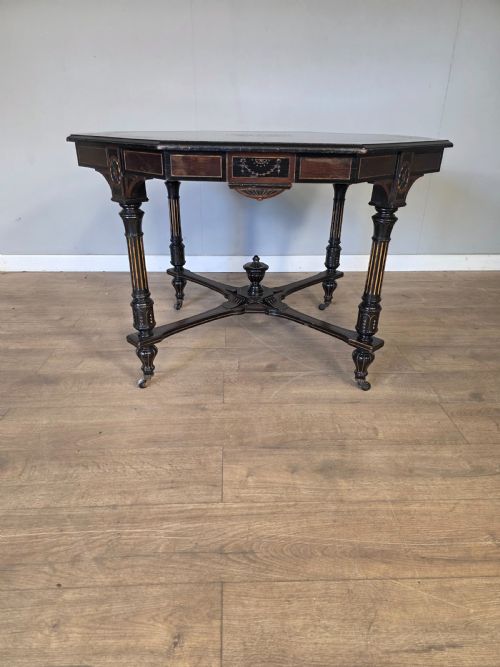
Octagonal, rectangular, and round tops dominate the surviving inventory, often supported by turned pedestals or folding tripod bases. Many incorporate secondary tiers or clever folding mechanisms designed for compact spaces.
How They Were Made
Construction relied upon dense timbers such as hardwood, walnut, and amboyna, which were subsequently stained, painted, or polished to achieve a solid black ebonised surface. This intense dark finish provided a high-contrast background for decorative detailing.
Cabinetmakers applied brass mounts, bone inlays, parquetry, and hand-painted motifs to enrich the stark dark frames. Some examples integrate gilt highlights, burr walnut veneers, or papier-mâché components to create texture and visual depth.
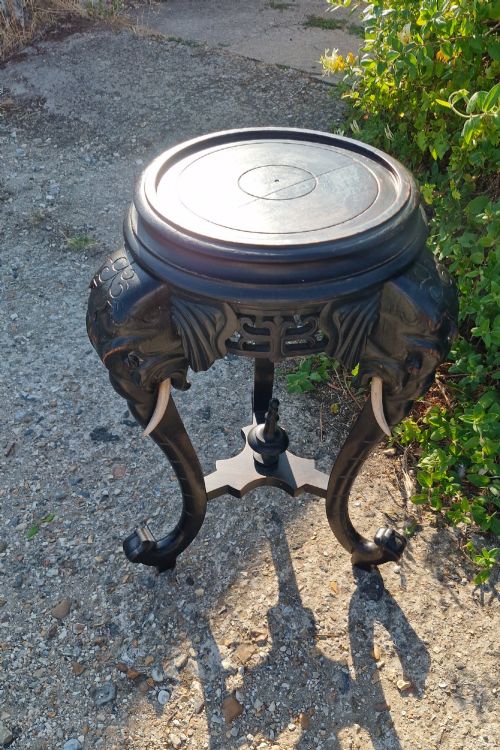
Several Victorian tables feature painted wooden elephant tusks, reflecting nineteenth-century curiosity for global ornamentation.
What Varies in Quality
The distinction between standard commercial output and superior work rests on the crispness of chip-carved detailing and the precision of inlaid bone or contrasting wood veneers. Finer examples display meticulous joinery that ensures structural stability without heavy bracing.
Surface finish application also determines grade, with superior pieces maintaining a deep, even ebonisation that respects the grain beneath rather than masking it with opaque paint. The integration of secondary materials, such as solid brass hardware or hand-painted ornamentation, elevates the status of the piece.
JAS Shoolbred·Edward’s And Robert’s·Hindley and Sons·Druce & Co London·Liberty & Co·Bertram & Son
The Victorian Ebonised Occasional Table Glossary
- Ebonised
- Wood treated with stain, dye, or paint to imitate expensive ebony. This dark finish became immensely popular during the nineteenth century for furniture influenced by Asian design.
- Aesthetic Movement
- A late nineteenth-century design current emphasising beauty and art for art's sake rather than narrative or moral function. Pieces in this style often utilise ebonised surfaces and simplified structural lines.
- Parquetry
- Geometric mosaic woodwork used for decorative surface patterns on tabletops. Artisans arranged contrasting wood veneers like walnut and amboyna to form crisp visual motifs.
- Etagere
- A small set of open shelves designed for displaying ornaments or holding books. These multi-tiered occasional tables maximise display space within compact footprints.
Victorian Ebonised Occasional Table: Frequently Asked Questions
What is an ebonised occasional table?
These versatile small tables were produced during the Victorian era to serve as movable stands for lamps, books, or decorative objects. Their dark finishes allowed them to complement varied interior decorative schemes.
Craftsmen utilised various timbers treated to resemble ebony, frequently incorporating influences from the Aesthetic Movement or Moorish design traditions.
How do I identify an Aesthetic Movement table?
Aesthetic Movement examples typically feature ebonised wood frames, clean geometric lines, and sometimes Japanese-inspired motifs or bamboo-turned legs. They prioritize minimalist structural elegance over heavy ornamentation.
Many of these pieces incorporate contrasting details such as gold highlights, inlaid panels, or dual tiers designed for practical modern living.
Where were these tables used originally?
Victorian households placed these portable surfaces in drawing rooms, parlors, and bedchambers where flexibility was required. They functioned easily as lamp stands, card tables, or display ledges for ceramics.
Their compact scale allowed servants or residents to move them about the room as social activities shifted throughout the day.
Are these tables sturdy enough for daily use?
Nineteenth-century cabinetmakers built these furnishings using dense hardwoods and sturdy joinery designed to support everyday objects like heavy oil lamps and books. Their continued survival attests to their durable initial construction.
Care should be taken with folding mechanisms or delicate inlaid surfaces, but standard occasional tables remain robust enough for contemporary functional placement.