

Victorian Earthenware Portrait Figure
A victorian earthenware portrait figure captures monarchs, statesmen, and literary characters in ceramic form, offering a tangible link to nineteenth-century popular culture.
Victorian Earthenware Portrait Figure
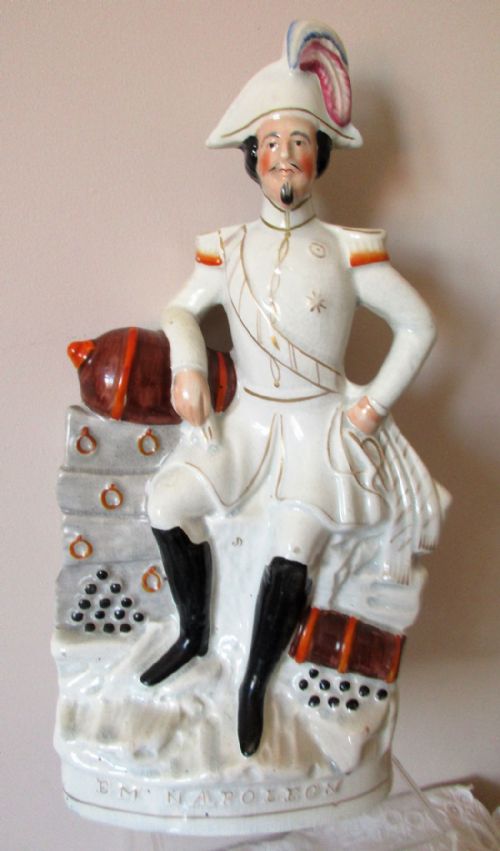
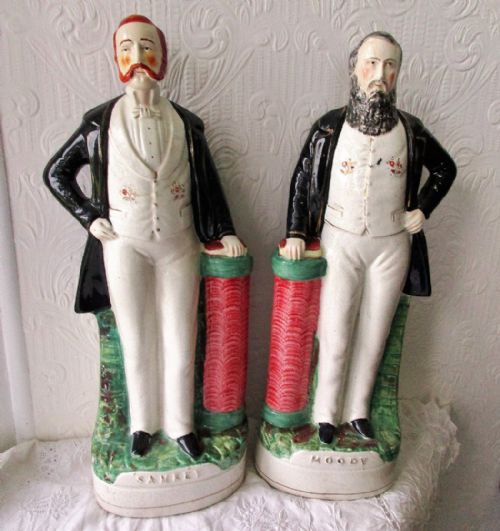
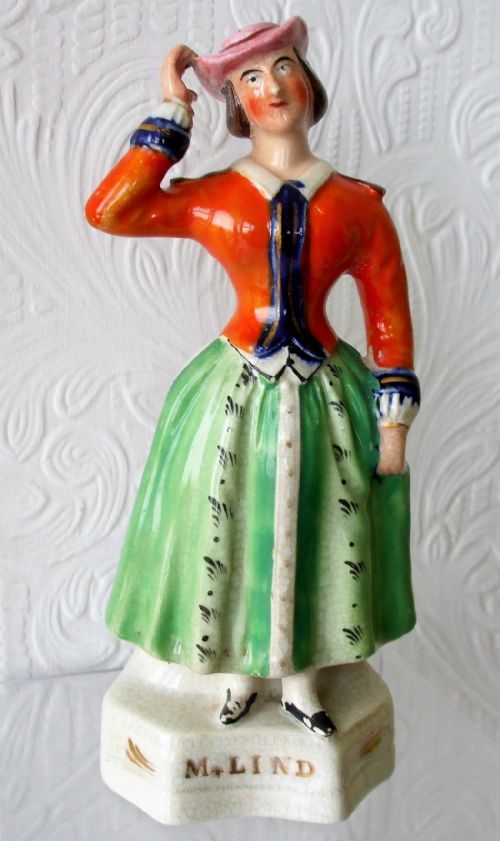
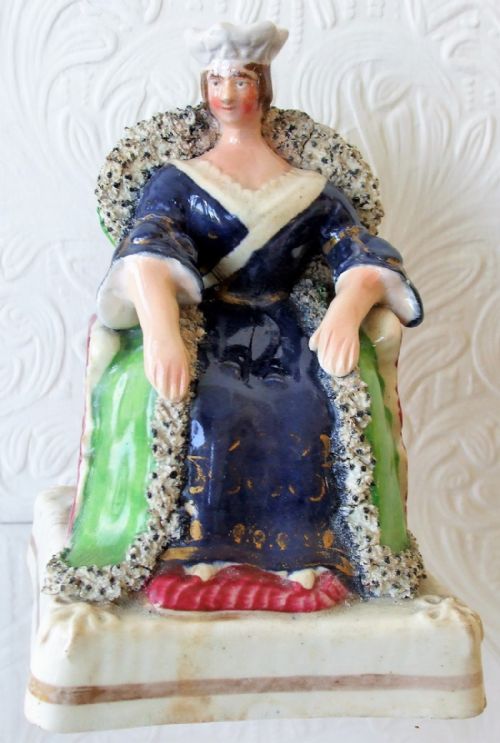
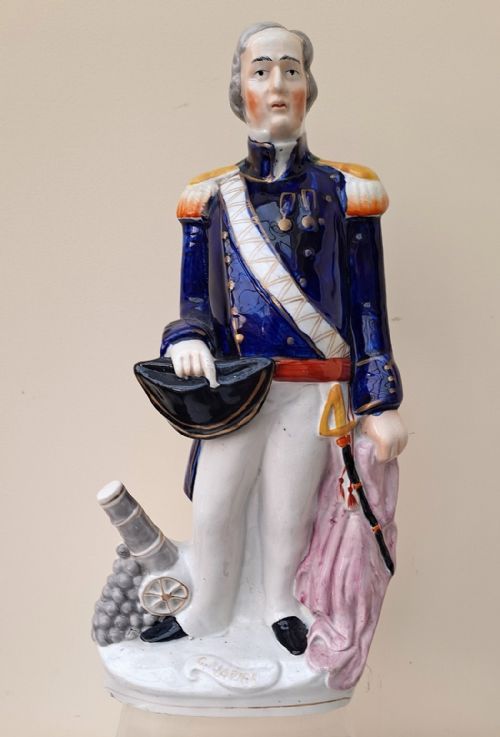
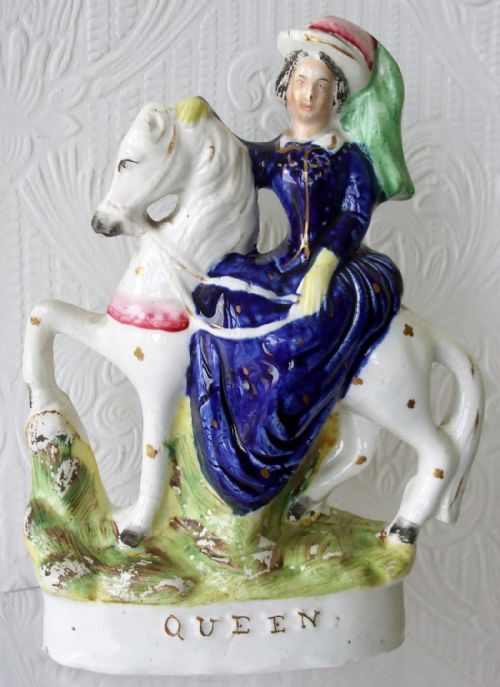
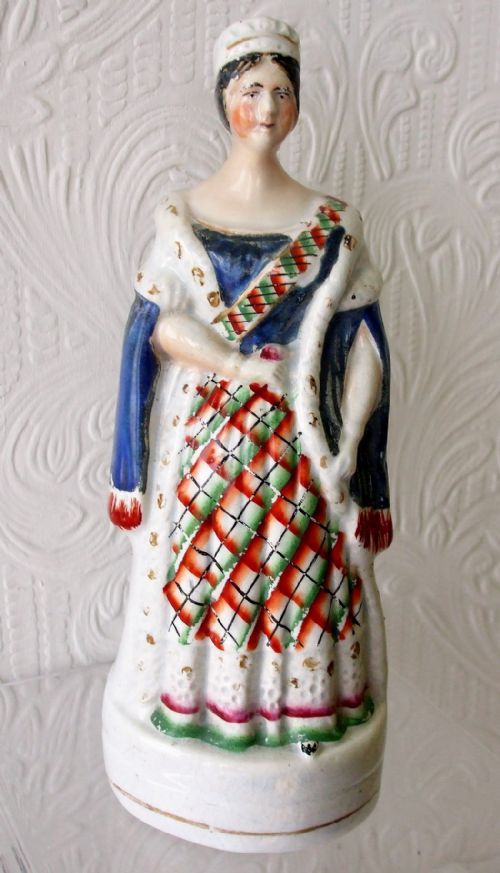
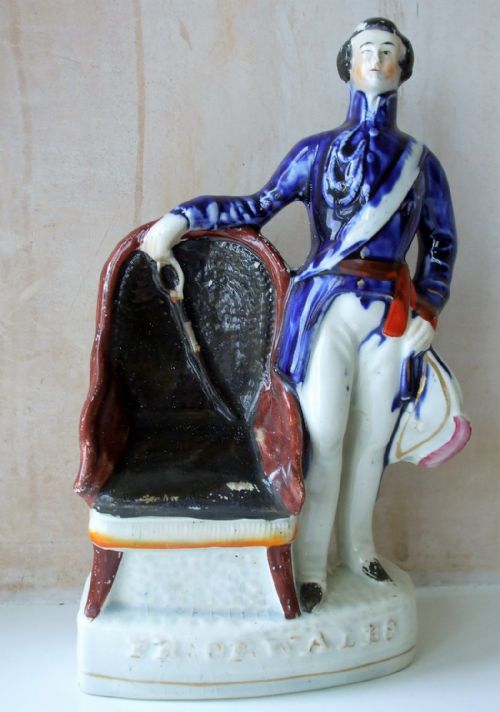
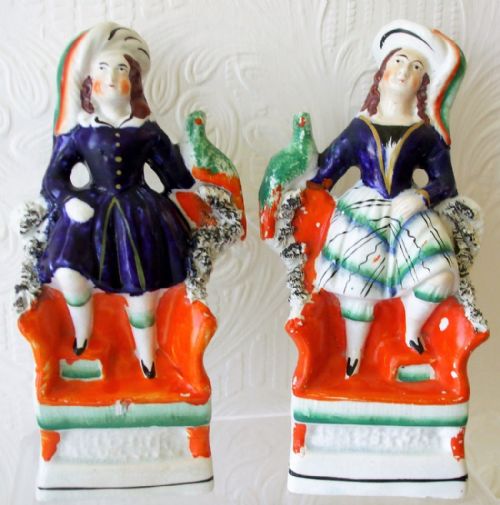
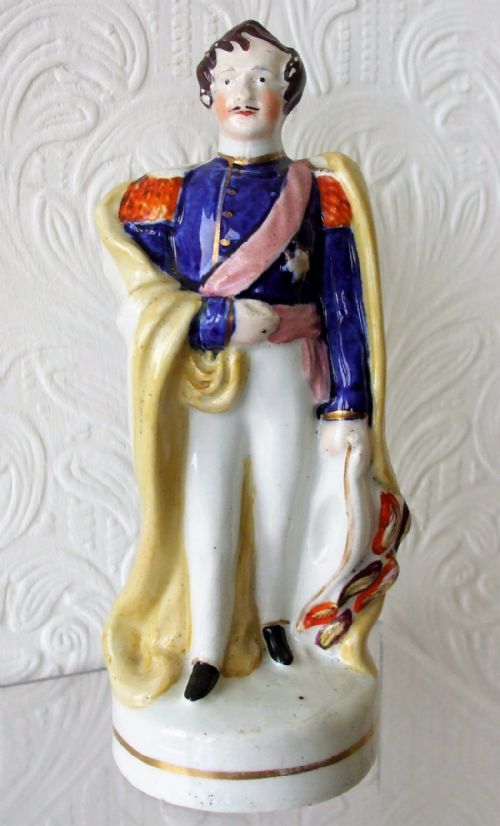
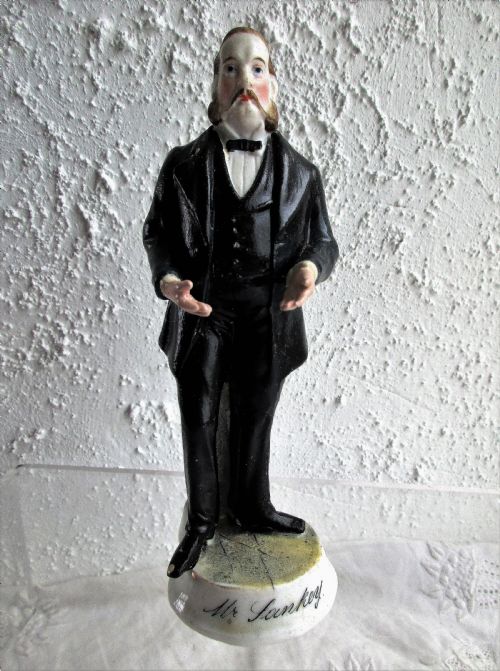
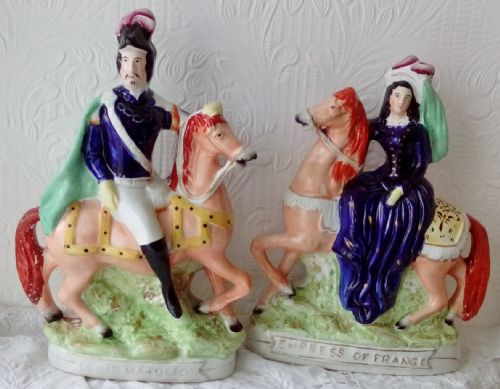
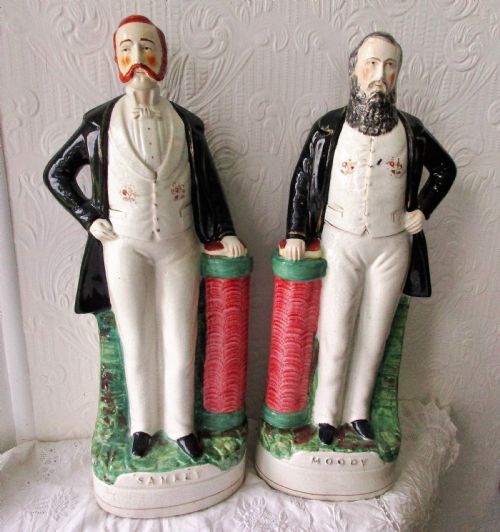
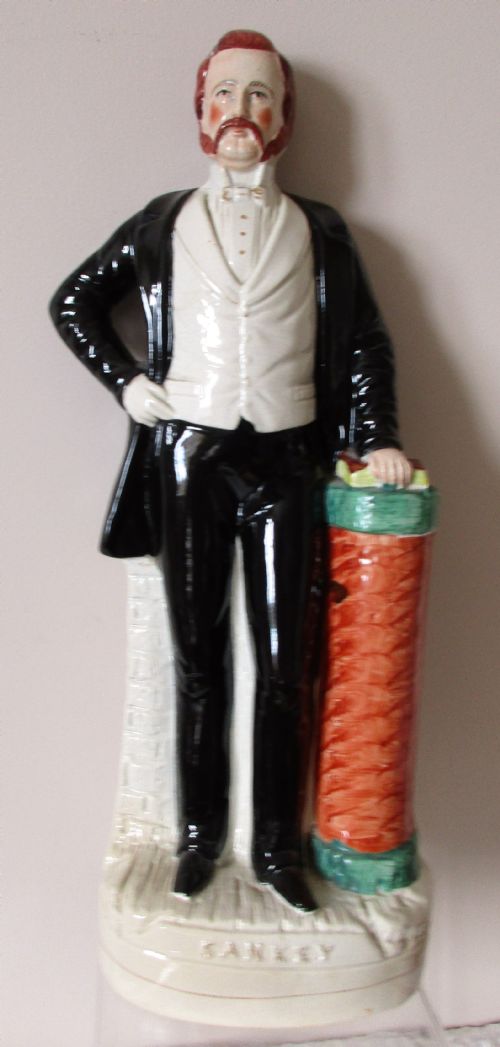
A victorian earthenware portrait figure depicts prominent public figures, royalty, literary subjects, and theatrical performers from the nineteenth century. Buyers frequently encounter representations of Queen Victoria, Prince Albert, royal heirs, political leaders, and evangelists.
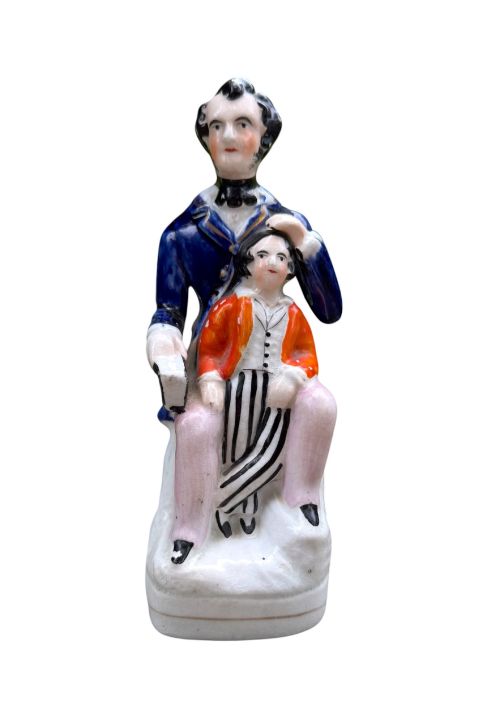
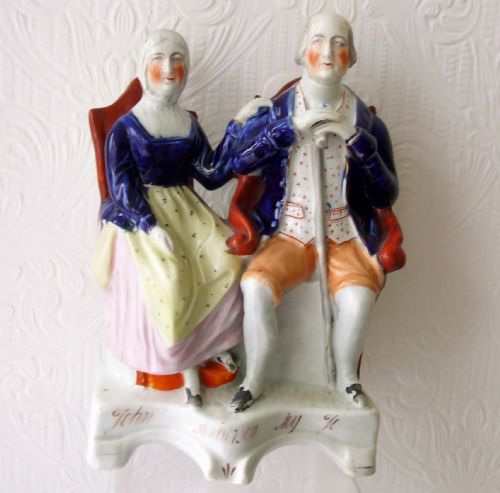
These ceramic pieces take the form of individual statues, pairs, and group compositions. Production spans the nineteenth century, with specific dates and decades appearing across the items.
The objects serve as decorative items rather than utilitarian vessels. Makers captured contemporary public interest in world leaders, military commanders, and cultural icons.
Materials and construction
Makers utilised earthenware and ceramic bodies to form the base of each piece. Lead glaze provides the characteristic surface sheen across the figures.
Victorian Earthenware Portrait Figure Retail Price Guide 2026
Typical asking prices for victorian earthenware portrait figure among the pieces listed under this phrase on Sellingantiques today, from the lower quarter to the upper quarter. They describe what is for sale here now, not the wider market.
Listings feature nineteenth century periods alongside materials such as earthenware, enamel paint, lead glaze, porcelain, and gilt.
Assessing the work
The application of glaze and the handling of the clay body determine the definition found in clothing folds and facial expressions. Pieces with clear subject naming and balanced proportions represent the upper tier of the range.
The Victorian Earthenware Portrait Figure Glossary
- Earthenware
- A porous ceramic material fired at lower temperatures than stoneware or porcelain. It forms the primary body for Staffordshire portrait figures.
- Lead glaze
- A glossy coating containing lead oxide applied to ceramic wares before firing. It creates a smooth and protective finish.
- Enamel paint
- Opaque vitreous colours fused to the surface of fired ceramics. Painters used these pigments to depict clothing and facial details.
- Flatback
- A style of figure moulded with a finished front and a plain, unglazed or partially glazed flat rear. This design suited mantelpiece display.
Victorian Earthenware Portrait Figure: Frequently Asked Questions
What subjects do these figures depict?
These ceramic pieces portray British royalty, political leaders, military heroes, and religious figures of the era. Common subjects include Queen Victoria, Prince Albert, and visiting dignitaries.
Subjects also extend to literary characters, theatrical performers, and evangelists. Makers recorded public fascination with contemporary news through these ceramic likenesses.
How were these figures displayed?
Households placed these decorative objects on mantelpieces, sideboards, and occasional tables within Victorian parlours. The flatback design allowed the pieces to sit flush against a wall.
Pairs of figures often flanked clock sets or ornamental vases. Single portrait figures stood as focal points on smaller shelves.
How do I identify the subjects?
Makers frequently inscribed the names of the subjects onto the front plinth or base of the ceramic piece. Capitalised lettering identifies monarchs, statesmen, and performers directly on the pottery.
Historical context helps determine unnamed subjects through military uniforms, royal pairings, or specific theatrical costumes. Uniform details indicate naval or army commanders of the nineteenth century.
What materials make up these items?
Makers constructed these figures primarily from earthenware and ceramic paste. A transparent lead glaze covers the body to provide a bright surface finish.
Enamel paints add colour to the hair, eyes, and garments of the subjects. Gilt highlights appear on select items to accent uniform buttons or royal insignia.