
Victorian Drawers
Victorian drawers bring robust nineteenth-century storage into modern rooms, uniting functional timber craft with classic period proportion.
Victorian Drawers
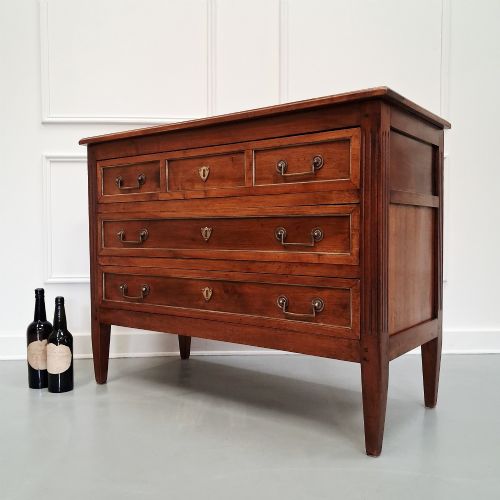
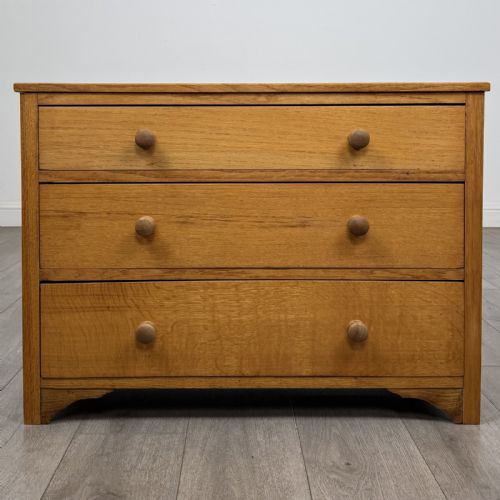
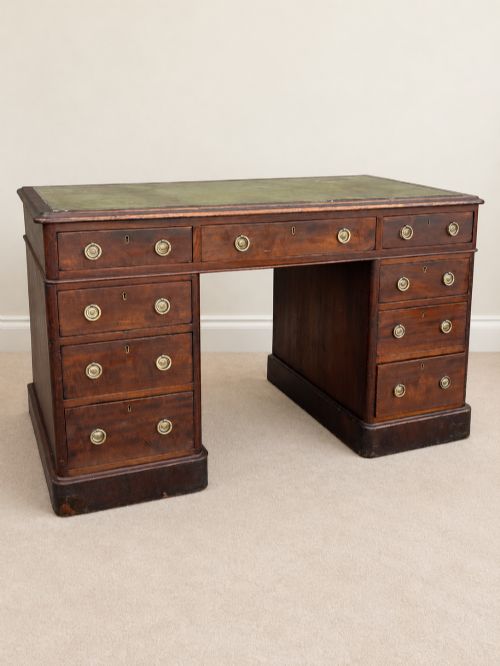
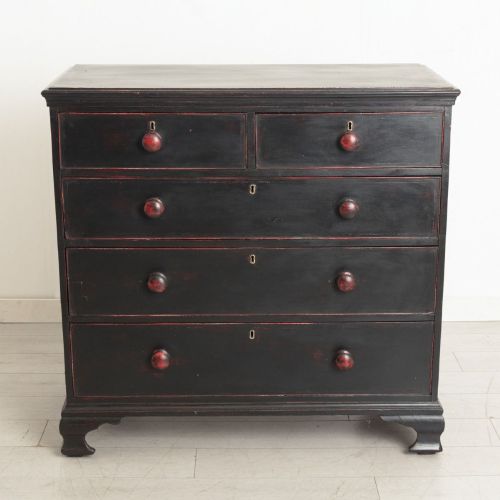
When searching for victorian drawers, buyers encounter a diverse selection of case furniture ranging from traditional mahogany chests to utilitarian pine pieces and specialised campaign items. The form primarily manifests as standard chests of drawers featuring two smaller drawers over three larger ones, alongside specialised configurations like Wellington chests and pedestal desks.
Origins span standard domestic pieces in mahogany, oak, and pine, as well as distinct regional variations and campaign styles built for travel. Pieces emerge from various decades across the nineteenth century, utilising dense hardwoods and softer local timbers depending on their intended domestic or industrial function.
Materials and Construction
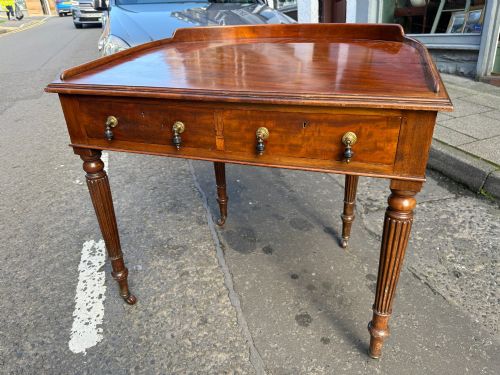
Cabinet makers utilised a range of timbers including mahogany, walnut, oak, pine, and exotic woods like padouk and camphor, often pairing solid primary facades with secondary linings. Drawer construction typically involved tight dovetail joints, reflecting sturdy workshop practices of the period.
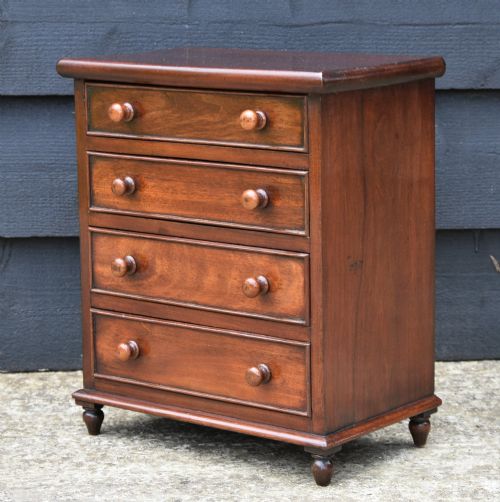
A tiny apprentice chest preserves the exact dovetails of its larger sibling, scaled down for a pocket.
Assessing Quality
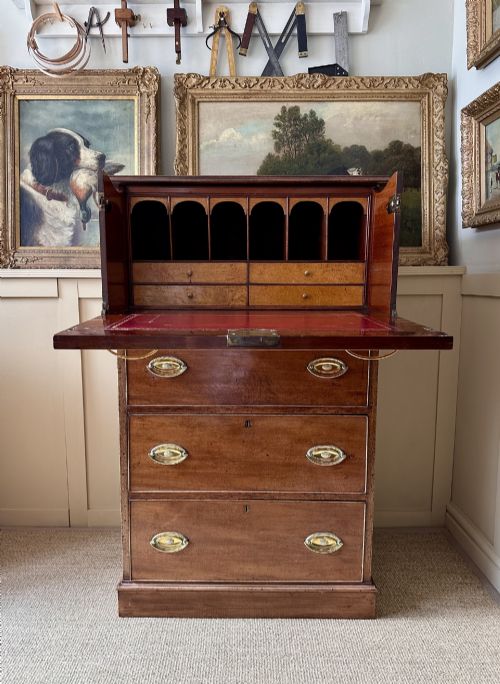
Quality diverges significantly between standard utilitarian pieces and high-status examples featuring burr walnut veneers, flame mahogany, or intricate fitted interiors with stationery drawers and writing slides. Superior execution shows in the precision of drawer joinery, the selection of figured timber veneers, and the retention of original brass hardware.
The integrity of secondary timbers, such as oak or pine drawer linings, alongside the preservation of original painted finishes or polished surfaces, dictates the standing of an individual piece within its particular style category.
W. Walker and Sons London·Army & Navy Stores
The Victorian Drawers Glossary
- Wellington chest
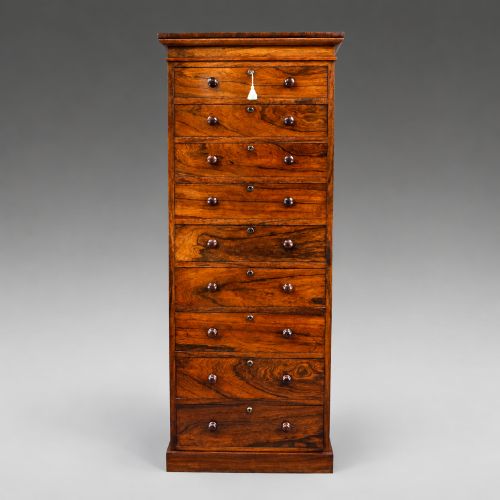
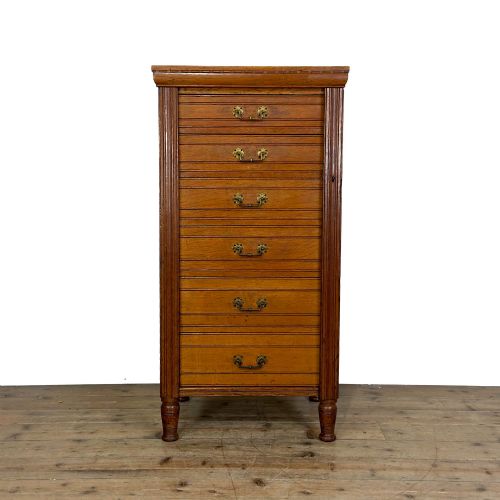
- A tall, slender chest of drawers featuring a locking stile on one side that secures all the drawers simultaneously. This form typically contains multiple shallow drawers stacked vertically.
- Campaign chest
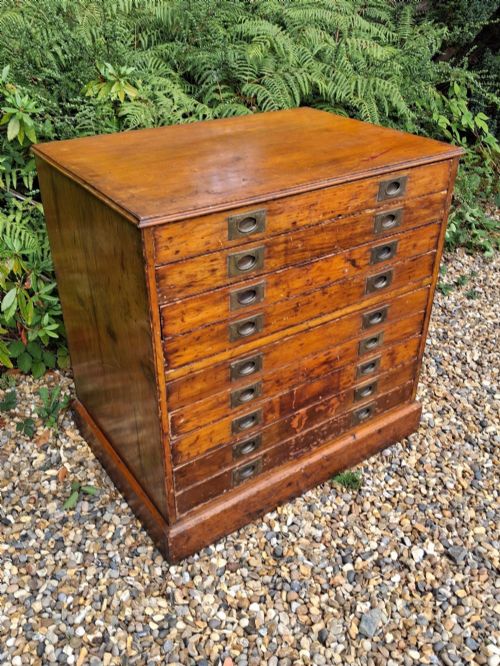
- Portable furniture built in sections with recessed brass handles and corner brackets, designed for military officers on the move. These pieces separate into modular boxes for ease of transport.
- Davenport desk
- A small compact desk featuring a sloping writing surface lined with leather above a pedestal of side drawers. The top often incorporates a stationery compartment.
Victorian Drawers: Frequently Asked Questions
What is a Wellington chest?
A Wellington chest is a tall, narrow set of drawers characterised by a hinged locking bar on the right side. This vertical wooden stile fastens with a key to secure every drawer at once.
Originating in the nineteenth century, these pieces were designed to hold valuables and documents securely while taking up minimal floor space in a bedroom or study.
How do campaign chests differ?
Campaign chests are built in two separate sections designed for easy dismantling and transport. They feature flush brass handles and reinforced brass corners to withstand rough travel.
These functional storage items utilise dense timbers such as camphor, teak, or mahogany to resist humidity and wear during military deployment.
What is a Davenport desk?
A Davenport desk is a compact writing cabinet with a steeply sloping lid, usually inset with leather for writing. The main body contains a set of side drawers accessed from one flank.
Victorian examples often include hidden compartments and stationary wells beneath the sliding or lifting top section, combining storage with a small footprint.
Are miniature chests apprentice pieces?
Miniature chests are small-scale replicas of full-sized furniture constructed with the same meticulous joinery and detail. Many were created as masterworks by trainees proving their proficiency.
These portable items duplicate standard drawer configurations like the two over three arrangement found on larger nineteenth-century chests.