
Victorian Double Armoire
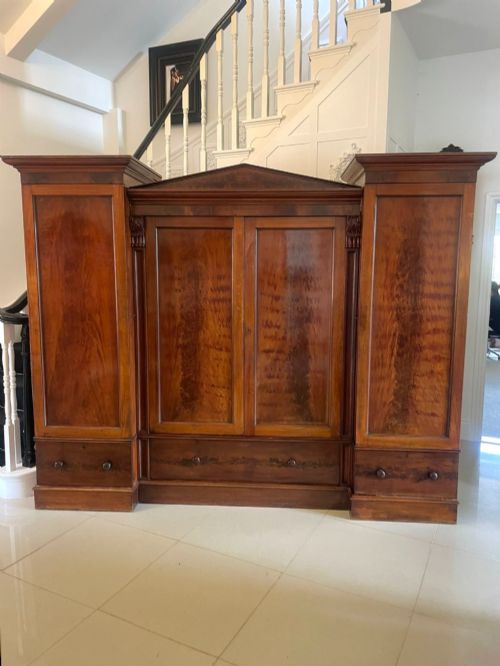
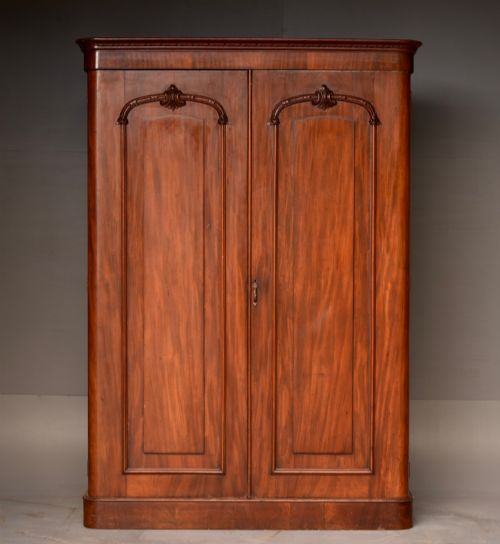
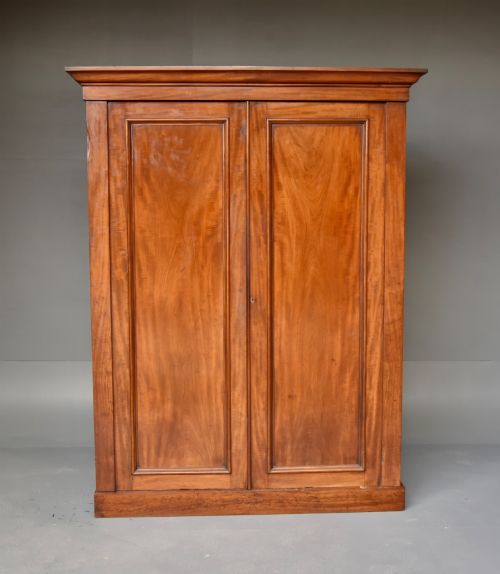
A victorian double armoire provides substantial bedroom storage through two full-length doors, combining period presence with practical scale.
Victorian Double Armoire
A victorian double armoire brings architectural scale and fitted interior storage to a bedroom, functioning as a primary clothes-hanging or linen storage piece. These grand furniture items emerge predominantly from the nineteenth century, spanning decades from the eighteen-sixties through the Edwardian era.
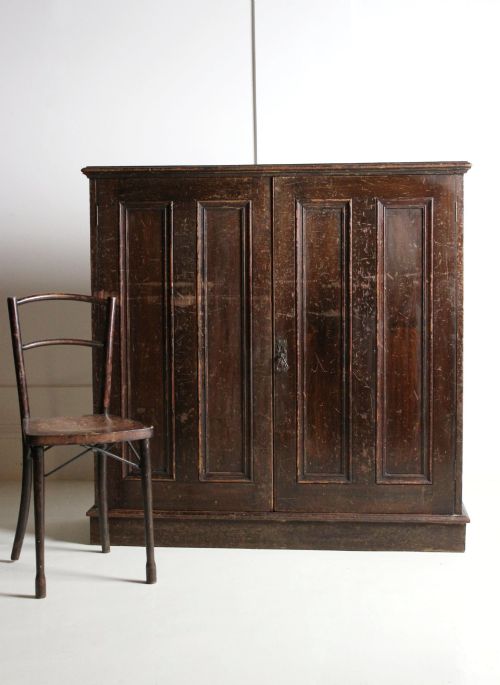
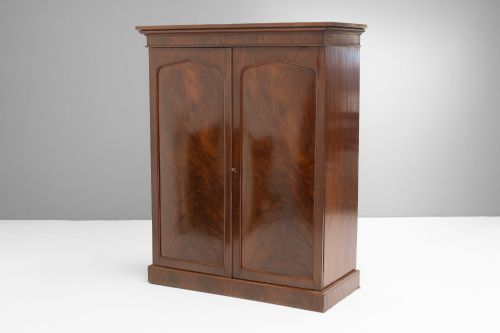
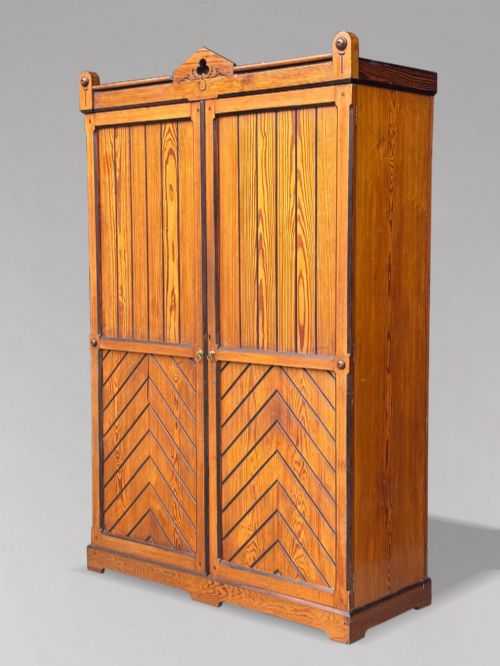
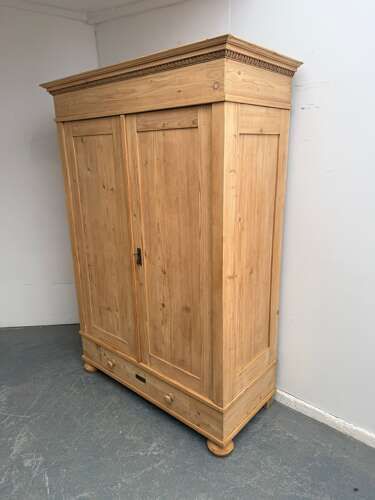
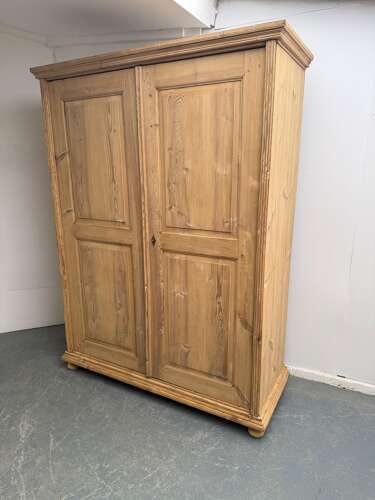
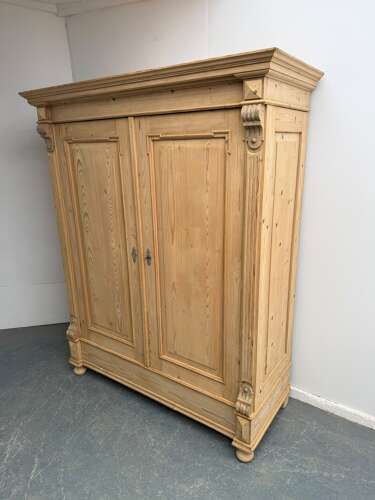
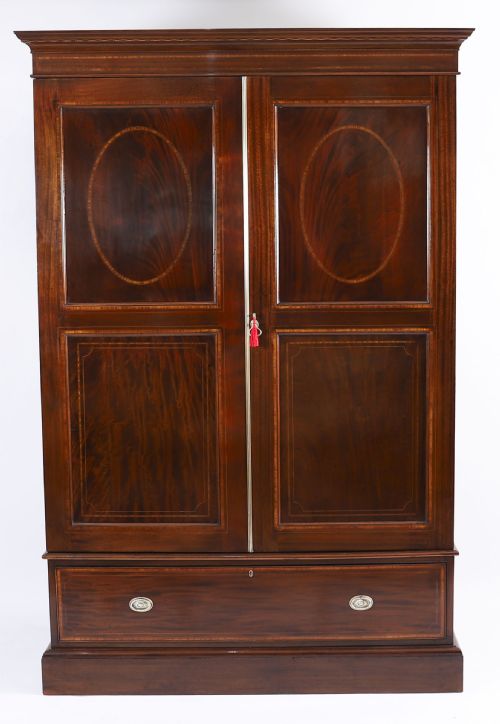
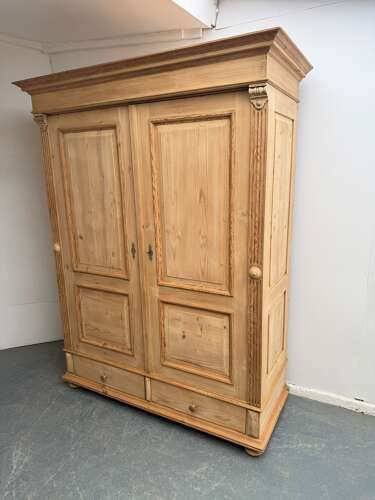
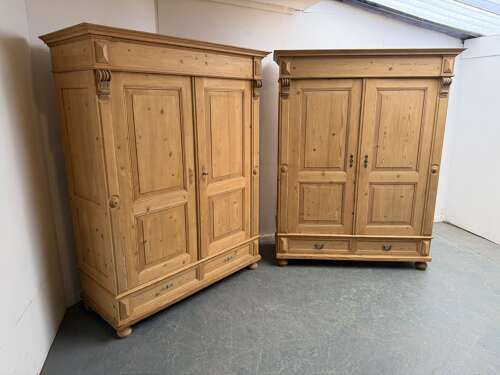
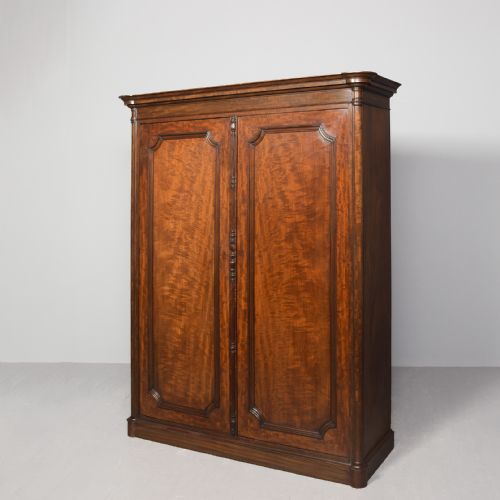
The version most commonly encountered on this page is the knockdown pine wardrobe, designed to be dismantled for transport and finished in natural wax or painted surfaces. Alternatively, buyers frequently meet rich hardwood iterations constructed from mahogany, walnut, or burr walnut veneer.
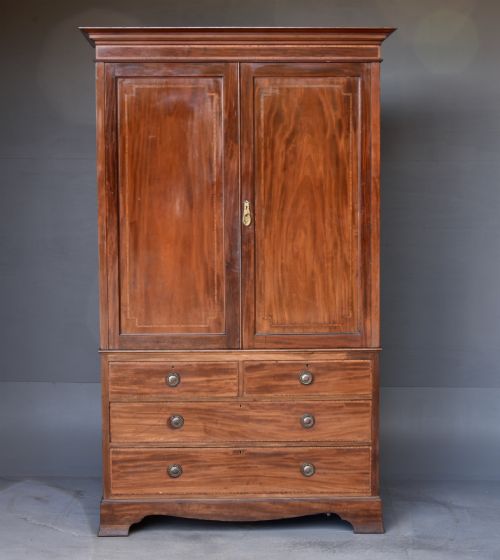
Makers and regional cabinetmakers also produced these double-door wardrobe forms under descriptions such as compactums or linen presses, sometimes incorporating internal drawers or sliding trays. Styles range from plain utilitarian country workshop pieces to sophisticated Arts and Crafts designs with inlaid details.
Gradations of Craftsmanship
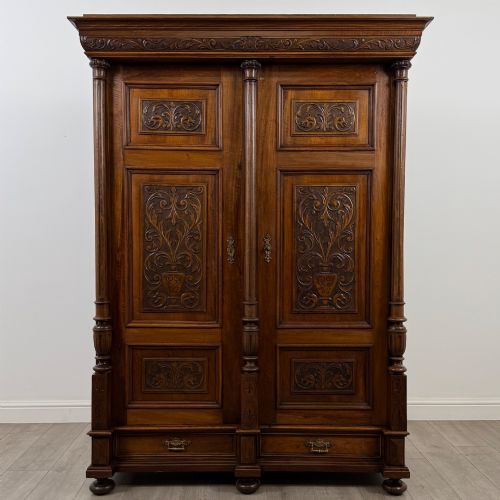
The distinction between ordinary utility storage and finer cabinetmaking rests upon timber selection and surface articulation. Figured veneers, intricate carved mouldings, and inlaid woodwork elevate an architectural wardrobe far above a standard painted pine carcase.
Structural integrity and original mechanical elements also dictate the standing of a piece, separating simpler workshop carpentry from signed metropolitan cabinet work. Well-executed knockdown joinery that maintains rigidity when assembled demonstrates superior period craftsmanship.
Several pine wardrobes patiently await a new coat of paint, ready to be waxed or customized to taste.
maples & co·s & h jewell
The Victorian Double Armoire Glossary
- Armoire
- A tall cupboard or wardrobe with doors enclosing space for hanging clothes or shelves. Originally a French term, it applies broadly in the market to large British double wardrobes.
- Knockdown
- Furniture designed to be easily dismantled into panels and sections for transport and reassembly. This technique was essential for moving large nineteenth-century bedroom pieces up narrow stairs.
- Compactum
- A fitted wardrobe combining hanging space, shelves, and internal drawers within a single multi-door carcase. These pieces offered comprehensive wardrobe storage for gentlemen or ladies.
- Scumble
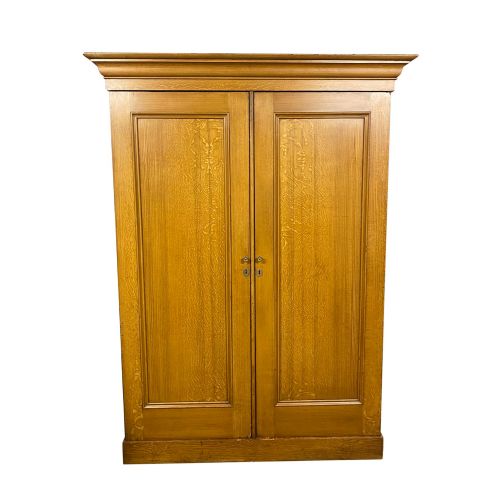
- A decorative paint technique used to simulate natural wood grain such as oak. Painters applied translucent glazes over a lighter base coat to achieve the finished effect.
- Linen Press
- A tall cabinet featuring upper sliding trays or shelves enclosed by doors, positioned above a base of wider drawers. They were traditionally built to store folded textiles and bed linen.
Victorian Double Armoire: Frequently Asked Questions
What is a victorian double armoire?
A victorian double armoire is a large two-door storage cabinet or wardrobe dating from the nineteenth century, designed to hold clothing and household textiles.
These pieces typically feature internal hanging space, shelves, or drawers enclosed within panelled wooden doors.
How do I assemble a knockdown wardrobe?
Knockdown wardrobes separate into distinct components including a cornice, base, two sides, and doors, which lock together using internal bolts or wooden wedges.
This modular nineteenth-century design allowed heavy furniture to be transported through narrow doorways before being reassembled in the bedroom.
Where should I place a large armoire?
Large wardrobes require adequate wall space and ceiling height, making master bedrooms or wide hallways ideal locations for their substantial proportions.
Ensure the chosen wall allows the full-length doors to open completely to access internal hanging rails and drawers.
What is the difference between an armoire and a compactum?
An armoire focuses primarily on open hanging space behind two full-length doors, occasionally featuring a single base drawer.
A compactum divides the interior space to include dedicated compartments for folded garments, sliding trays, and multiple internal drawers alongside the hanging section.