

Victorian Display Shelving
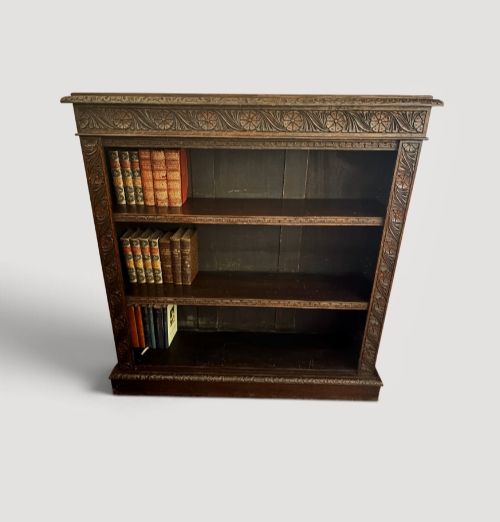
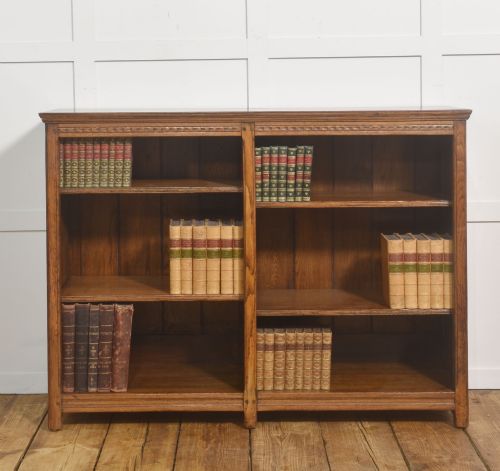
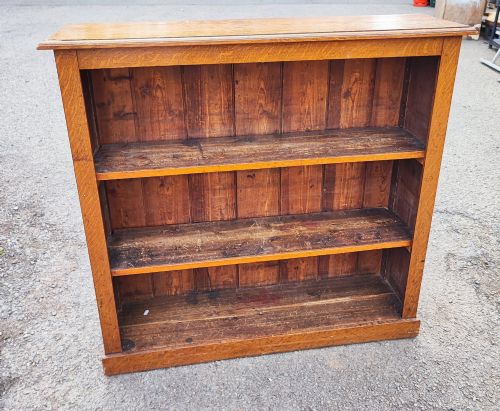
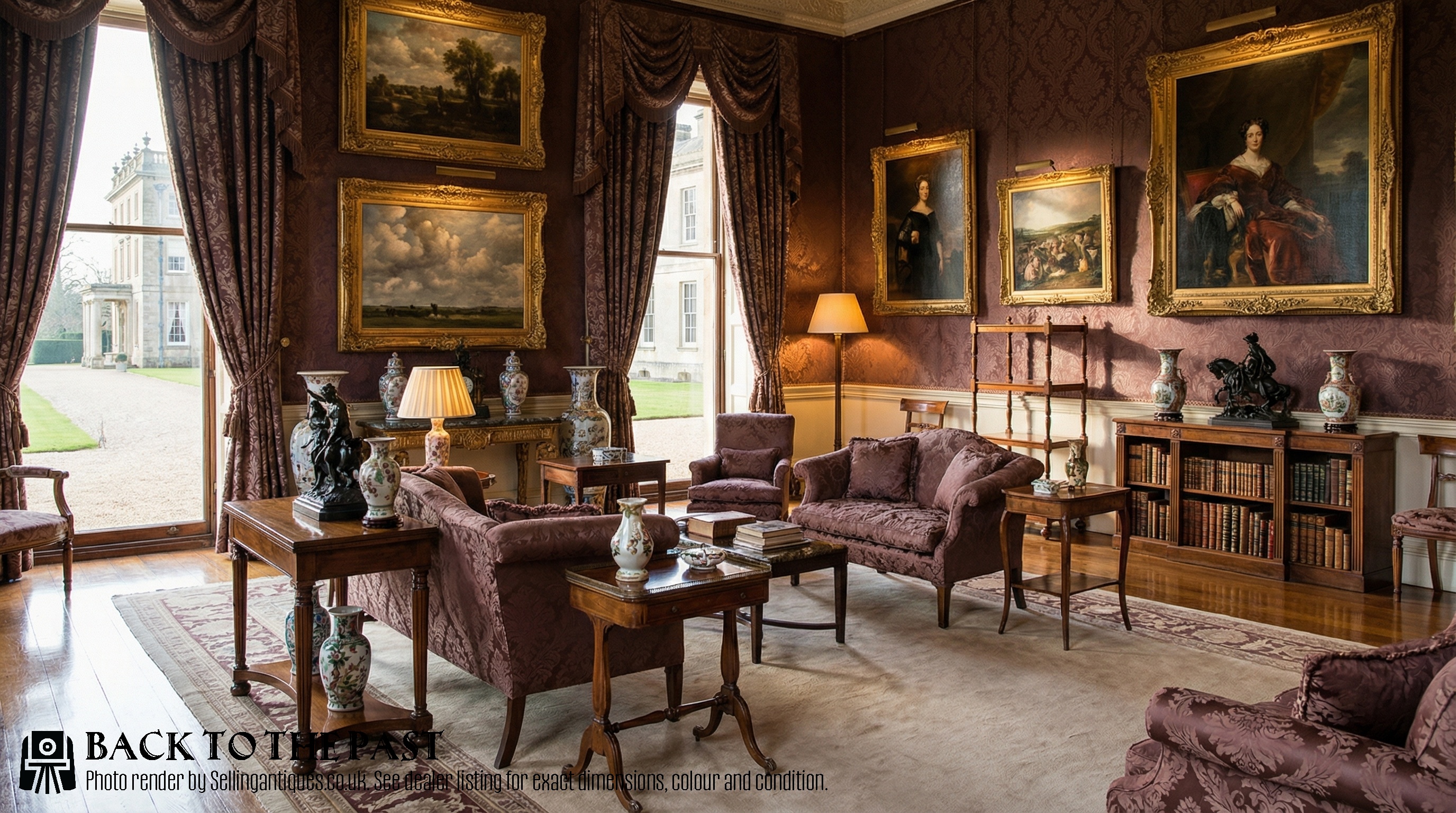
Victorian display shelving brings functional architecture into the room, offering rich timbers and tiered surfaces designed to hold books and decorative objects.
Victorian Display Shelving
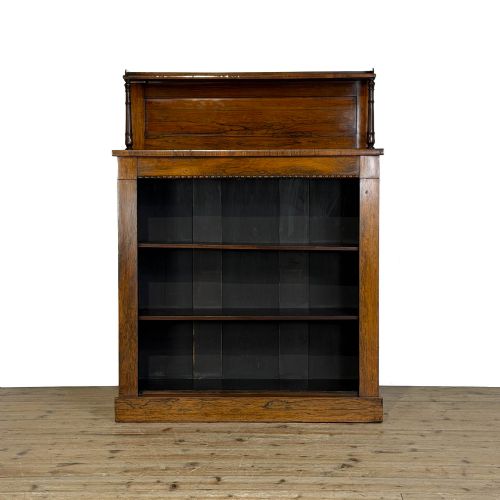
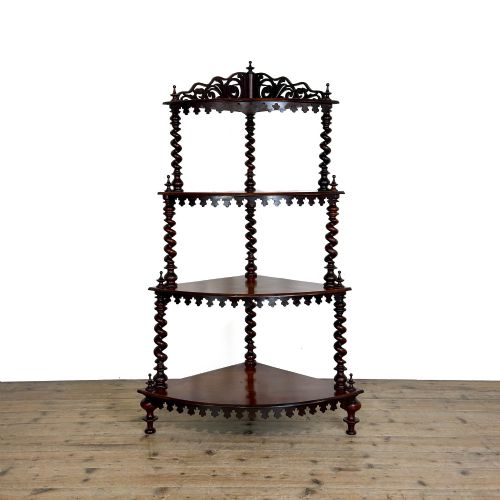
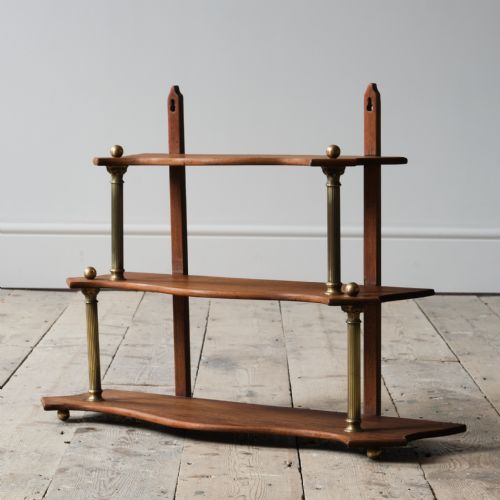
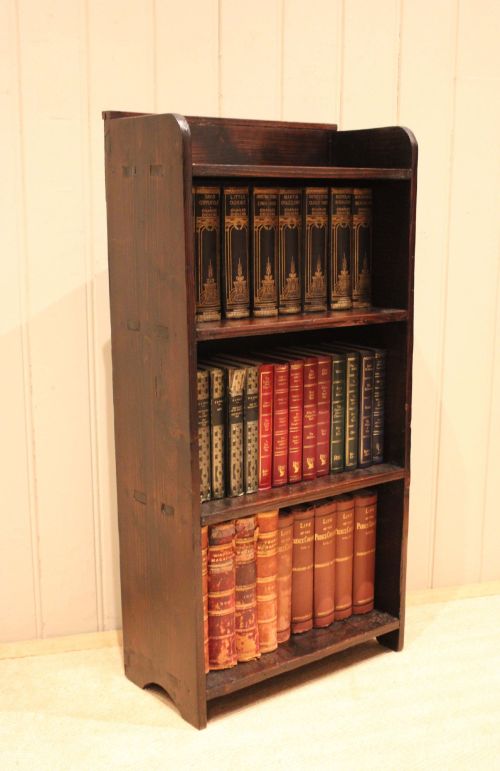
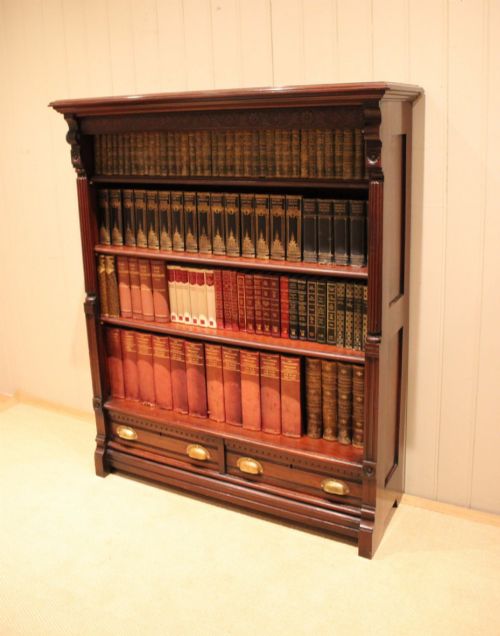
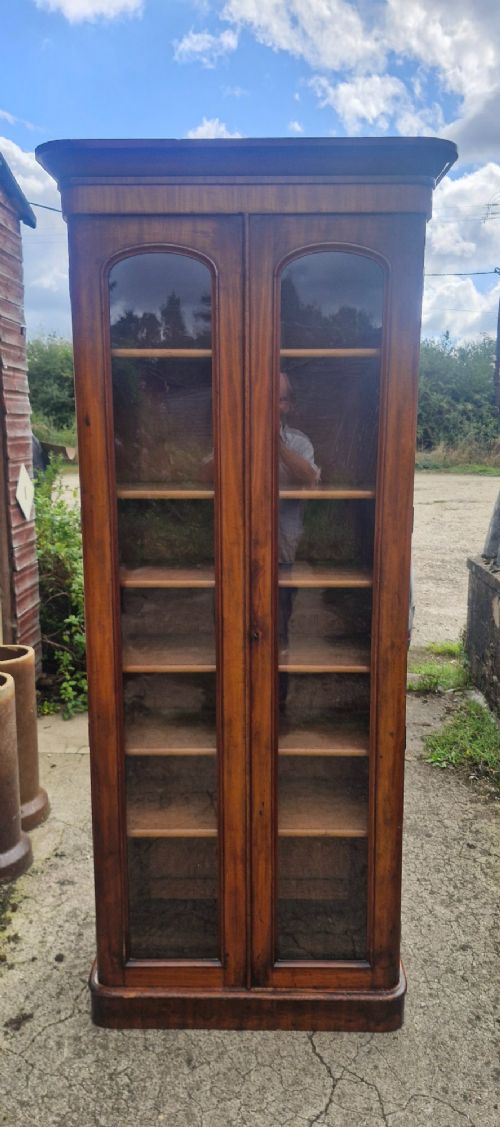
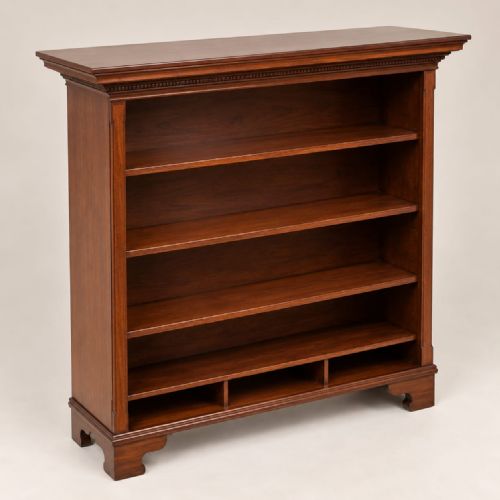
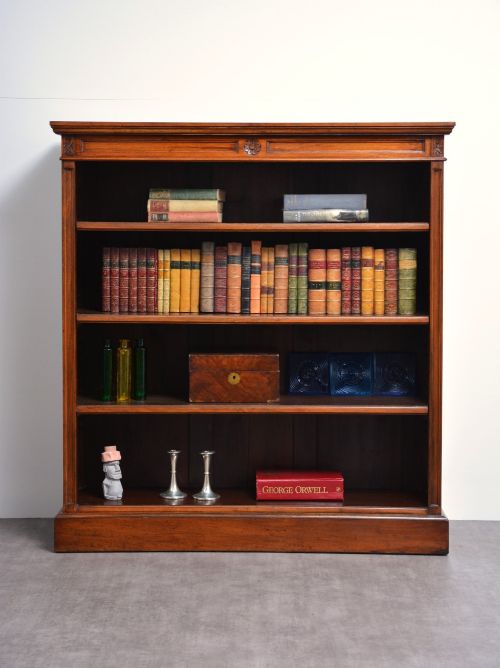
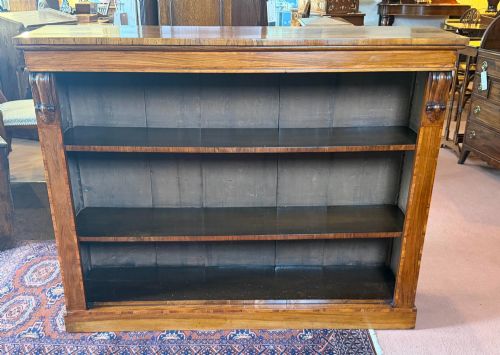
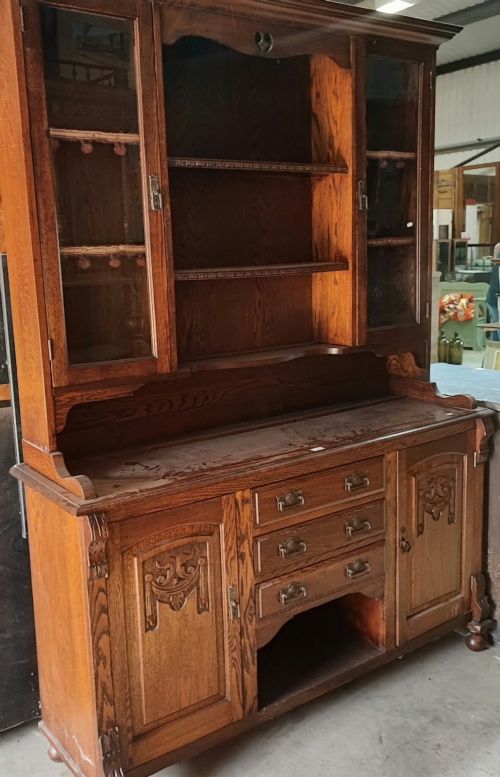
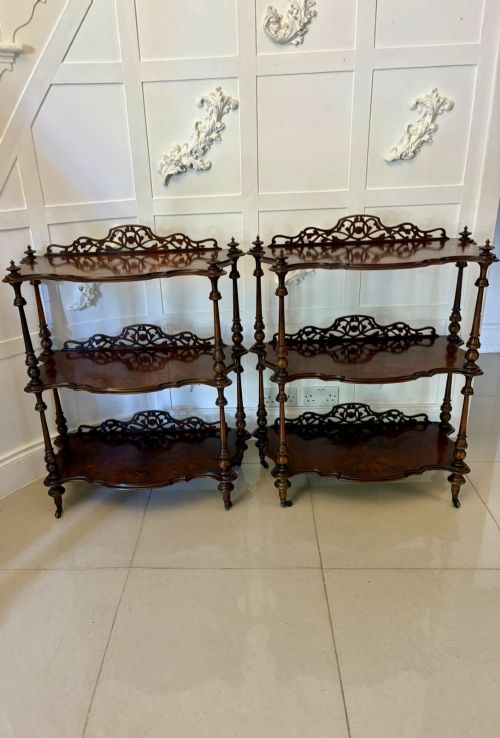
You are most likely to meet mahogany and walnut open bookcases fitted with adjustable shelves, alongside tiered walnut whatnots and small mahogany wall hanging shelves. Pieces emerge from various stylistic backgrounds, including Regency, rustic country, late Victorian, and Anglo-Indian designs.
Materials and Technique
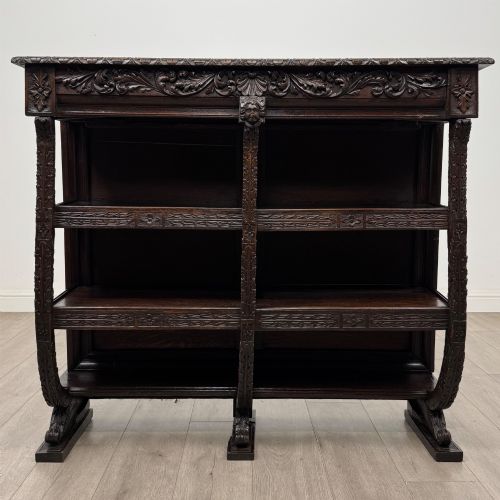
Cabinet makers utilised dense hardwoods such as mahogany, walnut, burr walnut, rosewood, and oak, often highlighting the natural grain of the timber through polishing and occasional carving or inlay. Brass hardware, including castors and hanging brackets, frequently accompanies these wooden structures.
Construction techniques focus on stability and utility, seen in adjustable shelf mechanisms, corner cabinets, and tiered etagere frameworks. Glazed doors appear on cabinet variants, while wall-hanging pieces rely on secure structural fixings to support books and porcelain.
Listings feature woods such as mahogany, walnut, burr walnut, rosewood, oak, and pine, spanning the nineteenth and early twentieth centuries.
Judging Quality
The distinction between standard utility items and exceptional pieces rests upon the choice of timber and the sophistication of the joinery. Figures in burr walnut and rich rosewood, combined with intricate carving or inlay, elevate the status of a bookcase or whatnot.
Proportion and functional integrity also dictate worth, visible in well-executed adjustable shelving systems, balanced serpentine shapes, and the inclusion of original brass castors or wall fixings.
The Victorian Display Shelving Glossary
- Whatnot
- A piece of furniture consisting of a set of open shelves for displaying small objects, popular in the nineteenth century. These multi-tiered units often stand in corners or against walls.
- Etagere
- A piece of furniture with a set of open shelves for displaying ornaments. This French-derived form frequently appears in ebonised finishes or delicate wood structures.
- Open Bookcase
- A bookcase without doors, allowing direct access to the volumes stored within. Victorian examples often feature adjustable timber shelving.
- Wall Hanging Shelves
- Compact shelving units designed to be mounted directly onto a wall rather than resting on the floor. They are typically executed in mahogany or walnut.
- Burr Walnut
- Timber taken from the warted growth on a walnut tree, yielding highly figured patterns. Cabinet makers utilised this decorative veneer on prominent surfaces of nineteenth-century bookcases.
Victorian Display Shelving: Frequently Asked Questions
How were these shelves used?
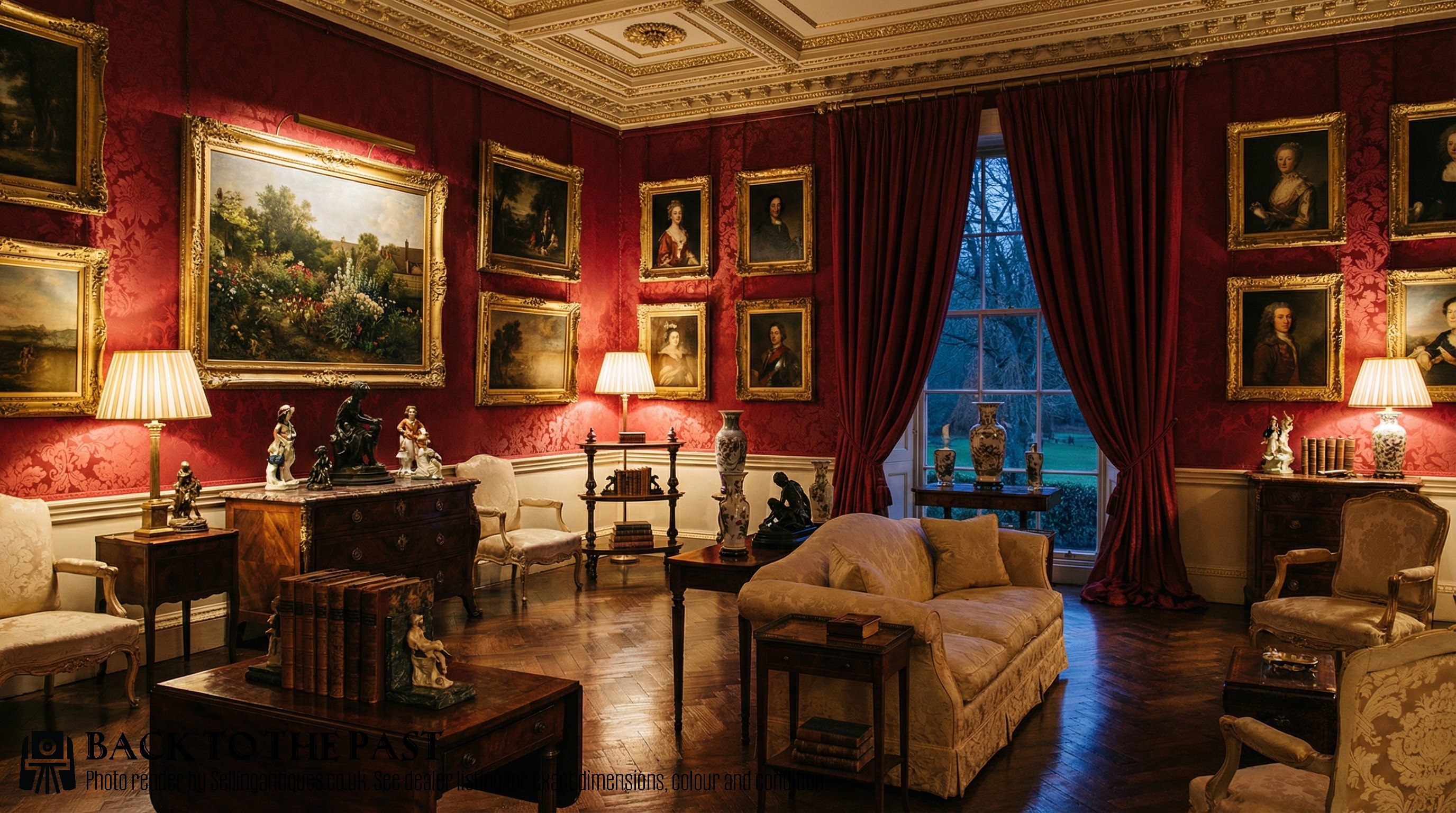
These pieces served practical storage functions and served as focal points for displaying treasured possessions in domestic interiors. Bookcases housed circulating libraries and personal collections.
Meanwhile, whatnots and wall shelves provided tiered surfaces for ornaments, ceramics, and small curiosities. The inclusion of adjustable shelving allowed owners to adapt the interior space for books of varying heights.
How do I live with these pieces?
Living with nineteenth-century shelving involves balancing historical character with modern domestic utility. Open bookcases accommodate contemporary book collections, while wall shelves and corner whatnots utilise vertical space efficiently.
Positioning furniture away from direct heat sources helps preserve the stability of timbers like mahogany and walnut. Regular dusting and occasional waxing maintain the polish of the wood grain.
How do I tell periods apart?
Distinguishing periods requires examining timber choices, construction methods, and stylistic cues present in the piece. Early nineteenth-century items often display Regency or William IV influences, utilising solid mahogany or rosewood.
Later Victorian and Edwardian examples incorporate golden oak, ebonised finishes, or elaborate inlays. The presence of specific hardware, such as brass castors or adjustable shelf ratchets, also offers clues to the manufacturing date.