



Victorian Display Jar
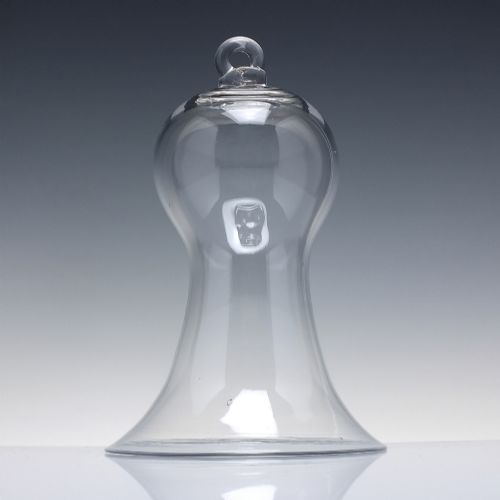
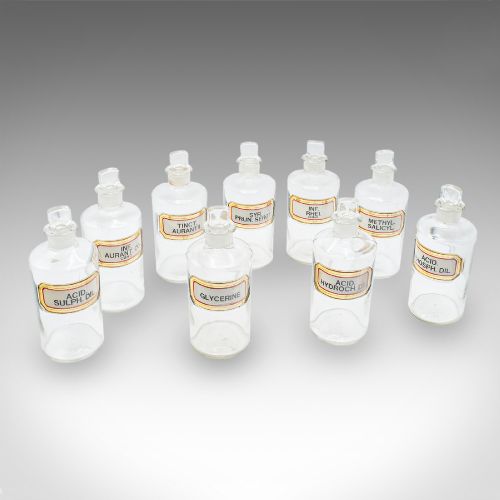
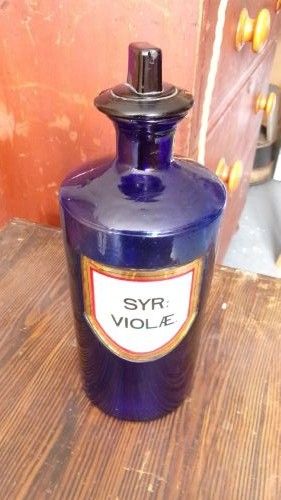
These Victorian display jar selections span robust glass apothecary vessels and delicate specimen domes used to protect prized curiosities.
Victorian Display Jar
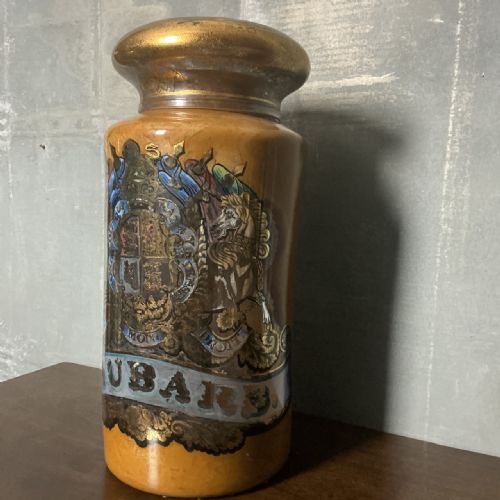
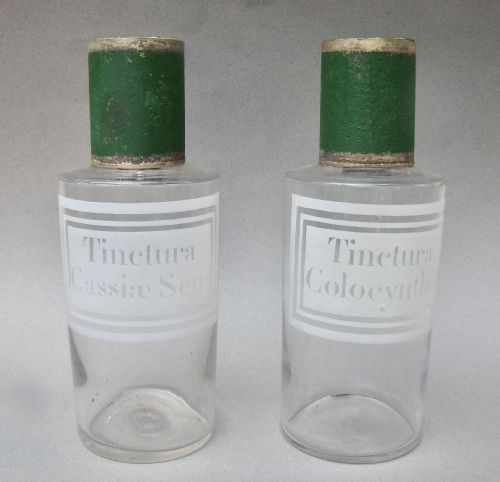
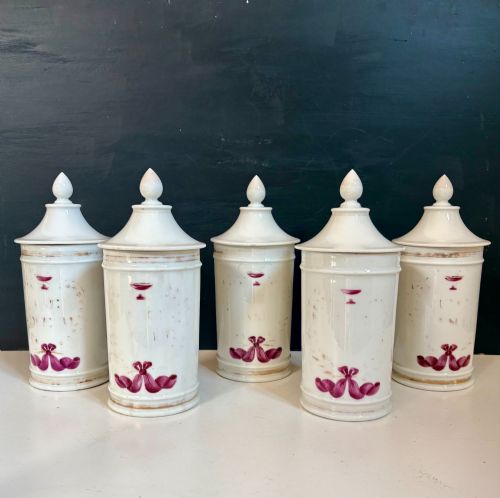
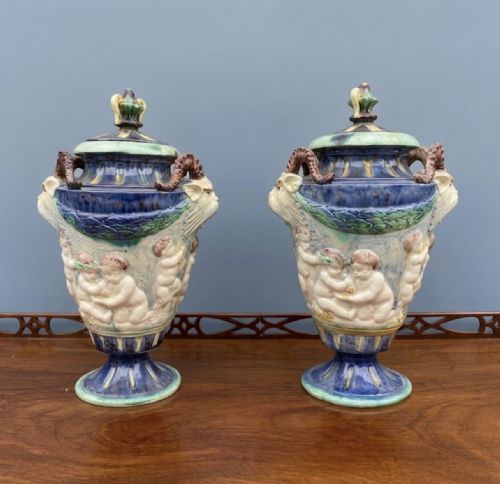
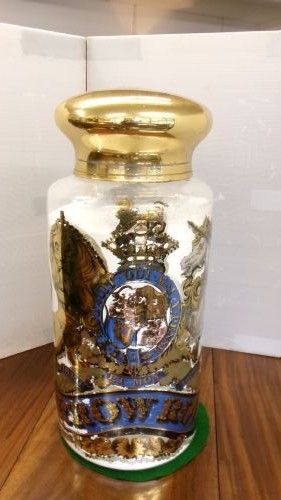
A victorian display jar encompasses clear glass domes, apothecary vessels, and decorative urns originating from the nineteenth and early twentieth centuries. Buyers seeking these items typically select between large storage containers designed for chemist shops and delicate protective covers intended for parlour ornaments.
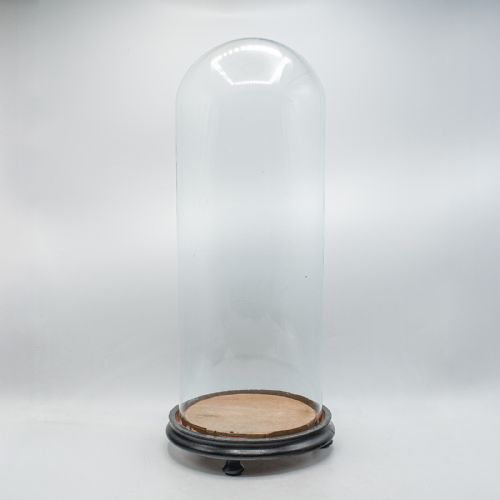
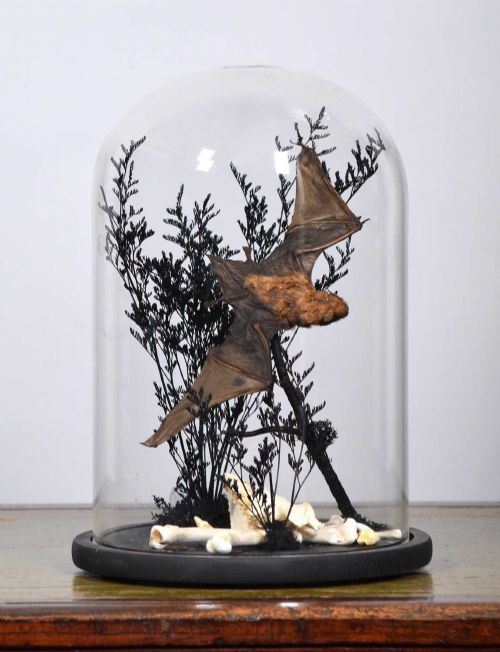
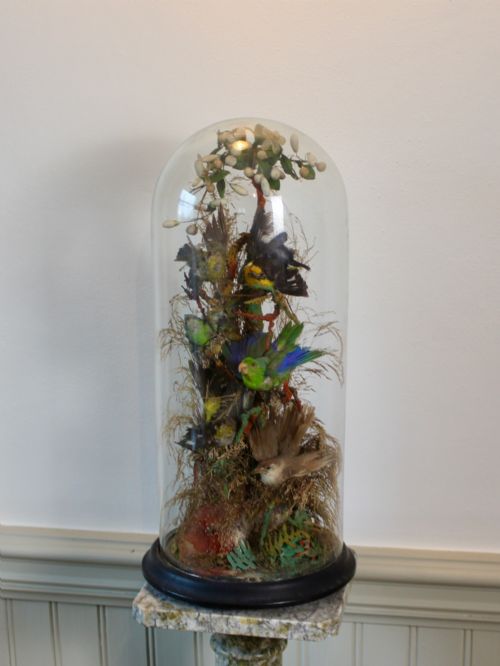
The assortment on this page leans heavily towards glass display domes with wooden bases, alongside tall apothecary carboys and porcelain urns. Examples range from simple nineteenth-century glass bell covers to elaborate taxidermy showcases framed in ebonised wood.
Origins include English workshops and French ateliers, with occasional oriental bronze vessels and Japanese Imari ceramics appearing in the mix. Each piece serves to elevate and preserve delicate items, whether a still life of fruits or a collection of botanical specimens.
How they were made
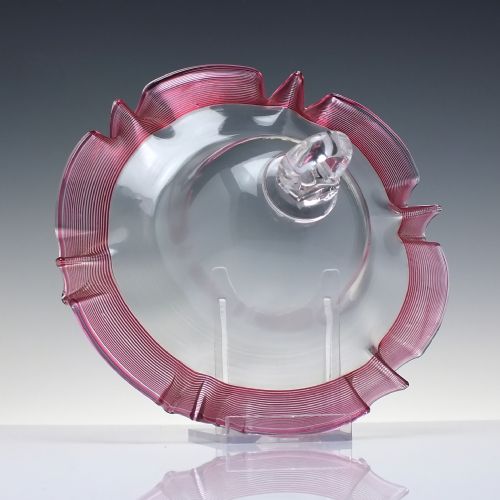
Makers utilised blown and etched glass to create the primary vessel bodies, frequently pairing transparent covers with turned timber or ebonised wood bases. Larger apothecary jars and display domes required skilled glassblowing techniques to achieve uniform thickness across substantial dimensions.
Additional materials such as gold leaf, fabric, velvet, and porcelain enrich specific pieces like decorative urns and beadwork bouquets housed beneath glass. Bronze and enamel work also feature in oriental display vessels, combining cast metal forms with intricate surface decoration.
Victorian Display Jar Retail Price Guide 2026
Typical asking prices for victorian display jar among the pieces listed under this phrase on Sellingantiques today, from the lower quarter to the upper quarter. They describe what is for sale here now, not the wider market.
Listings feature eighteenth and nineteenth century periods alongside Edwardian eras, utilising glass, ebonised wood, porcelain, and bronze.
What varies in quality
Quality rests upon the clarity and weight of the glass, where heavier blown domes with minimal distortion command greater regard than thin, wavy alternatives. The craftsmanship of the wooden base, particularly hand-turned mouldings and sound joinery, dictates the overall integrity of a display piece.
The Victorian Display Jar Glossary
- Cloche
- A bell-shaped glass cover used to protect delicate ornaments, clocks, or taxidermy. These transparent hoods sit atop fitted bases of wood or fabric.
- Carboy
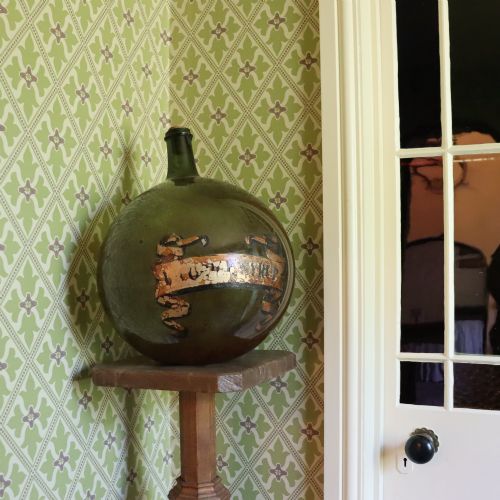
- A large, bulbous glass vessel traditionally utilised by apothecaries and chemists to store liquids. These impressive containers often feature heavy glass stoppers.
- Ebonised
- Timber treated with a dark stain or finish to imitate ebony wood. This treatment provides a stark, formal contrast to transparent glass domes.
- Imari
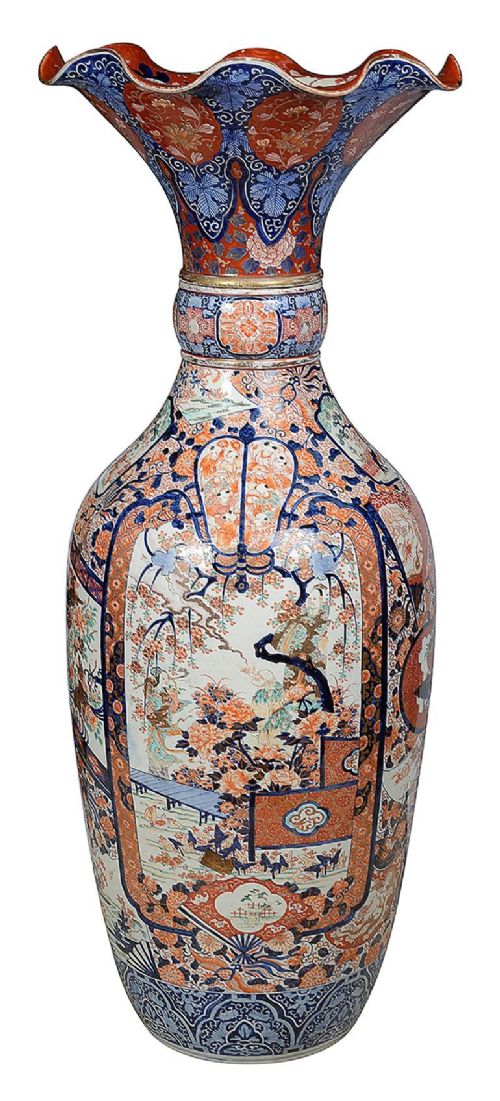
- A style of Japanese porcelain characterised by underglaze blue and overglaze red, gold, and coloured designs. These decorative vessels were widely exported to the West.
- Taxidermy showcase
- A glass dome paired with a protective base designed to house preserved birds, animals, or botanical specimens. They kept dust away from fragile interior compositions.
Victorian Display Jar: Frequently Asked Questions
What were apothecary jars used for?
Apothecaries utilised large glass jars to store dry drugs, herbs, and chemical compounds on pharmacy shelves. Their tight-fitting lids protected contents from moisture and deterioration.
Over time, these vessels migrated into domestic settings as decorative objects, prized for their generous proportions and historical labels denoting contents like arrowroot.
How do I clean a glass display dome?
Clean glass domes carefully using warm water and a mild detergent, supporting the curved weight with both hands. Avoid abrasive cloths that might scratch antique surfaces.
Dry the glass thoroughly with a lint-free cloth before replacing it over your chosen display piece to prevent moisture trapping.
Are these glass domes period correct?
Most glass display domes and apothecary jars date from the nineteenth and early twentieth centuries, aligning with Victorian and Edwardian domestic practices. Makers produced them in various sizes to accommodate parlour ornaments and scientific specimens.
Distinguishing periods relies on examining the weight of the glass, the character of any timber bases, and manufacturing techniques like pontil marks.
What fits well beneath a display dome?
Display domes traditionally house taxidermy specimens, porcelain figures, beadwork bouquets, and delicate clocks. Collectors use them to keep dust away from fragile organic or textile items.
Selecting an item for a dome requires measuring the internal height and diameter to ensure adequate clearance around the edges.