

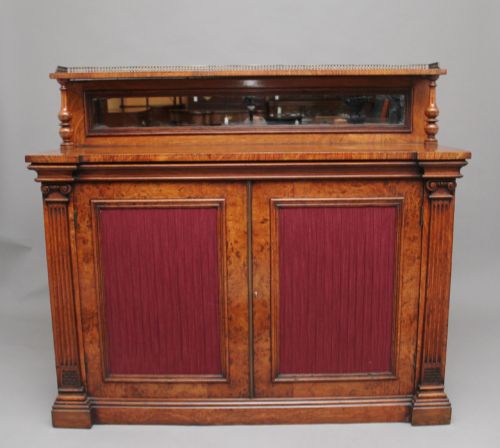
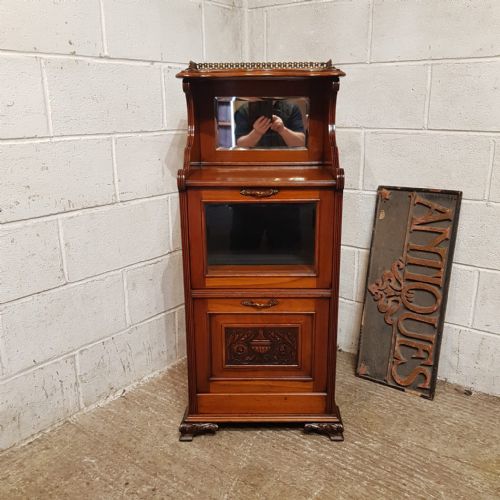
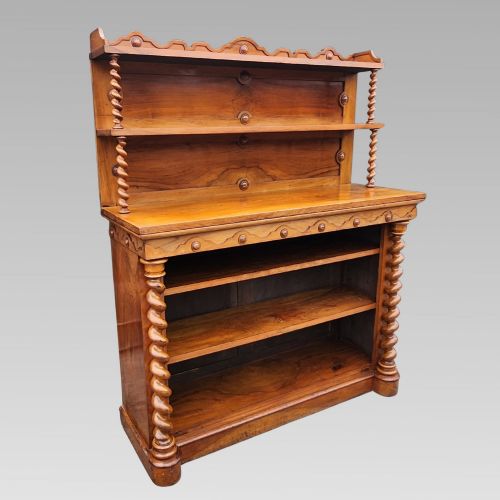
Victorian Display Chiffonier
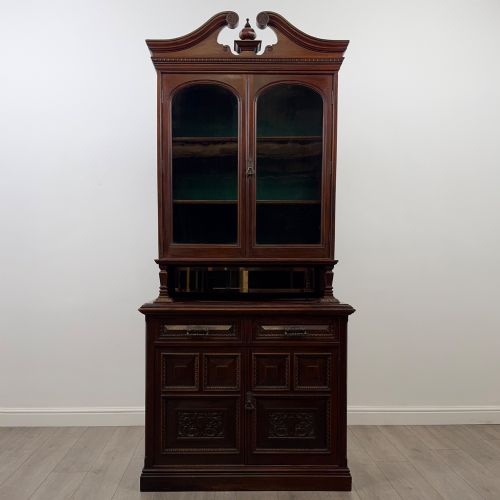
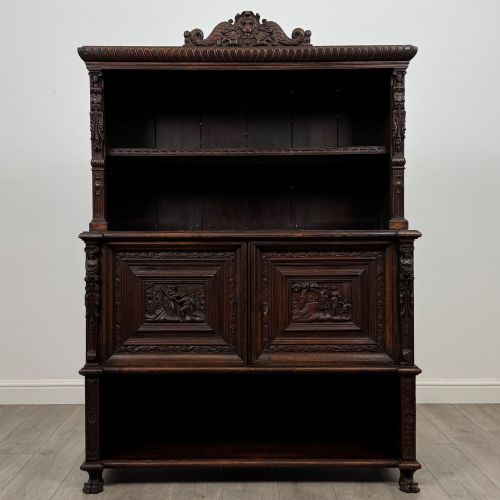
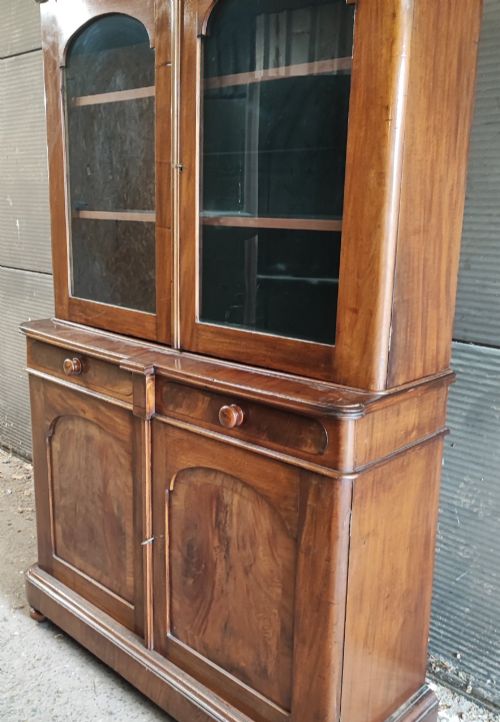
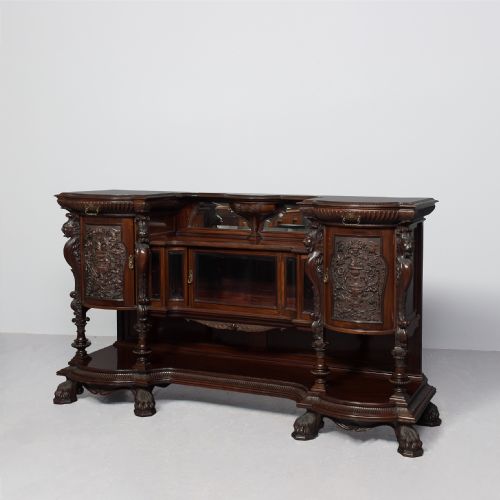
A Victorian display chiffonier brings practical timber storage and glazed presentation together, offering a stately focal point for a formal interior.
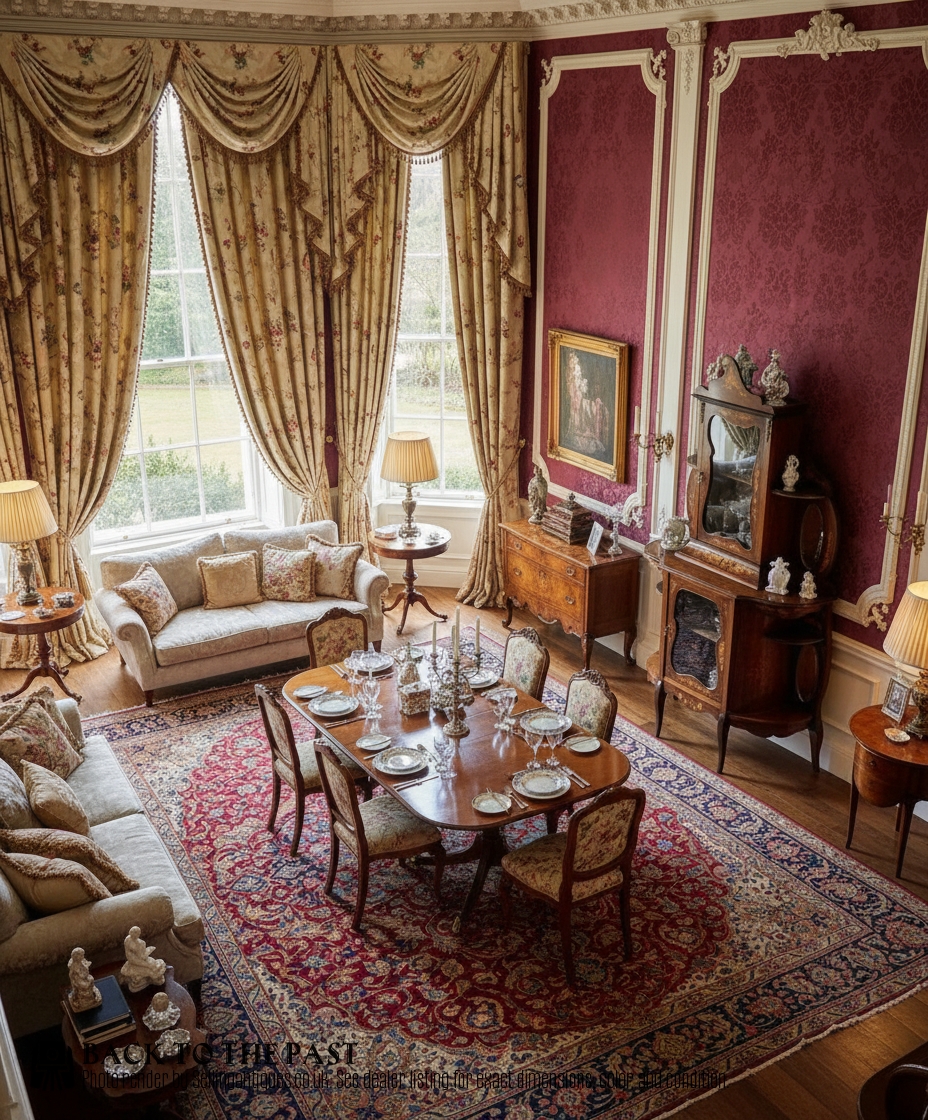
Victorian Display Chiffonier
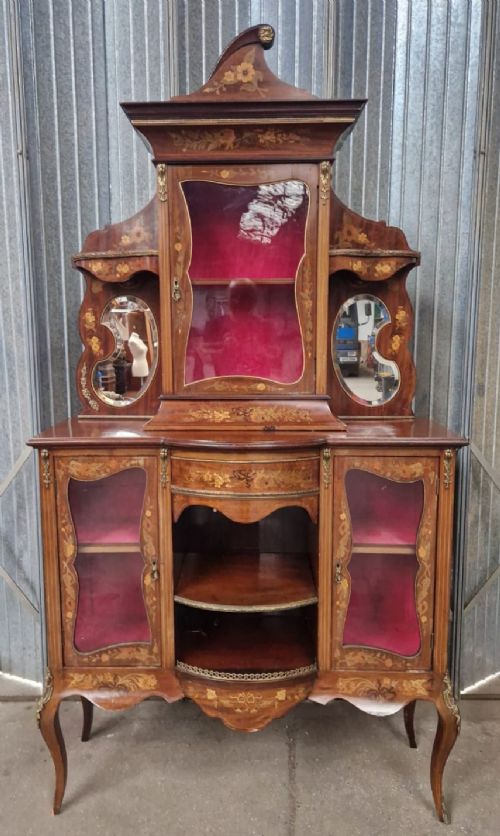
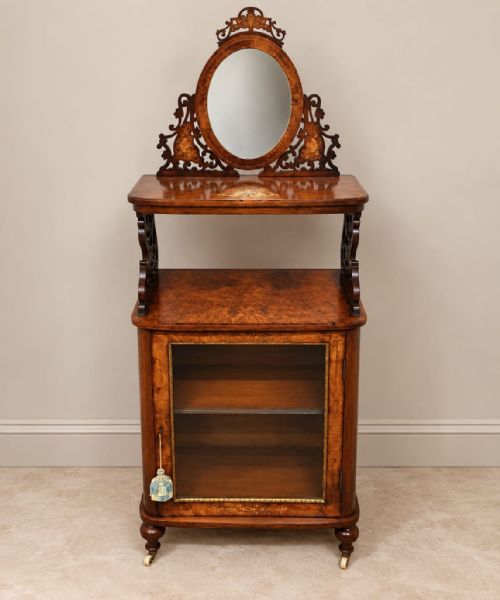
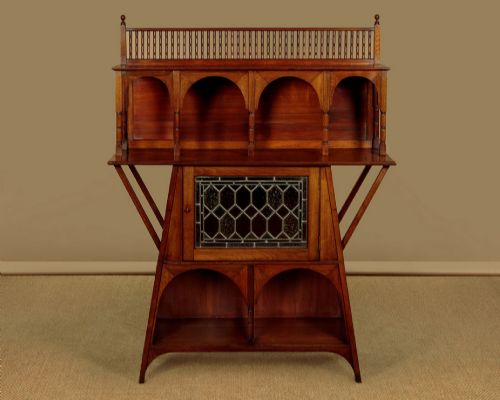
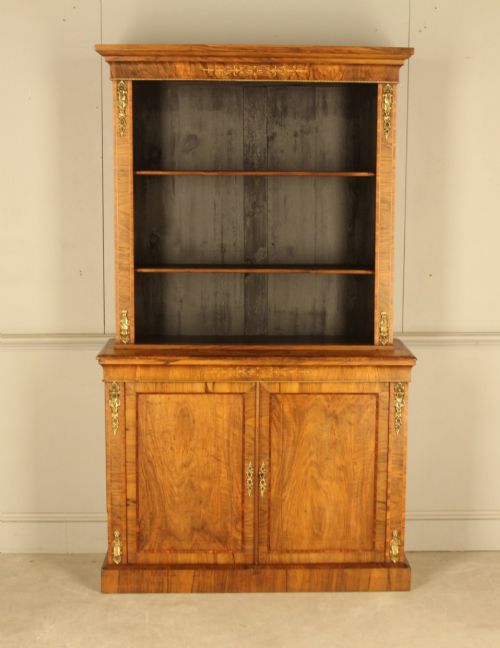
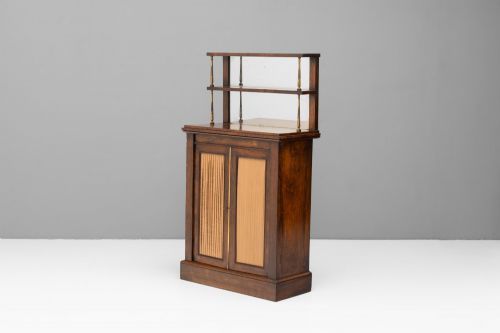
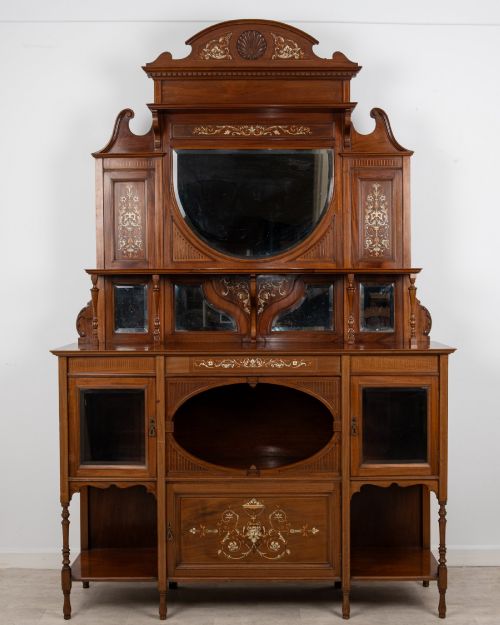
A Victorian display chiffonier combines lower timber cupboards with upper display spaces, often featuring glazed doors or mirrored backs designed to showcase fine objects. These pieces function as versatile low storage units and display surfaces within the reception rooms of nineteenth-century homes.
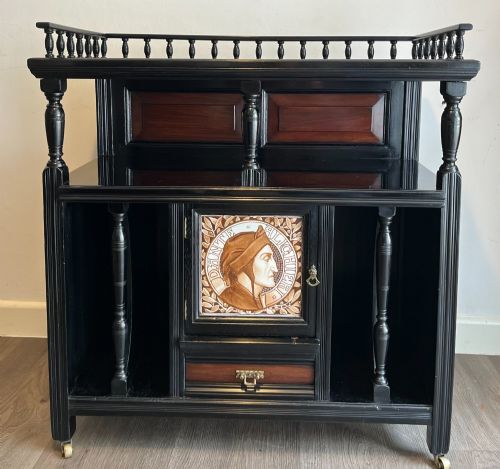
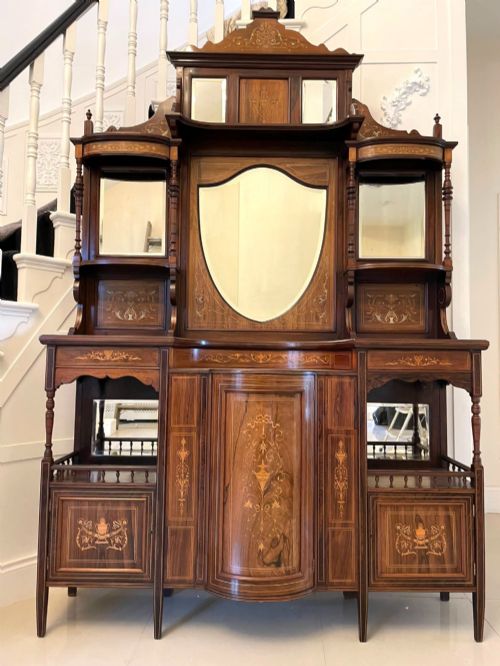
The evidence shows a strong presence of mid-to-late nineteenth-century examples, spanning the 1850s through to the end of the century. Pieces range from straightforward mahogany cupboards to elaborate mirror-back chiffoniers influenced by the Aesthetic Movement and French Revival.
Buyers will encounter various formats bearing interchangeable terms in the archive, including side cabinets, credenzas, and bookcase chiffoniers. The unifying characteristic remains the low timber body paired with display capacity, whether via internal shelving behind glass or open mirrored upper sections.
Materials and construction methods
Cabinetmakers relied on rich cabinet timbers such as mahogany, rosewood, and burr walnut, frequently enhanced by contrasting veneers, marquetry inlay, and gilt highlights. Structural carcases often used secondary softwoods or oak, clad in heavily figured face veneers to create striking visual depth.
Glass panels, integrated mirrors, and cast brass hardware define the display elements of these cabinets. Joinery techniques accommodated large mirror plates and glazed doors, supported on turned timber feet or brass castors for mobility.
Listings feature woods including mahogany, rosewood, burr walnut, pollard oak, and ebonised finishes across the nineteenth century.
Evaluating craftsmanship and execution
Quality reveals itself in the selection of timber veneers and the precision of the marquetry or inlay work. Superior examples display carefully matched burr walnut or rosewood grain across large expanses, alongside finely carved wooden mouldings and tight joinery.
The sophistication of the internal fittings, the weight of the mirror glass, and the refinement of brass mounts distinguish standard production items from exhibition pieces. Maker attribution and stylistic coherence within Aesthetic Movement or Renaissance Revival designs further elevate a piece.
Liberty & Co.·Garnett & Sons·Robert Strahan
The Victorian Display Chiffonier Glossary
- Chiffonier
- A low sideboard or cabinet, typically featuring drawers and cupboards beneath a display surface or upper shelf structure.
- Credenza
- A sideboard or display cabinet lacking high legs, often fitted with central cupboards flanked by curved glass doors.
- Marquetry
- Decorative patterns formed by inserting thin veneers of different coloured woods into a contrasting wooden ground.
- Mirror-back
- An upright wooden superstructure incorporating an integrated mirror plate, designed to reflect light and display items placed on the shelf below.
- Palisander
- A dense, dark timber derived from various tropical rosewood species, prized for rich figuring and polished finishes.
Victorian Display Chiffonier: Frequently Asked Questions
What is a Victorian display chiffonier?
A Victorian display chiffonier is a low timber cabinet combining enclosed cupboard storage with glazed or mirrored display sections for objects.
These pieces typically incorporate shelving and decorative inlays, serving as both functional furniture and formal room decoration.
How do I style a chiffonier at home?
Place a Victorian display chiffonier against a main wall in a dining room or living space where its mirrored back can reflect natural light.
Use the enclosed cupboards for tableware or books, and reserve the upper surfaces and glazed areas for ceramics or glassware.
How do I tell different periods apart?
Mid-nineteenth-century examples often favour solid rosewood or burr walnut with restrained classical proportions and minimal carving.
Later Victorian and Aesthetic Movement pieces introduce ebonised surfaces, gilt highlights, asymmetrical shelving, and extensive marquetry.
Were these cabinets used for books?
Many chiffoniers incorporated bookcase elements or adjustable shelving alongside display spaces for decorative ornaments.
Cabinetmakers adapted these hybrid forms to suit changing Victorian domestic storage requirements.