

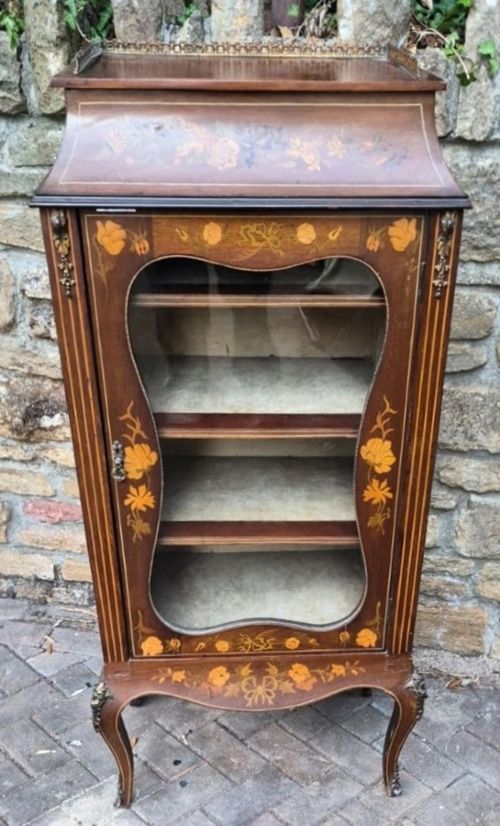
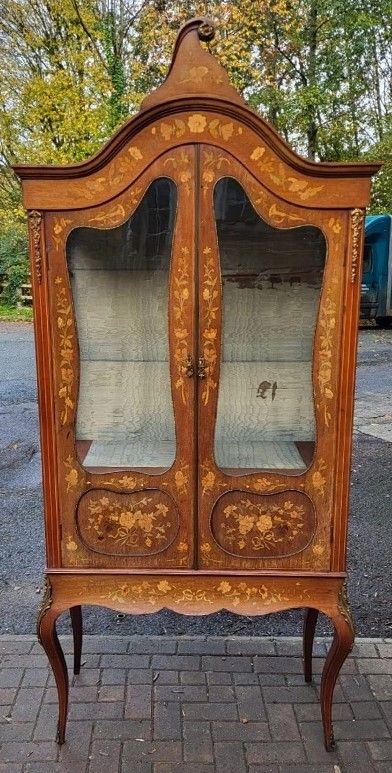


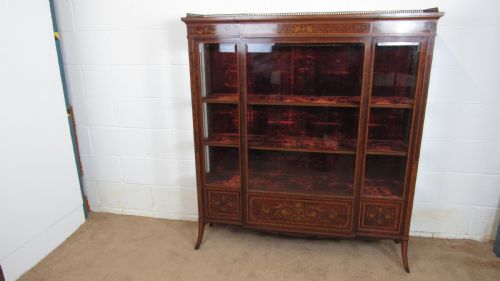
Floral Inlaid China Cupboard
A floral inlaid china cupboard brings warmth and intricate botanical detail into a room, offering glazed display space for cherished ceramics.
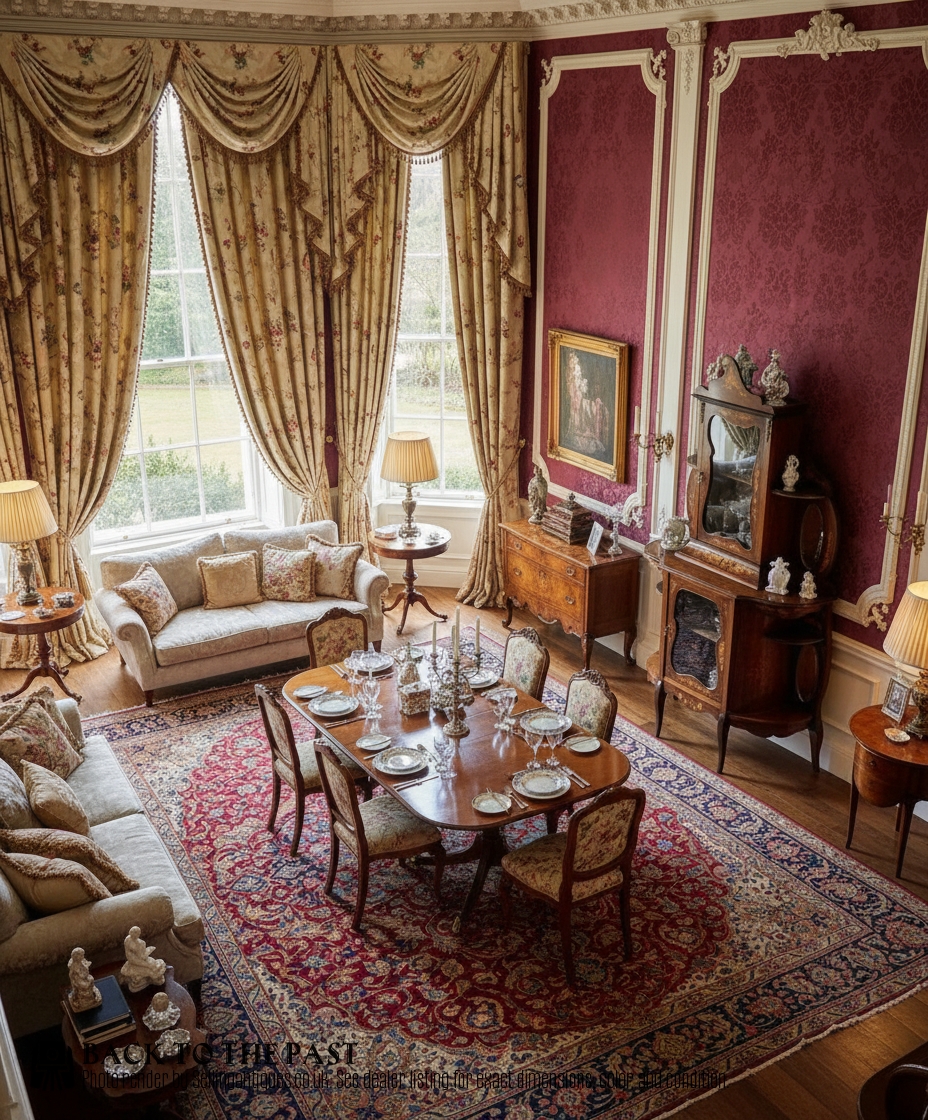
Floral Inlaid China Cupboard
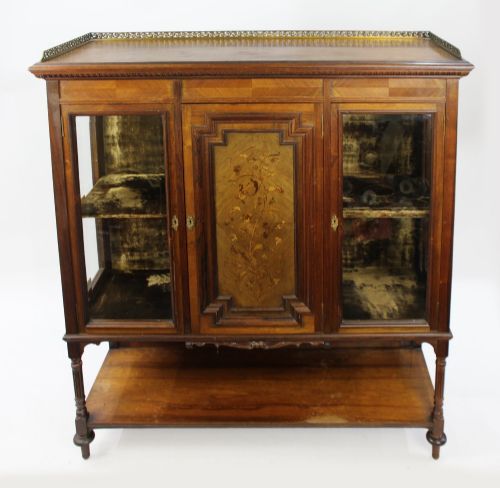
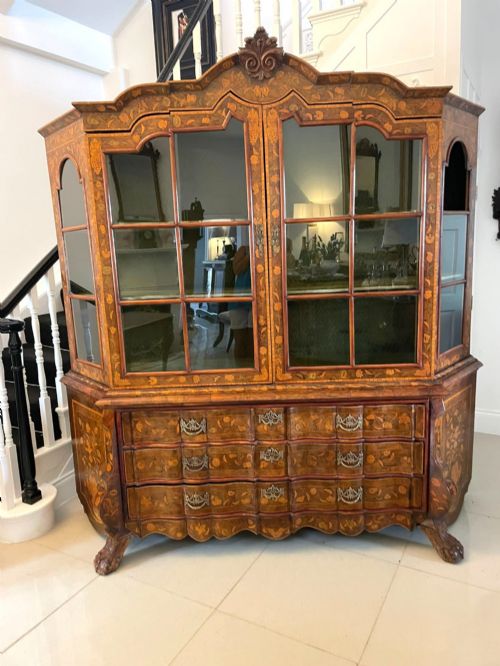
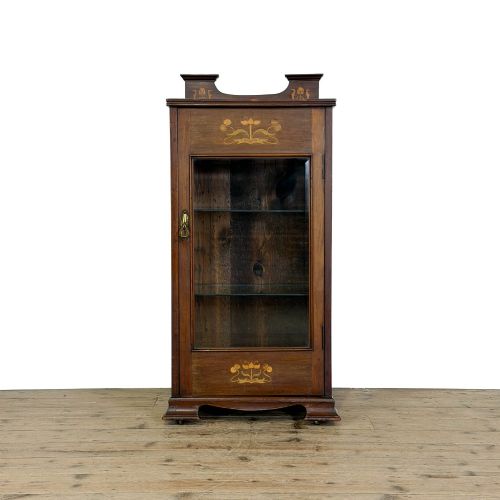
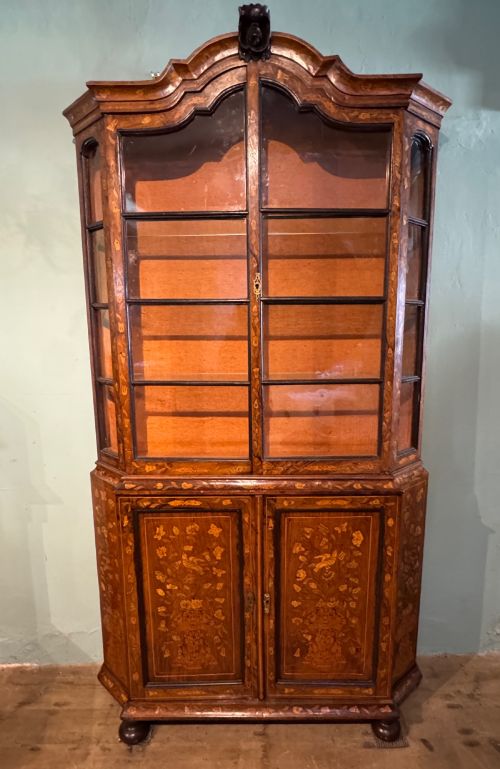
When you search for a floral inlaid china cupboard, you are looking at glazed display cabinets designed to showcase porcelain and glassware while adding decorative richness to a room. These pieces appear in varied regional traditions, ranging from English Sheraton Revival and Edwardian interpretations to continental Dutch Baroque and marquetry works.
On this page, the pieces you are most likely to meet date predominantly from the Edwardian era and the nineteenth century, with occasional eighteenth century examples. They take the form of display cabinets and glazed cupboards, frequently standing on slender legs or structured bases with glass panels to the doors.
Cabinet makers constructed these pieces using woods like mahogany, walnut, and satinwood, often embellishing the exterior surfaces with detailed floral marquetry. The visual impact relies heavily on the contrast between the primary timber and the lighter inlaid woods forming the botanical motifs.
Materials and construction methods
The foundation of these cupboards relies on cabinet timbers such as mahogany and walnut, occasionally enhanced by burr veneers or fiddle back figuring. Workshops applied contrasting woods like satinwood, boxwood, and fruitwood to create elaborate marquetry panels.
Marquetry involves cutting thin veneers of various coloured woods and fitting them together like a puzzle to form floral patterns before gluing them to the carcass. Glazing bars divide the glass doors into panes, while brass hardware secures the closures.
Some cabinets feature fiddle back mahogany so wavy it appears to ripple when you walk past.
Judging quality and craftsmanship
The finesse of the marquetry sets the standard for these pieces, distinguishing crisp, detailed floral cuttings from simpler or coarser inlay work. Choice of timber also plays a role, with burr walnut and figured mahogany elevating the visual depth of the cabinet.
Proportion and execution of the painted or inlaid decorative elements determine the sophistication of the design. Cabinets that integrate structural joinery smoothly with detailed ornamentation represent the upper tier of the range.
The Floral Inlaid China Cupboard Glossary
- Marquetry
- A decorative technique where pieces of veneer are fitted together to form pictorial designs on furniture surfaces. This method creates the detailed floral patterns seen on the cabinet doors.
- Sheraton Revival
- A late nineteenth and early twentieth century design movement that reinterpreted the light, classical furniture styles of the eighteenth century. Cabinets from this period often feature satinwood and delicate floral inlay.
- Display Cabinet
- A case with glass panels intended for showing ceramics and decorative objects. These pieces protect contents from dust while keeping them visible.
- Fiddle Back Mahogany
- A figured timber with a ripple grain resembling the back of a violin. Cabinet makers prized this wood for its distinctive reflective pattern.
- Fruitwood
- Dense timber derived from fruit-bearing trees such as pear or apple, utilised for contrasting colours in marquetry. It provides subtle tones for floral petals and stems.
Floral Inlaid China Cupboard: Frequently Asked Questions
What is a floral inlaid china cupboard?
A floral inlaid china cupboard is a glazed cabinet featuring botanical marquetry woodwork designed to display porcelain and glassware.
These pieces combine functional storage with decorative surface artistry, serving as focal points in dining rooms and drawing rooms.
How do I date a marquetry display cabinet?
Dating depends on the secondary timbers, the style of the legs, and the character of the marquetry design. Edwardian pieces often show lighter satinwood influence, while nineteenth century examples lean towards heavier walnut and mahogany.
Construction techniques inside the drawers and cabinet carcass further clarify the manufacturing period.
Where should I place a display cabinet?
Position the cabinet in a room with stable humidity away from direct sunlight to protect the wood veneers and internal contents. Adequate clearance allows the glazed doors to open fully without obstruction.
Allow enough ambient light in the room to appreciate the fine details of the floral inlay.
How do I care for inlaid wood?
Maintain inlaid wood surfaces by dusting gently with a dry cloth and avoiding harsh chemical polishes. Keep the furniture away from direct heat sources to prevent the veneers from lifting.
Applying occasional appropriate wax preserves the sheen of the timber without damaging the delicate marquetry.