






Victorian Dining Table Cutlery
Victorian dining table cutlery is what you reach for when a formal meal demands the right implements for serving and resting.
Victorian Dining Table Cutlery
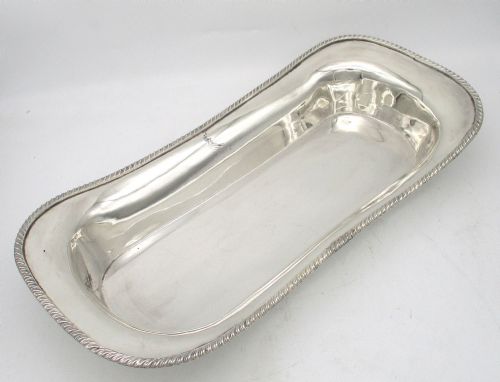
Victorian dining table cutlery encompasses the specialised implements used during formal meals in the nineteenth century, including knife rests, grape scissors, canteens, and serving utensils. When you search for victorian dining table cutlery, you encounter varied accessories designed to keep table linen clean or to handle specific foods.
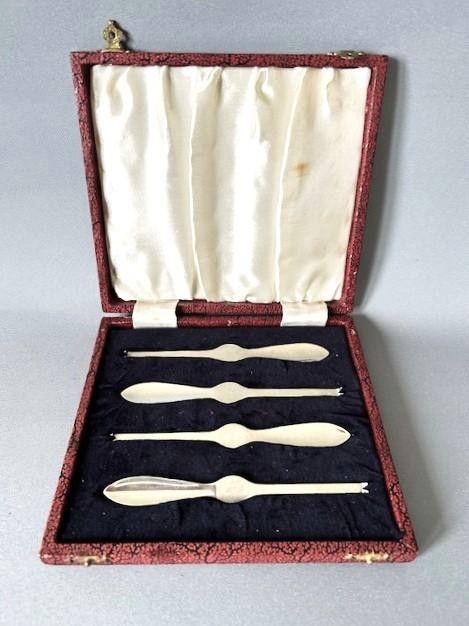
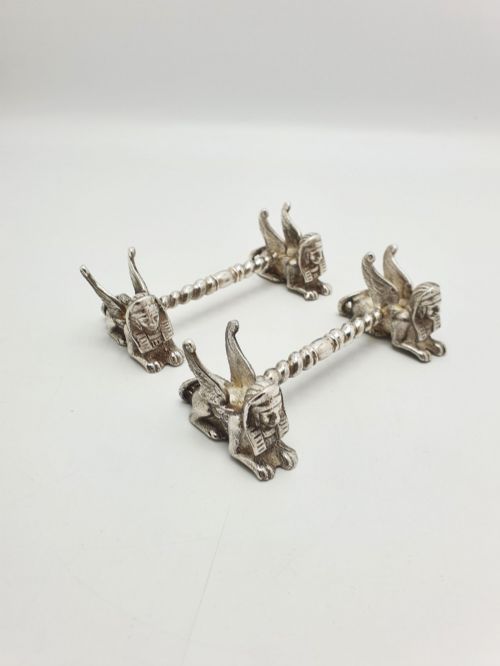
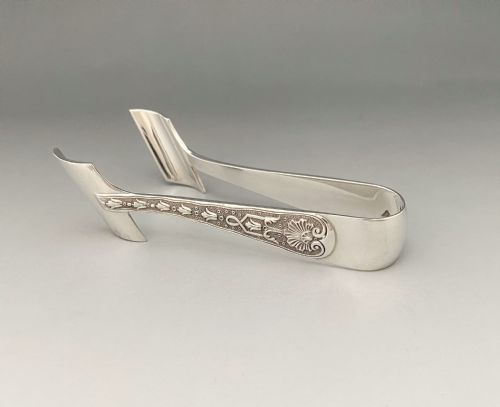
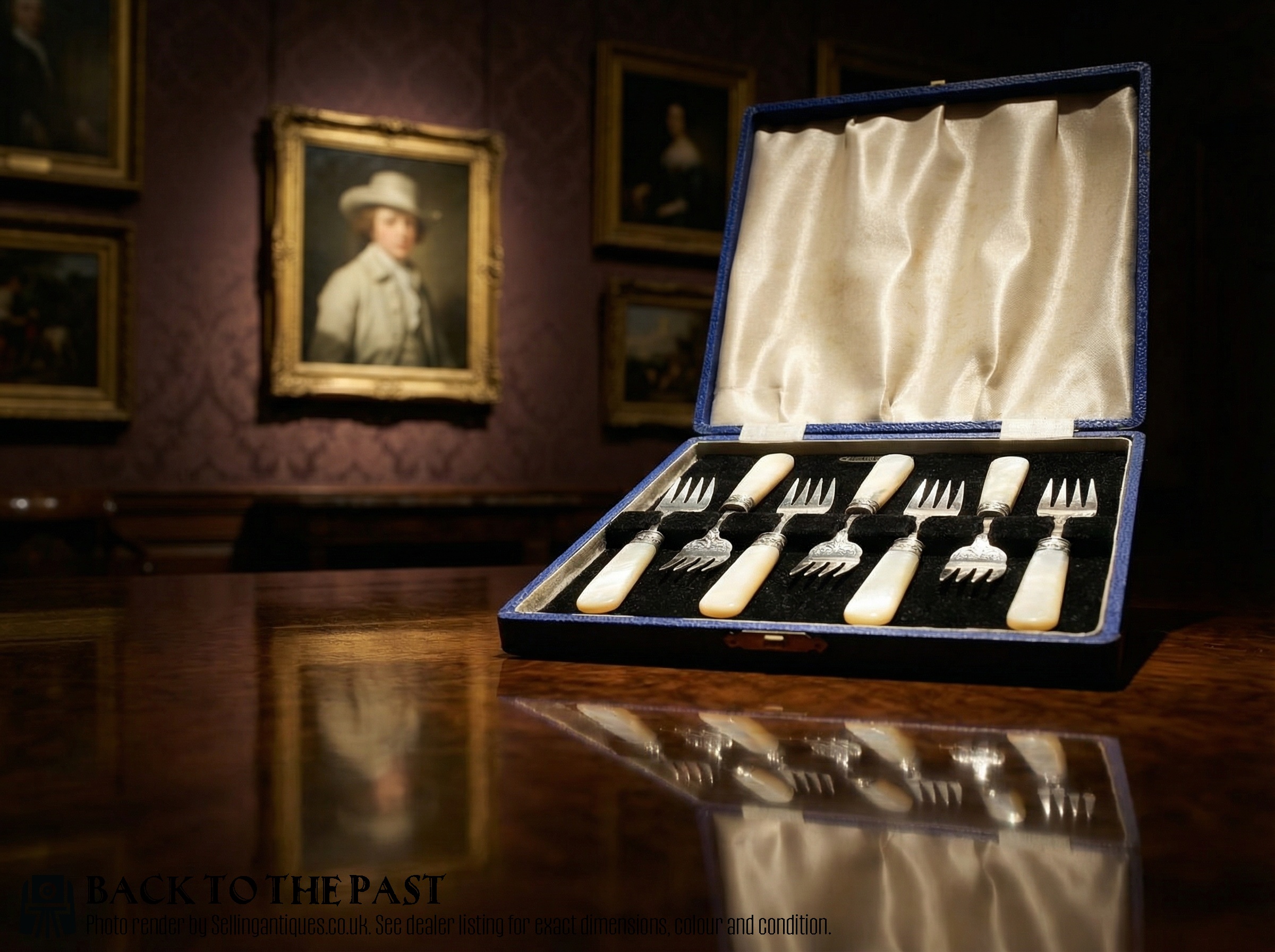
The pieces listed on this page span the Victorian, Edwardian, and later periods, showing materials such as silver, sterling silver, and silver plate. Common forms include cased mother-of-pearl hors d'oeuvres sets, individual asparagus tongs, and knife rests shaped as sphinxes or lions.
Many items survive in fitted boxes lined with velvet or leatherette, preserving them for modern dining tables. You find both individual serving pieces and matched sets intended for specific courses.
How they were made
Makers utilised silver and silver plate over base metals, shaping them through casting and stamping techniques. Heavy gauge silver plate provides durability, while cast silver allows for detailed figural forms.
Natural materials like mother-of-pearl appear on handles and fitted trays, shaped and polished to complement metal utensils. Cut glass is also combined with silver mounts to create rests and servers.
Storage boxes employ wood such as oak, lined with velvet or leatherette to protect the metal surfaces from tarnishing and scratching during storage.
Victorian Dining Table Cutlery Retail Price Guide 2026
Typical asking prices for victorian dining table cutlery among the pieces listed under this phrase on Sellingantiques today, from the lower quarter to the upper quarter. They describe what is for sale here now, not the wider market.
Listings feature periods from early Victorian to the twentieth century, employing materials like silver plate, sterling silver, oak, and velvet.
What varies in quality
The choice of materials and the presence of original fitted canteens or boxes influence the overall standard. Pieces utilising solid sterling silver or high-grade mother-of-pearl hold greater distinction than simpler plated alternatives.
Garrard & Co.·Reilly & Storer
The Victorian Dining Table Cutlery Glossary
- Silver Plate
- A thin layer of silver fused to a base metal core, commonly nickel silver or copper. This technique allowed makers to produce durable tableware at a lower cost than solid silver.
- Sterling Silver
- An alloy consisting of silver and other metals, usually copper, meeting a specific standard of purity. Items made from this material often bear hallmarks indicating the maker and assay office.
- Knife Rest
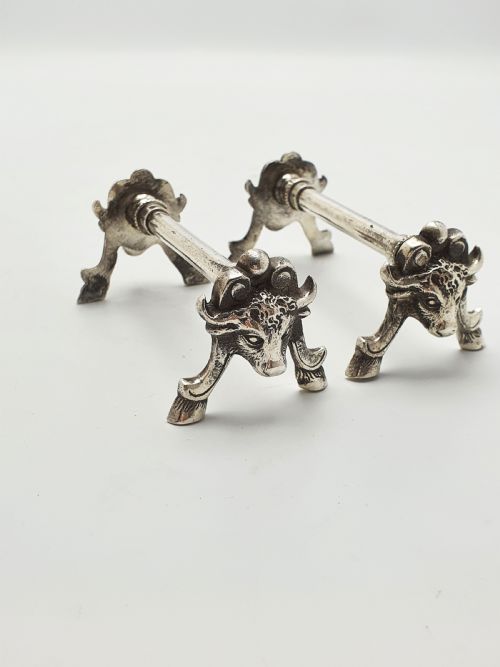
- A small support placed on the table to keep the blade of a knife elevated between courses, preventing food from soiling the tablecloth. These take various decorative forms, including bars and animal figures.
- Grape Scissors
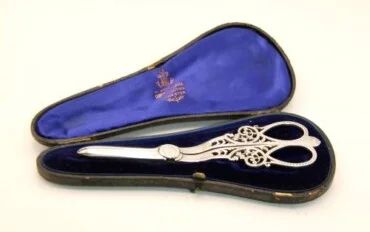
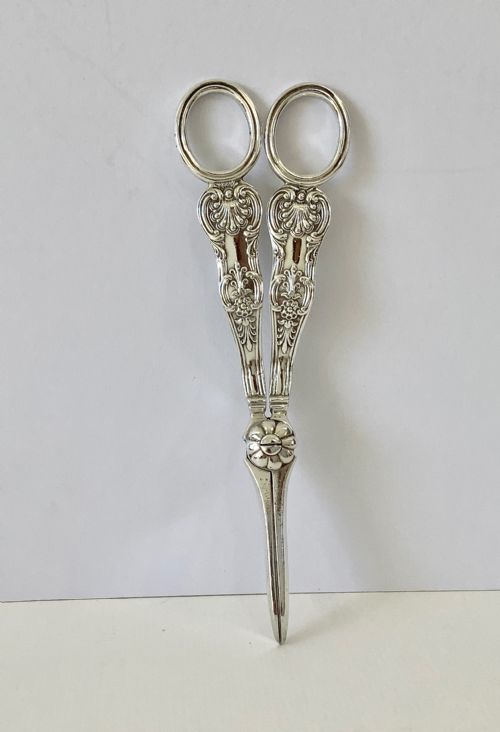
- Specialised shears designed for cutting bunches of grapes at the table. Victorian examples frequently feature ornate cast decoration along the handles.
- Canteen
- A fitted box or case containing a matched set of cutlery or serving pieces. These often feature velvet or leatherette linings to hold each utensil securely.
Victorian Dining Table Cutlery: Frequently Asked Questions
What are knife rests used for?
Knife rests keep the user's knife elevated above the tablecloth between courses, preventing grease and food residue from staining the linen.
They sit beside the plate and come in pairs, often cast in decorative animal or architectural shapes.
How do I identify silver plate?
Silver plate consists of a thin coating of silver applied over a base metal such as nickel silver or brass. Over time, heavy use can wear through the silver layer to reveal the darker base metal underneath.
Items made this way rarely carry standard sterling silver hallmarks, instead sometimes bearing maker marks or electroplate stamps.
How do I clean antique silver cutlery?
Cleaning antique silver requires a gentle cloth and specialised silver polish to remove tarnish without stripping the underlying metal or plating. Harsh abrasives can damage delicate engravings and cast details.
For pieces with mother-of-pearl handles, avoid submerging them in hot water to prevent the natural material from separating.