

Victorian Dining Room
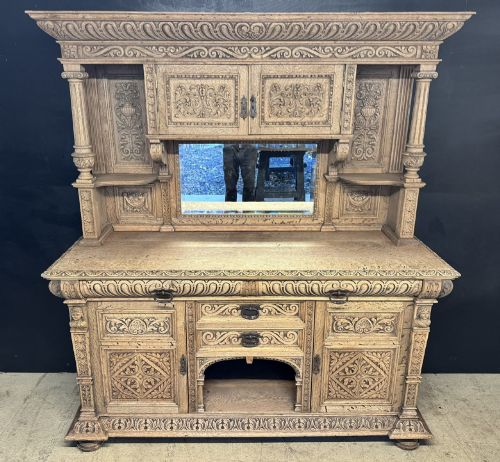
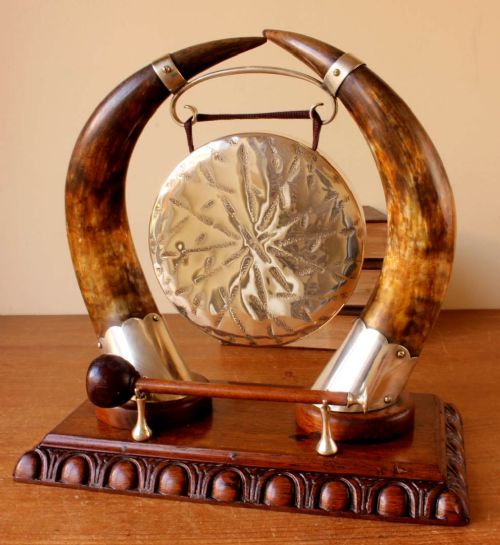
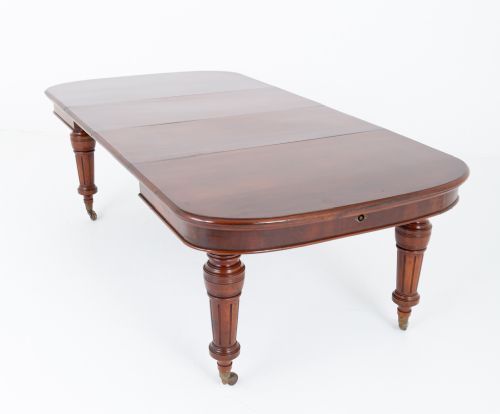
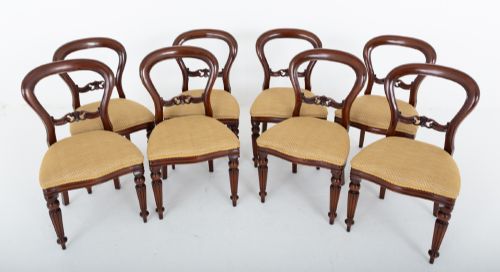
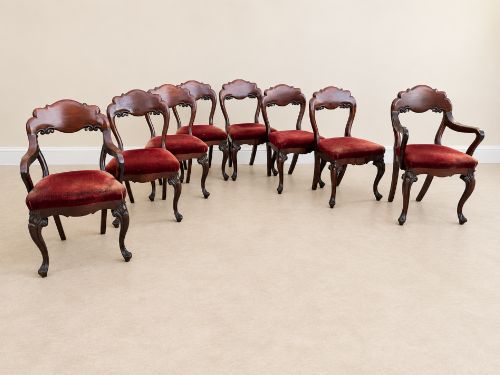
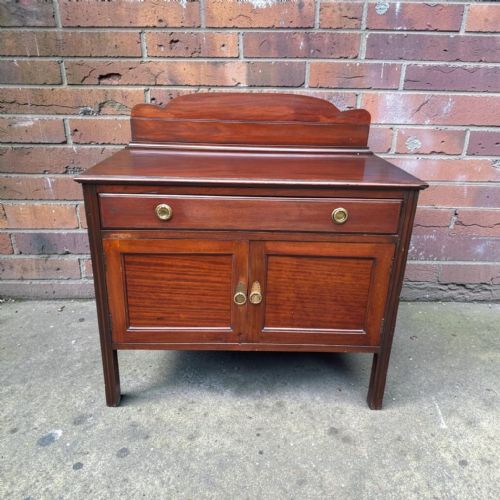
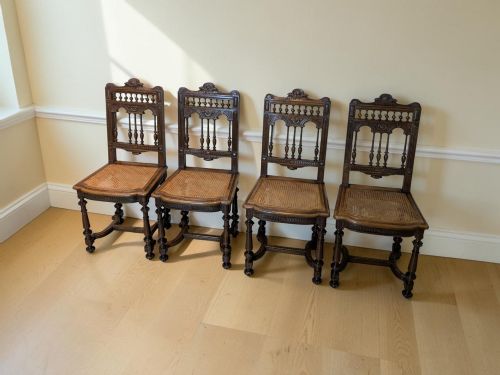
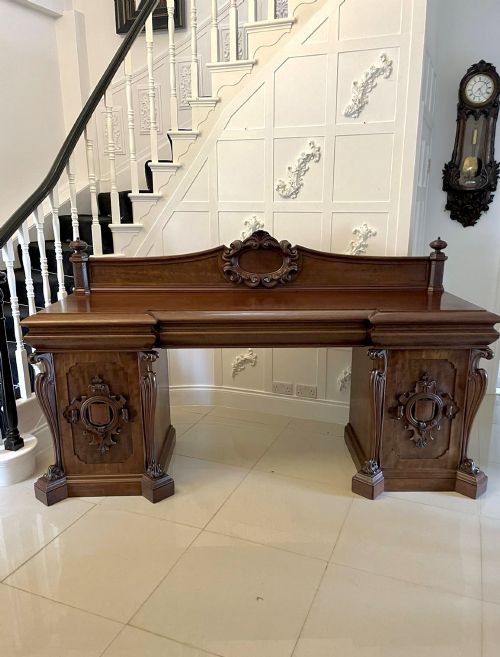
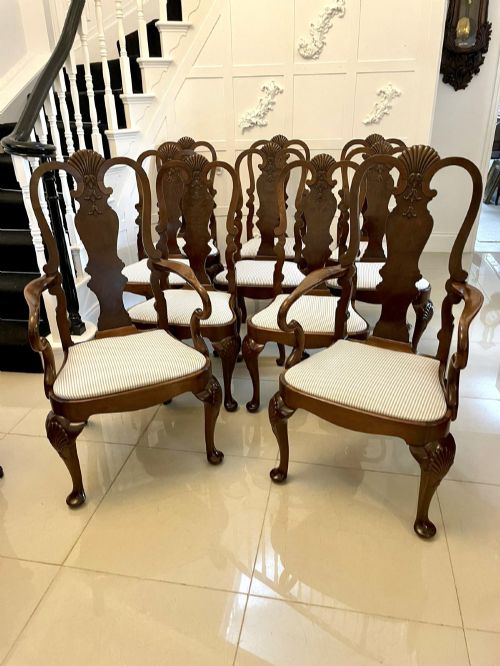
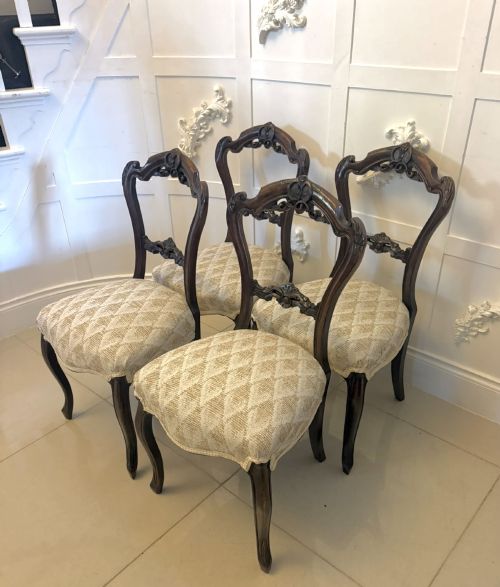
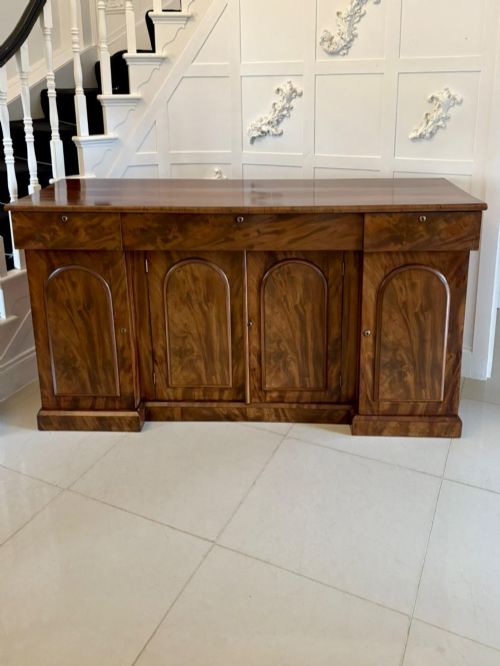
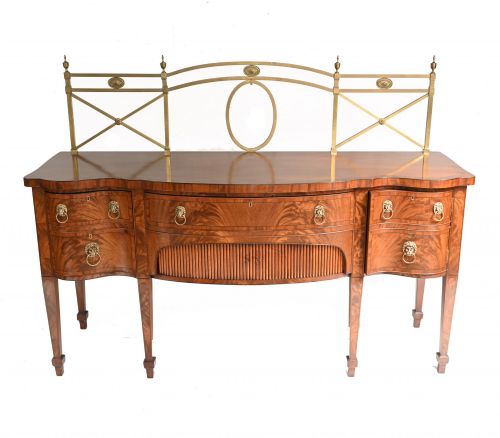
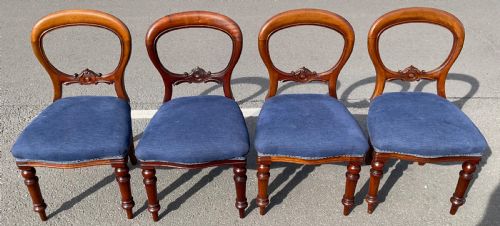
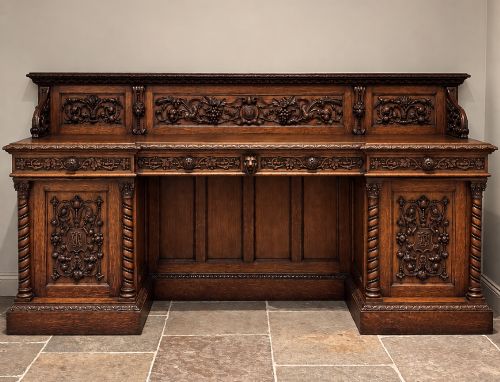
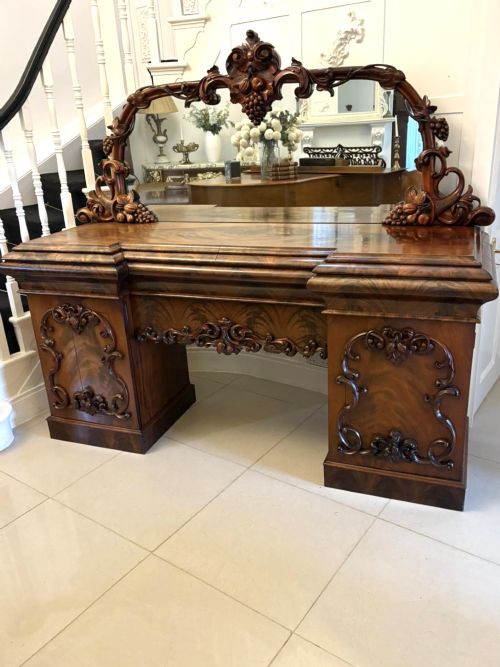
These pieces form a victorian dining room, bringing substantial mahogany tables, balloon back chairs and heavy sideboards together for formal gatherings.
Victorian Dining Room
A victorian dining room centres on substantial seating and robust serving furniture built for nineteenth-century entertaining. Dining chairs often appear in sets, ranging from four to ten pieces, alongside extending tables and grand sideboards.
The layout relies on dark timbers and imposing storage pieces, including chiffoniers, credenzas and buffets. Most examples date from the mid to late nineteenth century, reflecting the heavy proportions typical of the period.
How they were made
Cabinet makers relied primarily on solid mahogany and walnut, frequently applying flame mahogany veneer to large surfaces on sideboards. Carved details and turned supports define the structural framework of tables and chairs.
Secondary elements incorporate brass hardware, glass panels and fabric upholstery such as velvet for padded chair backs. Construction methods utilise traditional joinery suited to heavy domestic use.
Victorian Dining Room Retail Price Guide 2026
Typical asking prices for victorian dining room among the pieces listed under this phrase on Sellingantiques today, from the lower quarter to the upper quarter. They describe what is for sale here now, not the wider market.
Tiered dumbwaiters stand ready to hold dishes, proving that nineteenth-century diners appreciated self-service just as much as we do.
What varies in quality
Craftsmanship shows in the depth of timber carving and the choice of figured veneers on major surfaces like sideboard doors. Superior examples feature cohesive sets of chairs with matching grain patterns and substantial frames.
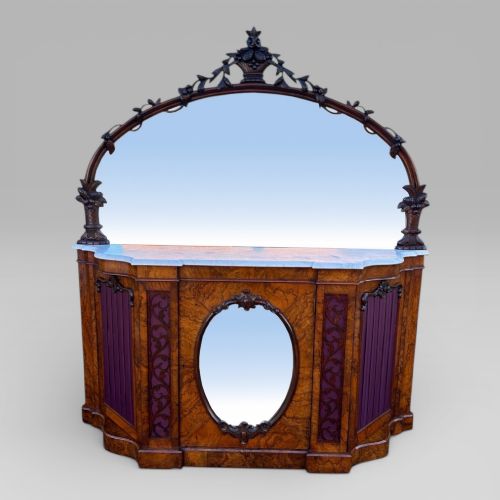
Proportion and decorative restraint distinguish finer items from simpler utilitarian pieces of the era. The integration of mirror backs and marble tops on credenzas indicates higher status production.
Hewetsons London·Gillows
The Victorian Dining Room Glossary
- Balloon back
- A chair design featuring a curved, oval-shaped backrest resembling a balloon, common in nineteenth-century seating. This shape provides comfortable lumbar support during long meals.
- Chiffonier
- A compact sideboard or low cabinet equipped with drawers and shelves, often featuring a small mirror or superstructure. It served to store table linen and glassware.
- Credenza
- A sideboard or buffet cabinet without legs, sitting directly on the floor and frequently fitted with mirrored doors. This form gained popularity during the mid-nineteenth century.
- Dumbwaiter
- A tiered serving table fitted with revolving or stationary shelves used to hold dishes during a meal. These pieces allowed diners to serve themselves without domestic staff present.
- Marquetry
- Decorative veneer work created by fitting small pieces of wood into a patterned background. This technique decorates the surfaces of high-status sideboards and cabinets.
Victorian Dining Room: Frequently Asked Questions
How do I arrange a large sideboard in a modern home?
These imposing storage pieces require a dedicated wall with sufficient clearance to accommodate their heavy proportions. Placing one opposite a dining table balances the visual weight of the room.
Items like mirror-backed credenzas reflect light, helping to brighten spaces containing dark timber furniture. Ensure the surrounding floor space remains open to let the piece stand as a focal point.
How do I care for nineteenth-century mahogany dining surfaces?
Regular dusting with a soft, dry cloth protects the polished finish from abrasive particles. Avoid placing hot dishes or wet glasses directly onto the wood to prevent ring marks.
Applying a traditional beeswax polish periodically helps maintain the moisture and lustre of the timber. Keep these pieces away from direct heat sources and strong sunlight to prevent warping.
Are large sets of dining chairs practical for daily use?
Sets comprising six, eight or ten chairs provide ample seating for family meals and gatherings. Solid timber frames offer durability, though upholstered padded backs require careful cleaning.
Checking the stability of chair joints ensures they withstand regular seating. Mixing historical chairs with a simpler table is common, but matching sets maintain visual harmony.
What is the difference between a buffet and a chiffonier?
A buffet is a large serving piece designed for holding dishes and food during dining events. These structures often feature multiple tiers or heavy lower cupboards for heavy storage.
A chiffonier is typically smaller and functions as a side cabinet with enclosed shelving and sometimes a mirror back. Both pieces served different storage needs in nineteenth-century dining rooms.