



Victorian Dining Flatware
Victorian dining flatware brings nineteenth-century silver and plate to the modern table, offering robust service pieces and matched sets for formal meals.

Victorian Dining Flatware
Victorian dining flatware encompasses a broad range of silver and silver-plated implements designed for nineteenth-century dining, including canteens, fish servers, and serving tongs. Pieces span from the 1880s through the Edwardian era, reflecting formal dining habits of the period.
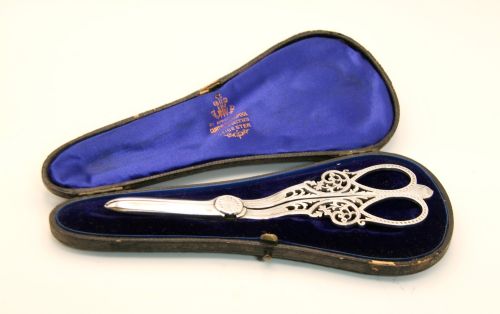
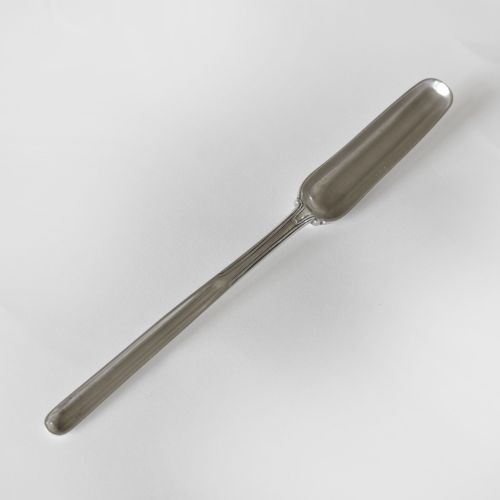
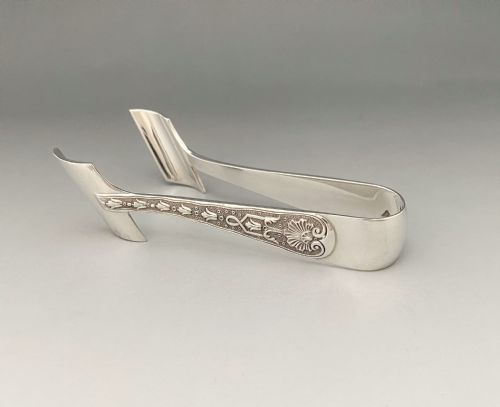
The selection includes specialised implements such as grape scissors, marrow scoops, asparagus tongs, and cheese scoops alongside larger canteens of cutlery for twelve persons. Most items on this page date to the Victorian and Edwardian periods, utilising traditional patterns like Fiddle and Queens.
Materials and construction
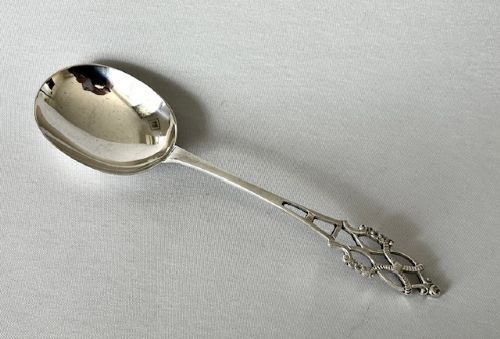
Makers utilised sterling silver and silver plate as primary metals for these implements, shaping them into specialised forms such as pierced fish servers and serving spoons. Handles incorporate bone and antler, adding tactile contrast to the metal work.
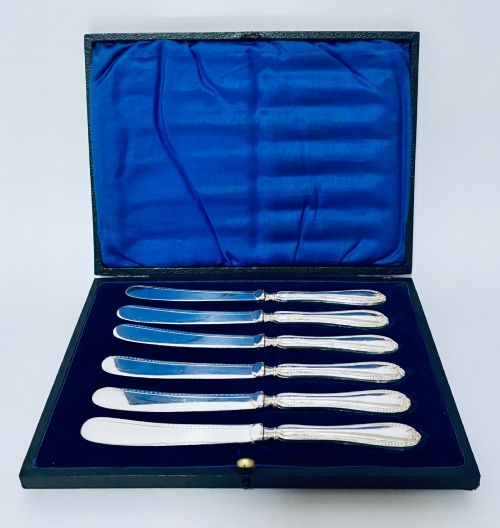
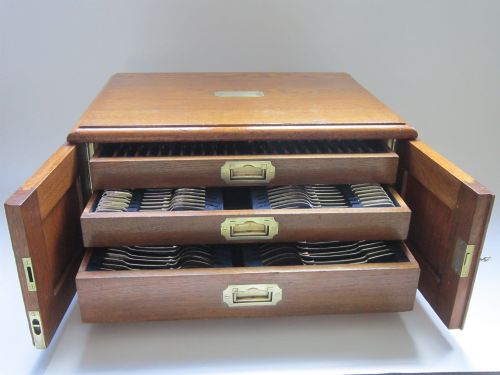
Canteens and presentation sets frequently arrived housed in fitted wooden cases lined with velvet and leatherette, featuring brass hardware. Silversmiths employed techniques like piercing, engraving, and casting to produce ornate ends and family crests.
Listings feature items from the Victorian, Edwardian, and Georgian periods, alongside mid-twentieth-century pieces.
Factors of quality
Quality rests upon the weight of the silver, the crispness of pierced or engraved decoration, and the integrity of handles made from bone or antler. Solid sterling silver pieces typically command higher regard than silver-plated alternatives.
Completeness of sets and the presence of original fitted cases influence the standing of canteens and multi-piece servers. Maker marks and clear hallmarks also contribute to the distinction of individual implements.
Garrard & Co·Walter & John Barnard
The Victorian Dining Flatware Glossary
- Sterling silver
- A silver alloy containing 92.5 percent pure silver by mass, standard for quality British tableware. This standard ensures durability and longevity.
- Silver plate
- A base metal coated with a thin layer of silver, common in nineteenth-century serving sets. It offered a bright finish at a lower cost than solid silver.
- Fiddle pattern
- A nineteenth-century flatware handle design characterised by a narrow stem widening toward a squared, shoulders-and-notch terminal resembling a fiddle. It remains a standard traditional style.
- Queens pattern
- An ornate, heavily embossed flatware design featuring shell and scroll motifs popular in the Victorian era. This decorative style suited formal dining occasions.
- Marrow scoop
- A narrow, trough-like utensil used for extracting marrow from animal bones during dining. Eighteenth- and nineteenth-century examples often feature double-ended bowls of varying sizes.
Victorian Dining Flatware: Frequently Asked Questions
What is included in a cutlery canteen?
A cutlery canteen typically contains a matched set of forks, knives, and spoons organised within a dedicated wooden storage box. These sets were assembled for specific numbers of diners, such as twelve persons.
Many canteens feature velvet or leatherette linings to protect the silver or plated surfaces from tarnish and wear during storage. They represent the comprehensive tableware requirements of nineteenth-century households.
How do I identify a fish server?
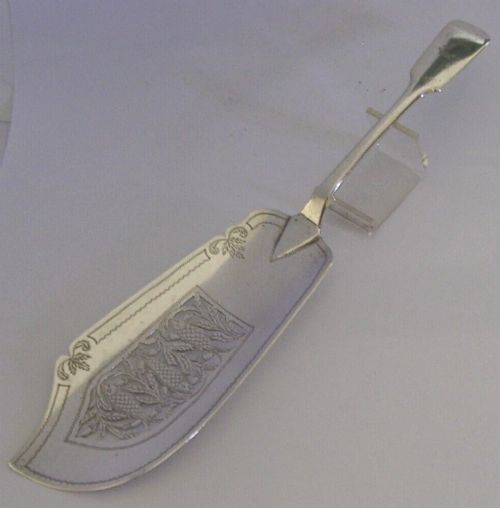
Fish servers feature a wide, flat blade often decorated with pierced or engraved aquatic or scroll designs. They are accompanied by a matching fork designed specifically for serving fish courses.
The blade shape allowed hosts to lift delicate fish fillets without breaking them during formal meals. Handles on these servers frequently incorporate bone or antler alongside silver or plated metal.
What are solo asparagus tongs used for?
Solo asparagus tongs are small, specialised implements designed for grasping individual stalks of asparagus during a meal. They allowed diners to handle food cleanly without using fingers.
These pieces reflect the Victorian and Edwardian fashion for hyper-specialized dining utensils. They appear less frequently than standard serving spoons or general flatware.
How should I care for silver flatware?
Silver flatware requires gentle washing in warm water with a mild detergent followed by immediate drying with a soft cloth. Avoid abrasive cleaners that can damage the metal surface or wear down silver plating.
Store pieces in tarnish-resistant cases or lined canteens when not in use to minimise exposure to air. Regular handling and gentle use often maintain a pleasant finish without excessive polishing.