



Victorian Despatch Box
These robust victorian despatch box examples offer a tangible link to nineteenth-century administration, combining leather, brass, and timber in portable workspaces that still serve modern desks.

Victorian Despatch Box
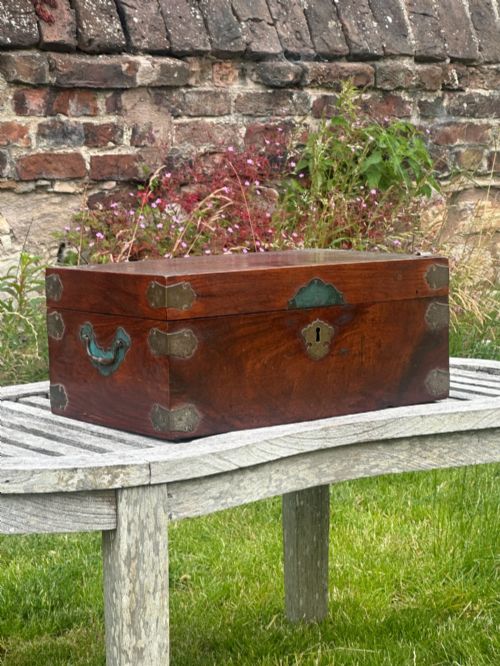
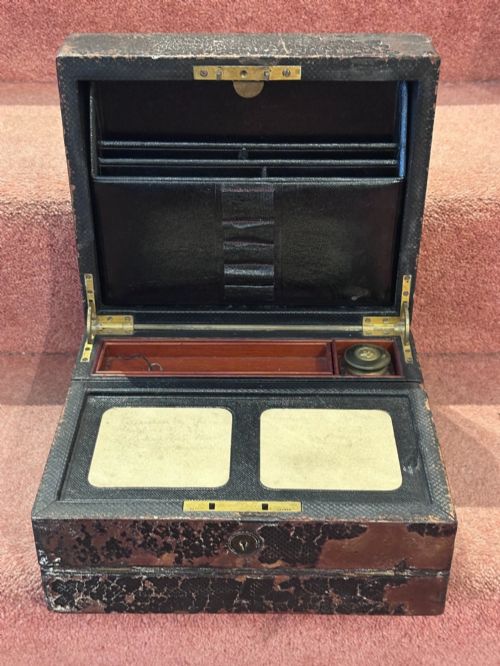
When searching for a victorian despatch box, buyers encounter portable containers designed for correspondence, travel, and document storage during the nineteenth century. These pieces encompass various forms including writing boxes, deed boxes, attaché cases, and correspondence boxes.
The versions most frequently met on this page include leather-bound writing boxes alongside brass-bound timber deed boxes. Materials span wood, leather, brass, padouk, ebony, pine, and bone.
Origins and influences range from standard English manufacture to Anglo-Indian Colonial and Sri-Lankan examples, occasionally bearing specific stylistic traits such as Gothic revivalism.
How they were made
Construction relies heavily on timber foundations fashioned from woods like padouk, ebony, mahogany, and pine, frequently reinforced with brass mounts and bound for durability.
Exterior surfaces often feature leather coverings, sometimes embossed or paired with bone details, reflecting the functional requirements of nineteenth-century officers and travellers.
Victorian Despatch Box Retail Price Guide 2026
Typical asking prices for victorian despatch box among the pieces listed under this phrase on Sellingantiques today, from the lower quarter to the upper quarter. They describe what is for sale here now, not the wider market.
Materials appearing across current and past listings include padouk, ebony, pine, brass, leather, and bone.
What varies in quality
Differentiation across the range rests on the choice of materials, from standard pine carcases to dense exotic timbers like ebony and padouk, alongside the precision of brass binding.
Execution and provenance elevate specific items, particularly those associated with known makers or exhibition standards that distinguish utilitarian pieces from elaborate travelling cabinets.
P&F Shafer·Houghton & Gunn·Pugin·Toulmin & Gale
The Victorian Despatch Box Glossary
- Despatch box
- A portable container utilised for carrying official documents and correspondence. These boxes typically feature secure locking mechanisms and fitted interiors.
- Deed box
- A heavy-duty storage chest designed for legal documents and papers. They frequently incorporate robust brass bindings and carrying handles.
- Anglo-Indian
- A style reflecting British influence combined with South Asian craftsmanship. Pieces in this category often utilise padouk and intricate detailing.
- Writing slope
- A hinged box that opens to reveal a sloping surface for writing. They generally include compartments for inkwells, pens, and stationery.
Victorian Despatch Box: Frequently Asked Questions
What is a victorian despatch box used for?
These boxes served as portable desks and secure storage for letters, legal papers, and official documents during travel or home administration. Officers and officials relied on them to keep correspondence organised.
Today, they function well on modern desks for storing letters, stationery, or contemporary accessories while adding period character to a room.
How do I identify different styles?
Styles range from plain leather-bound writing cases to heavily bound brass deed boxes and exotic wood cabinets. Regional influences, such as Anglo-Indian padouk construction, appear alongside Gothic revival mahogany designs.
Examining the materials, from common pine to ebony, helps determine the origin and potential workshop background of the piece.
Are these boxes suitable for travel?
While originally built for nineteenth-century travel and military campaigns with sturdy brass bindings and leather reinforcement, modern use tends to favour static display and storage.
Their robust construction means they handle everyday desktop use with ease, though delicate internal fittings require gentle treatment.
How do I care for the leather and wood?
Maintenance involves keeping leather surfaces nourished and avoiding excessive moisture or direct sunlight that might warp timber or crack bindings. Brass hardware benefits from occasional gentle cleaning.
Preserving the original finish maintains the character acquired over more than a century of use.