



Victorian Desk Storage Box
A victorian desk storage box organises letters and papers with period craftsmanship, offering a practical solution for modern workspaces.
Victorian Desk Storage Box
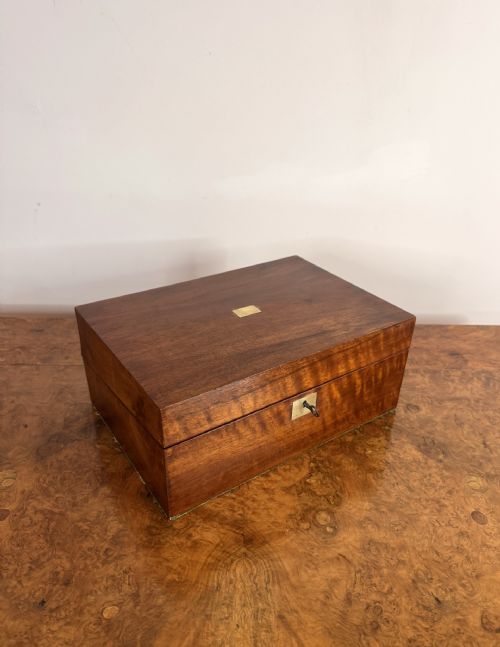
A victorian desk storage box encompasses a range of wooden receptacles designed to hold correspondence, documents, and writing implements upon a writing surface. Buyers seeking a victorian desk storage box encounter forms such as writing slopes, stationery boxes, and document cases originating from the nineteenth century.
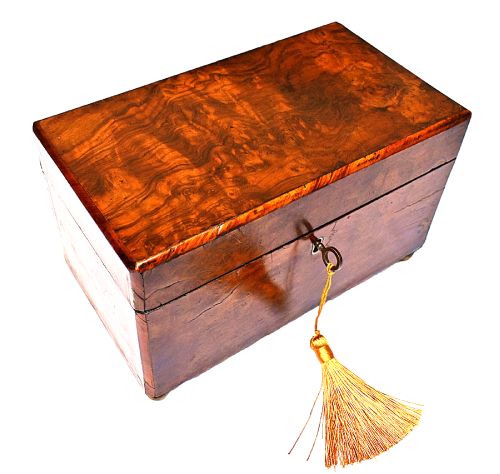
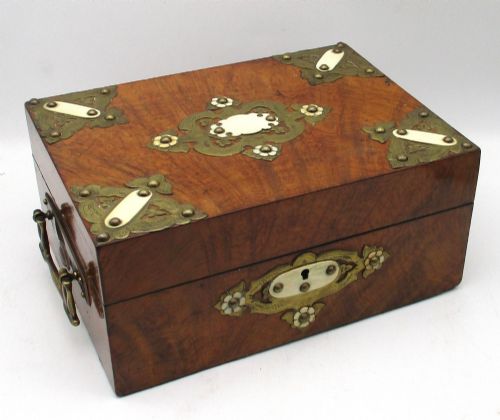
The materials utilised in these pieces reflect the preferences of the period, featuring dense hardwoods like mahogany and walnut alongside decorative veneers such as burr walnut. Many examples incorporate brass fittings, leather inserts, and iron hardware, showing functional adaptation for travel or office organisation.
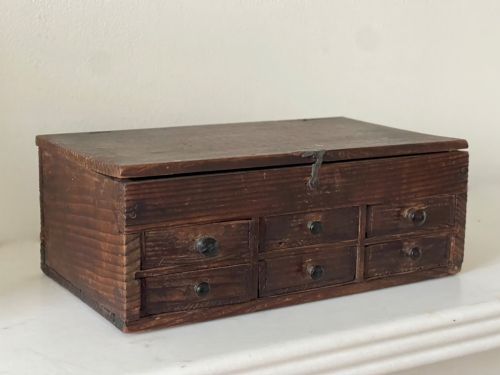
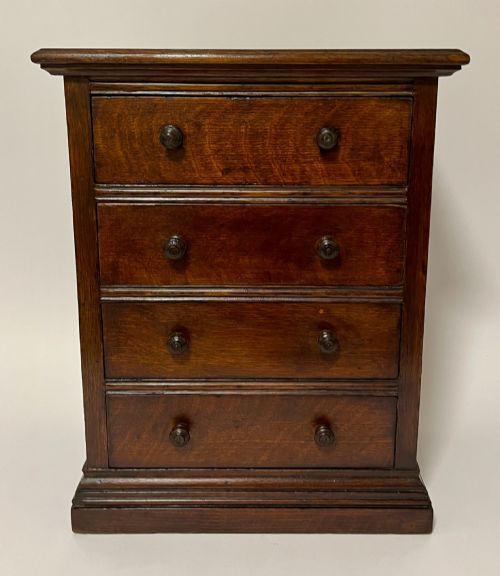
Makers of the era produced items ranging from utilitarian campaign boxes to decorative table cabinets and tea caddies adapted for storage. The selection spans styles including Arts and Crafts, Folk Art, and Victorian utilitarian designs.
How they were made
Makers constructed these boxes using solid timbers and decorative veneers, applying brass mounts for structural reinforcement and visual contrast. Joinery techniques included dovetailed corners and internal partitions tailored to specific desk accessories.
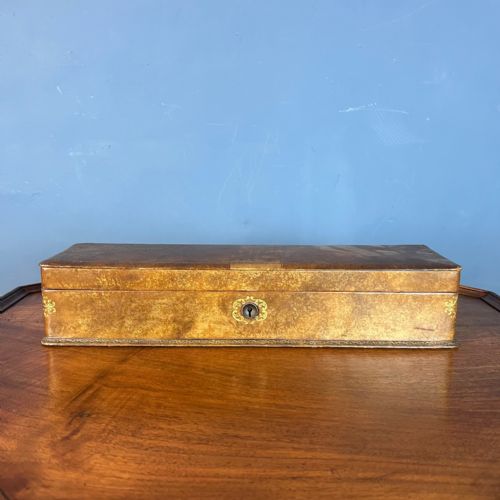
Surface treatments involved careful polishing of mahogany, walnut, and oak to highlight natural grain patterns, occasionally paired with tooled leather interiors. Brass bound edges and fitted locks provided durability for daily use and transport.
Victorian Desk Storage Box Retail Price Guide 2026
Typical asking prices for victorian desk storage box among the pieces listed under this phrase on Sellingantiques today, from the lower quarter to the upper quarter. They describe what is for sale here now, not the wider market.
One extraordinary box depicts an American Indian and a lion carved into the wood.
What varies in quality
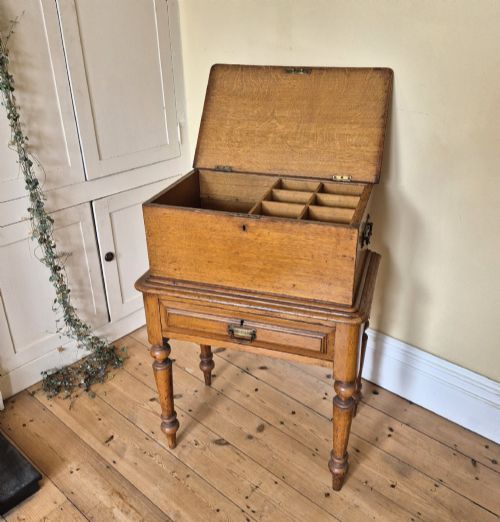
The selection of timber and veneer dictates the visual presence of each box, with burr walnut and figured mahogany representing finer production standards. The precision of internal dividers, pigeonholes, and secret compartments separates standard utility pieces from more ambitious cabinet work.
Hardware execution also defines the tier of a piece, distinguishing simple iron fixtures from substantial brass mounts, escutcheons, and working locks with keys.
W & J Milne·Waring & Gillow·Amberg
The Victorian Desk Storage Box Glossary
- Writing slope
- A portable box with a hinged sloping lid that opens to reveal a slanted writing surface and internal storage for paper and ink.
- Stationery box
- An upright desk cabinet featuring tiered compartments designed specifically for holding envelopes and headed paper.
- Campaign box
- A sturdy storage chest or correspondence box built with recessed brass handles for military officers on the move.
- Burr walnut
- A highly figured wood veneer taken from the burl growth of a walnut tree, prized for its swirling patterns.
- Escutcheon
- A protective brass plate surrounding a keyhole, often shaped to complement the box design.
Victorian Desk Storage Box: Frequently Asked Questions
What fits inside a stationery box?
These boxes contain vertical dividers and compartments sized for traditional writing paper, envelopes, and small ledgers.
Larger stationery cabinets incorporate tiered slots and pen trays to keep desktop items upright and accessible.
How do writing slopes open?
Writing slopes feature a hinged lid that folds down flat or angles upward to create a firm writing surface.
Opening the slope reveals fitted compartments for inkwells, stamps, and nibs beneath the writing flap.
Where were campaign boxes used?
Campaign storage boxes travelled with military officers and administrators across the British Empire during the nineteenth century.
Their robust construction and recessed brass fittings protected important correspondence during transport.
Are keys included with these boxes?
Some pieces retain their original working keys for the brass locks, while others function purely as open desk storage.
Locks and escutcheons remain intact on most examples even when the operational key is absent.