

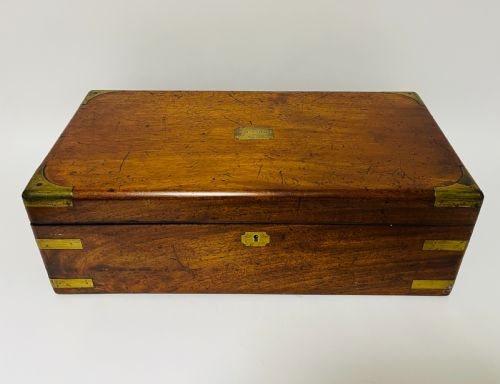


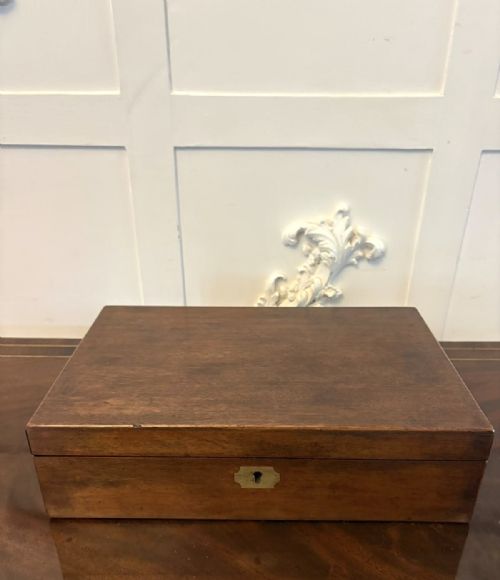


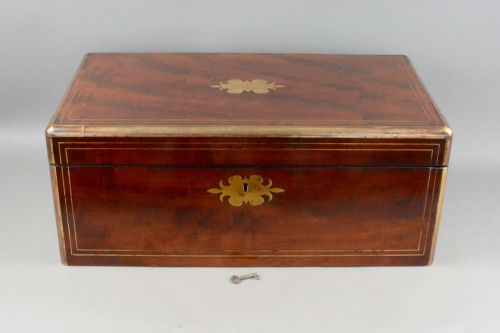


Brown Mahogany Writing Box
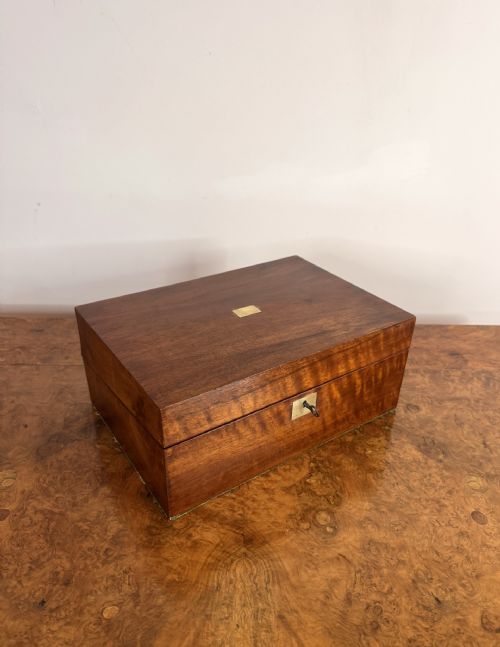
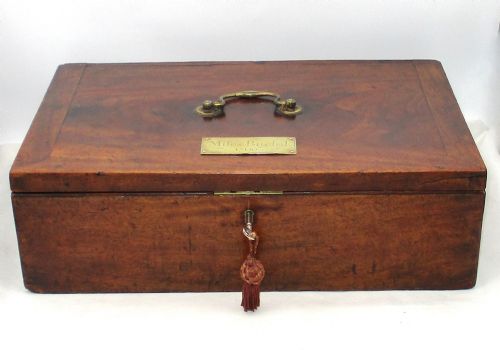
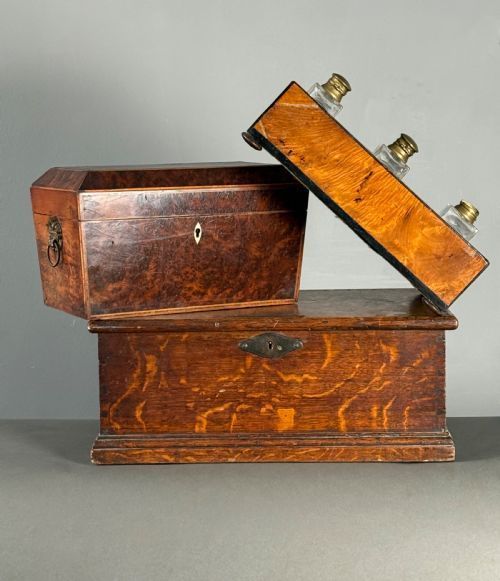
These brown mahogany writing box examples offer portable desks and storage from past centuries, crafted to organise correspondence on the move.
Brown Mahogany Writing Box
A brown mahogany writing box serves as a portable desk or fitted cabinet designed for correspondence and document storage. The selection spans periods from the 18th century through to the Edwardian era, including Georgian and Regency examples.
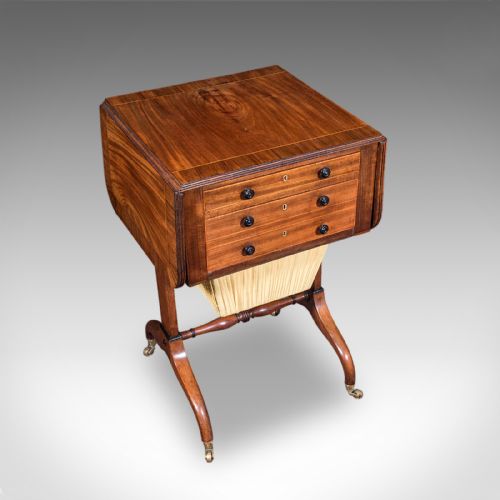
The objects appear in various forms on this page, such as writing slopes, document boxes, stationery cabinets, and campaign desks. Many feature fitted interiors, secret compartments, and brass fittings suited to travel or study.
How They Were Made
Cabinet makers utilised solid and figured mahogany timber as the primary structural material, frequently enhanced with satinwood, walnut, and oak. Details incorporated into these boxes include bone, mother-of-pearl, and glass elements.
Construction methods involved brass binding for campaign durability, alongside fine inlay work for stationery cabinets. Interiors often contained folding writing surfaces lined in fabric and specialised compartments for inkwells and pens.
Brown Mahogany Writing Box Retail Price Guide 2026
Typical asking prices for brown mahogany writing box among the pieces listed under this phrase on Sellingantiques today, from the lower quarter to the upper quarter. They describe what is for sale here now, not the wider market.
Naval architects and military officers carried these boxes to sea, ensuring their inkwells stayed level whilst charting oceans.
What Varies In Quality
The standard of a box rests upon the selection of figured mahogany timber and the precision of its joinery. Superior examples display carefully matched grain patterns and robust construction capable of enduring frequent travel.
Interior complexity and hardware integration also define the grade of the piece. High-quality items include well-executed secret compartments, precise brass bound edges, and integrated compartments that function smoothly.
Fisher
The Brown Mahogany Writing Box Glossary
- Writing slope
- A portable desk featuring an angled writing surface that typically folds flat when closed. Inside, it provides storage compartments for paper, ink, and pens.
- Campaign box
- A piece of furniture designed for military officers on active service abroad, constructed for portability and strength. These items frequently feature recessed brass handles and reinforced corners.
- Secret compartment
- A hidden drawer or concealed space built into the interior of a box. Cabinet makers utilised these to secure valuables and confidential papers.
- Stationery cabinet
- An upright desk accessory designed to hold paper, envelopes, and correspondence items. These boxes often feature tiered pigeon holes and glazed or panelled doors.
- Figured mahogany
- Timber cut from specific sections of the mahogany tree to reveal decorative grain patterns like flame or fiddleback. Craftsmen reserved these choice boards for external visible surfaces.
Brown Mahogany Writing Box: Frequently Asked Questions
How do I use a writing slope?
Open the hinged lid to reveal the sloping writing surface and internal compartments for stationery. The interior often includes slots for pens and inkwells.
Many slopes feature a surface that folds down to create a flat or angled plane for writing letters.
What is a campaign writing box?
A campaign box is built with robust brass corners and binding to withstand travel during military service. These items are designed to be portable and compact.
Recessed brass handles prevent snagging during transport across long distances.
Where do I find secret compartments?
Secret drawers often hide behind false panels within the stationery well of a writing slope. Removing specific dividers can release the spring-loaded or sliding catch.
Cabinet makers designed these concealed spaces to safeguard letters and valuables.
How do I date an antique box?
Examine the construction methods, wood types, and brass hardware style to determine the period. Georgian and Regency pieces often display simpler, elegant lines.
Later Victorian and Edwardian examples may incorporate more elaborate stationery compartments and inlaid decoration.