



Victorian Desk Organizer
A victorian desk organizer keeps correspondence and writing tools ordered, bringing nineteenth-century utility and fine cabinet-making to a modern study.
Victorian Desk Organizer
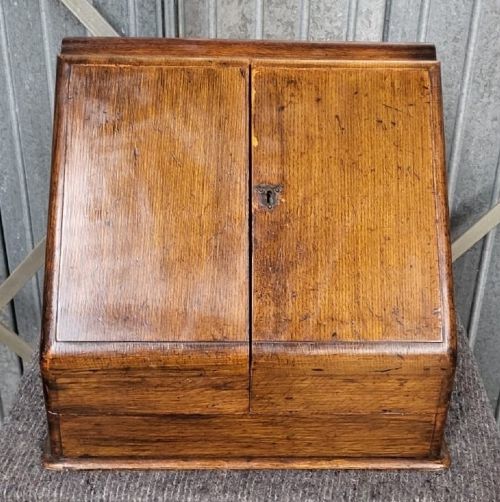
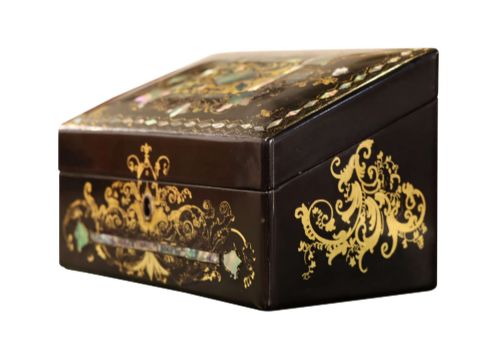
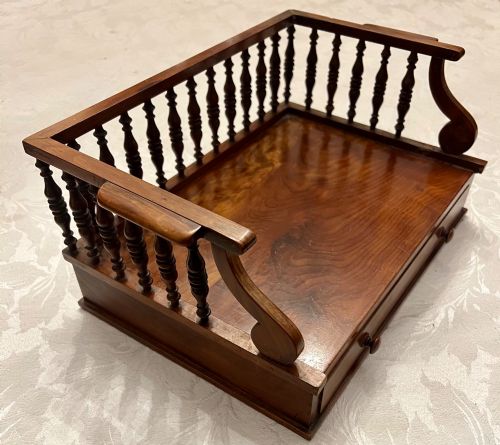
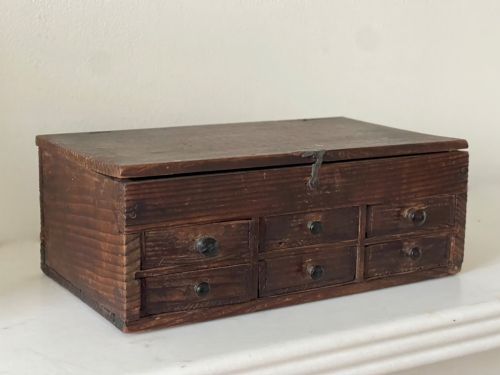
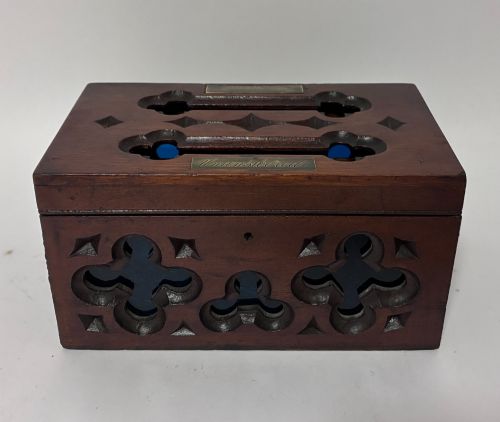
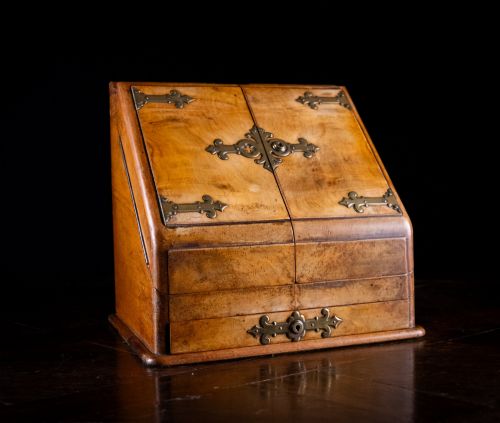
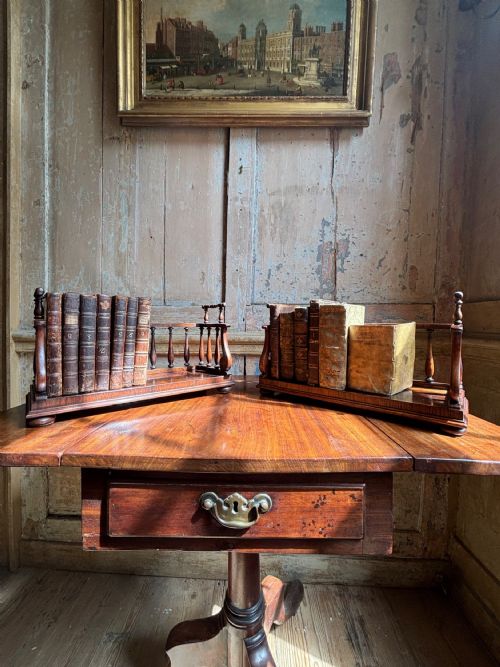
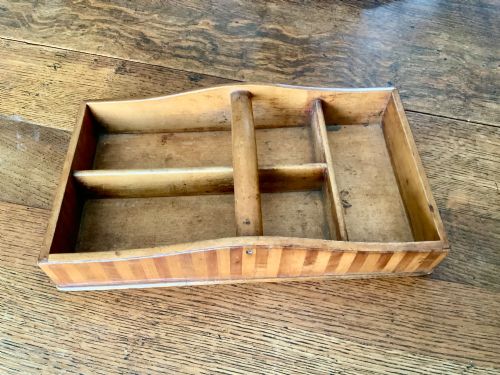
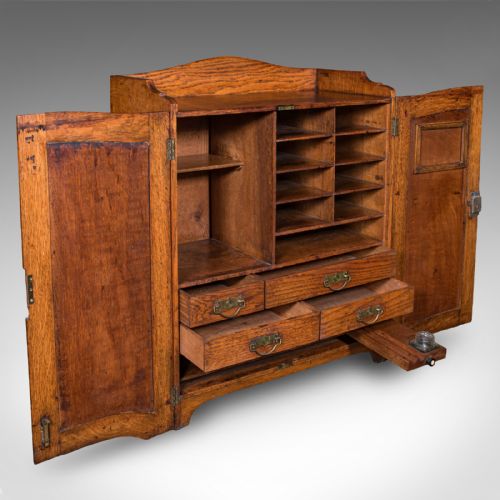
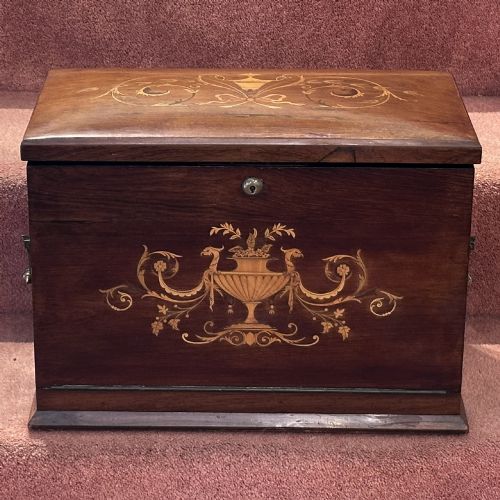
A victorian desk organizer encompasses a variety of desktop furnishings designed to hold stationery, letters, books, and writing instruments. The pieces available include stationery boxes, correspondence boxes, inkstands, letter racks, book slides, and desktop cartonnier units.
Originating largely from the nineteenth century, these organizers span periods from the early Victorian decades through to Edwardian interpretations. Makers utilised diverse stylistic influences, ranging from Gothic Revival and Rococo Revival to Arts and Crafts designs.
How They Were Made
Cabinet-makers constructed these pieces using dense hardwoods like walnut, mahogany, oak, and exotic veneers such as coromandel and rosewood, frequently incorporating dovetailed joints for structural integrity.
Metalwork played a significant role, with cast brass, ormolu mounts, and silver plating utilised for hinges, handles, gallery rails, and inkwell lids. Specialised decorative techniques included Tunbridge ware inlay, mother-of-pearl embellishments, and Japanese lacquer work.
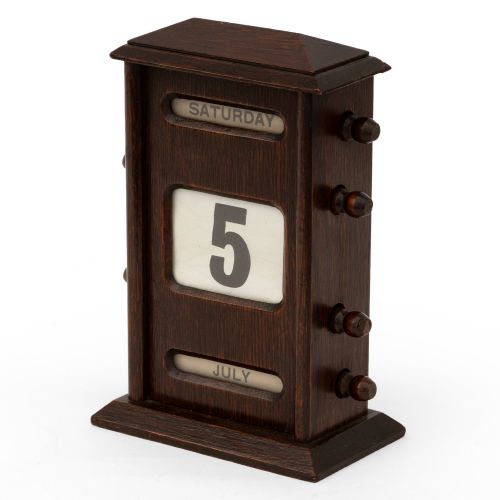
Interiors often combined secondary woods with satinwood, leather surfaces, and fitted glass inkwells, while patent mechanisms allowed items like book slides and calendars to extend or adjust.
Victorian Desk Organizer Retail Price Guide 2026
Typical asking prices for victorian desk organizer among the pieces listed under this phrase on Sellingantiques today, from the lower quarter to the upper quarter. They describe what is for sale here now, not the wider market.
Several pieces conceal secret drawers behind dummy book spines, allowing Victorian letter-writers to keep private matters truly confidential.
What Varies in Quality
The distinction between standard utility items and exceptional pieces rests upon the choice of timber and the precision of the cabinet-work. Highly figured veneers, symmetrical grain matching, and complex internal fittings denote superior craftsmanship.
Hardware and secondary materials also dictate standing. Heavy cast brass mounts, fully operational patent locking mechanisms, and original cut-glass inkwells elevate a piece far above simpler mass-produced counterparts.
Elkington·Edmund Nye·Betjemanns·Harrods
The Victorian Desk Organizer Glossary
- Stationery box
- A tabletop cabinet designed to hold writing paper and envelopes upright. These often feature sloping lids or tiered compartments.
- Inkstand
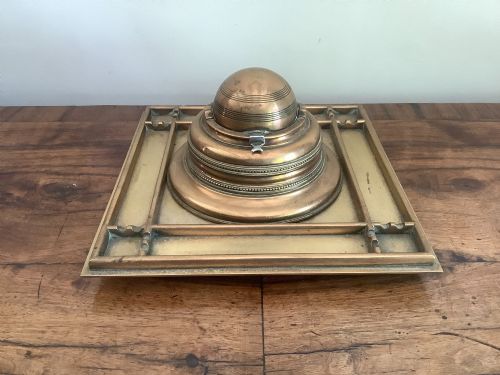
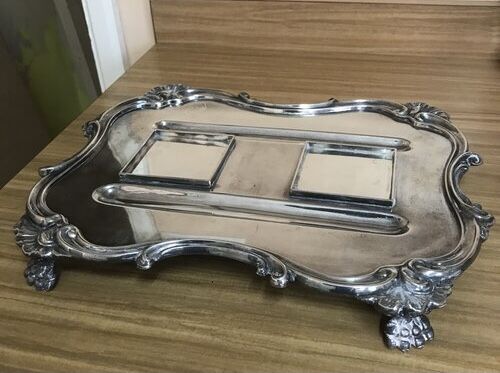
- A tray or stand holding one or more inkwells, frequently accompanied by pen rests and sanders. They sit directly upon the writing surface.
- Cartonnier
- A set of tiered document boxes or pigeon-holes used for filing papers. These desktop units often display ornate mounts or revival styling.
- Book slide
- An extending rack designed to hold a small selection of volumes upright on a desk. They often incorporate hinged or sliding wooden bookends with brass or metal mechanisms.
- Tunbridge ware
- A form of decorative woodwork produced in Kent, featuring tiny mosaic tiles made from different coloured woods to form pictorial or geometric patterns.
Victorian Desk Organizer: Frequently Asked Questions
What is a victorian desk organizer used for?
These desktop accessories were created to sort incoming letters, store writing paper, and house inkwells and pens in an orderly fashion. They kept essential writing materials close at hand while protecting delicate paper from dust.
Today, they serve a similar purpose for organising modern mail, notebooks, and small stationery items on a working desk or mantelpiece.
How do I identify a Victorian piece?
Victorian items typically display characteristic timber choices such as walnut, rosewood, and oak, often paired with heavy brass handles and hinges. Stylistic clues include revival motifs like Gothic arches or Rococo scrollwork.
Construction methods also help with dating, as nineteenth-century pieces generally show hand-cut dovetailing and older methods of joining before mass production took over.
Are inkwells usually original to the stand?
Finding an inkstand with its original matching glass or ceramic inkwells is common, though replacements do occur due to breakage over time. Original glass often shows bubbles, slight imperfections, or hand-cut facets.
Matching the collar dimensions and the footprint inside the stand helps determine whether an inkwell has belonged to the piece since manufacture.
How do I care for wooden desk accessories?
Regular dusting with a dry, soft cloth prevents particulate build-up on delicate veneers and carved surfaces. Avoiding direct sunlight and maintaining stable room humidity protects the wood and prevents warping.
Occasional application of appropriate wax feeds traditional finishes without leaving heavy chemical residues on antique timber.