



Victorian Decorative Table Clock
A victorian decorative table clock brings nineteenth-century craftsmanship into a room, combining precise horology with ornate materials like ormolu and porcelain.
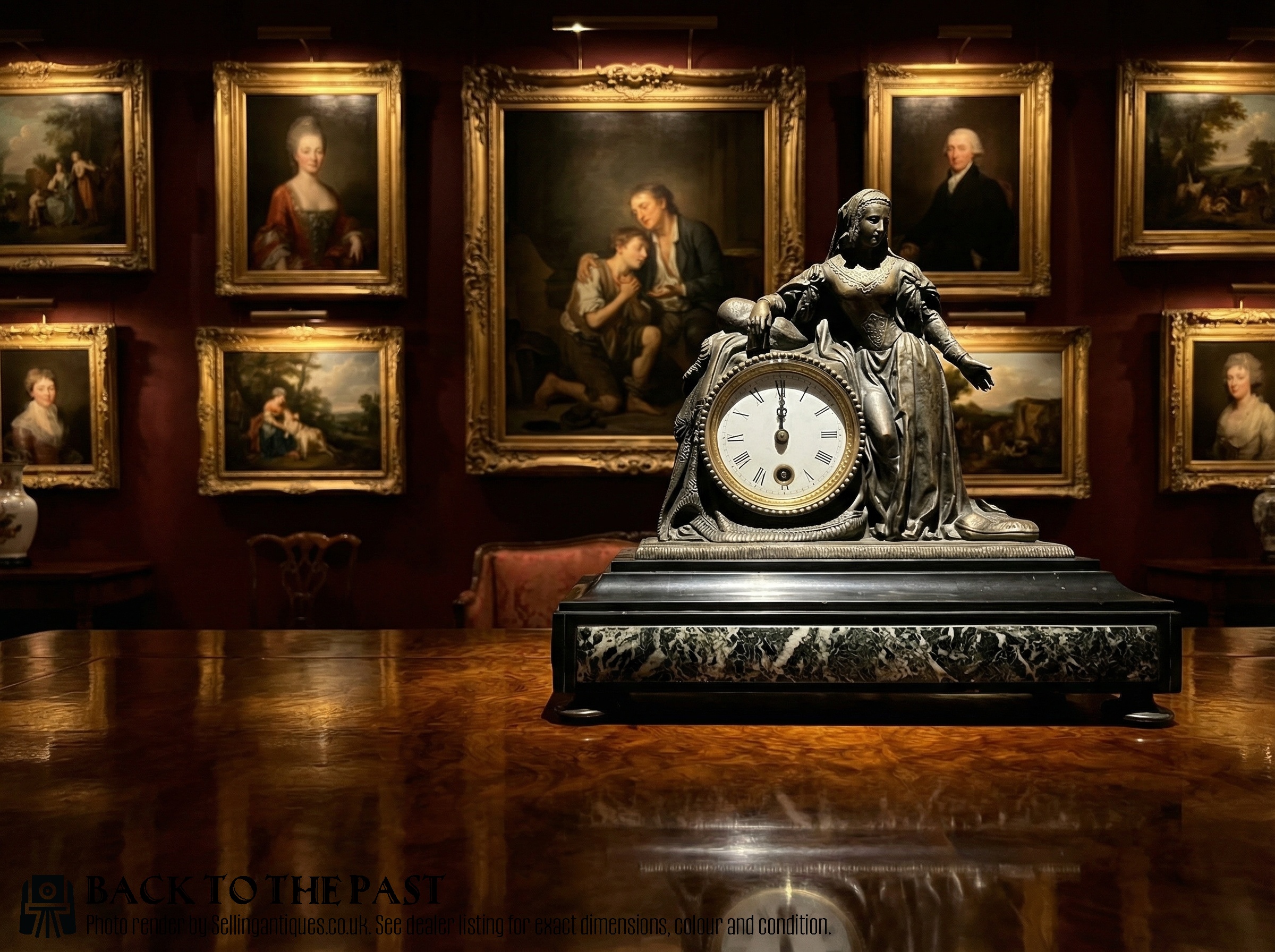
Victorian Decorative Table Clock
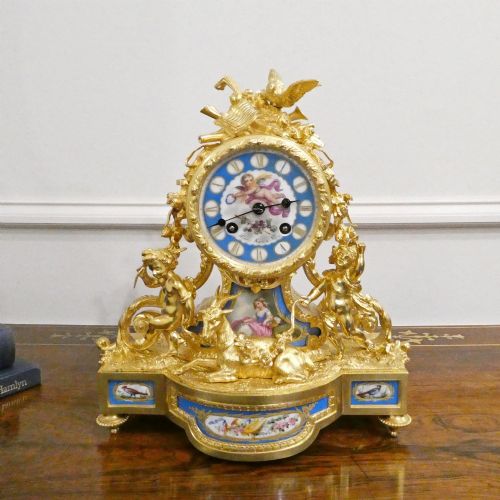
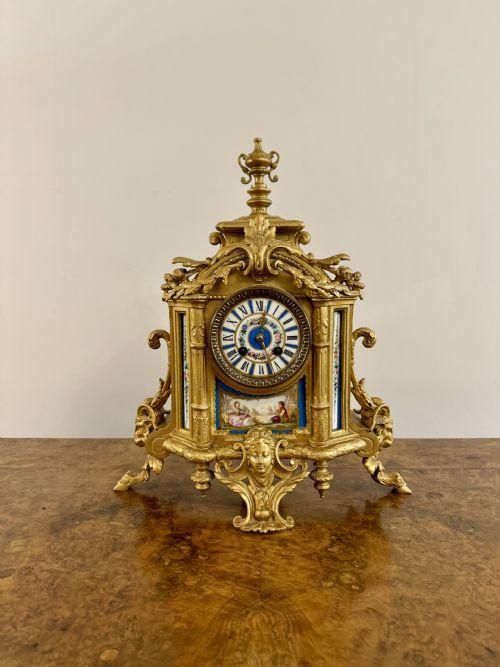
When searching for a victorian decorative table clock, buyers encounter an array of mantel clocks, carriage clocks, and desk clocks originating primarily from the nineteenth century. These objects served both a practical timekeeping function and a decorative role in period parlours, often taking forms influenced by Rococo revival, Louis XVI revival, or Gothic revival styles.
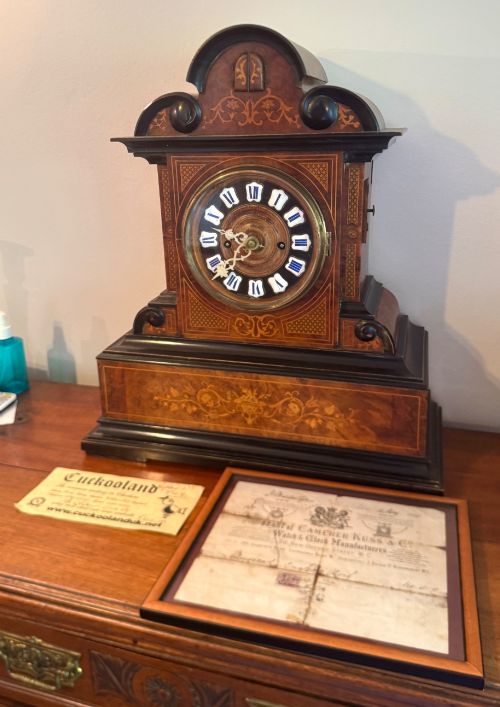
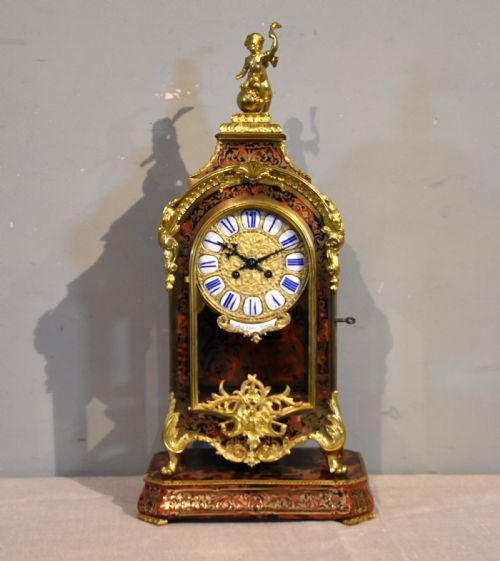
The most common variants on this page are French mantel clocks housed in gilt bronze, ormolu, or porcelain, alongside brass carriage clocks and wooden bracket clocks. Pieces range from architectural marble cases to elaborate figural designs featuring cherubs or doves, reflecting the diverse aesthetic preferences of the Victorian era.
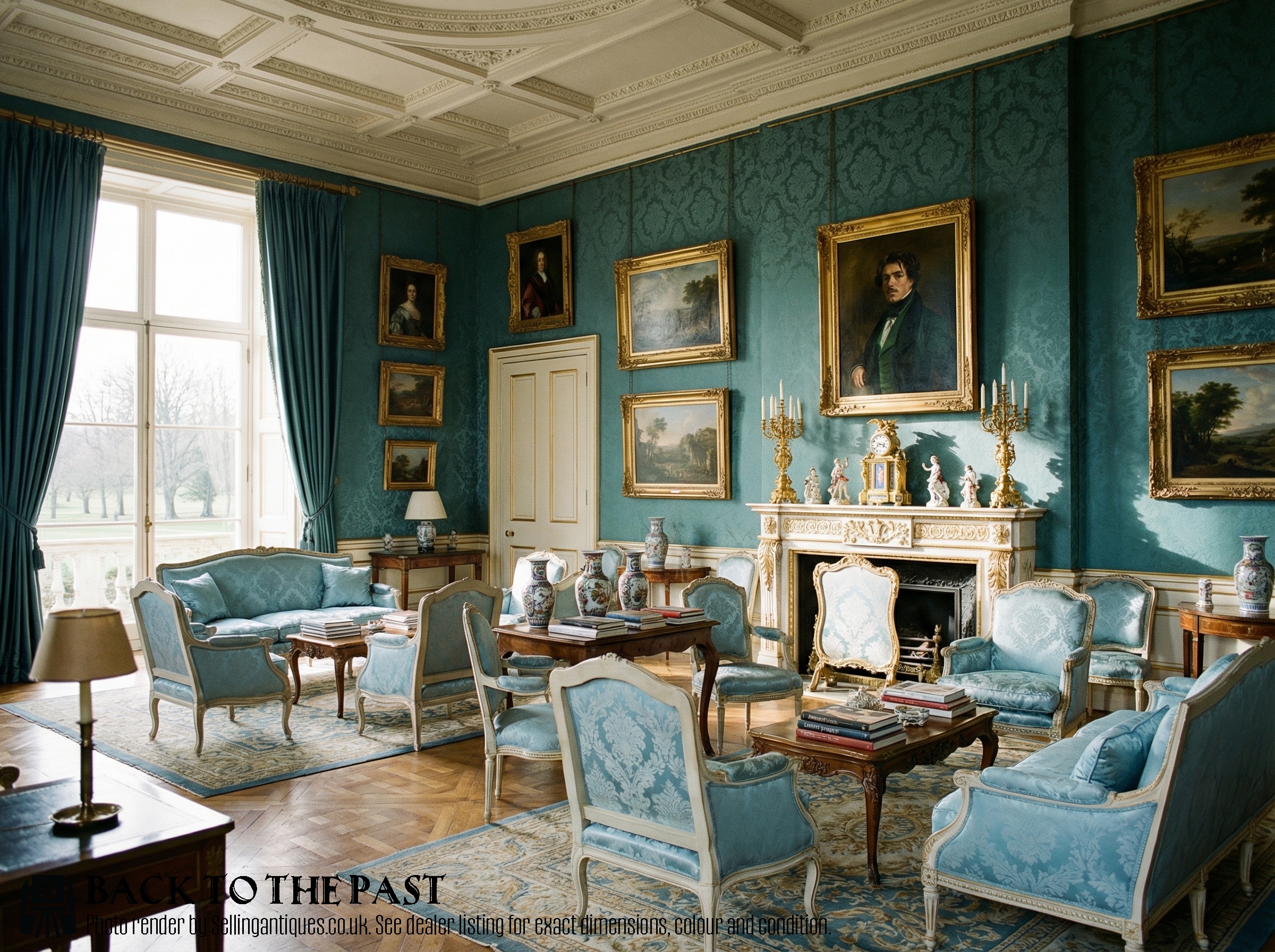
How They Were Made
These clocks rely on combinations of cast metals such as brass, gilt bronze, and ormolu, frequently paired with hand-painted porcelain panels and enamel dials. Ebonised wood, mahogany, and marquetry walnut also form the structural cases for bracket and mantel variations.
Mechanisms involve intricate brass gear trains, often driven by springs with 8-day movements, and sometimes incorporating repeating complications or passing strikes. Decorative surfaces utilise champlevé enamel work, gilt finishes, and fine glass housing.
A few miniature timepieces manage to squeeze intricate moving doves and double-sided dials into housings small enough for a bedside desk.
What Varies in Quality
Distinctions in quality rest upon the crispness of the bronze casting and the artistic merit of the hand-painted porcelain or enamel elements. Finer examples display deeply chased gilt metalwork, signed movements by notable makers, and harmonious proportions between the case and the dial.
Lesser pieces exhibit simpler wooden or metal housings with repetitive stamped ornamentation and generic dials. The presence of integrated matching elements, such as enamel painting sets or specialised bronze plinths, elevates the standing of an individual piece within the range.
Henry Marc·PH Mourey·John Bennett Cheapside London·Barwise London·Winterhalder & Hofmeier·Christie of Perth
The Victorian Decorative Table Clock Glossary
- Ormolu
- A technique of applying finely ground, high-carat gold to a bronze object using mercury amalgamation. It creates a rich, enduring golden lustre on nineteenth-century clock mounts.
- Champlevé
- An enamelling technique where troughs are carved into the metal surface and filled with vitreous enamel powder before firing. This creates colourful decorative patterns on clock bezels and pillars.
- Bracket clock
- A portable spring-driven clock originally designed to sit on a wall bracket to aid sound projection. Later examples function as substantial table or mantel timepieces.
- Fusee
- A conical pulley used in clock mechanisms to maintain equal force on the gear train as the mainspring unwinds. It ensures consistent timekeeping accuracy across the power reserve.
- Carriage clock
- A small, spring-driven clock with a glass-panelled brass case and a folding handle, designed for travel. They often feature repeating mechanisms to sound the time on demand.
Victorian Decorative Table Clock: Frequently Asked Questions
How do I wind a mechanical victorian table clock?
Most spring-driven models require a matching winding key inserted into the dial arbours to tension the mainspring barrels. Care must be taken not to overwind the movement, stopping as soon as resistance is felt.
Striking clocks should be allowed to complete their sequence without manual interference of the hands during the process. Keeping the movement properly lubricated by a professional ensures smooth operation.
Where should I place a heavy mantel clock?
These clocks require a sturdy, level surface such as a wooden mantelpiece, sideboard, or dedicated table to function accurately. An uneven foundation disrupts the pendulum beat, causing the movement to stop.
Direct sunlight and damp environments should be avoided to protect delicate gilt finishes, painted porcelain dials, and wooden veneers from degradation.
How do I identify a French nineteenth-century clock?
French pieces frequently feature cast gilt bronze or ormolu mounts, hand-painted Sevres-style porcelain plaques, and distinct maker stamps on the backplate of the movement. Stylistic cues often point towards Rococo or Louis-period revivals.
Enamel dials with delicate script and matching ornate hands are also characteristic of production centres in Paris during this period.