




Victorian Decorative Side Table
These pieces combine nineteenth-century utility with intricate surface work, offering collectors compact display surfaces with distinct character.
Victorian Decorative Side Table
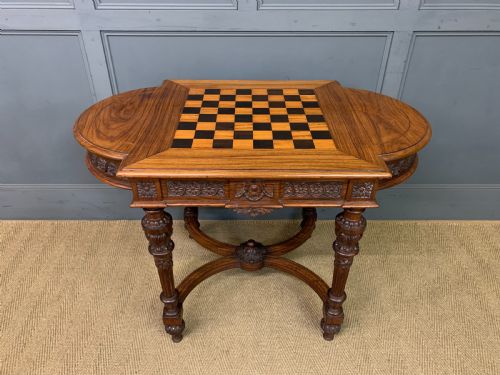
A victorian decorative side table serves as a versatile compact surface designed for occasional use in nineteenth-century interiors. These items appear across various forms, including tripod lamp tables, chess top tables, and tray stands.
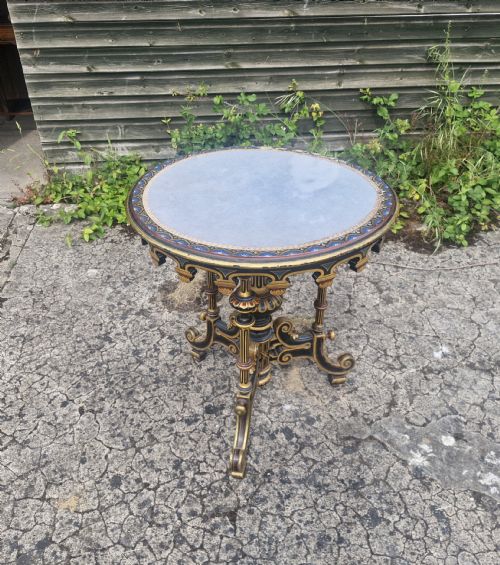
The selection ranges from British occasional tables to imported Anglo-Indian, Syrian, and Chinoiserie examples. Walnut, mahogany, and ebonised woods predominate, alongside specialised forms featuring marble tops or inlaid pietre dura panels.
Buyers encounter numerous regional variations, such as Dutch marquetry walnut pieces and carved padouk tables from the nineteenth century. These objects function effectively as display platforms for lamps, plants, and decorative collections.
Materials and Construction
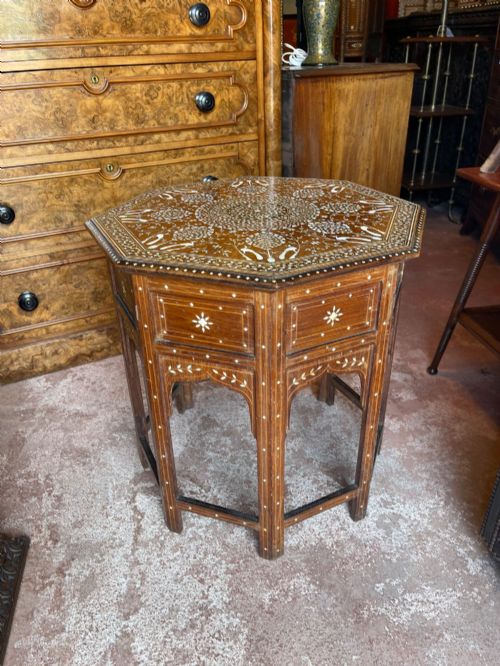
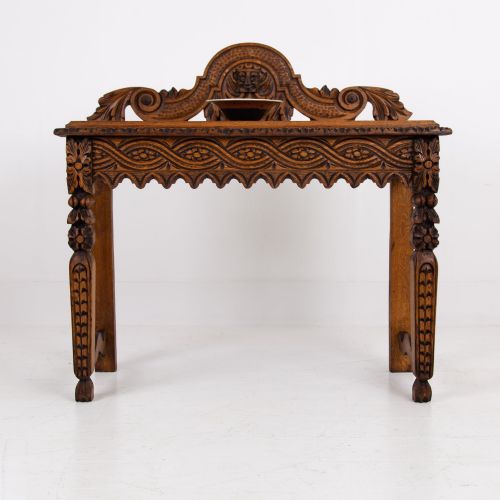
Cabinetmakers utilised dense timbers like mahogany, rosewood, and walnut as structural foundations for these tables. Artisans applied elaborate surface techniques, incorporating mother-of-pearl inlay, marquetry, painted lacquer, and giltwood highlights.
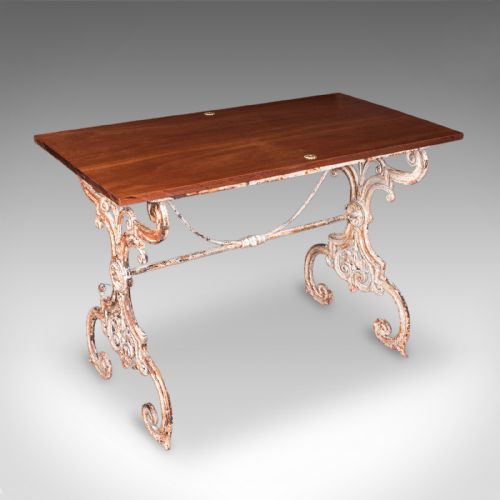
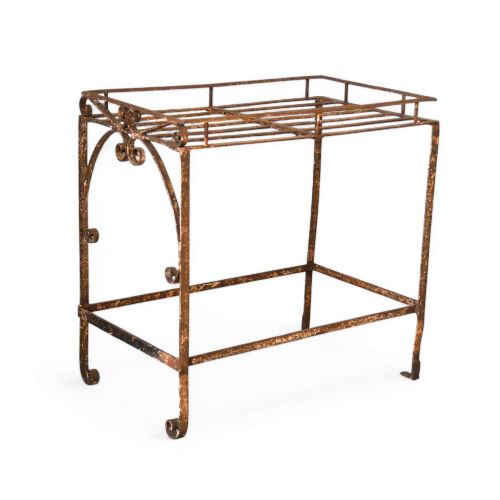
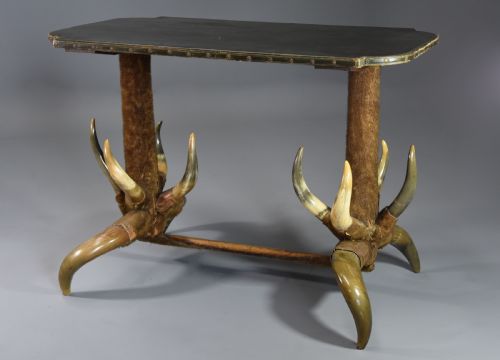
Alternative materials appear frequently, including cast iron, brass, wrought iron, and papier-mâché. Specialised examples integrate natural elements such as cow horn or feature hand-carved details executed in imported exotic woods.
Victorian Decorative Side Table Retail Price Guide 2026
Typical asking prices for victorian decorative side table among the pieces listed under this phrase on Sellingantiques today, from the lower quarter to the upper quarter. They describe what is for sale here now, not the wider market.
A nineteenth-century table fashioned from genuine German cow horn offers a truly unusual conversation piece.
Quality and Execution
Superior examples demonstrate precision in hand-carved elements, intricate marquetry, and the preservation of original surface finishes. The complexity of inlay work and the integrity of structural joins distinguish finer pieces from standard production.
Condition plays a role in assessment, particularly regarding painted lacquer, tortoiseshell, or mother-of-pearl components. Tables retaining their original pedestals, hardware, and structural stability command greater attention from collectors.
The Victorian Decorative Side Table Glossary
- Marquetry
- The art of applying pieces of veneer to a structure to form decorative patterns. Craftsmen utilised various tinted woods and mother-of-pearl to create pictorial scenes.
- Pietra dura
- An inlay technique using cut and fitted polished coloured stones to create images. This method appears on specialised nineteenth-century table tops.
- Etagere
- A set of open shelves for displaying small objects. These tiered furniture pieces combine storage with decorative utility.
- Padouk
- A heavy tropical hardwood valued for its durability and rich colour. Nineteenth-century craftsmen utilised this material for intricately carved Anglo-Indian furniture.
- Tripod
- A three-legged support structure commonly found beneath nineteenth-century occasional and lamp tables.
Victorian Decorative Side Table: Frequently Asked Questions
What rooms suit a decorative side table?
These compact surfaces fit well beside seating in drawing rooms or studies where space remains at a premium. They provide functional space for lighting and small decorative objects.
Larger variations function effectively as plant stands, lamp tables, or display consoles in hallways and reception rooms.
How do I identify a Victorian side table?
Examine the timber, construction methods, and decorative motifs such as inlay, carving, or ebonisation characteristic of the nineteenth century. Common woods include walnut, mahogany, and rosewood.
Regional styles like Anglo-Indian carved work or Chinoiserie lacquer provide additional clues regarding origin and period production.
Were these tables used for dining?
Most examples function as occasional, chess, or lamp tables rather than primary dining furniture. Their smaller proportions and delicate surfaces suited lighter domestic tasks.
Specialised forms included games tables, tray stands, and display consoles intended for ornamental use rather than heavy daily service.
How should I care for antique wood?
Maintain stable humidity levels and keep wooden furniture away from direct heat sources to prevent warping. Regular dusting with a soft, dry cloth preserves the finish.
Avoid chemical polishes that can degrade nineteenth-century wax or lacquer surfaces over extended periods of time.