



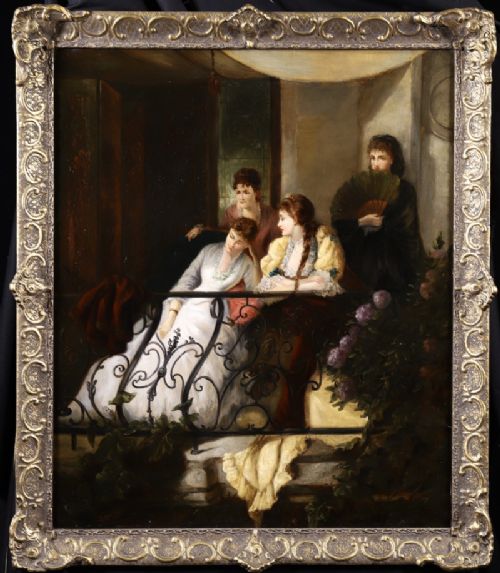


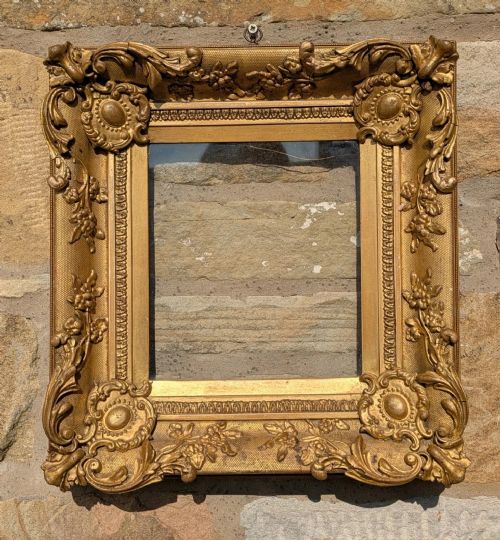


Victorian Decorative Picture
A victorian decorative picture brings character to a room through period craftsmanship, ranging from ornate gilded frames to delicate framed prints.
Victorian Decorative Picture
A victorian decorative picture encompasses framed artworks, mirrors, and photograph frames originating primarily from the nineteenth century and associated eras.
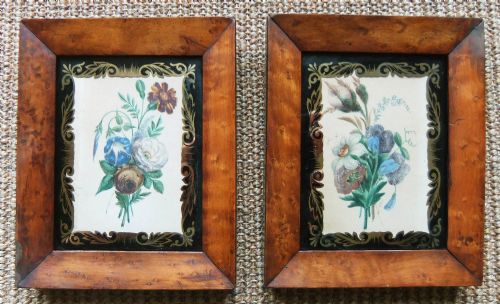
Buyers encounter oil paintings, watercolours, lithographs, tinsel and decoupage prints, and ornithological studies housed within elaborate surrounds.
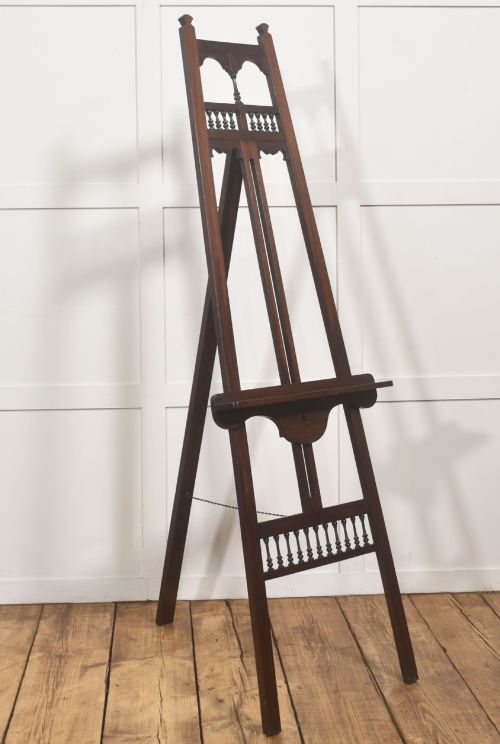
The category extends to wall mirrors, easel displays, and specialty items like quilled works and crystoleum paintings from the period.
Materials and construction
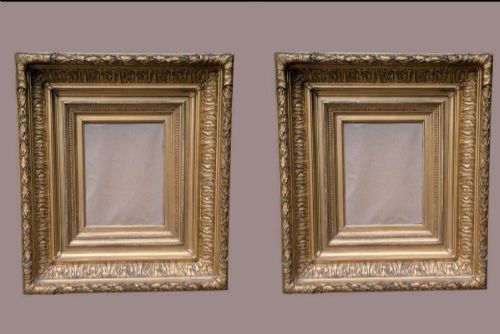
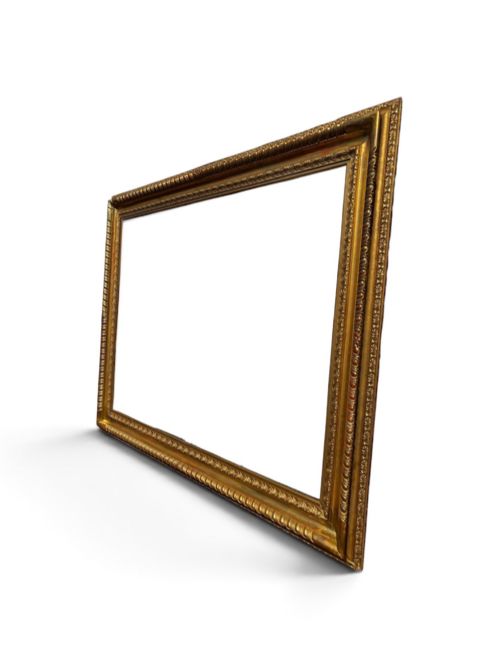
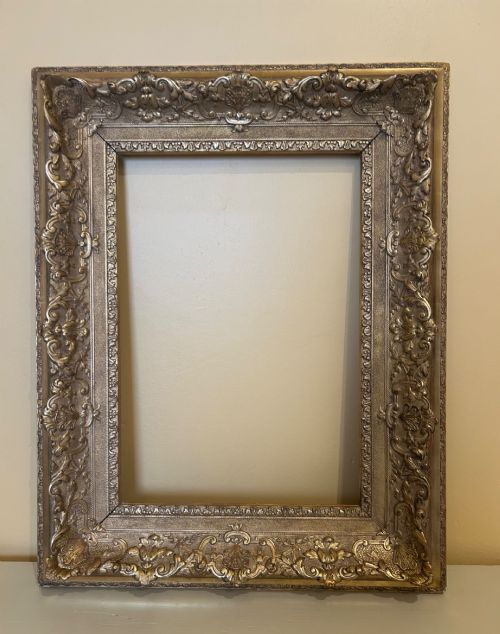
Makers utilised wood, glass, gesso, and paper, often applying gold leaf and giltwood finishes to create luminous picture frames and mirrors.
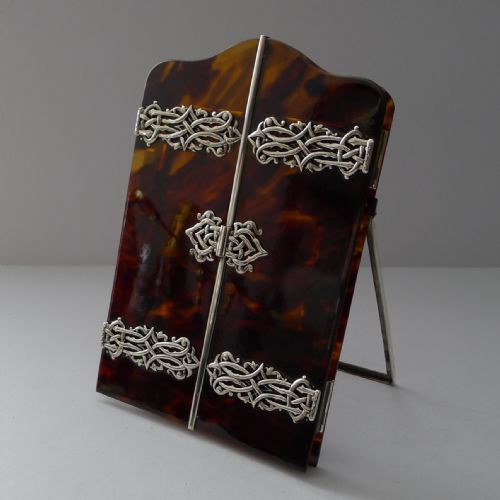
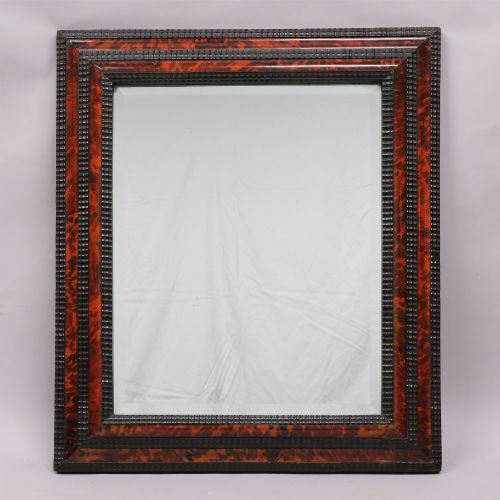
Advanced techniques include reverse painted and etched glass, tortoiseshell veneer, and intricate ivory inlay.
Victorian Decorative Picture Retail Price Guide 2026
Typical asking prices for victorian decorative picture among the pieces listed under this phrase on Sellingantiques today, from the lower quarter to the upper quarter. They describe what is for sale here now, not the wider market.
Several frames guard railway scenes, theatrical decoupage prints, and resting birds with vigilant lion heads.
Distinctions in craftsmanship
The depth and clarity of the gesso mouldings and the purity of the gilding separate standard frames from finer examples.
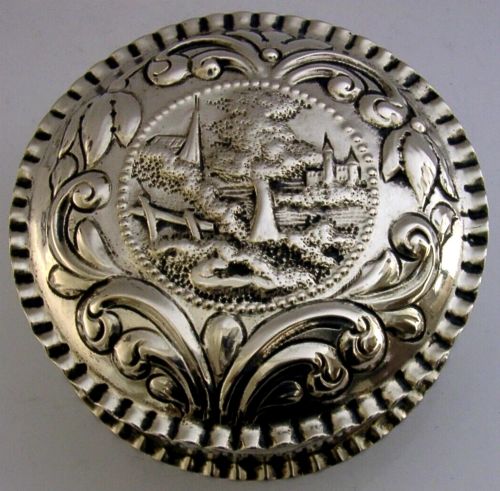
Material selection dictates the tier of the piece, particularly where solid sterling silver, tortoiseshell, or hand-enamelled polychrome frames are concerned.
The artistry within the accompanying painting, print, or ornithological study sets the overall merit of the finished object.
John A Monteith·Hardy Brothers·William Powell Frith
The Victorian Decorative Picture Glossary
- Gesso
- A plaster mixture applied to wood frames and carved or moulded into decorative relief patterns before gilding.
- Crystoleum
- A Victorian method of applying a colour print to convex glass, hand-painting the back, and backing it with another glass.
- Ormolu
- Gilded bronze, frequently utilised for decorative mounts and freestanding easel frames during the nineteenth century.
- Giltwood
- Wood that has been coated with gold leaf, frequently forming the primary structure of elaborate nineteenth-century wall mirrors.
- Decoupage
- The art of decorating an object by gluing paper cutouts and painting details, seen in theatrical prints from the period.
Victorian Decorative Picture: Frequently Asked Questions
How do I hang a heavy gilt mirror?
Heavy nineteenth-century mirrors require secure wall fixings distributed evenly across the structure, ideally anchored directly into masonry or wall studs.
Professional mirror hangers often utilise mirror plates or heavy-duty brackets to support the substantial weight of wood and gesso frames.
Were these frames made for photographs?
Many smaller frames from the late nineteenth century were specifically produced to house photographic portraits, often incorporating velvet backs and hinged struts.
Larger frames originally housed oil paintings, watercolours, or mirrors before being adapted for alternative decorative pictures over time.
How should I clean a gilt frame?
Dust giltwood and gesso surfaces gently with a soft, dry brush to avoid disturbing the fragile gold leaf application.
Moisture and chemical cleaners should be strictly avoided on antique gilding to prevent permanent loss of the metallic finish.