
Victorian Decorative Lighting
Victorian decorative lighting gathers brass, bronze, and porcelain lamps, candelabra, and stained glass that illuminate interiors with period character.
Victorian Decorative Lighting
Victorian decorative lighting encompasses functional pieces designed to illuminate rooms while serving as ornamental focal points in a home. The pieces found here span table lamps, oil lamps, candlesticks, candelabra, and floor lamps originating from the nineteenth century and adjacent eras.
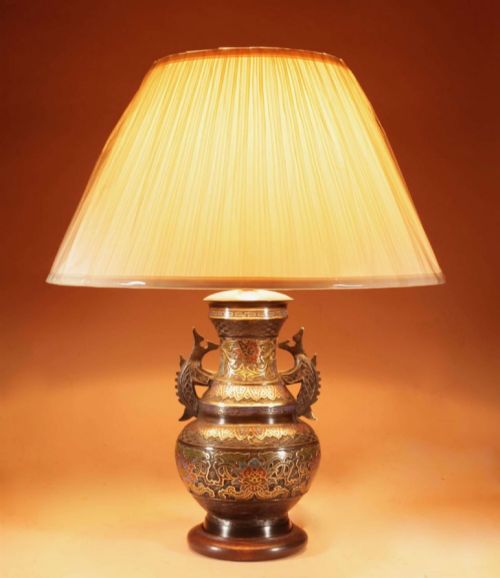
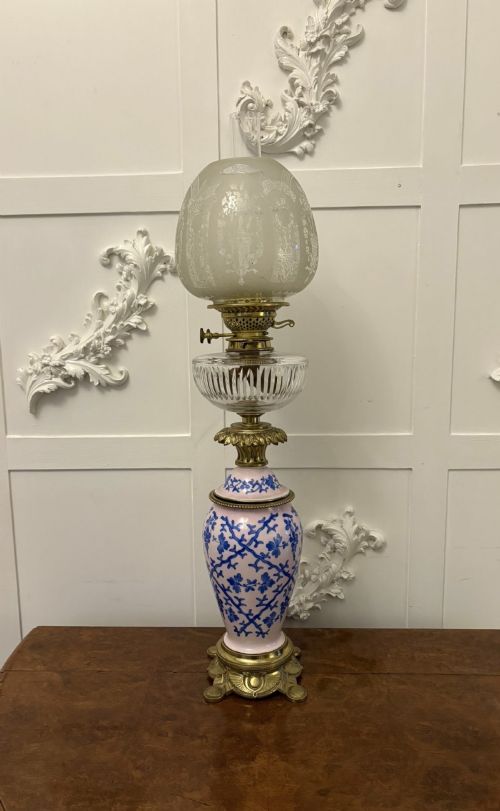
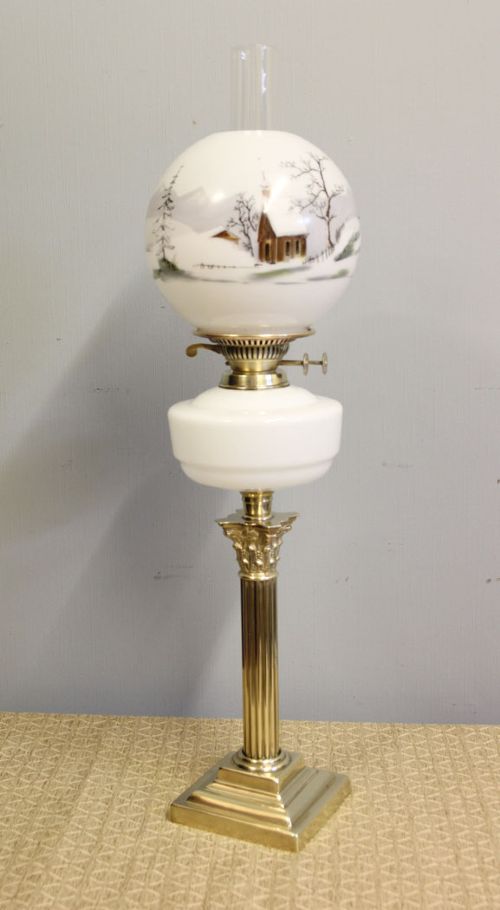
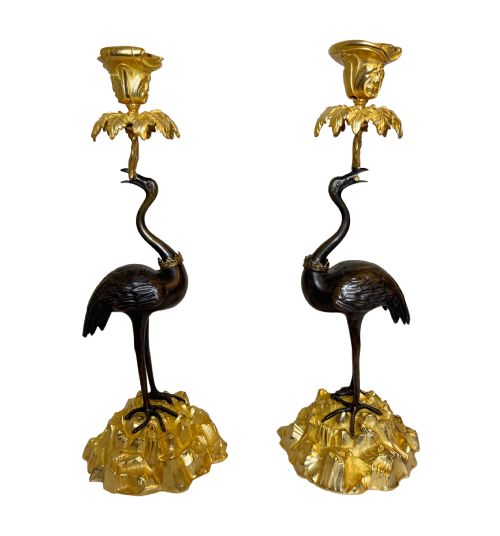
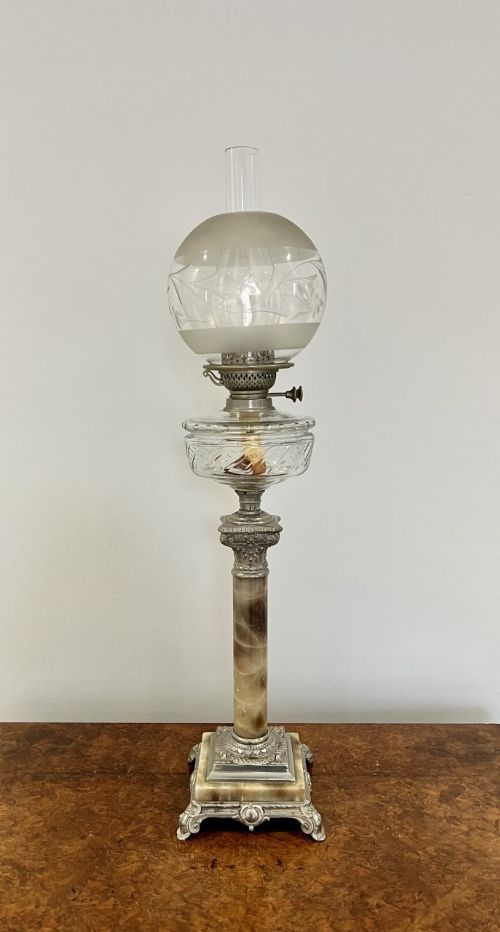
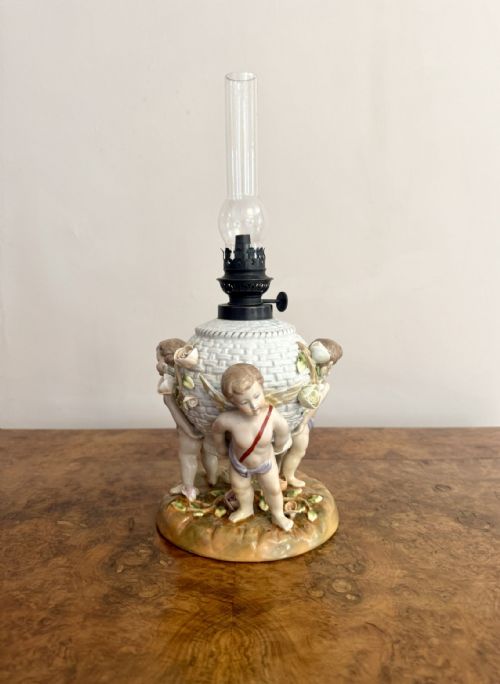
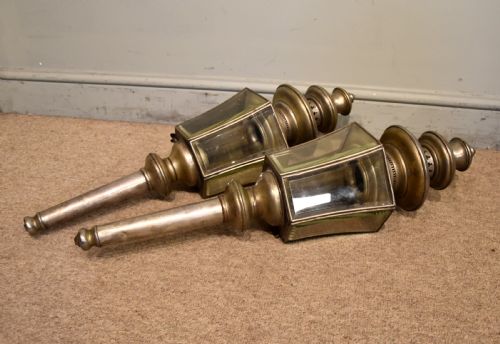
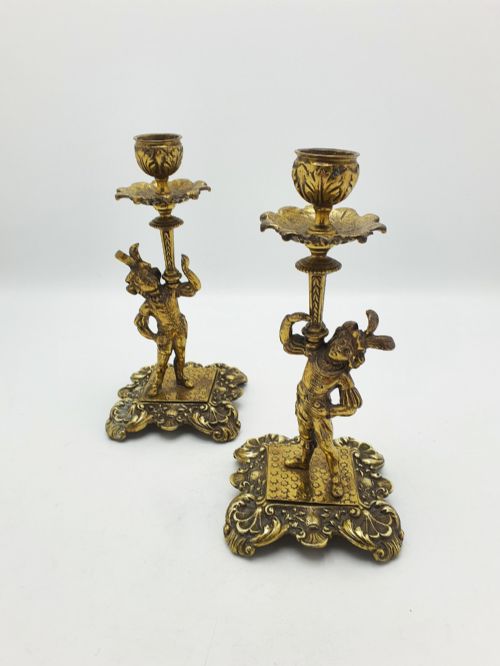
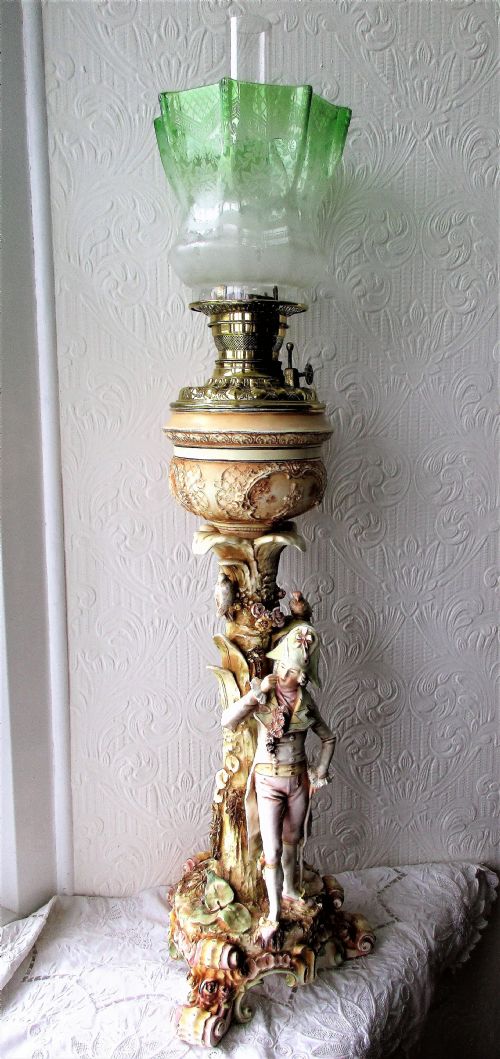
Oil lamps and brass or bronze candlesticks form the most frequent encounters on this page, often featuring detailed columns, figural elements, and etched glass shades. These items demonstrate how domestic lighting transitioned from simple utility to elaborate interior decoration during the period.
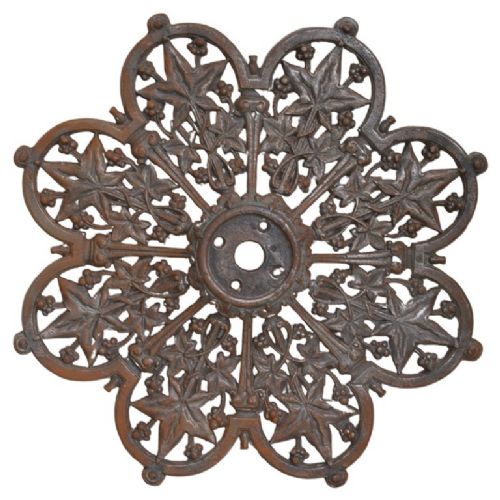
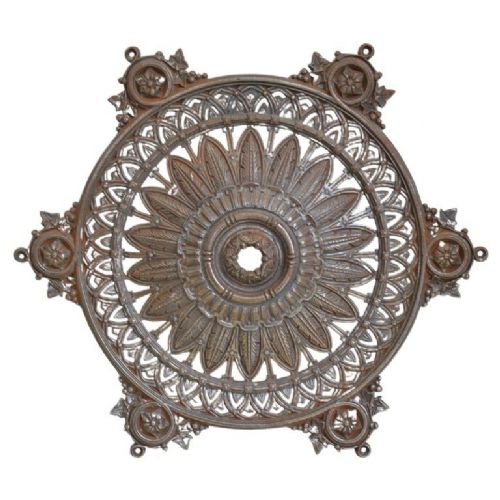
The selection also reaches into related forms such as gilt bronze wall sconces, stained glass windows, and cast iron ceiling roses. Each object reflects the diverse aesthetic movements active across the nineteenth and early twentieth centuries, from revival styles to Art Nouveau.
Materials and construction methods
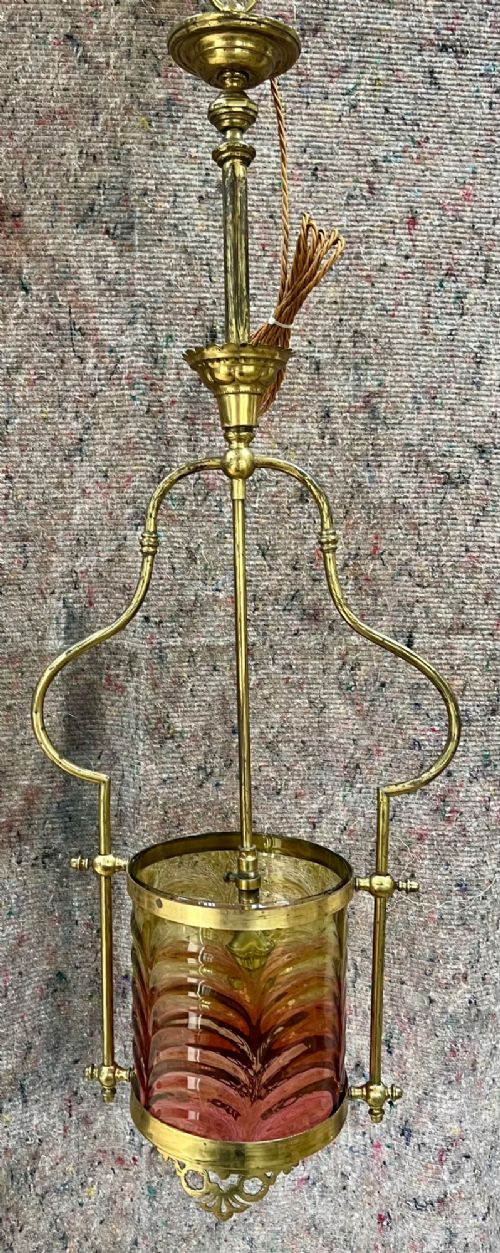
Brass and bronze dominate the structural work, shaped through casting and chasing to produce crisp columns, figural mounts, and structural frames. Makers frequently combined these metals with gilt finishes or patinated surfaces to create contrast and depth.
Secondary materials such as cast iron, carved wood, and lead appear in structural elements like ceiling roses, floor lamp bases, and stained glass panels. These substances were worked using traditional foundry and joinery techniques appropriate to the period.
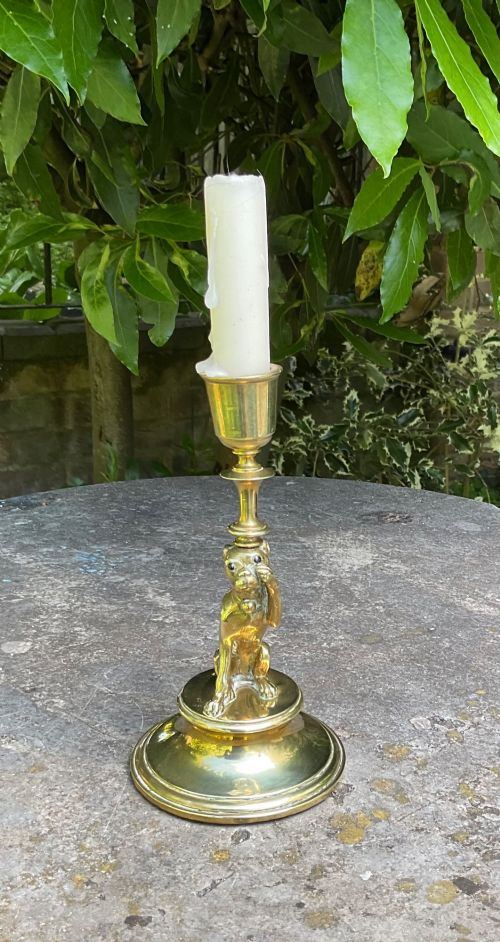
A pug dog guards a nineteenth-century brass candlestick, proving the Victorians applied their love of pets to everyday illumination.
Markers of distinction and quality
The integration of materials dictates the standing of an object, particularly where hand-painted porcelain or nuanced glass shades accompany metalwork. Superior examples maintain balanced proportions between the font, shade, and base, alongside authentic period pairings of components.
Barbedienne·Sitzendorf·Royal Worcester·Liberty·Emile Picault
The Victorian Decorative Lighting Glossary
- Oil Lamp
- A domestic lighting device comprising a reservoir for fuel, a burner, and a glass shade. They frequently feature ceramic fonts and brass columns.
- Candelabra
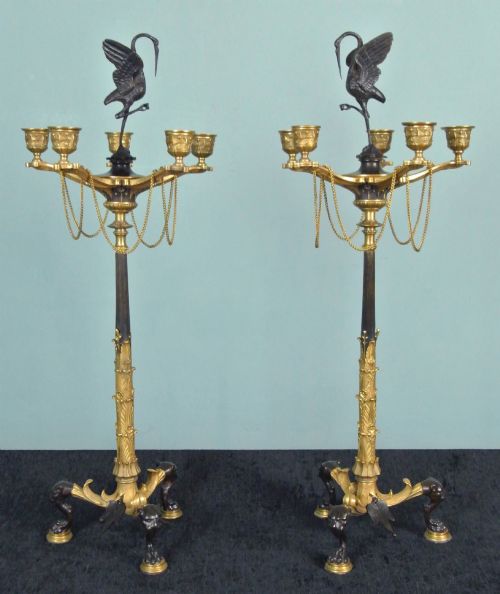
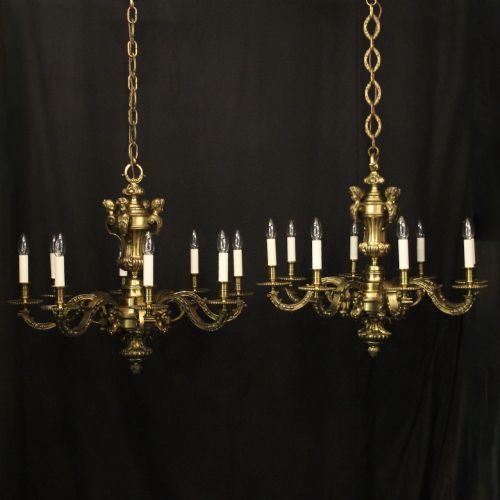
- A branched candlestick designed to hold multiple candles simultaneously. They often appear in matched pairs cast in bronze or brass.
- Champlevé
- An enamelling technique where troughs are carved into a metal surface and filled with vitreous enamel before firing. It appears on decorative bronze bases.
- Lustre
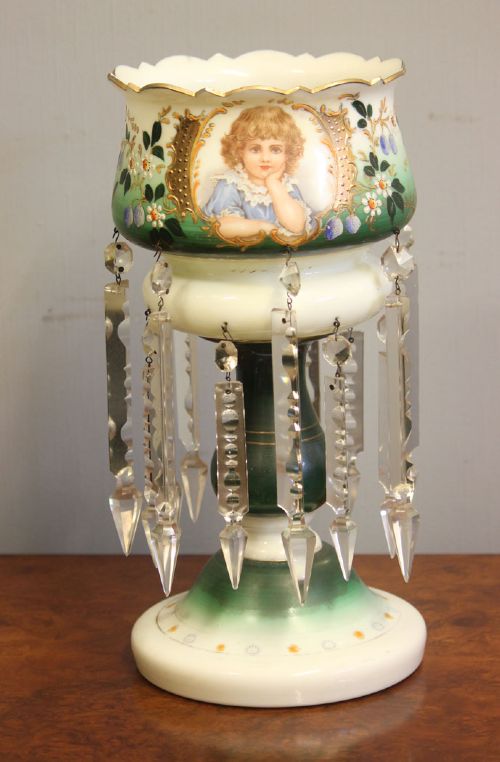
- A decorative tabletop ornament hung with cut glass prisms designed to catch and reflect light. They were popular in late nineteenth-century interiors.
- Girondelle
- A type of wall mirror incorporating attached candle sconces to multiply the reflection of light in a room.
Victorian Decorative Lighting: Frequently Asked Questions
Are these lamps converted for electricity?
Many older lamps encountered on the market have received electrical wiring to allow safe daily use in modern homes. Conversions vary from reversible setups to permanent internal wiring.
Examining the base or burner area reveals whether a cord has been introduced. Buyers should check the wiring condition with a qualified electrician regardless of apparent age.
How do I clean brass and bronze lighting?
Cleaning historic metalwork involves removing dust with a soft, dry cloth rather than applying aggressive chemical polishes. Preserving the natural patina maintains the historical character of the piece.
Avoid abrasive materials that can strip gilding or original surface treatments. Gentle dusting keeps metal components stable over time.
How do I tell Victorian lighting from later styles?
Distinguishing Victorian pieces involves observing stylistic markers such as heavy casting, classical revival motifs, and specific manufacturing techniques typical of the nineteenth century. Later Edwardian or 1920s items often introduce lighter proportions or distinct Art Nouveau curves.
Comparing material combinations like cast brass, porcelain, and hand-etched glass helps place an object within its correct chronological window.