

Victorian Decorative Art
Victorian decorative art brings together varied objects from the nineteenth century, offering distinct domestic and ornamental pieces for interiors.
Victorian Decorative Art
Victorian decorative art encompasses a wide assortment of household ornaments, furnishings, and display items originating from the nineteenth century. When exploring victorian decorative art, buyers encounter varied functional and ornamental objects ranging from ceramics and glassware to metalwork and wall art.
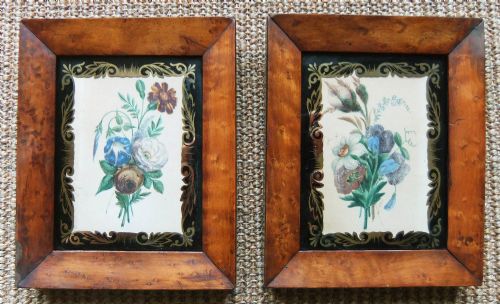
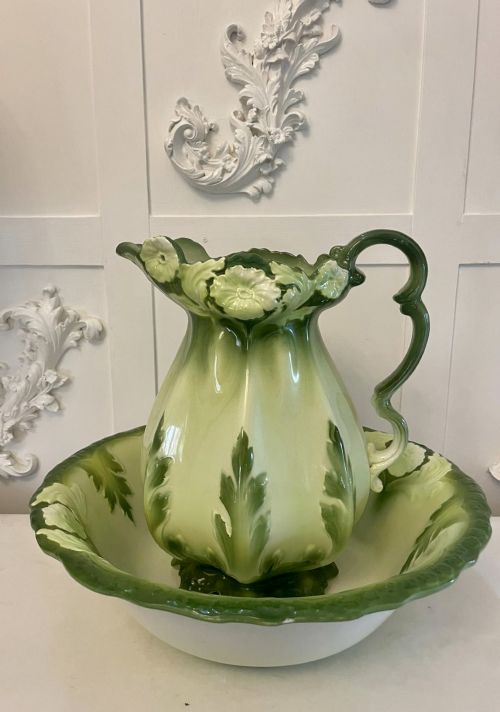
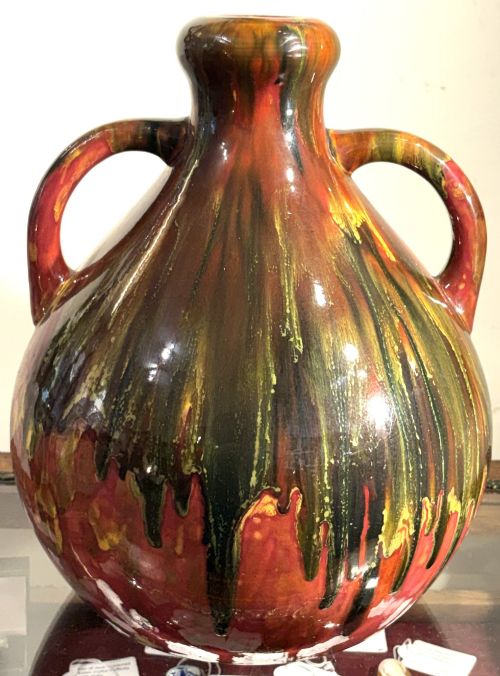
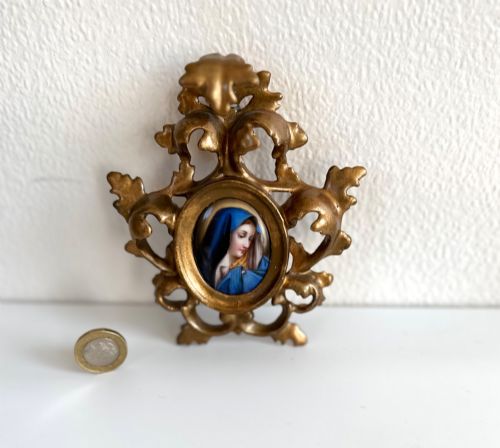
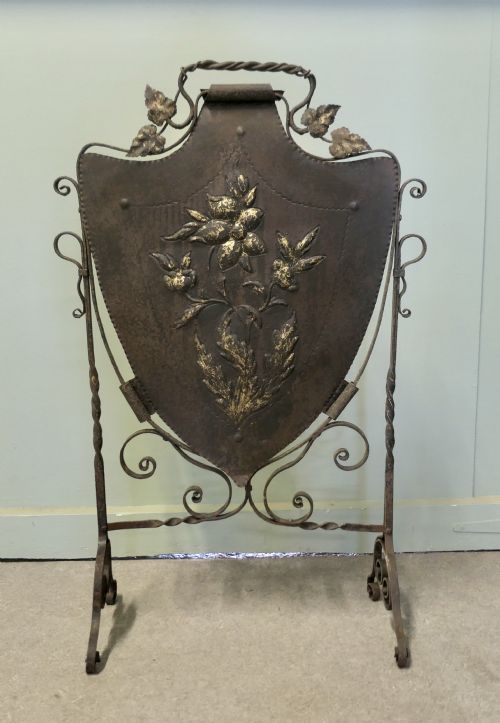
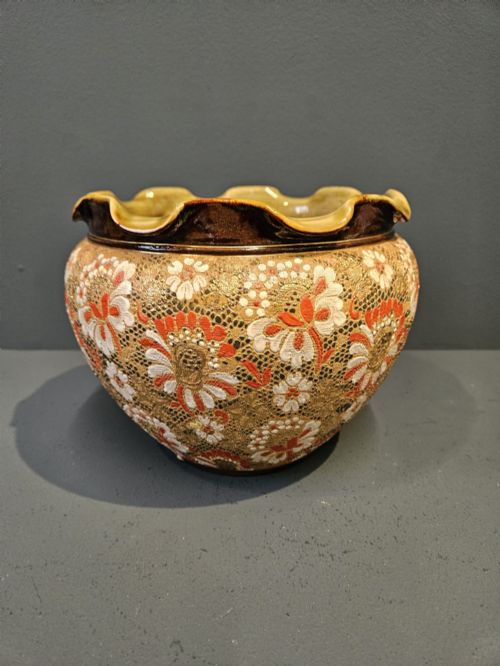
Vases, jardinieres, and decorative bowls form a prominent category of these items, frequently rendered in earthenware, stoneware, or coloured glass. Wall art, including oil paintings, watercolours, and framed plaques, also appears regularly alongside fireplace accessories like iron fire screens and brass stands.
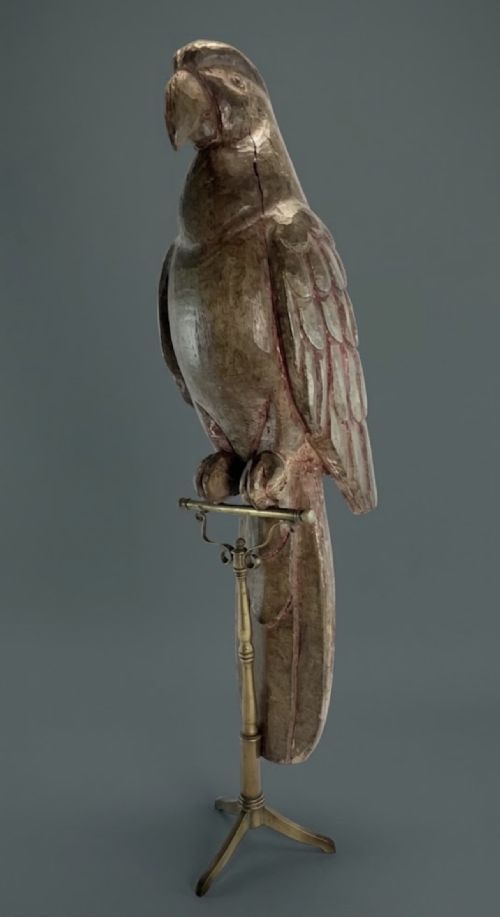
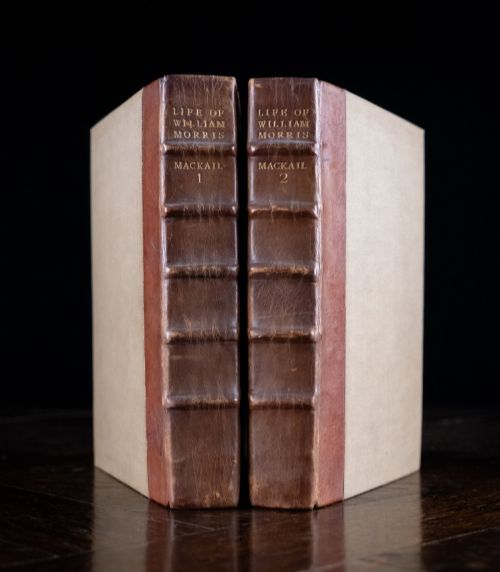
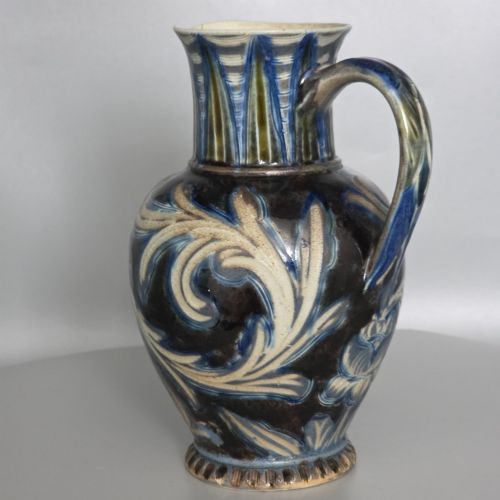
The selection extends to specialised objects such as carved wooden figures, ceramic jugs, and bound books. These pieces reflect diverse domestic tastes of the period, bridging utilitarian household functions with elaborate ornamental design.
Materials and construction methods
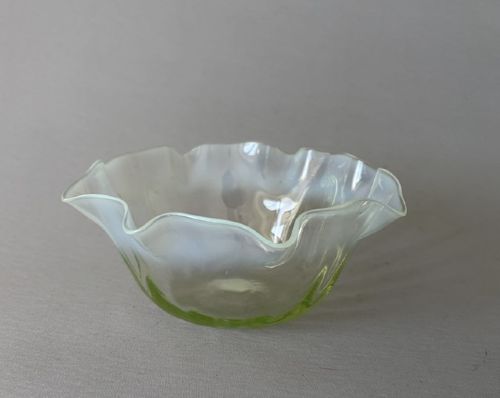
Makers utilised a diverse palette of materials, combining ceramics and glass with wood, brass, copper, and iron. Earthenware and stoneware pieces often display specialist glazes or incised patterns, while glass items utilise techniques like vaseline colouring and millefiori work.
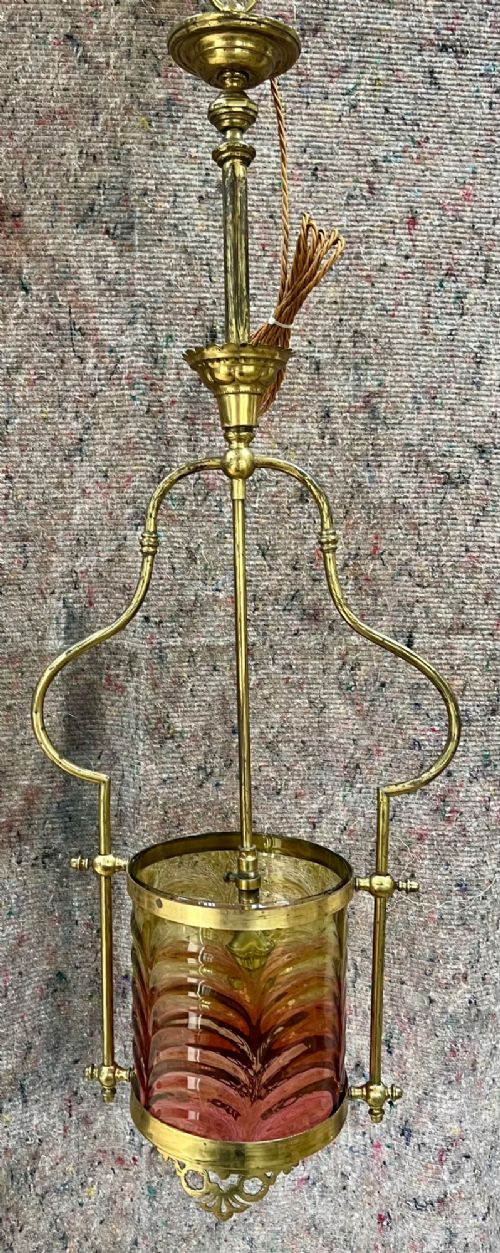
Metalwork items demonstrate both cast and hammered finishes, seen in wrought iron scroll panels, copper planters, and brass hanging lights. Carved wooden elements and bone work appear alongside hand-painted porcelain chargers and framed pottery plaques.
Craftsmen applied surface decoration through techniques such as gilding, hand-painting, and stained glass assembly. These varied methods demonstrate the intersection of industrial production and skilled manual artistry during the period.
Among the domestic ornaments sits a memento mori carved from bone, reminding nineteenth-century owners of their own mortality.
Distinctions in craftsmanship and design
Quality in these pieces rests upon the precision of the maker's hand and the ambition of the design. Fine ceramics and glass display superior control over glazes, colours, and surface incising, distinguishing standard wares from exceptional studio output.
Metalwork and woodwork show variation in the depth of carving, the crispness of hammering, and the integrity of assembly. Pieces bearing specific artistic attribution or studio signatures display elevated technical execution compared to anonymous domestic items.
Whitefriars·Burmantofts·GM Elwood·JS Henry·Seaton Pottery·Doulton Lambeth·Thomas Webb·Alice Euphemia Thatcher·William Yale·Theodore Jensen·JOHN A MONTEITH
The Victorian Decorative Art Glossary
- Jardiniere
- A large ornamental pot or stand designed to hold growing plants or flowers. These vessels often feature prominent handles or decorative glazes.
- Earthenware
- Porous pottery fired at lower temperatures, commonly glazed for domestic use. It serves as the base for many decorative bowls and jugs of the period.
- Vaseline glass
- A type of glass coloured with uranium oxide, producing a distinctive yellow-green hue that reacts under ultraviolet light. It was favored for decorative tablewares and finger bowls.
- Intarsio
- A style of ceramic decoration resembling inlaid wood, developed to create complex multi-coloured patterns on pottery. It appears on fine art pottery vases.
- Millefiori
- A glasswork technique producing distinctive patterned mosaics using multicoloured glass canes. Paperweights and small decorative items frequently employ this method.
- Faience
- Tin-glazed earthenware, often decorated with painted designs before firing. It provides a smooth surface for detailed pictorial scenes on vases and wall plaques.
Victorian Decorative Art: Frequently Asked Questions
What defines victorian decorative art?
Victorian decorative art includes ornamental objects, furnishings, and tableware produced during the nineteenth century. These pieces reflect the evolving aesthetic movements and domestic manufacturing techniques of the era.
The category encompasses diverse materials, including ceramics, glass, metalwork, and carved wood, bridging practical utility with elaborate visual design.
How were jardinieres used?
Jardinieres functioned primarily as decorative containers for indoor plants and floral displays. Placed on tables or stands, they allowed households to incorporate greenery into interior reception rooms.
Larger versions accommodated substantial potted palms, while smaller vessels held cut flowers or served as standalone decorative table centerpieces.
How do I style these pieces at home?
These items integrate effectively into contemporary interiors by providing textural contrast and historic character. Placing glass vases near natural light highlights their colour and glaze variations.
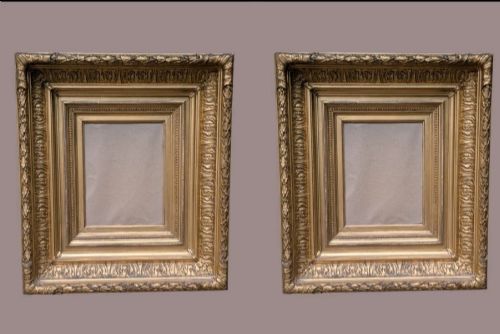
Wall art, framed plaques, and metalwork can anchor gallery walls or mantelpieces, while decorative bowls function as practical catchalls or standalone display objects.
How do I identify different periods?
Identifying periods relies on recognising distinct stylistic shifts, such as the transition from ornate Victorian Revival styles to the stylised forms of Arts and Crafts and Art Nouveau. Material finishes, maker's marks, and construction techniques offer further chronological clues.
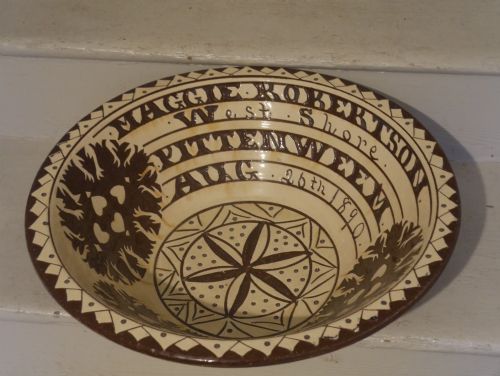
Signatures, stamps, and dated inscriptions on ceramics and glass provide precise benchmarks for dating individual objects.