


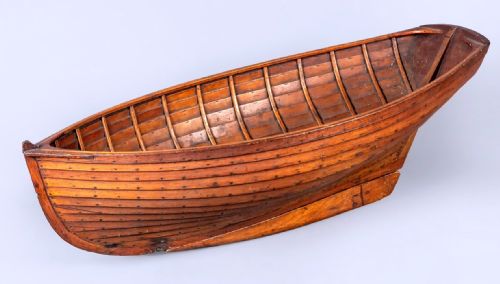

Victorian Decor Sculpture
Victorian decor sculpture brings the heavy gravity of the nineteenth century into a modern room through cast bronze, carved wood, and painted plaster.
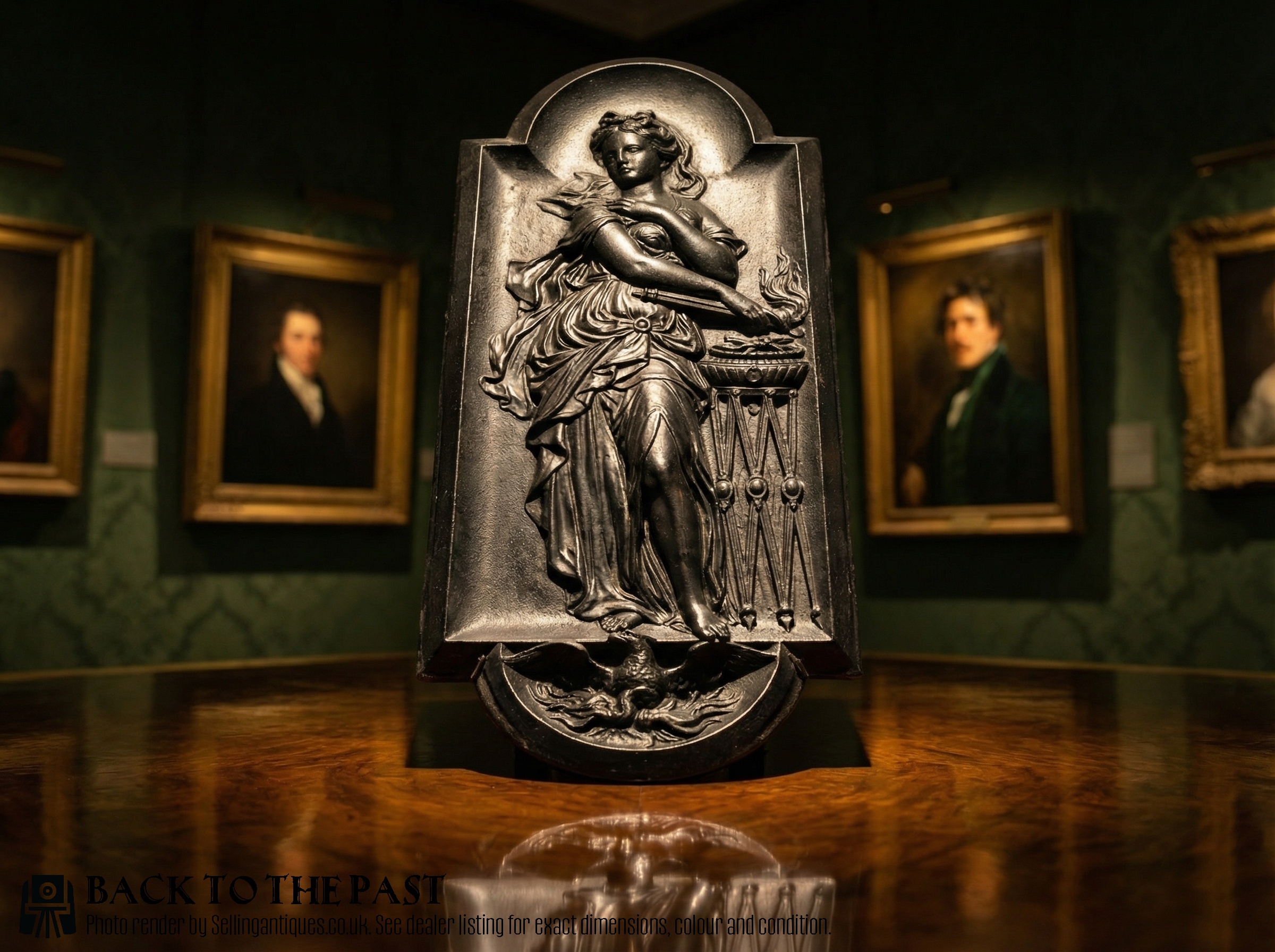
Victorian Decor Sculpture
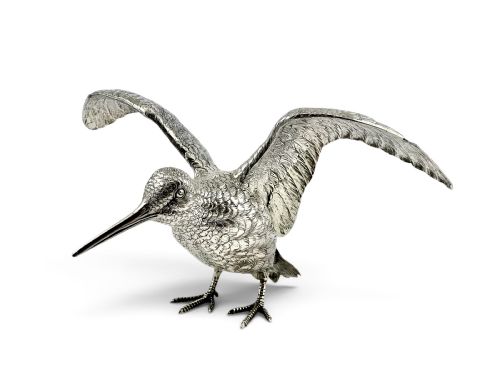
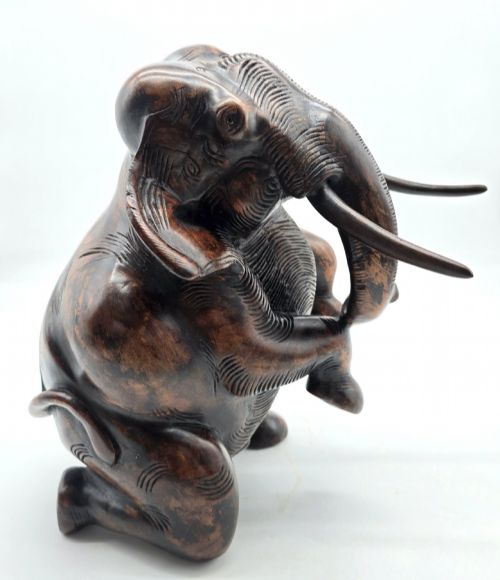
When you search for victorian decor sculpture, you encounter a varied assembly of nineteenth-century decorative objects, from animal bronzes and cast iron doorstops to carved wooden rocking horses and architectural wall plaques.
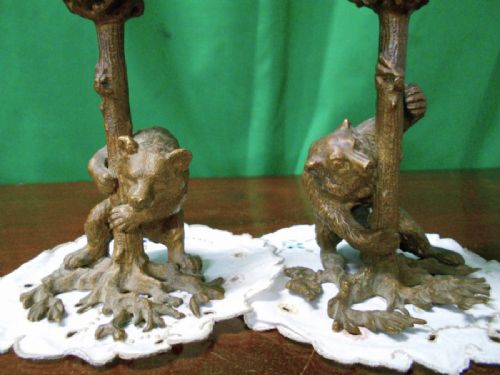
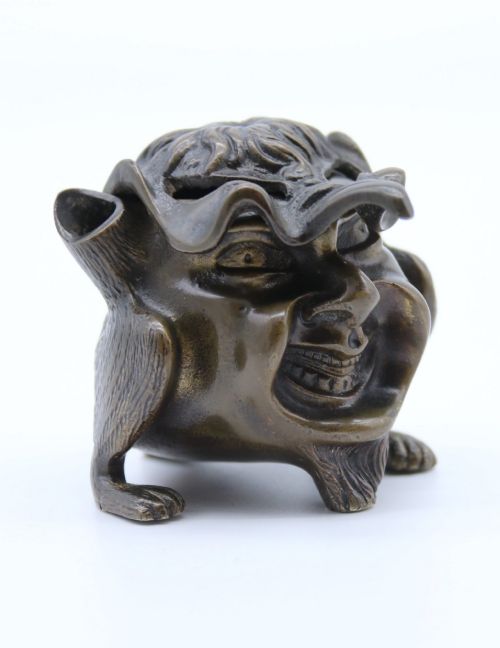
The objects span domestic ornaments and utilitarian items shaped into sculptural forms, such as bronze inkwells, heavy candlesticks, and centrepieces designed to sit on a dining table or sideboard.
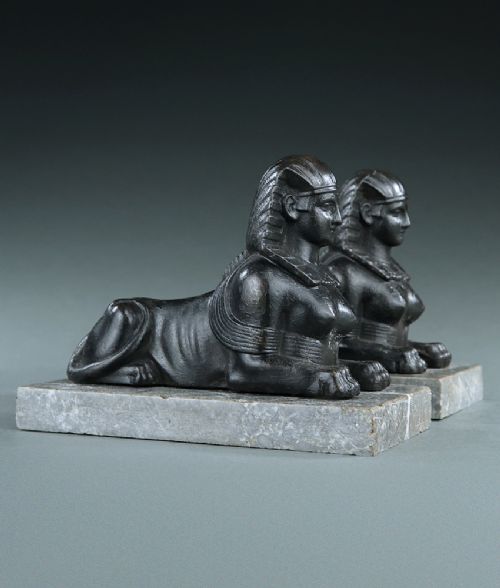
The versions you meet most frequently on this page combine nineteenth-century manufacturing methods with historical revivals, leaning heavily into Gothic, Neoclassical, and Egyptian motifs.
How they were made
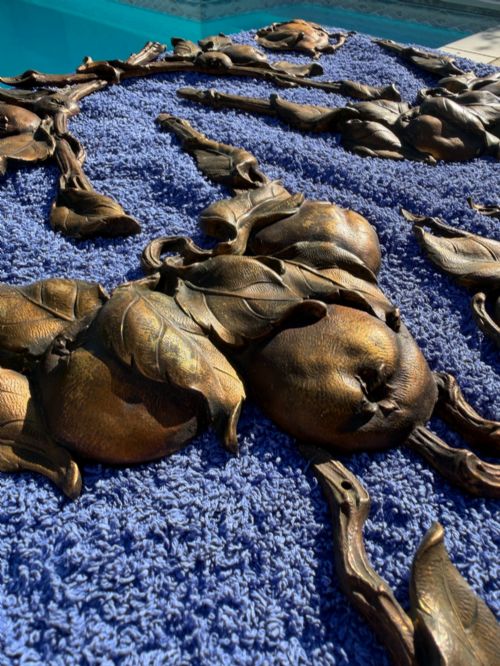
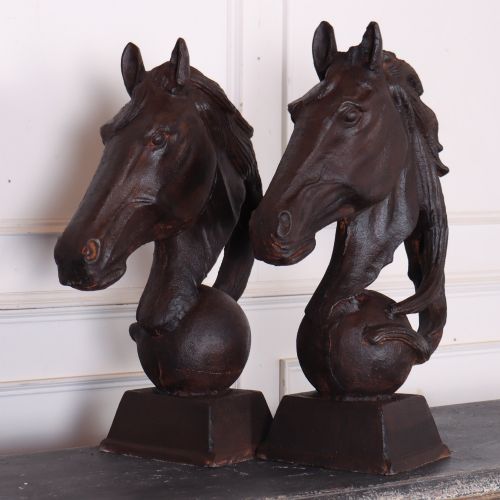
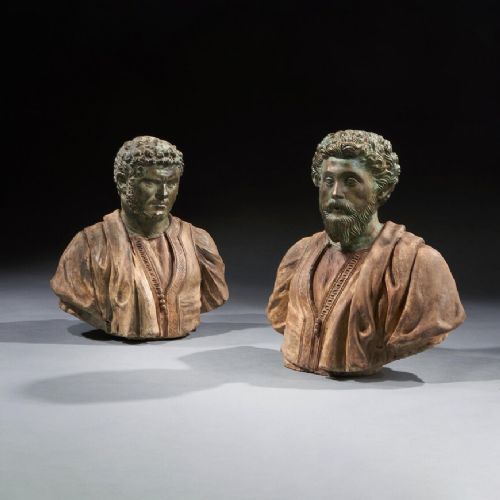
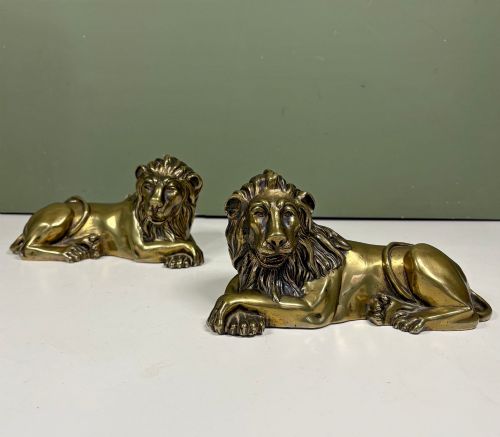
Foundries cast molten bronze and iron into detailed animal and human figures, often finishing the metal with gilt, paint, or dark ebonisation to accentuate the relief.
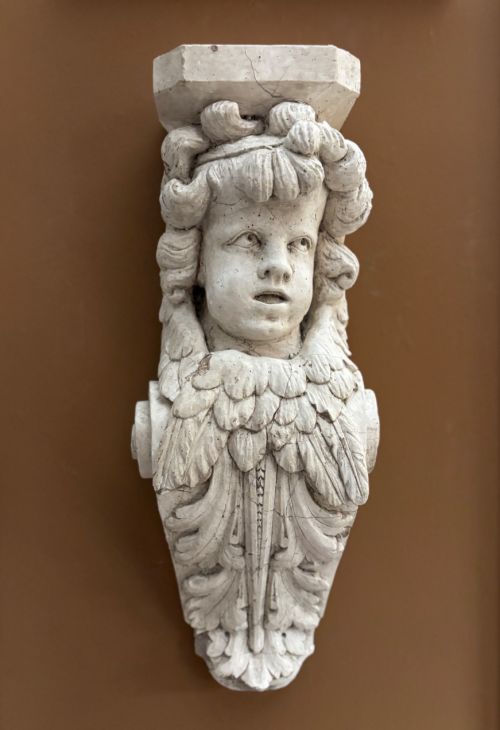
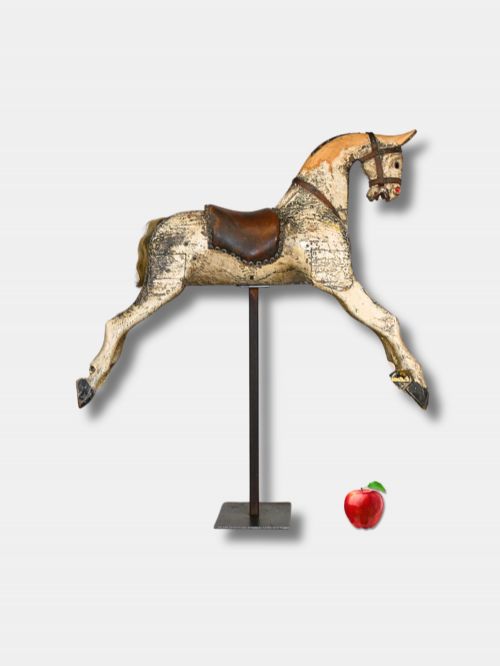
Woodcarvers shaped dense timbers like sycamore, linden, and oak to create expressive Black Forest bears, architectural putti, and solid equine forms.
Makers utilised plaster, paper mâché, and leathermaché for lighter decorative plaques and busts, applying simulated stone finishes or polychrome paint directly to the surface.
A wooden bear holds a tobacco box, guarding your matches with ferocious nineteenth-century commitment.
What varies in quality
The definition of the modelling separates standard decorative items from superior examples, particularly in the hand-chiselled fur of Black Forest carvings and the sharp relief of cast bronze appliques.
Original surface treatments dictate the merit of a piece, separating items that retain their authentic paint, gilt, or patination from those with later repainting.
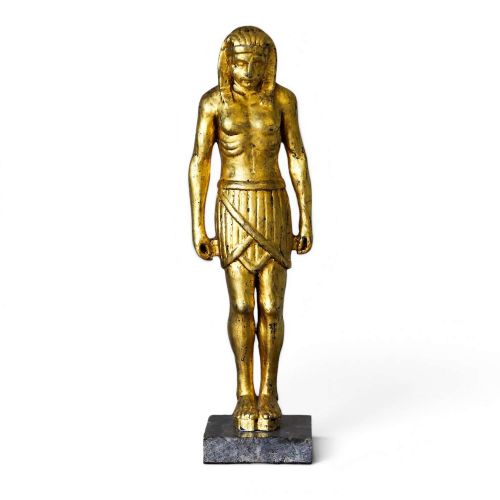
The integration of secondary materials, such as solid marble bases beneath bronze figures or granite mounts supporting wooden shabtis, establishes the ambition of the original maker.
Poix Blin·Carlhian and Corbiere·Royal Dux·G J Lines
The Victorian Decor Sculpture Glossary
- Black Forest
- A style of woodcarving originating in the European mountain region, typically depicting bears, ibex, and other wildlife in linden wood.
- Egyptian Revival
- An artistic movement drawing on ancient pharaonic motifs, producing figures such as sphinxes, shabtis, and winged deities.
- Parian ware
- A fine-grained unglazed porcelain resembling white marble, often utilised for nineteenth-century centrepieces and figures.
- Shabti
- A small funerary figure modelled in ancient Egypt, reproduced during the nineteenth century in wood, stone, or gilt metal for the Grand Tour market.
- Putto
- A plump naked male child carved in wood or cast in plaster, frequently appearing in architectural decorations and wall corbels.
Victorian Decor Sculpture: Frequently Asked Questions
What is victorian decor sculpture?
These items comprise three-dimensional decorative objects and sculptural furnishings produced during the nineteenth century and the early Edwardian era. They encompass utilitarian items like inkwells and doorstops alongside purely ornamental figures.
The materials range from cast bronze and iron to carved linden wood, plaster, and paper mâché. They reflect the eclectic tastes of the period, drawing on Gothic, classical, and exotic revival styles.
How were these sculptures used originally?
Many pieces served a dual purpose in the nineteenth-century interior, functioning simultaneously as useful objects and decorative works of art. Bronze inkwells sat on library desks, while cast iron horseheads and doorstops held doors or served as hitching posts.
Larger items like centrepieces and wall plaques were designed to display status and refinement in dining rooms and parlours. Wooden models and rocking horses provided amusement for children or served as trade displays.
How do I style them at home?
Integrate these heavy metal and carved wooden objects onto sturdy wooden sideboards, mantels, or library tables where their weight and dark patinas ground the display. Pair cast iron animals or bronze figures with books and ceramics to create textured vignettes.
Allow larger architectural pieces, such as wall corbels and plaques, to act as focal points on plain walls. Their historical weight contrasts effectively against clean, neutral backgrounds.
How do I tell periods apart?
Examine the materials, manufacturing marks, and stylistic revivals to establish an approximate date within the nineteenth century. Mid-century pieces often display restrained Neoclassical influences, while later decades embrace more ornate Egyptian Revival and folk art idioms.
Cast iron and heavy bronze items frequently show distinct foundry marks or patination consistent with nineteenth-century production methods. Painted surfaces and original labels provide further clues to chronological placement.