
Victorian Dark Wood Chair
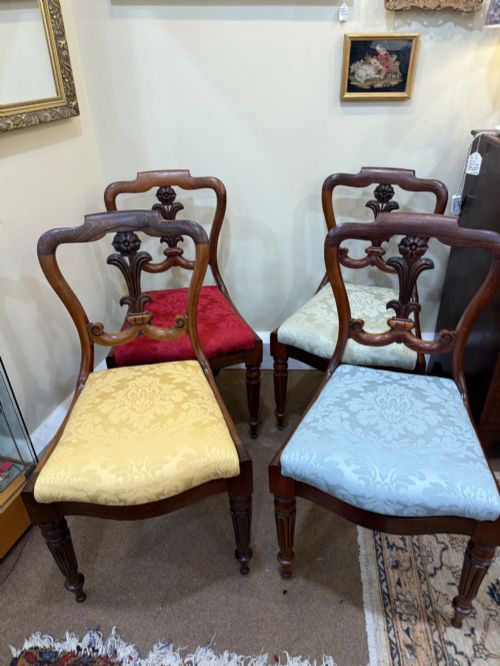
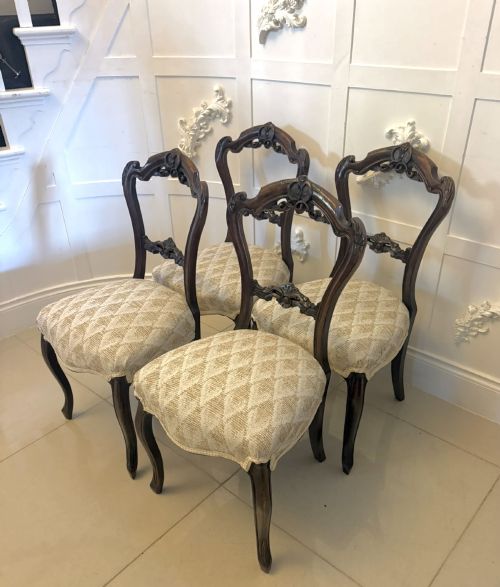
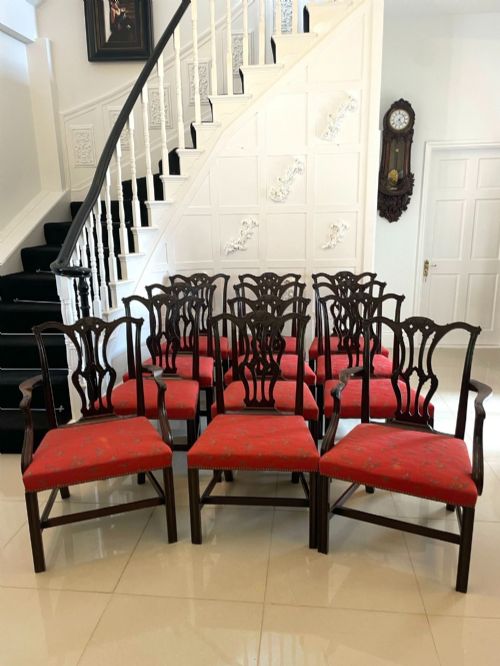
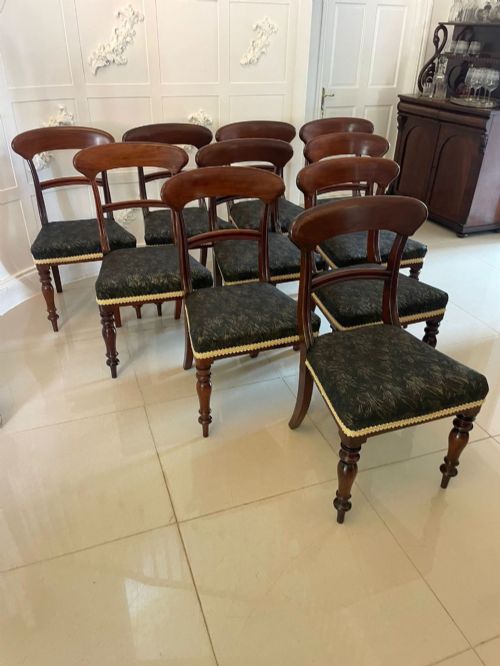
A victorian dark wood chair brings rich mahogany, elm, and oak into daily use, offering sturdy seating with distinctive nineteenth-century character.
Victorian Dark Wood Chair
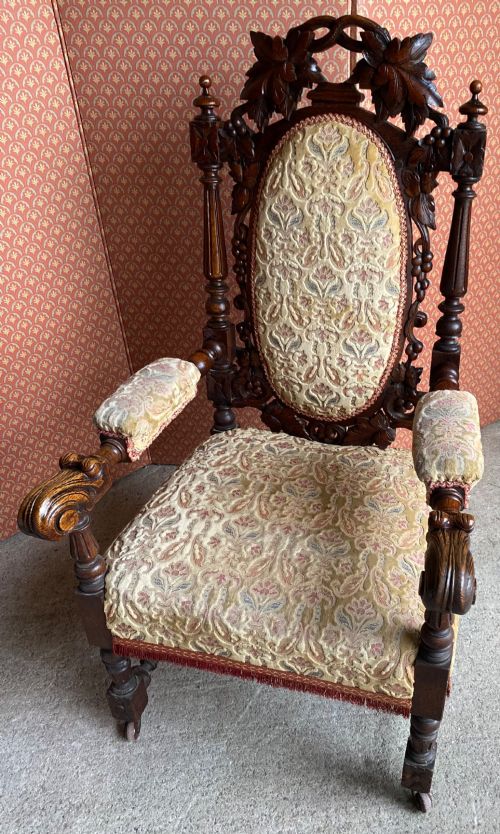
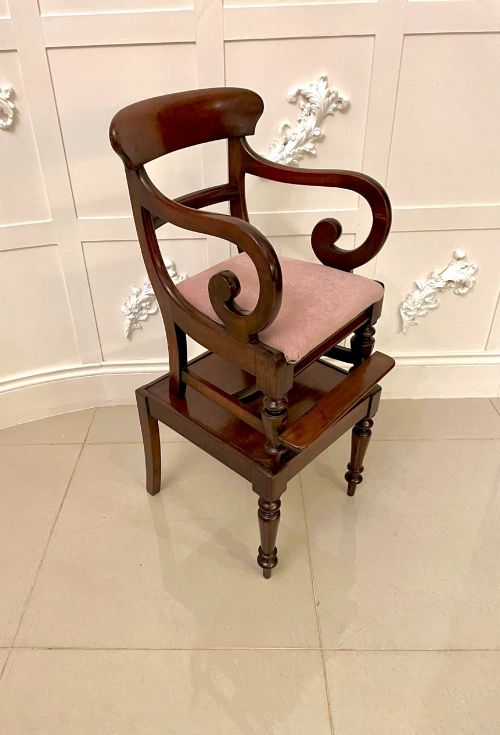
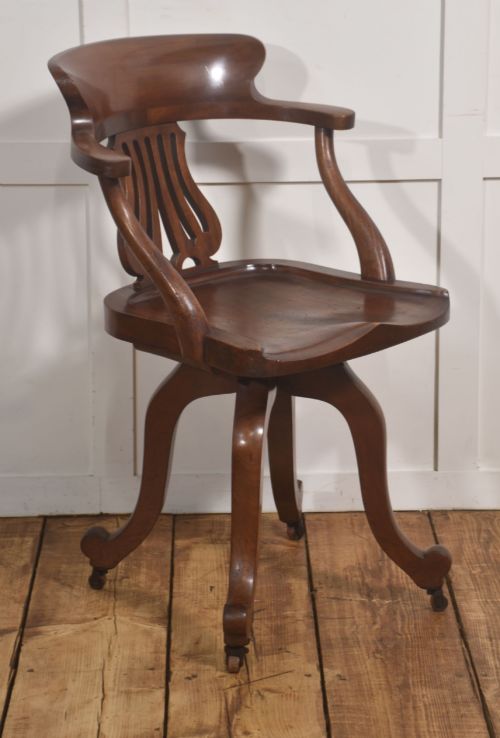
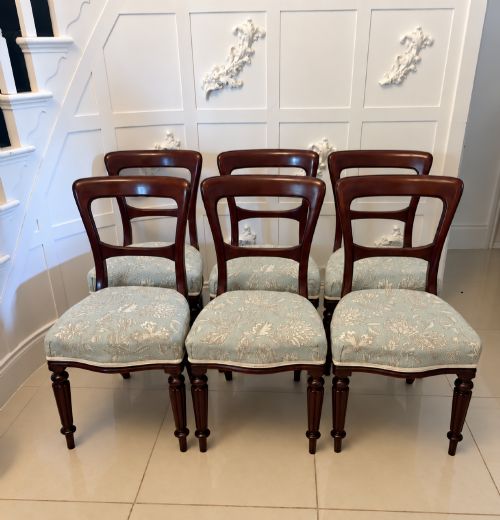
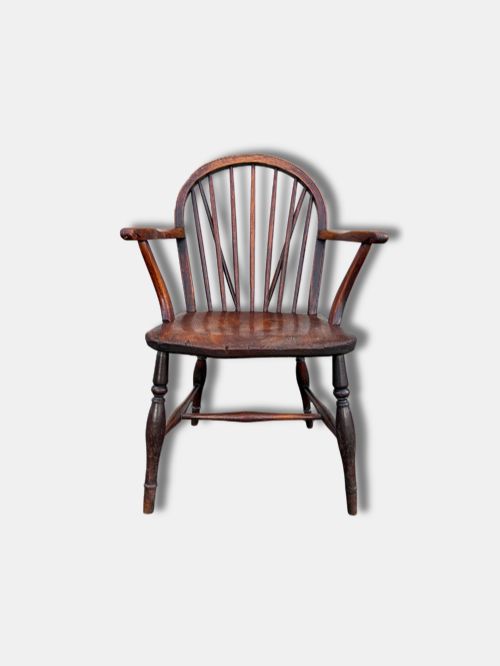
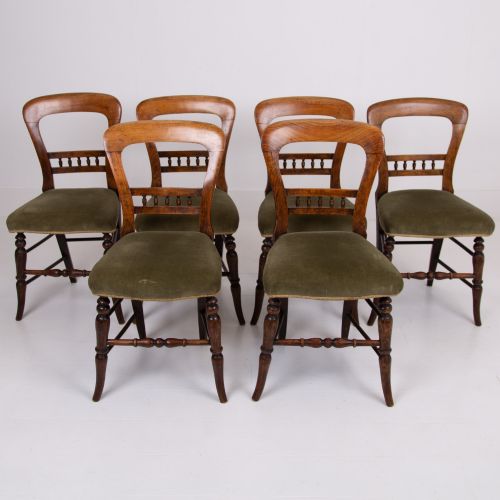
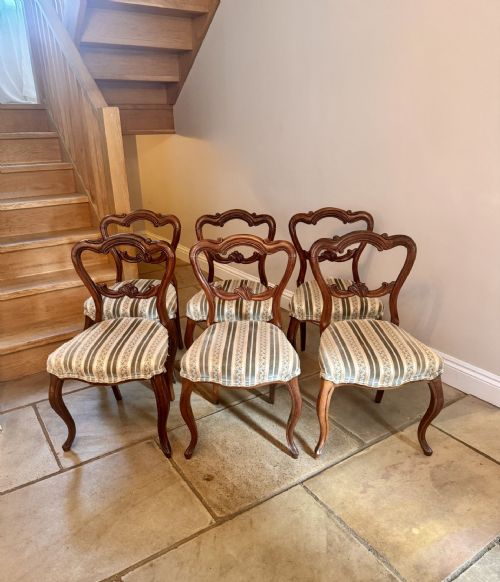
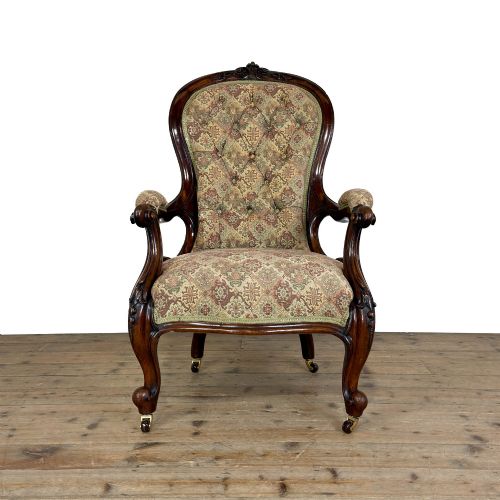
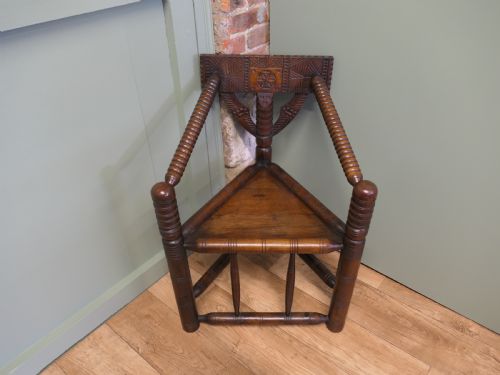
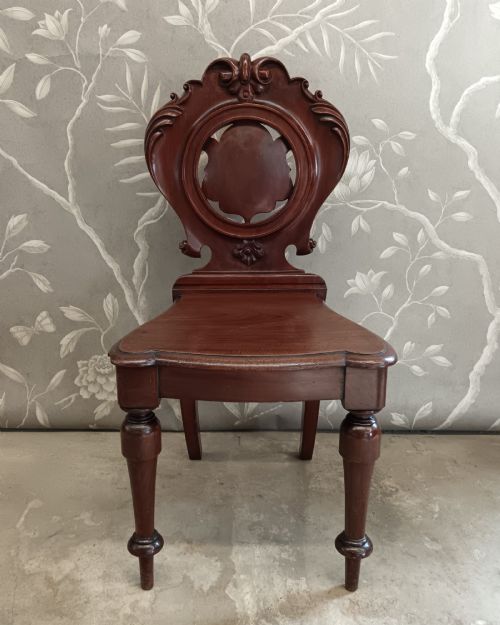
A buyer searching for a victorian dark wood chair encounters a broad selection of nineteenth-century seating, ranging from formal dining sets to rustic kitchen armchairs. The most common varieties appearing in these listings include robust Windsor designs, carved mahogany dining chairs, and sturdy office or desk seating.
Makers utilised dark timbers to create functional seating for diverse domestic spaces, from formal libraries to rustic country kitchens. Dining chairs frequently survive in sets, while armchairs, rocking chairs, and music stools appear as individual statement pieces.
Materials and Technique
Makers constructed these seats using a combination of dense hardwoods, predominantly mahogany, walnut, and rosewood for formal rooms, alongside tough native timbers like elm, ash, and beech for country Windsor chairs. Turnings, steam-bent components, and robust joinery provided the structural integrity required for daily domestic use.
Surface treatments varied significantly by function, with formal dining chairs receiving smooth polished finishes while country pieces often retained original patinated surfaces. Decorative details included mother-of-pearl inlay, intricate hand-carved ladderbacks, and applied brass fittings.
Evaluating the Pieces
Quality in a victorian dark wood chair depends heavily on the selection of timber and the crispness of the original carving. Pieces featuring dense, well-figured rosewood or finely grained mahogany display a depth of colour that elevates them above standard utility seating.
Structural integrity and the preservation of original finish dictate desirability. Examples that retain their early patination without excessive modern intervention demonstrate superior craftsmanship and careful historical preservation.
Jennens and Bettridge·Philip Clissett
The Victorian Dark Wood Chair Glossary
- Windsor chair
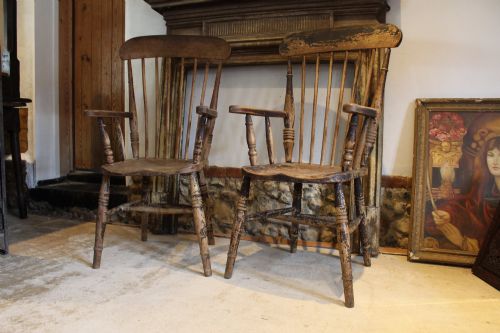
- A wooden chair built with a solid saddle-shaped seat into which the back and legs are dowelled directly. This traditional form often combines elm seats with ash or beech spindles.
- Ladderback
- A chair back constructed with horizontal arched slats resembling the rungs of a ladder. This style appears frequently in traditional country dining furniture.
- Barback
- A chair featuring a horizontal splat across the backrest that resembles the top rail of a Windsor or farmhouse seat. It provides lower back support during long periods of sitting.
- Papier-Mâché
- A composite material made from paper pulp mixed with glue and oil, pressed into moulds and hardened. Jennens and Bettridge utilised this technique for decorative music stools and occasional furniture.
Victorian Dark Wood Chair: Frequently Asked Questions
How do I identify a Windsor chair?
A Windsor chair is characterised by a thick solid wooden seat into which the legs and back spindles are fitted independently rather than via a framed chassis.
Most examples utilise mixed timbers, pairing an elm seat with ash or beech for the bentwood components.
Are these chairs suitable for daily dining?
Nineteenth-century dining chairs and farmhouse seats were built for robust everyday service and remain entirely practical for contemporary meals.
Solid wood construction ensures long-term durability when placed around a modern table.
What is the difference between a salon chair and a parlour chair?
Salon and parlour chairs generally feature lighter proportions, decorative carving, and upholstered elements designed for formal reception rooms rather than heavy work.
They often employ finer timbers like rosewood or walnut alongside detailed scrollwork.
How should I care for dark wood surfaces?
Maintain the timber by keeping pieces away from direct heat sources and sudden humidity changes that can dry out the historic wood.
Apply occasional natural wax to nourish the grain and preserve the original surface sheen.