
Victorian Cut Crystal
Victorian cut crystal brings together heavy lead glass and sharp geometric facets, offering a tactile weight and brilliant refraction that transforms any room.

Victorian Cut Crystal
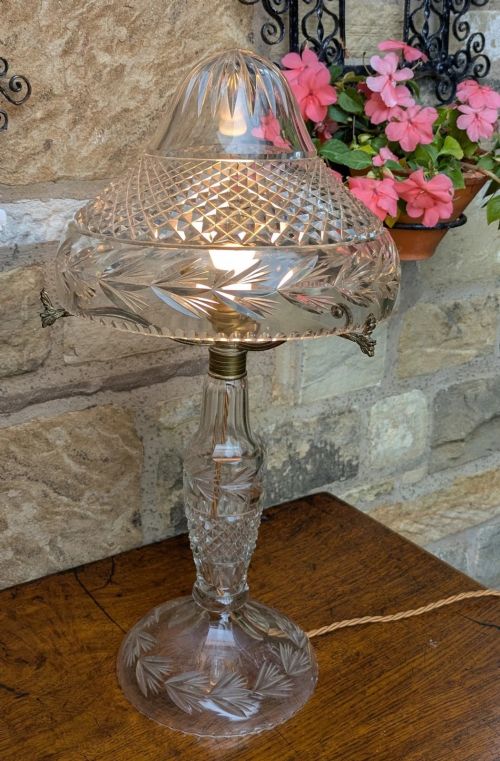
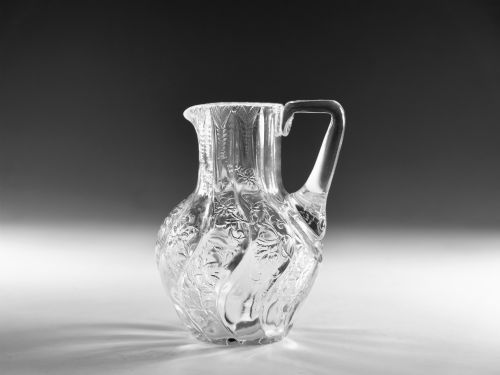
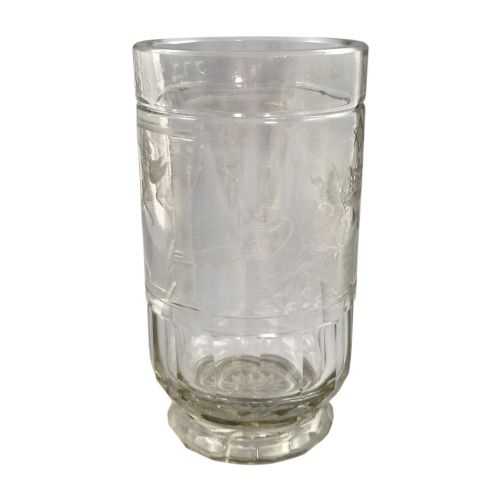
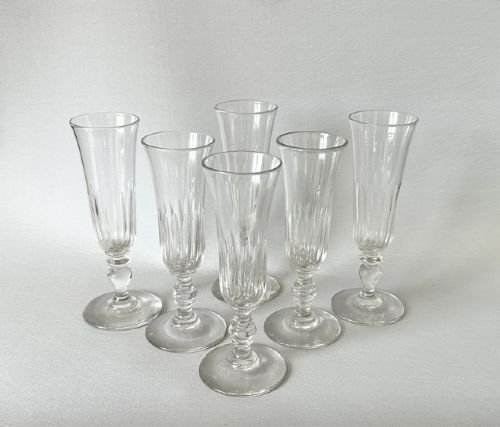
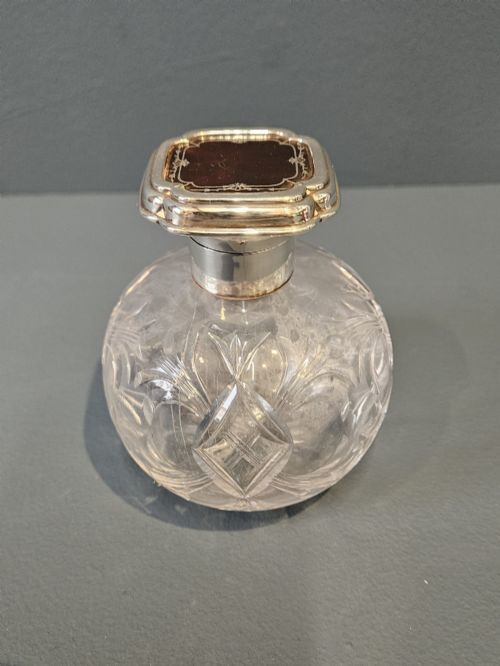
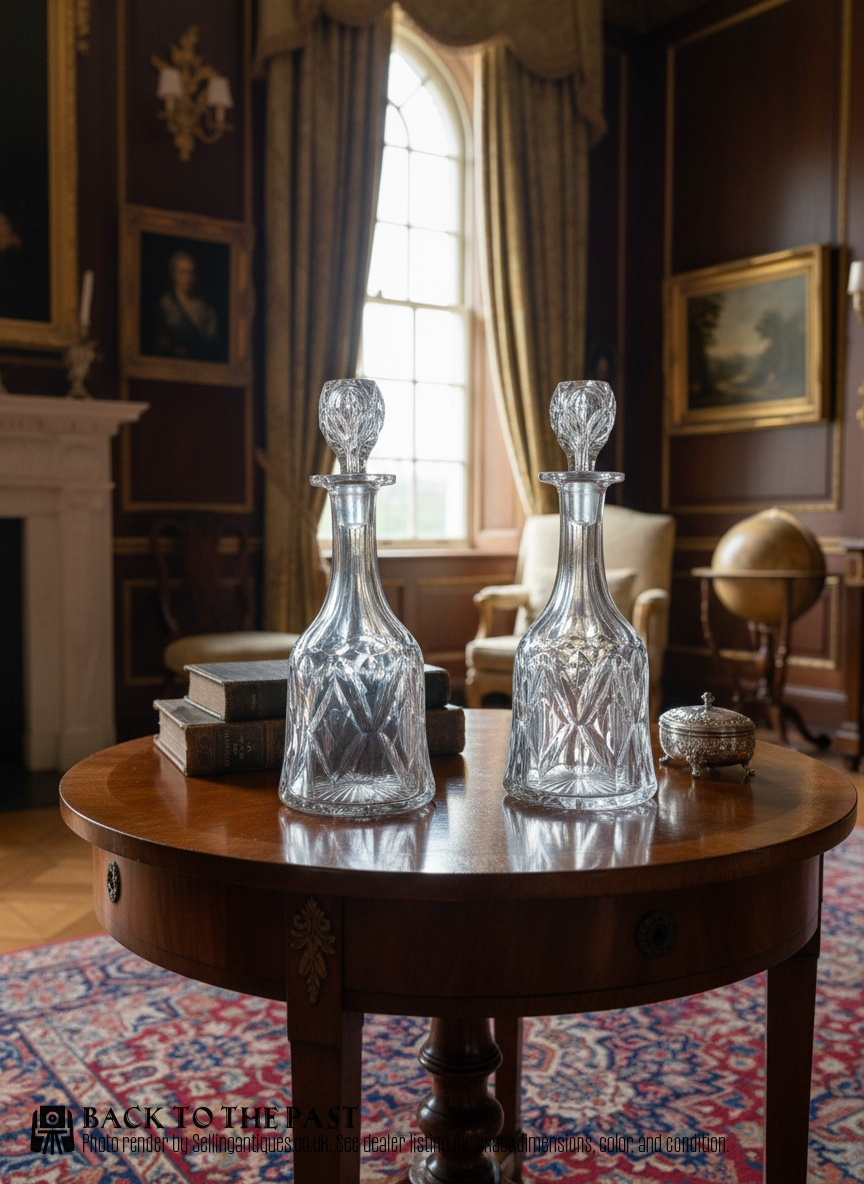
Victorian cut crystal encompasses functional tableware and decorative objects produced during the nineteenth century, most frequently encountered as decanters, claret jugs, scent bottles, and table centrepieces.
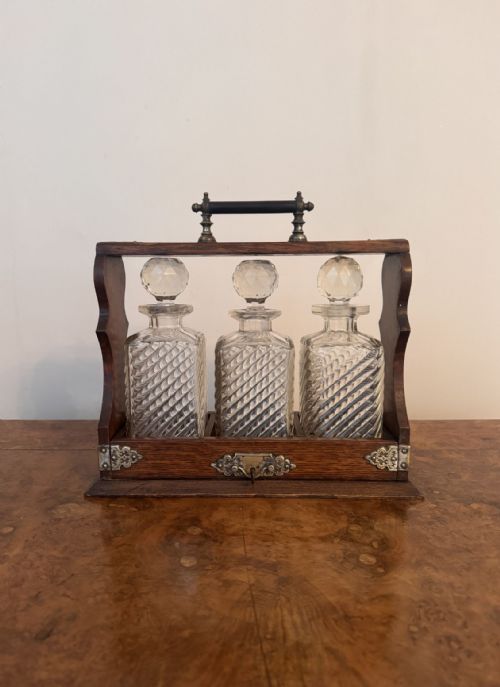
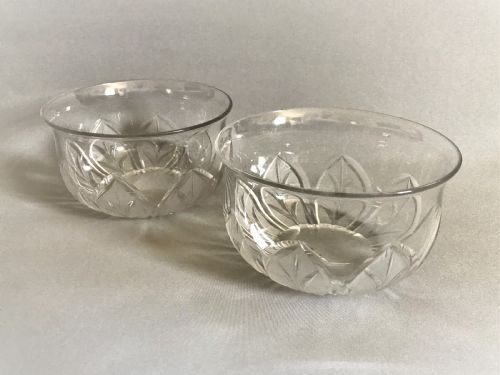
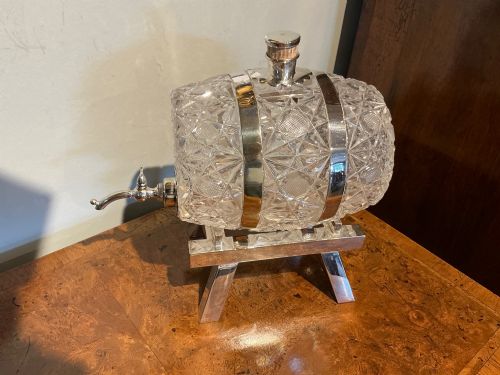
The objects range from modest finger bowls and wine tumblers to massive tantalus sets fitted in mahogany or held in silver-plated stands.
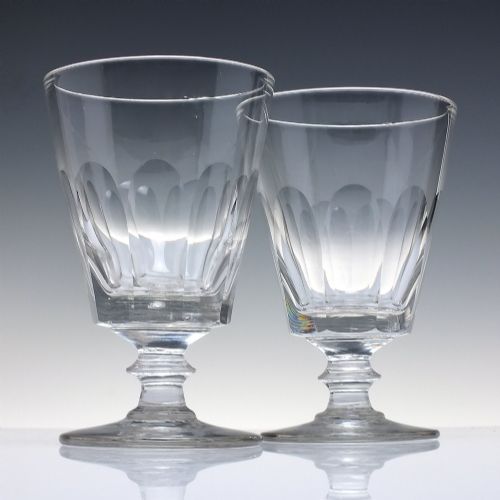
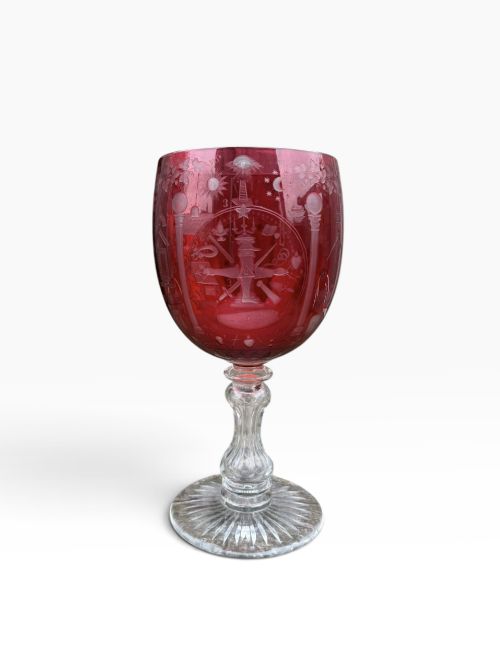
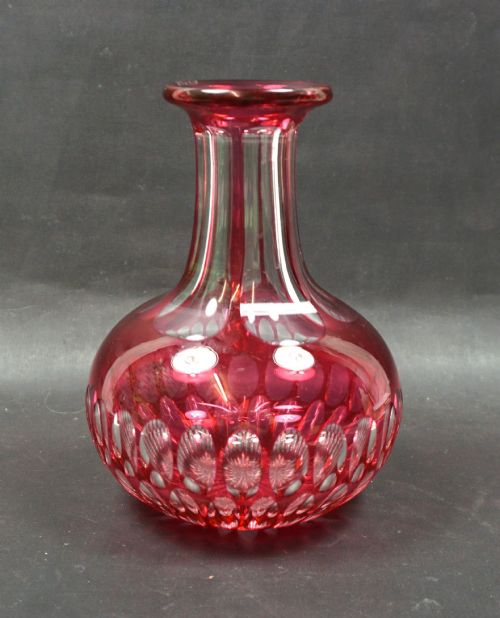
Makers utilised clear lead crystal alongside flashed and cased colours such as ruby, cranberry, emerald, and cobalt, often applying wheel-cut patterns across the surface.
Materials and Working Methods
Glassmakers blew molten lead crystal into moulds or shaped it by hand before cooling the thick blanks for cold-working.
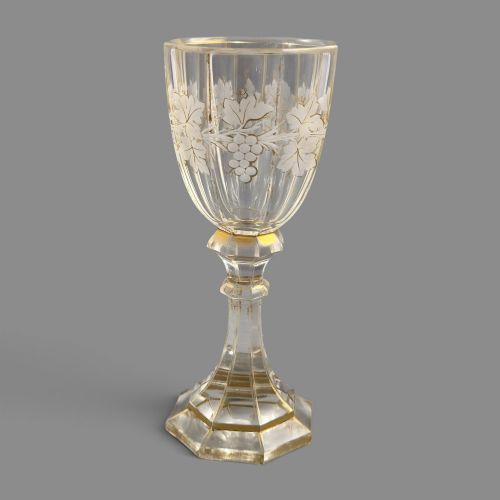
Artisans applied deep geometric facets, hobnail patterns, and delicate engraving using rotating stone and copper wheels fed with abrasives.
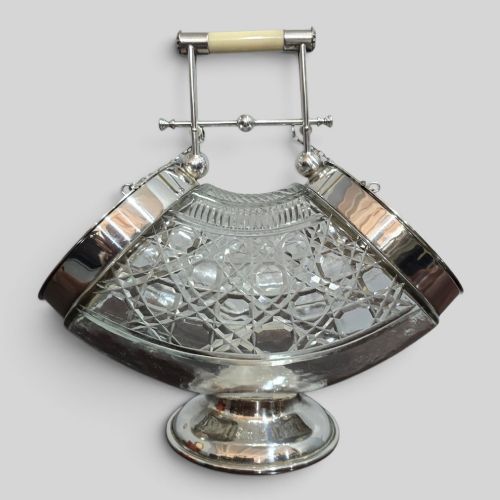
Metal mounts in silver plate, sterling silver, brass, or ormolu were fitted to rims, handles, and bases to complete claret jugs, scent bottles, and centrepieces.
Victorian Cut Crystal Retail Price Guide 2026
Typical asking prices for victorian cut crystal among the pieces listed under this phrase on Sellingantiques today, from the lower quarter to the upper quarter. They describe what is for sale here now, not the wider market.
Victorian households locked up their whiskey in a tantalus, deliberately teasing guests with a drink they could see but not pour.
Judging Quality and Execution
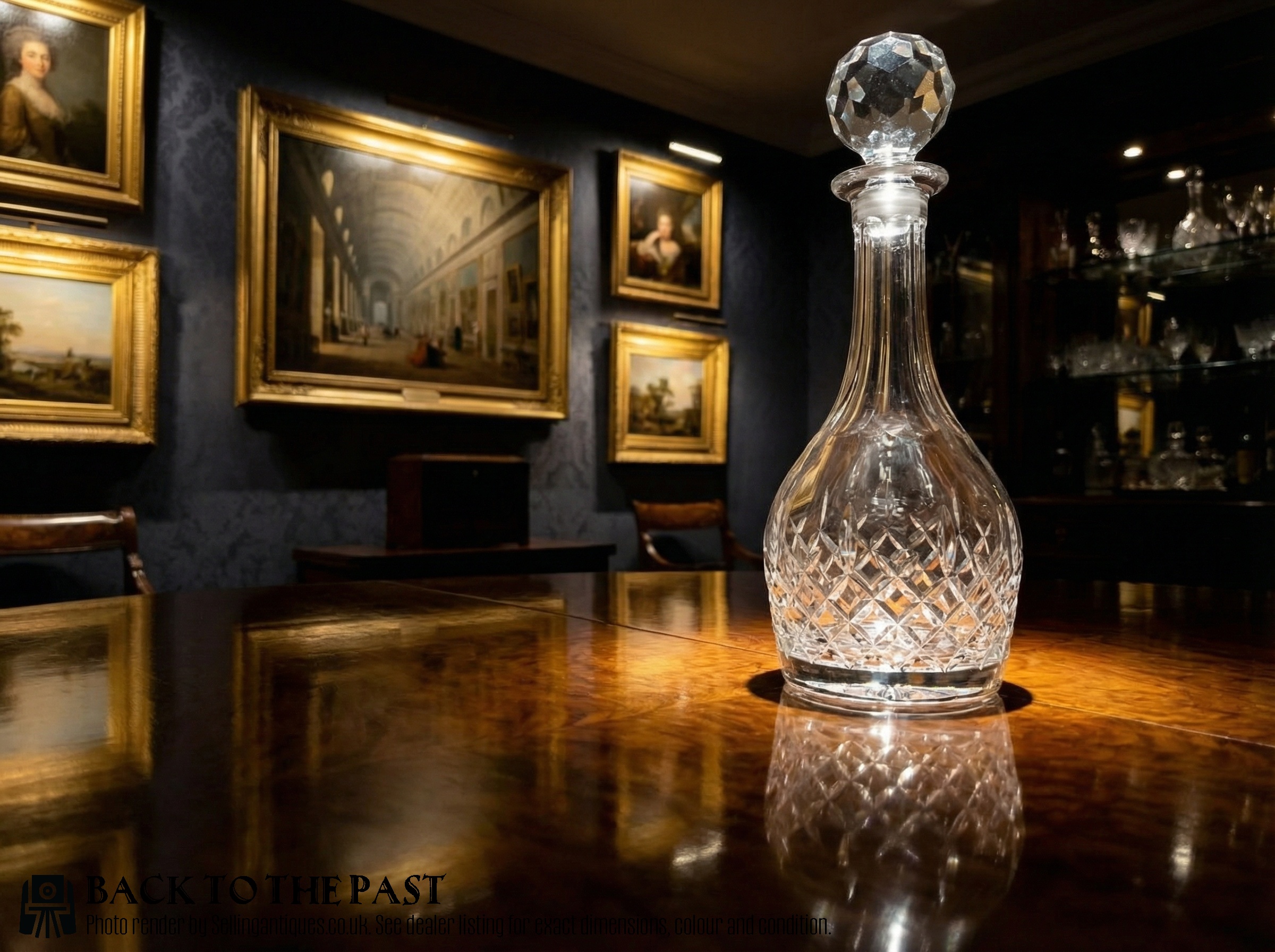
Depth and crispness of the wheel-cut facets separate superior examples from softer, shallower press-moulded imitations.
Clarity of the lead crystal and absence of internal bubble distortion reflect the purity of the initial batch and skill of the glasshouse.
Integration of secondary materials, such as heavy cast silver-plated mounts or gilt bronze frames, indicates the original ambition of the piece.
Stevens and Williams·Walker and Hall·Edgar Finley and Hugh Taylor·Elkington and Co
The Victorian Cut Crystal Glossary
- Hobnail cut
- A raised, multi-faceted diamond pattern resembling the hobnails on heavy boots. This texture provides a secure grip and catches the light intensely.
- Tantalus
- A locking wooden or metal frame holding decanters securely so they cannot be removed without a key. The contents remain visible but inaccessible to thirsty guests.
- Mantel lustre
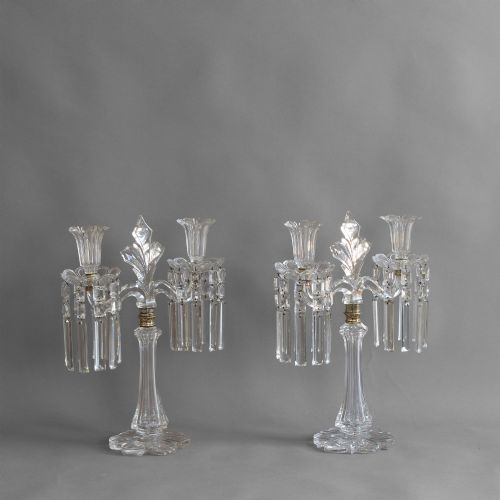
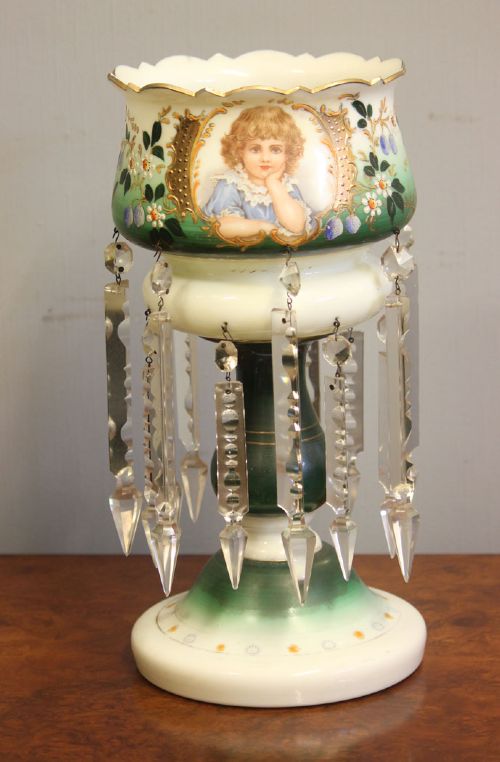
- A decorative glass vase hung with long cut crystal prisms or drops. They were designed to sit on a fireplace mantel and reflect candlelight.
- Claret jug
- A pouring vessel designed specifically for serving red wine, typically combining a cut glass body with a hinged silver or silver-plated mount and handle.
- Lead crystal
- Glass containing a high percentage of lead oxide, which increases weight, clarity, and the refractive index that creates prismatic colour.
Victorian Cut Crystal: Frequently Asked Questions
How do I clean cut crystal?
Wash pieces by hand in warm water with a mild detergent, avoiding harsh scouring pads that might scratch the surface. Rest delicate items on a towel inside the sink to prevent chipping the heavy rims.
Dry immediately with a lint-free linen cloth to restore the brilliant sparkle of the facets without leaving water spots.
Are these decanters safe for modern wine?
Most antique decanters are entirely suitable for holding and serving wine, provided the interior is clean and free of stubborn residue. Lead content in vintage crystal is stable under normal use, though wine should not be stored in them for extended periods.
Inspect the interior base for staining or hazing before pouring, using specialised cleaning beads if necessary.
How do I date a cut crystal decanter?
Examine the base for a polished pontil mark, which indicates the piece was finished by hand rather than mass-produced in a modern machine mould. Shape, stopper style, and the depth of the cutting also help narrow down the production era.
Matching silver mounts, when present, often carry hallmarks with date letters that pinpoint the exact year of manufacture.
What is a tantalus used for?
A tantalus held spirits under lock and key during the Victorian period to prevent servants from helping themselves to the household liquor. The clever frame allowed guests to admire the cut crystal decanters while keeping the contents secure.
Today they serve as dramatic drinks cabinets on sideboards and desks.