

Victorian Crystal Wine Glasses
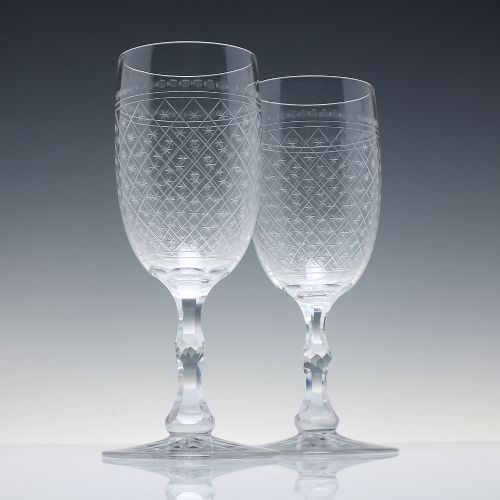
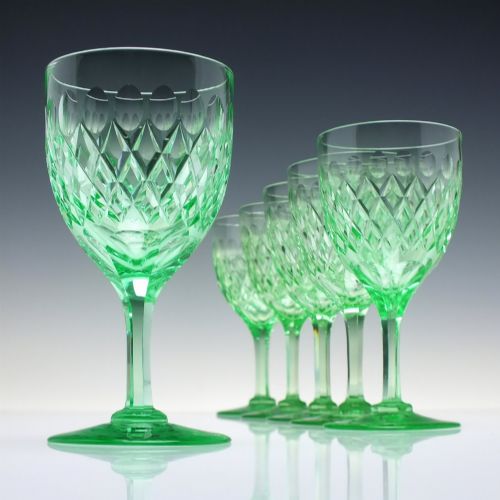
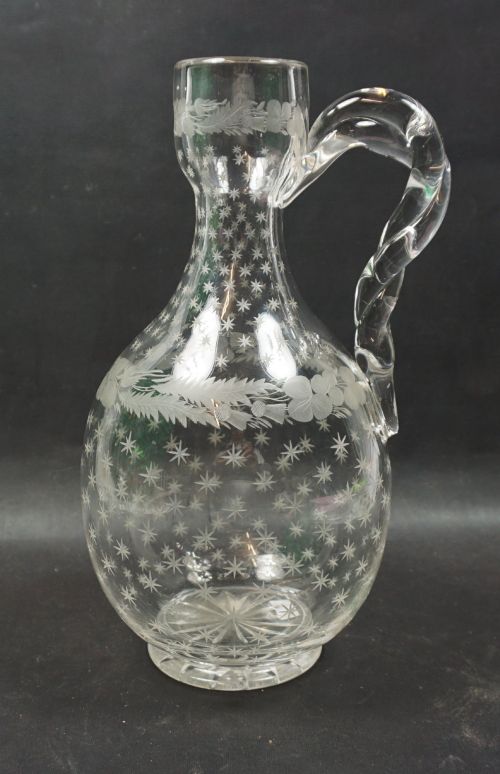
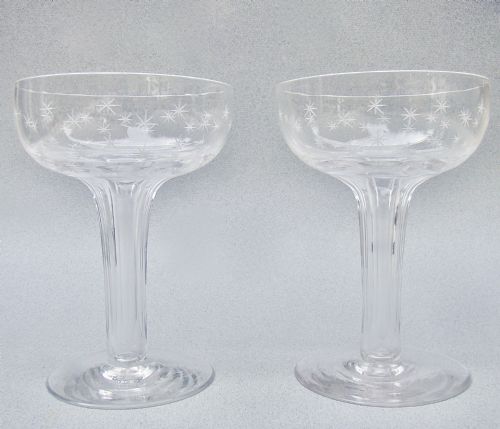
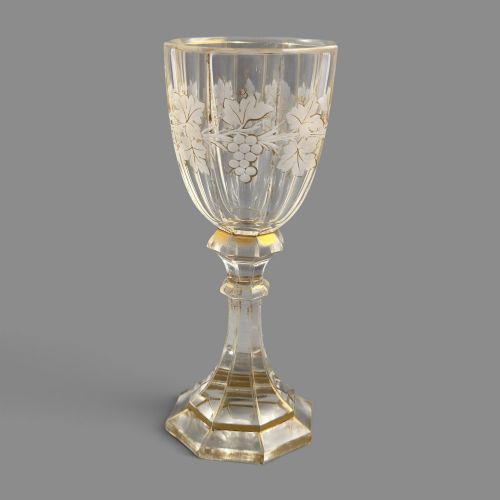
These Victorian crystal wine glasses and associated vessels bring heavy lead crystal and bright wheel-engraving directly to the table.
Victorian Crystal Wine Glasses
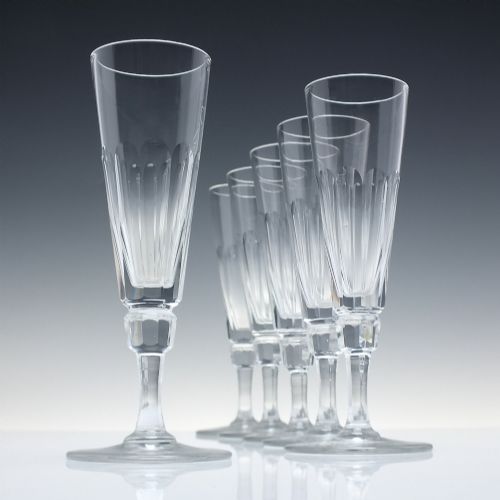
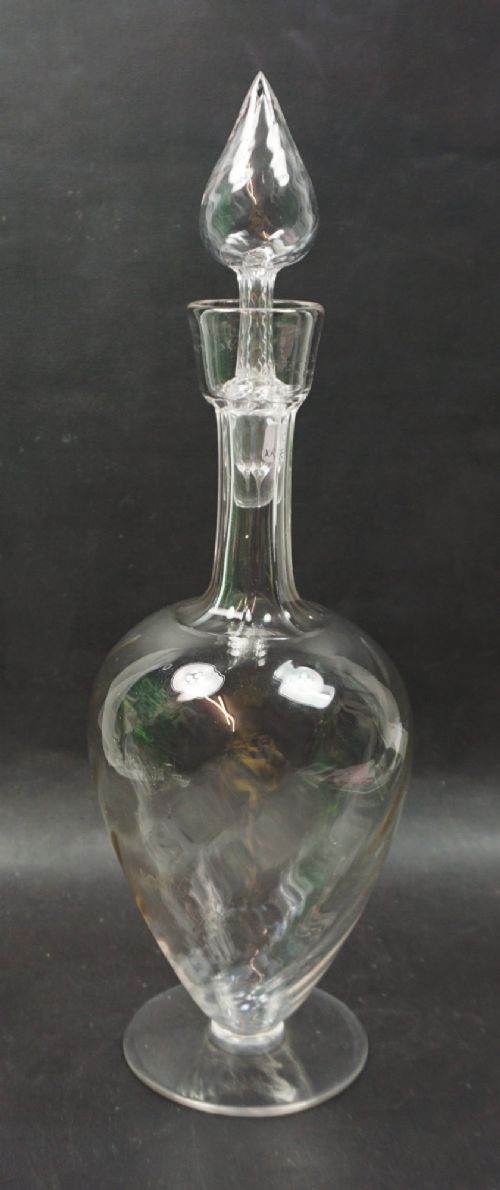
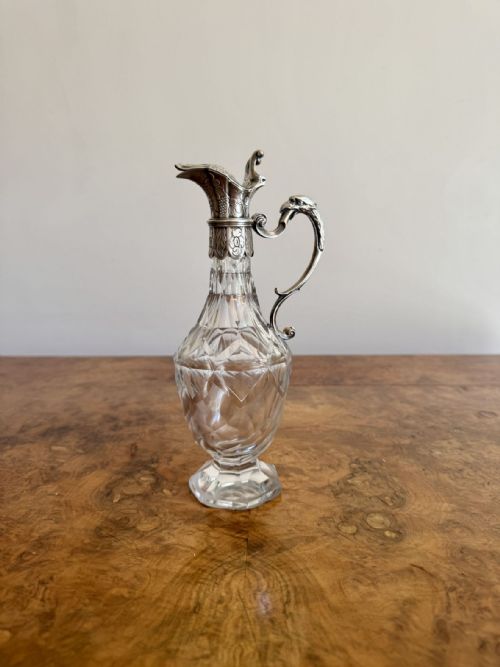
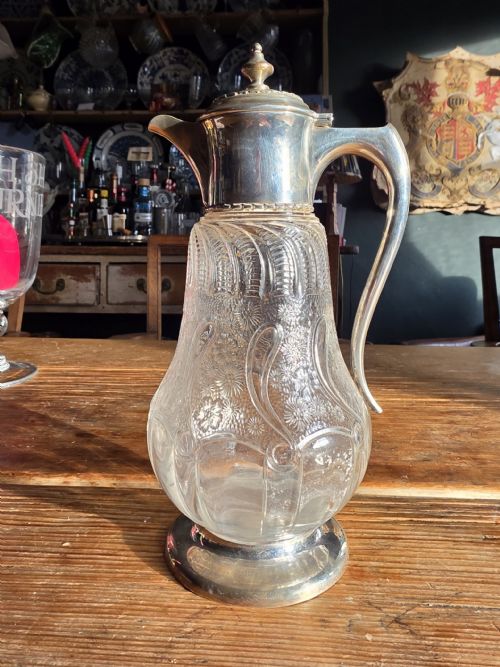
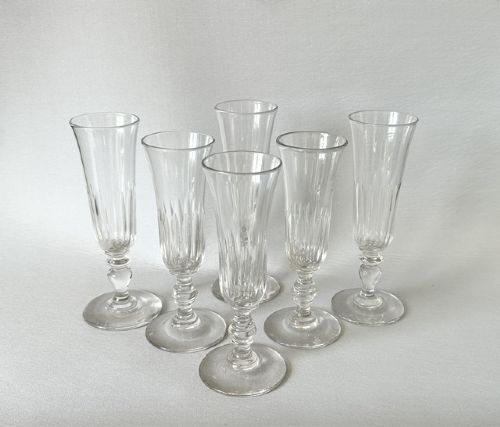
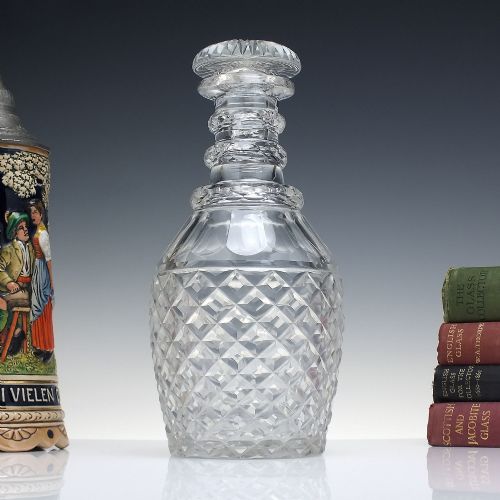
Victorian crystal wine glasses include stemware, hollow stem champagne glasses, rummers, and dessert wine glasses alongside larger serving vessels like claret jugs, ewers, and decanters. The pieces date primarily from the middle decades of the nineteenth century through to the early twentieth century, spanning English production and Continental workshops.
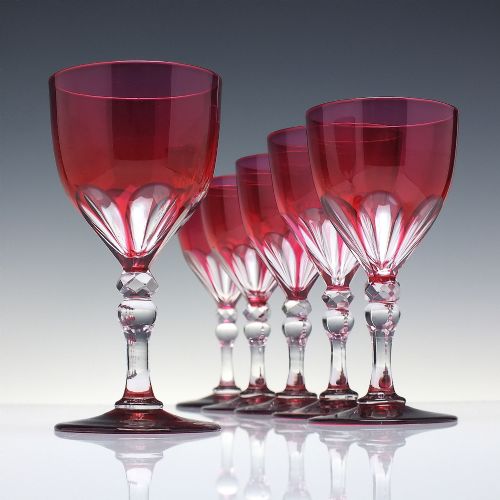
The selection ranges from matched sets of six or eight drinking glasses to individual tall decanters and silver-mounted jugs. Makers and decorators utilised clear glass, coloured lead crystal, and ruby overlay techniques to achieve distinct visual depth on the dining table.
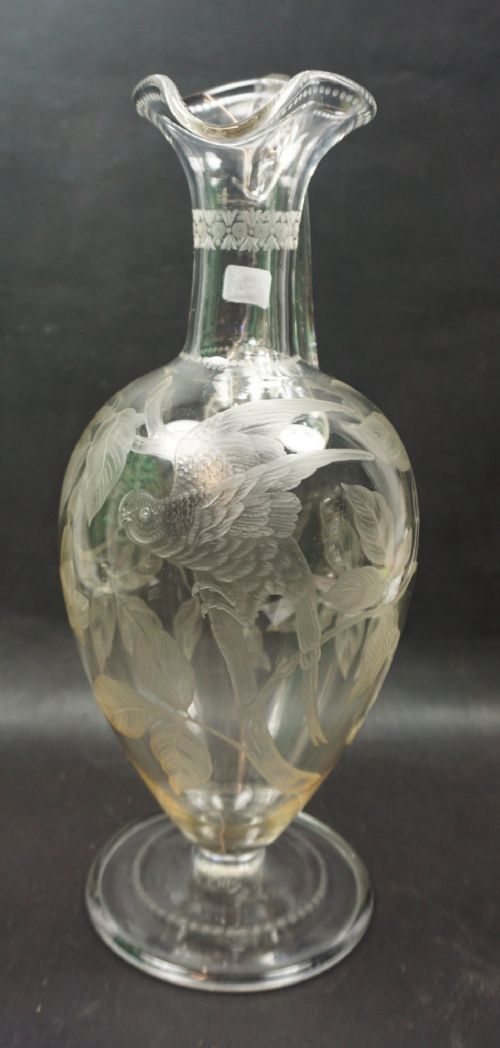
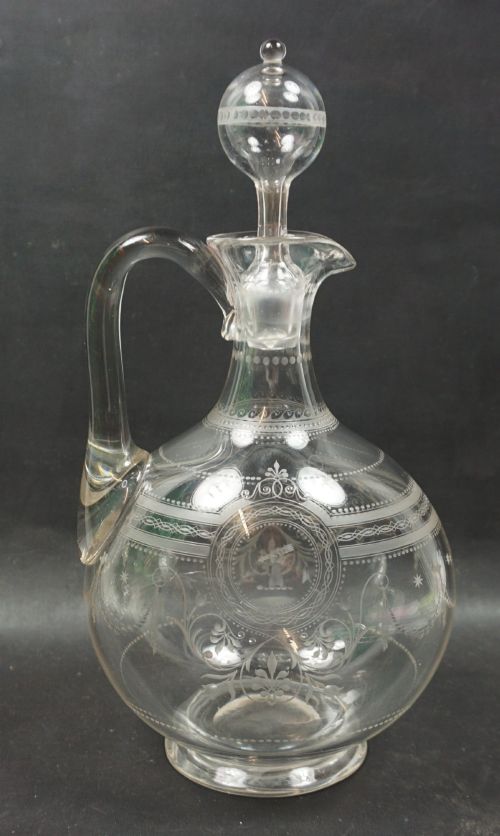
Buyers encounter distinct regional styles, including Bohemian cobalt crystal, French Second Empire influence, and English wheel-engraved motifs depicting flora, crests, and national symbols. These items reflect the elaborate dining rituals of the period.
Materials and technique
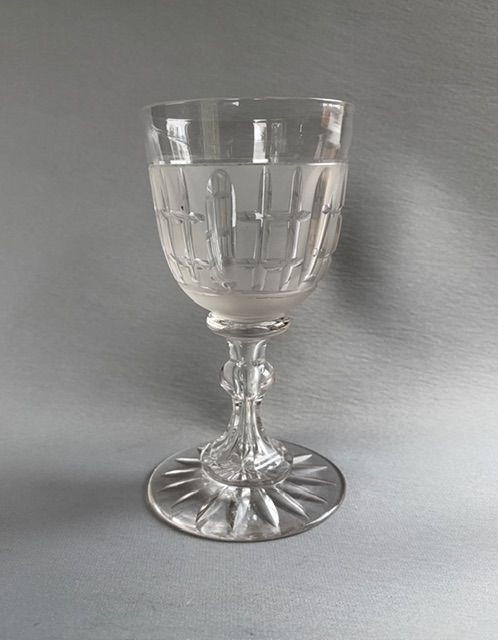
Makers shaped heavy lead crystal and clear glass by blowing into moulds or free-blowing before applying deep wheel-cut facets and intricate surface engraving. Artisans utilised copper wheels to carve detailed parrots, flowers, stars, and heraldic crests into the body of the glass.
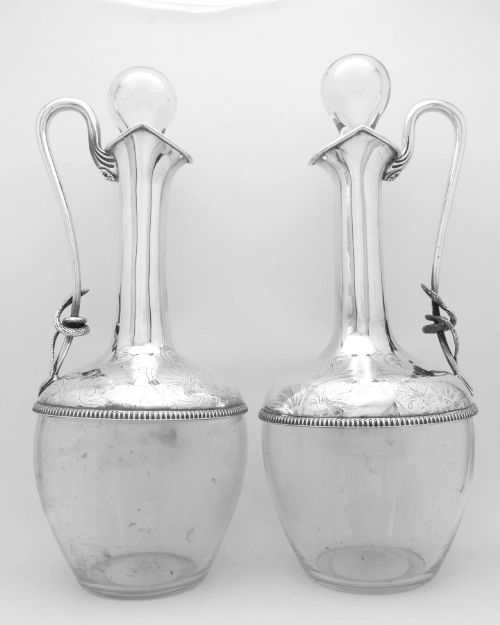
Many vessels incorporate metal mounts in sterling silver, silver plate, or white metal, often featuring detailed serpent handles or ornate collars. Gilding and ruby overlay provide contrasting colour against the clear crystal body on specific Bohemian and English items.
Victorian Crystal Wine Glasses Retail Price Guide 2026
Typical asking prices for victorian crystal wine glasses among the pieces listed under this phrase on Sellingantiques today, from the lower quarter to the upper quarter. They describe what is for sale here now, not the wider market.
Periods represented span from the mid-nineteenth century Victorian era through to Edwardian production.
Distinctions in quality
Quality rests upon the crispness of the wheel-cut facets and the depth of the hand-engraving rather than surface polish alone. Superior items display precise symmetry in the cutting and secure integration of silver or white metal mounts.
The weight of the lead crystal and the clarity of the metal dictate the standing of individual goblets, decanters, and claret jugs. Finer pieces demonstrate control in gilding application and overlay work without blurring at the edges of the motifs.
James Powell·William Comyns·Moser
The Victorian Crystal Wine Glasses Glossary
- Lead crystal
- Glass containing metal oxides that increase weight, refractive index, and clarity for deep cutting. This material allows artisans to produce sharp facets that catch candlelight effectively.
- Claret jug
- A large pouring vessel designed specifically for serving red wine at the table. These pieces frequently feature silver-plated or sterling silver mounts and handle assemblies.
- Rummer
- A large, sturdy goblet used historically for ale, wine, or punch during the eighteenth and nineteenth centuries. They possess thick stems and substantial bowls.
- Ruby overlay
- A manufacturing technique where a thin layer of red glass is fused over a clear crystal core before being cut away to expose the clear layer beneath. This process creates high-contrast patterns.
- Latticinio
- A decorative glassmaking technique incorporating fine white or coloured glass threads twisted within the clear body. It appears on mid-nineteenth century jugs and stemware.
Victorian Crystal Wine Glasses: Frequently Asked Questions
What are Victorian crystal wine glasses?
These items are nineteenth-century drinking vessels and serving pieces made from heavy lead crystal, often featuring hand-cut facets or wheel-engraved ornamentation.
They encompass wine glasses, champagne flutes, rummers, and matching decanters intended for formal dining.
How do I clean silver mounted decanters?
Clean the crystal body with warm water and mild detergent while keeping silver mounts dry to protect the metalwork.
Avoid soaking silver-plated collars or hinged lids to prevent damage to internal cements and seals.
Can I use these glasses for daily dining?
These antique vessels suit special occasions and careful handling due to their age and delicate hand-engraved details.
Hand washing is necessary for all lead crystal stemware and silver-mounted jugs to preserve the material.
How do I identify Bohemian pieces?
Bohemian items often exhibit rich colour saturation such as cobalt blue or ruby overlay combined with heavy gilding.
These pieces originate from nineteenth-century Central European workshops known for complex cutting and enamelling techniques.