



Victorian Crystal Carafes
Victorian crystal carafes bring heavy cut glass and silver mounts to the table, offering a functional centrepiece for wine and spirits.
Victorian Crystal Carafes
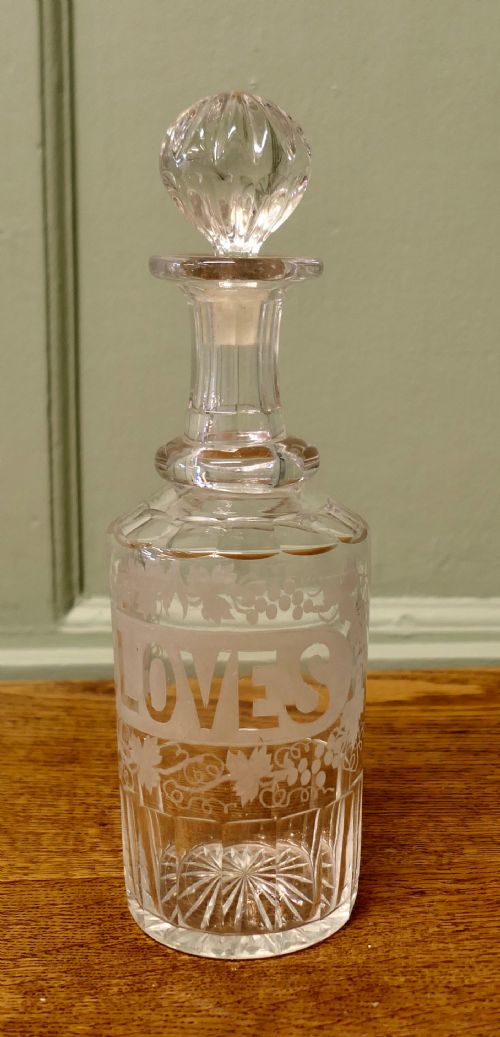
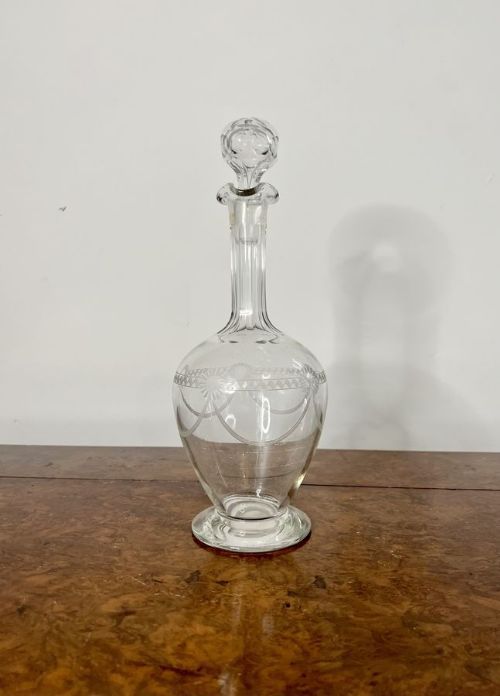
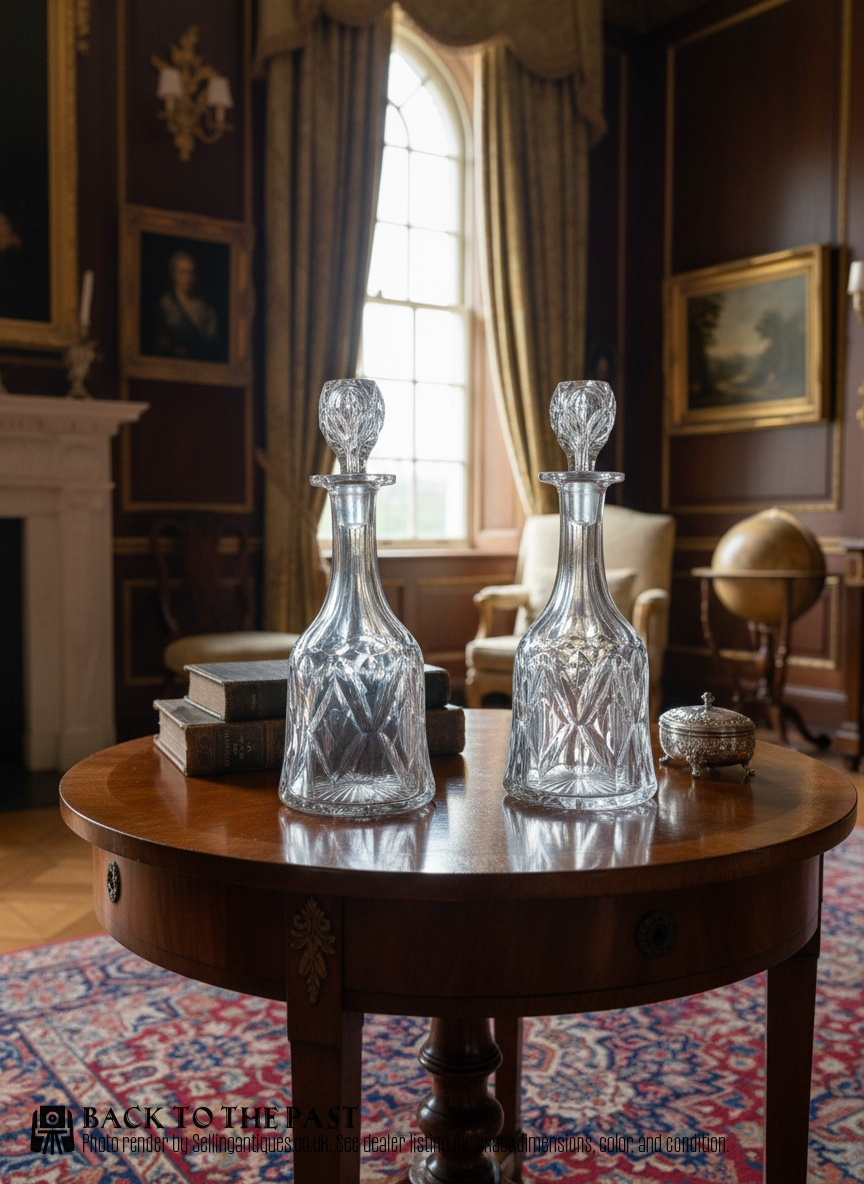
When you search for victorian crystal carafes, you encounter robust vessels designed for serving wine, claret and spirits during the nineteenth century. The selection spans straightforward decanters, claret jugs and ewers alongside paired sets intended for formal dining.
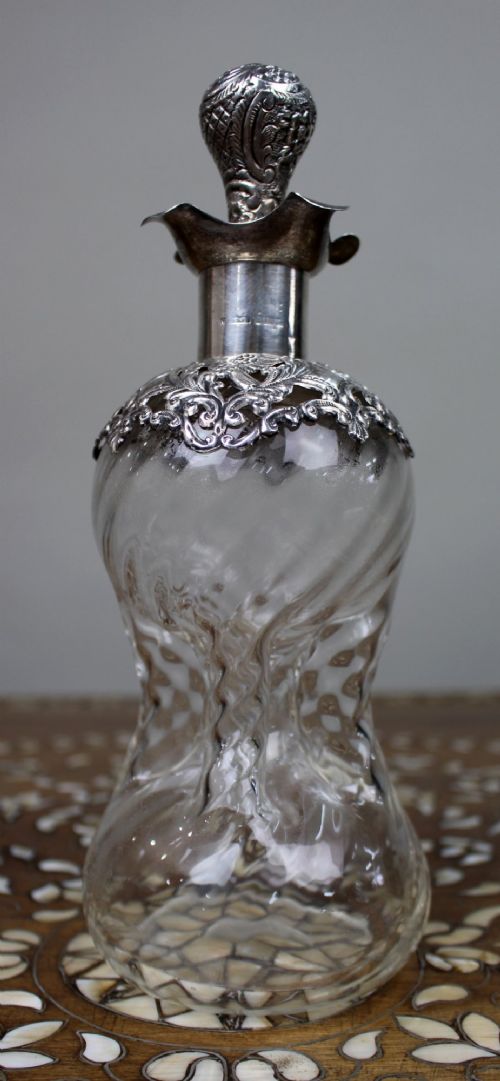
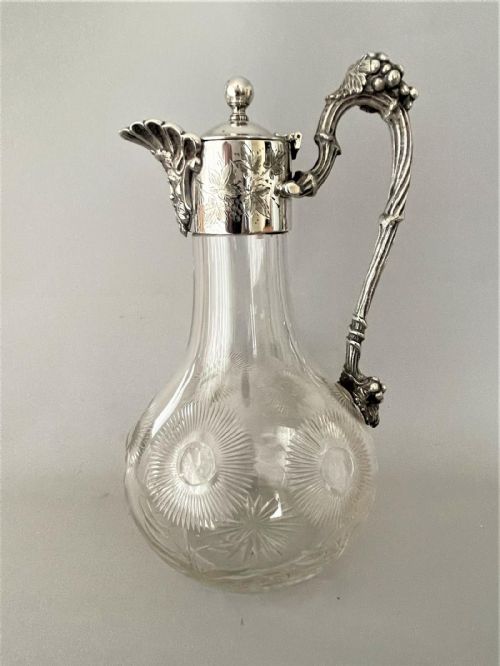
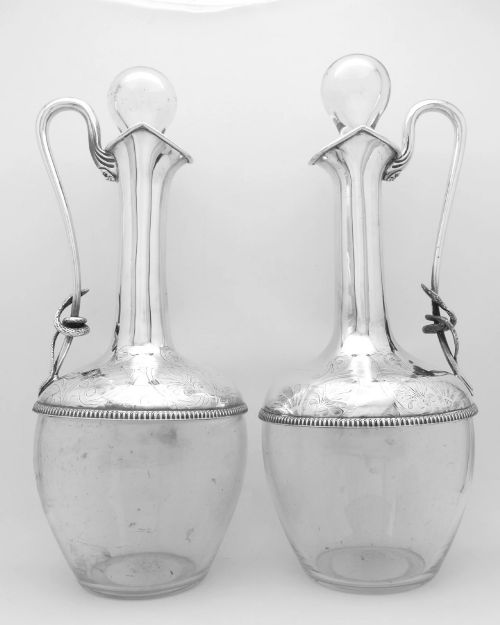
Most examples date from the Victorian era proper, with notable variants stretching from the mid-nineteenth century into the Edwardian period. Forms range from shaft and globe shapes to hourglass bodies and handled pitchers fitted with silver or silver-plated mounts.
Materials and construction
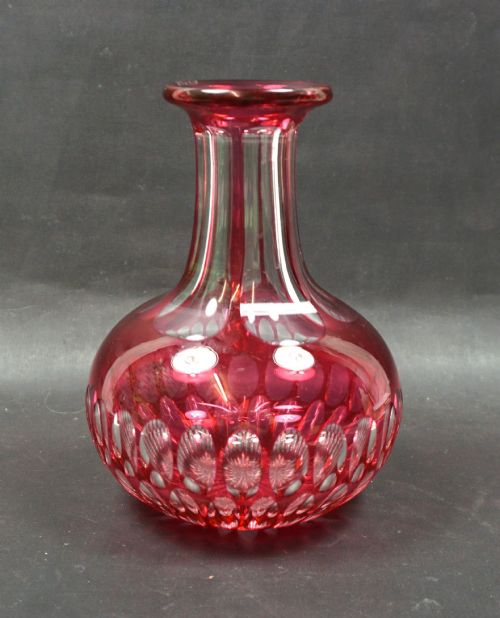
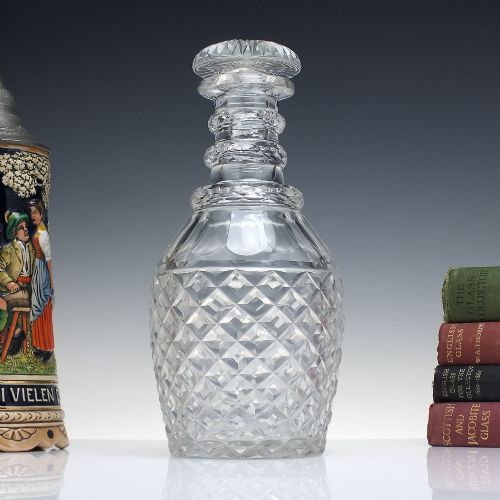
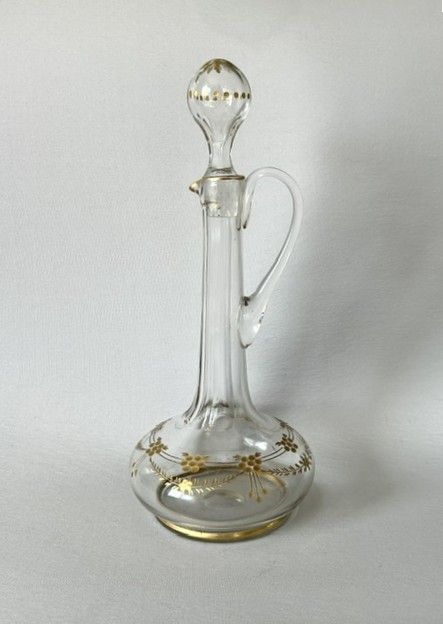
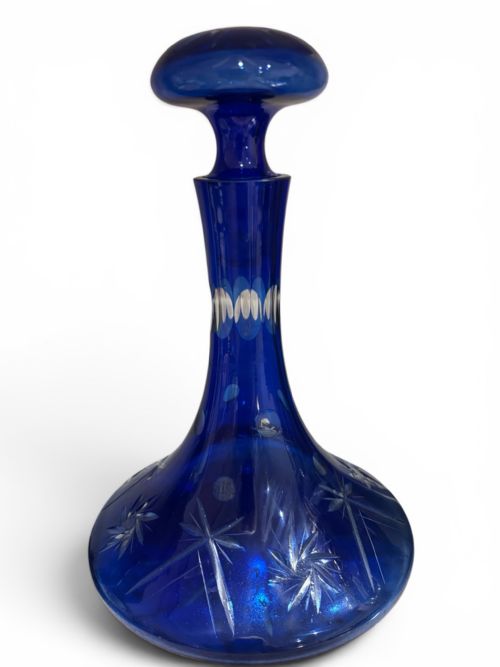
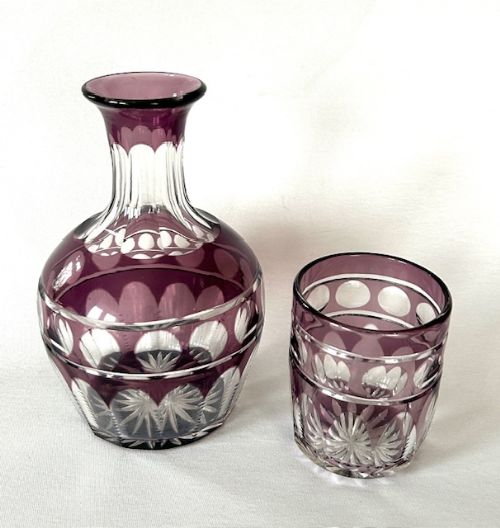
The primary material is heavy lead crystal or clear glass, frequently enhanced by coloured overlays in cranberry, ruby, red, amethyst or cobalt. Makers utilised techniques such as deep wheel-cutting, surface etching and gilding to decorate the heavy glass bodies.
Many vessels incorporate cast mounts made from sterling silver or silver plate, often featuring sculptural handles shaped as serpents or Bacchus masks. These metal collars and hinged lids are secured directly to the glass necks during assembly.
The listings span the Victorian era, the Edwardian period, and the Arts and Crafts movement, using materials like sterling silver, lead crystal, and coloured glass overlays.
Judging the work
Quality rests upon the crispness of the glass cutting and the weight of the metal mountings. Deep, precise facets catch the light sharply, whereas softer polishing indicates a more hurried production.
The integration between the glass body and any silver or silver-plated mount dictates the overall standard. Robust hinges, clear hallmarks or firm maker attribution marks distinguish finer examples from standard production pieces.
Asprey and Co. Ltd·Richardsons
The Victorian Crystal Carafes Glossary
- Claret jug
- A pouring vessel specifically designed for serving red wine at the table. These pieces typically feature a handle and a hinged metal lid.
- Overlay
- A layer of coloured glass fused over a clear crystal body before cutting. This technique allows carvers to cut through the outer colour to reveal clear glass beneath.
- Shaft and globe
- A traditional decanter silhouette defined by a long, narrow neck rising above a bulbous, rounded base. This form provides stability on the dining table.
- Silver plate
- A base metal coated with a thin layer of silver using electroplating or older techniques. It appears frequently on the mounts and handles of nineteenth-century jugs.
- Wheel-cut
- A method of decorating glass by holding the vessel against a revolving abrasive wheel. It produces deep, sharp geometric or floral patterns.
Victorian Crystal Carafes: Frequently Asked Questions
How do I clean an old decanter?
Resist using harsh abrasives or putting antique glass into a dishwasher, as the heat and chemicals damage both the crystal and any silver mounts. Warm water combined with specialised cleaning beads helps clear internal residue without scratching the surface.
Dry the vessel thoroughly upside down on a linen cloth to prevent water spots inside the narrow neck. If metal mounts are present, keep polish away from the glass to avoid staining.
Can I use these carafes for daily dining?
These vessels are sturdy enough for regular use, provided they are handled with care due to their substantial weight. Pouring wine or water from them brings nineteenth-century craftsmanship directly into modern gatherings.
Hand wash them immediately after use to prevent staining from red wine or spirits. Store them on stable surfaces away from the edge of the table.
How do I date a Victorian decanter?
Dating relies on examining the cutting style, the shape of the body, and any associated metal mounts. Mid-nineteenth-century pieces often feature distinct wheel-cut motifs, while later examples drift towards Edwardian tastes.
Silver mounts sometimes bear hallmarks that provide specific assay office dates and maker marks. Comparing the form against standard nineteenth-century typologies narrows the production window further.
What is the difference between a carafe and a decanter?
Decanters generally feature fitted stoppers and heavier glass construction intended for storing and serving wine or spirits. Carafes often serve a more immediate table function for water or wine during a meal.
In nineteenth-century manufacturing, the terms occasionally overlap, with many handled jugs functioning as both decanters and claret pitchers.