



Victorian Country Sports Art
Victorian country sports art captures nineteenth-century field pursuits, bringing the animation of hounds, horses and game directly into your interior.
Victorian Country Sports Art
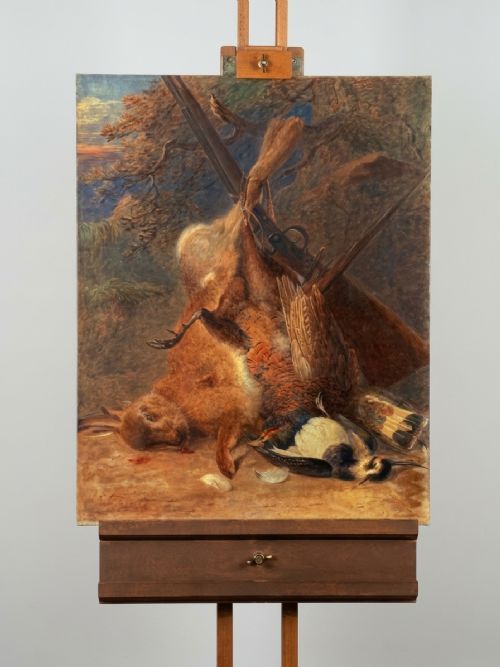
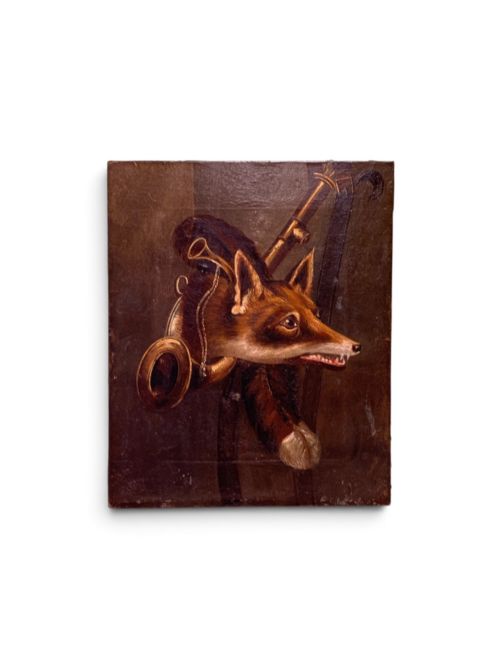
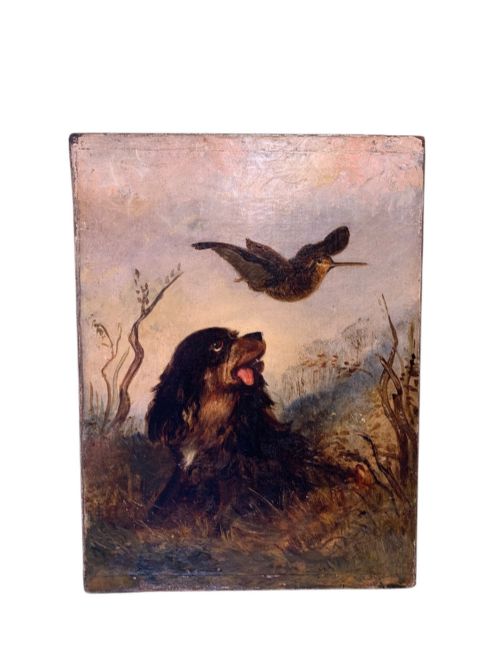
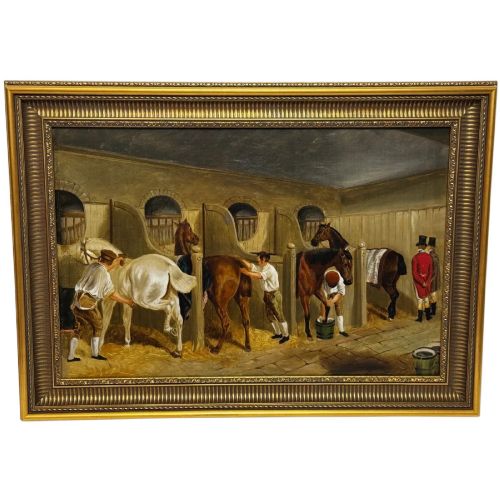
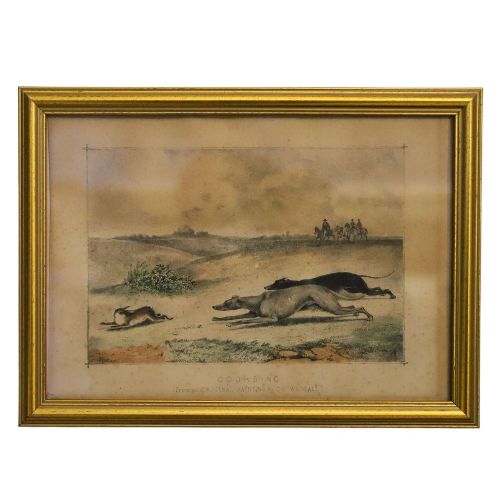
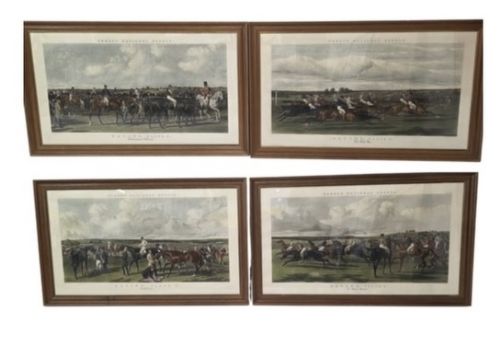
Victorian country sports art encompasses nineteenth-century oil paintings, watercolours, lithographs and engravings depicting hunting, shooting, coursing and equestrian subjects. These pieces record the animals, handlers and landscapes associated with rural field traditions during the Victorian era.
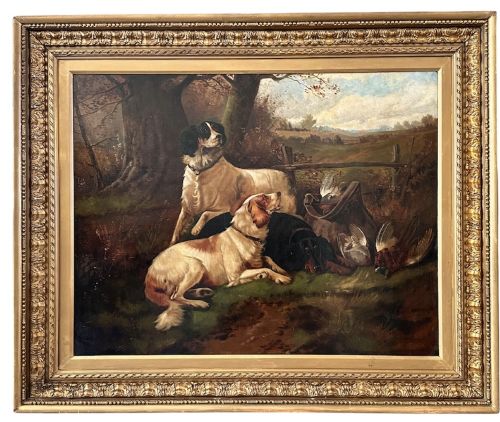
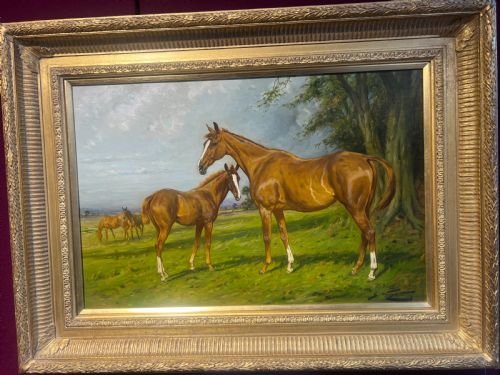
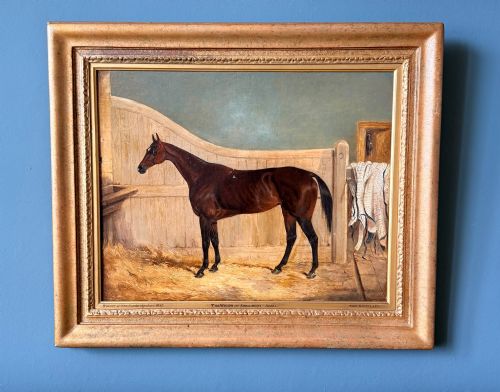
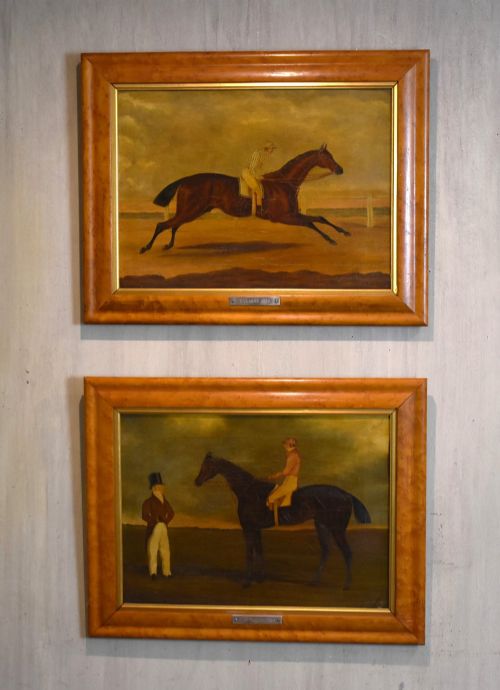
The most common examples on this page are oil paintings on canvas or board, alongside framed prints and watercolours. Subjects range from gun dogs with game and fox hunting scenes to individual portraits of prized horses and terriers.
Originating primarily from nineteenth-century British artists, these works reflect the robust sporting culture of the period. They include both detailed naturalist studies and sweeping narrative scenes of the hunt in winter landscapes.
What Varies in Quality
Quality in these sporting works rests upon the anatomical precision of animals and the compositional balance of the scene. Master painters render the tension in a hound or the musculature of a horse with distinct anatomical accuracy.
The handling of light, texture in fur and feather, and the depth of the background landscape separate standard decorative pieces from works by accomplished animal artists. Original period framing also contributes to the integrity of the piece.
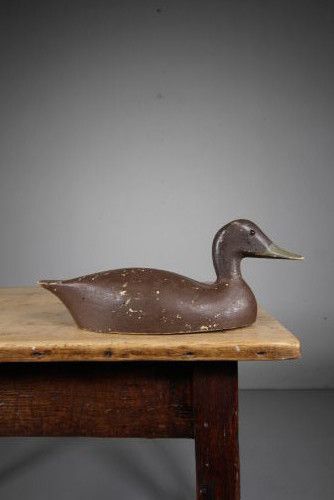
Listings feature nineteenth-century oil paintings, watercolours, engravings and wood objects created during the Victorian era.
George Sydney Shepherd·John Sargent Noble·Sir Edwin Henry Landseer·George Wright·C. H. Weigall·Thomas Walker Bretland·John Frederick Herring Snr·Benjamin Blake·John Arthur Lomax·George Armfield·George E Sharpe·Henry Alken·Colin Graeme Roe·Valentine Thomas Garland·Samuel Spode·Charles Faulkner·Fannie Moody·John Frederick Herring Jnr·Alfred Duke·John Emms
The Victorian Country Sports Art Glossary
- Bodycolour
- An opaque watercolour paint containing white pigment, used by nineteenth-century artists to create solid areas of colour and highlights. It provides greater opacity than traditional transparent watercolour.
- Lithograph
- A printmaking technique based on the repulsion of oil and water, enabling the production of detailed multi-coloured sporting prints. Artists drew directly onto limestone plates to create the image.
- Giltwood
- Wood carved and coated with gold leaf or metallic powder to create a decorative frame. These frames are typical of Victorian picture presentation.
- Engraving
- A print made by cutting lines into a metal plate with a burin to hold ink for transfer onto paper. It allowed complex hunting scenes to be widely distributed.
- Coursing
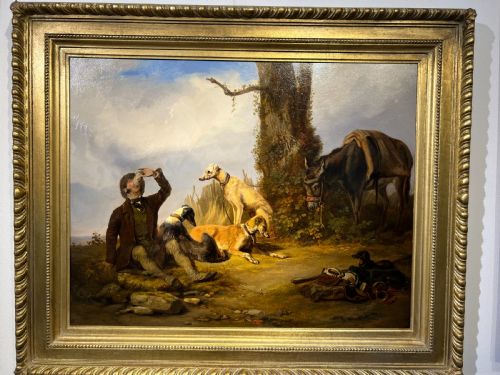
- The sport of hunting game animals, particularly hares, with greyhounds using sight rather than scent. It is a frequent subject in nineteenth-century sporting watercolours and prints.
Victorian Country Sports Art: Frequently Asked Questions
What subjects appear in Victorian sporting art?
These works focus primarily on rural field pursuits, featuring fox hunting scenes, gun dogs with game, horse portraits, greyhounds and rural farm animals. Artists captured both the active chase and quiet moments in the kennel or stable.
Many pieces document specific named animals, winning racehorses or prize-winning hounds, reflecting the deep Victorian enthusiasm for breeding and rural sports.
How do I identify a nineteenth-century painting?
Examination of the materials, stretcher frames and canvas types often reveals nineteenth-century origin. Oil paintings from this era typically utilise hand-ground pigments on heavy linen canvases.
Signatures, artist attribution plaques on frames, and accompanying inscriptions on the reverse provide further historical context for dating the work.
Where should I hang a sporting painting?
These works suit traditional study spaces, libraries, dining rooms or hallways where traditional interiors complement the rural subject matter. Proper placement avoids direct sunlight to protect oil paint and paper from fading.
Pairing oil paintings with period furniture or complementary equestrian accessories enhances their historical character within a room.
Are prints as collectible as oil paintings?
Original period engravings, lithographs and watercolours from the nineteenth century hold a distinct place alongside oil canvases. Hand-coloured prints and limited nineteenth-century editions offer an alternative entry into sporting art.
Condition, publisher details and the presence of original framing influence the desirability of these printed works.