
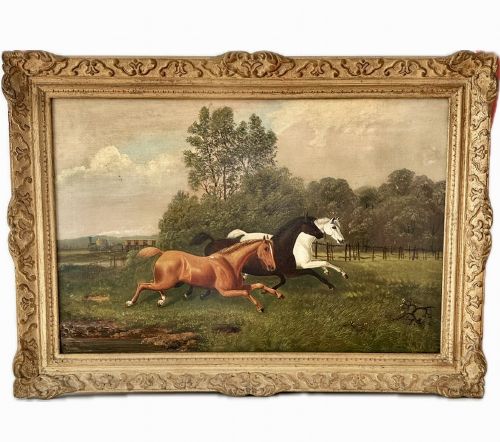
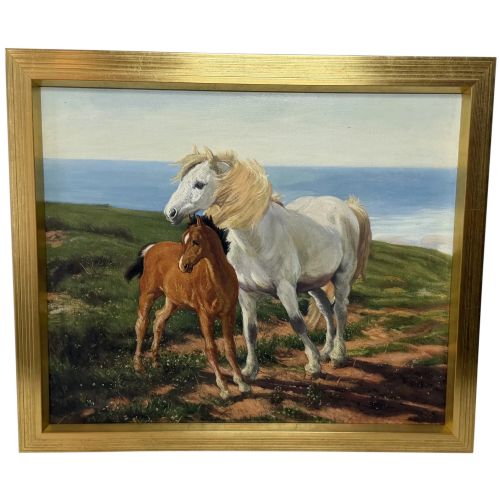
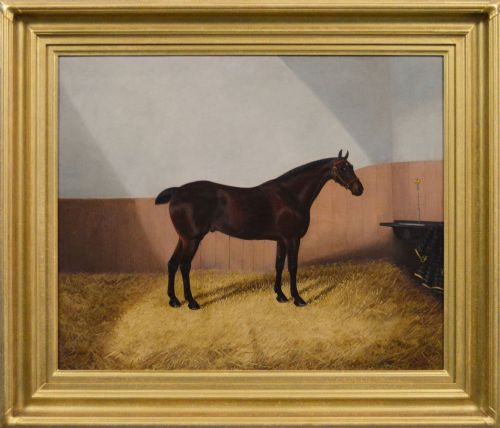

Framed Canvas Equestrian Portrait
A framed canvas equestrian portrait captures the power and presence of horses through oil on canvas, offering a direct link to historic sporting traditions.
Framed Canvas Equestrian Portrait
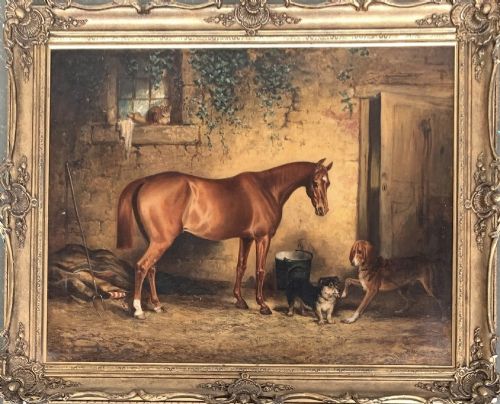
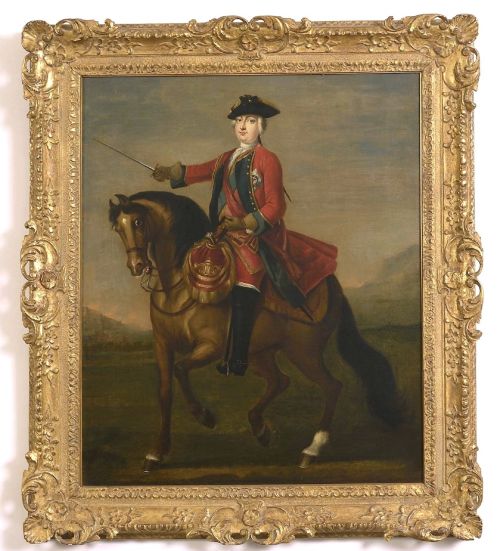
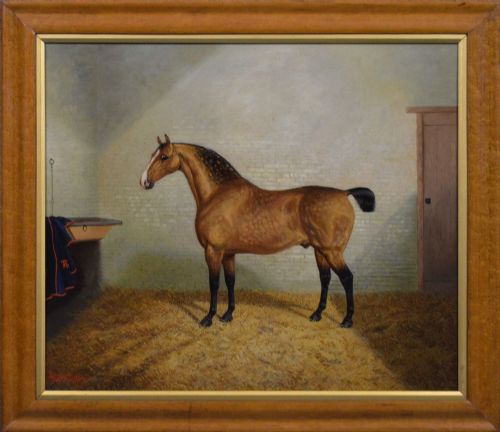
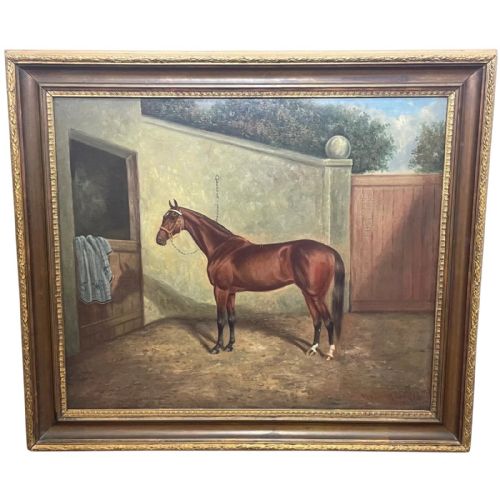
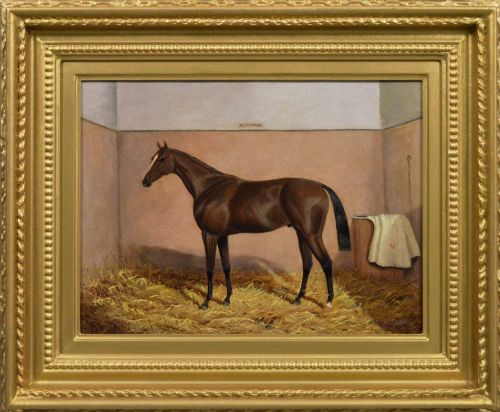
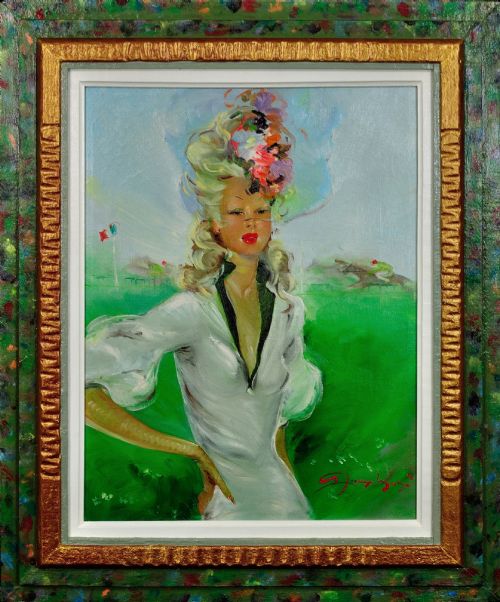
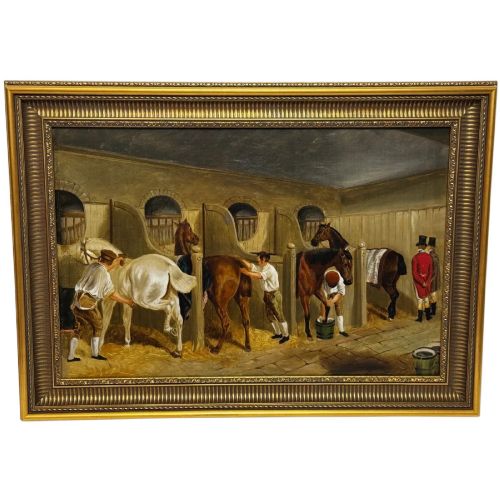
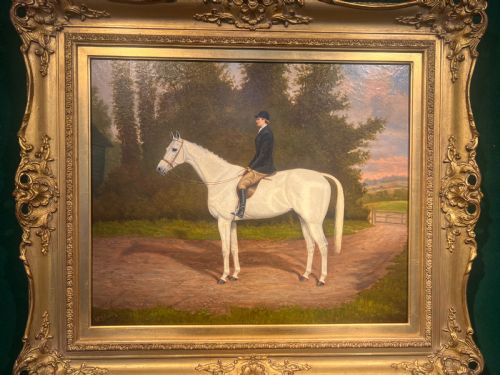
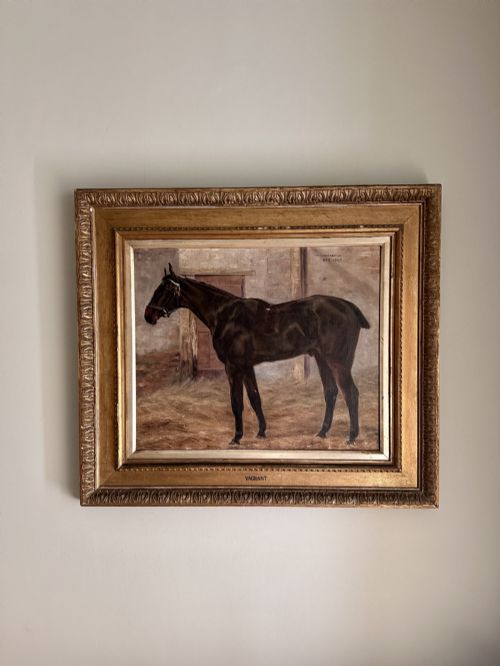
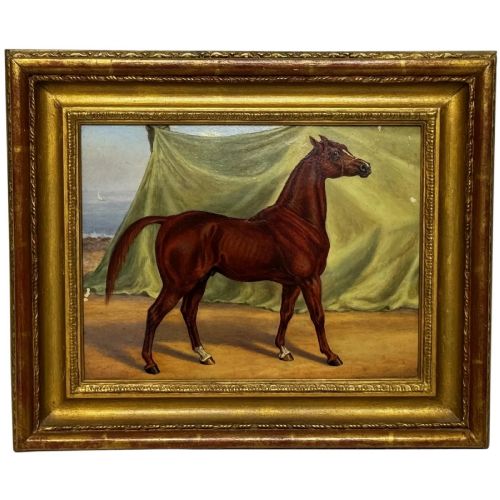
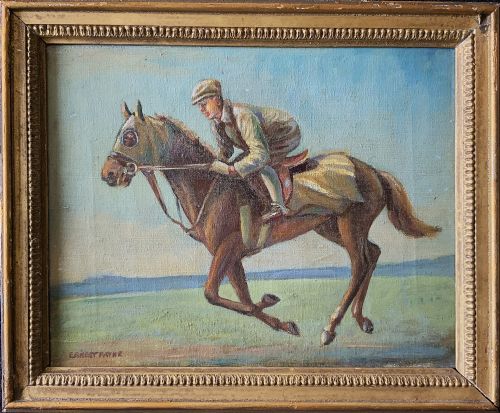
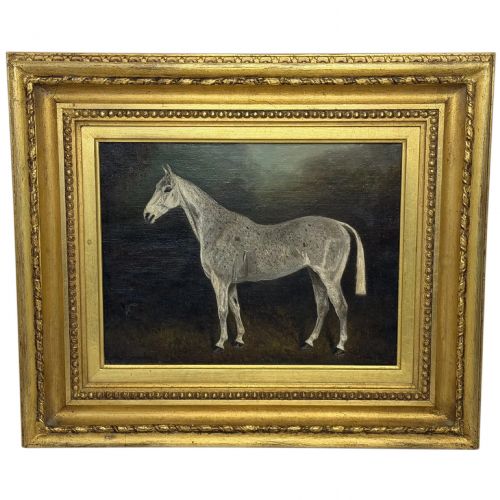
A framed canvas equestrian portrait depicts horses, racehorses, and hunting scenes executed in oil paint. These works range from intimate studies of individual animals in stables to grand depictions of notable thoroughbreds and race winners.
Buyers encounter examples spanning the eighteenth century through the mid twentieth century, with nineteenth century and Victorian pieces forming a significant portion of the selection. Styles transition from Georgian and Victorian sporting art to twentieth century realism and mid century interpretations.
Materials and Construction
These artworks rely on oil paint applied to woven canvas supports, capturing fine details in the musculature and coats of the subjects. Artists utilised rich pigments to render landscapes, stables, and portraits with lasting depth.
Frames play a structural and aesthetic role, frequently consisting of wood adorned with gold leaf or gilt finishes. Giltwood surrounds provide traditional mounting for these paintings, preserving the canvas edge and complementing the palette of the artwork.
Listings feature oil on canvas mediums set within wood and giltwood frames across various nineteenth and twentieth century periods.
Assessing Quality and Execution
Quality rests upon the artist's ability to render equine anatomy with accuracy and vitality. Superior works capture the distinctive conformation, temperament, and character of a specific horse rather than a generic animal form.
The integration of the subject within its environment distinguishes finer compositions. Skilled handling of light across the horse's coat, combined with detailed background elements such as stables, landscapes, or racing venues, separates accomplished paintings from simpler decorative studies.
Henry Barraud·John Wootton·Thomas Hudson·Albert Clark·Jean-Gabriel Domergue·Fred Fitzpatrick·Ernest Payne·Edward Priestley·C R Breytle·John Alfred Wheeler·Thomas Walker Bretland·John Ferneley Senior·Edward Lloyd of Ellesmere·George E Sharpe·Valentine Thomas Garland·Samuel Spode·Benjamin Cam Norton·Fannie moody·Edwin Frederic Holt
The Framed Canvas Equestrian Portrait Glossary
- Equestrian portrait
- A painting featuring a horse as the primary subject, often including handlers, owners, or racing settings. These works document specific animals, winners, and hunting scenes.
- Oil on canvas
- A medium where oil paint is applied to a stretched woven fabric support. This combination allows for blended tones, texture, and deep colour saturation.
- Giltwood
- Wood carved and covered with a thin layer of gold leaf or metallic gilt. It creates the ornate, reflective frames typical of traditional sporting art.
- Victorian sporting art
- A genre of painting popular during the nineteenth century focused on horses, hounds, and field sports. Works in this style emphasise realism and narrative detail concerning rural pursuits.
Framed Canvas Equestrian Portrait: Frequently Asked Questions
What periods do these portraits cover?
The listings encompass works stretching from the eighteenth century through to the mid twentieth century. Victorian and nineteenth century pieces are particularly prevalent.
Later examples extend into the nineteen fifties and sixties, reflecting ongoing traditions in sporting art.
How should I hang a heavy gilt frame?
Heavy giltwood frames require secure wall fixings anchored directly into wall studs or masonry. Using picture wire rated well above the weight of the piece ensures stability.
Position the painting away from direct heat sources to protect the canvas and wooden frame from warping.
Are these works signed by artists?
Many pieces bear signatures or inscriptions identifying the painter, while others remain attributed to specific schools or circles. Archival provenance occasionally accompanies named subjects and historical race winners.
Unsigned works are evaluated based on style, technique, and period materials.
What subjects appear besides horses?
Equine portraits frequently include jockeys, trainers, hunting dogs, and hounds within the composition. Backgrounds often feature stables, racecourses, or open landscapes with steam locomotives.
Some canvases focus purely on the animal in a rural or stable setting.