

Victorian Country Dresser
When you search for a victorian country dresser, you uncover robust utilitarian furniture built for heavy daily use in farmhouse kitchens and estate sculleries.
Victorian Country Dresser
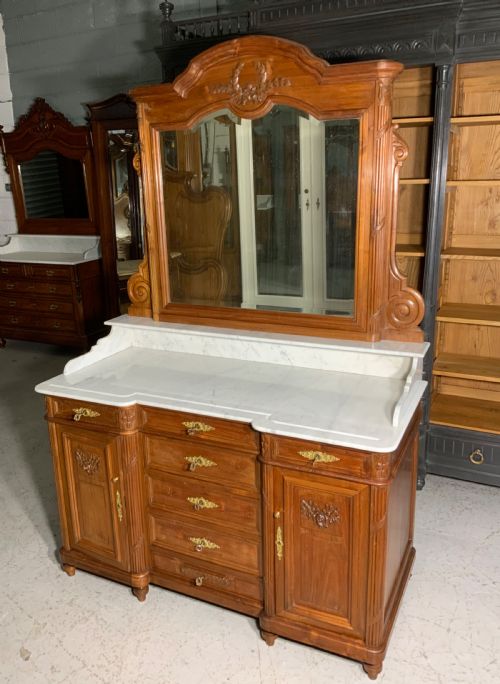
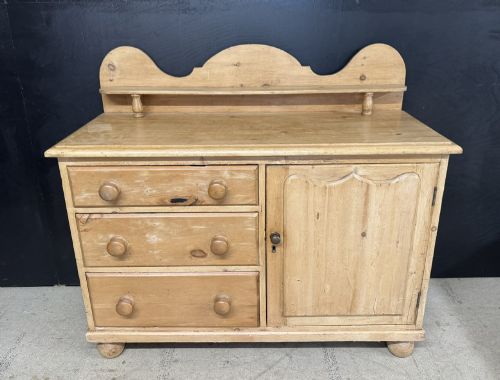
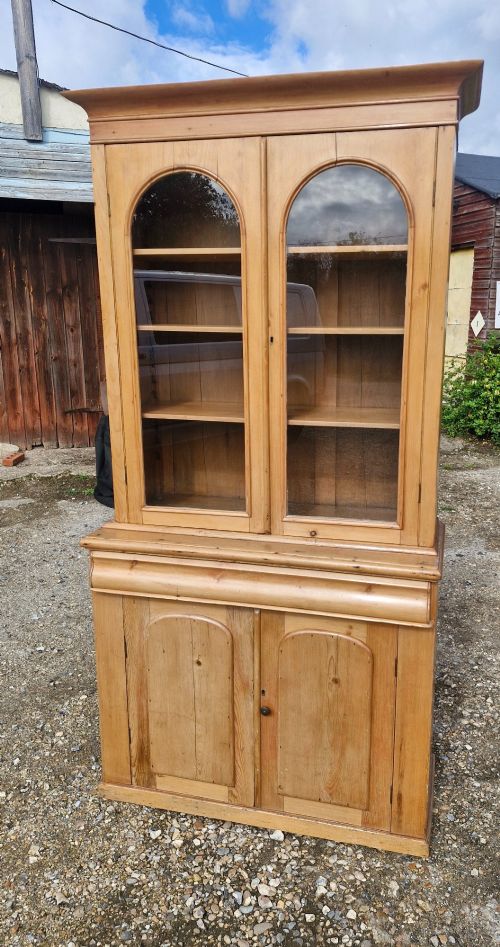
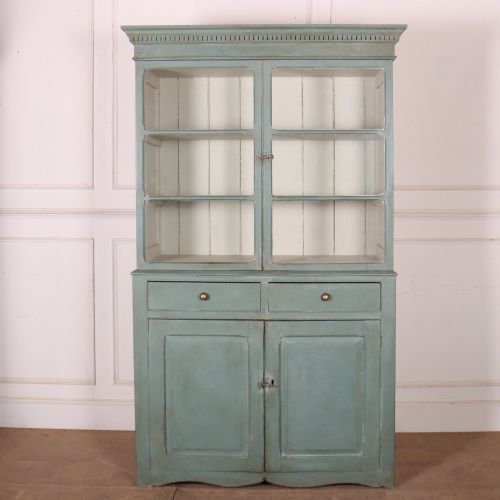
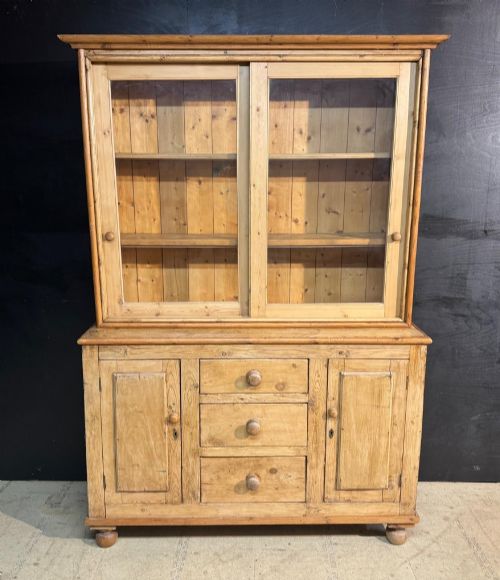
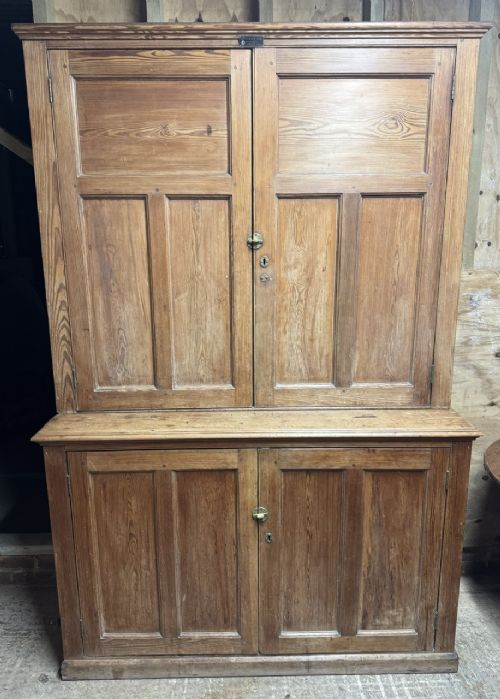
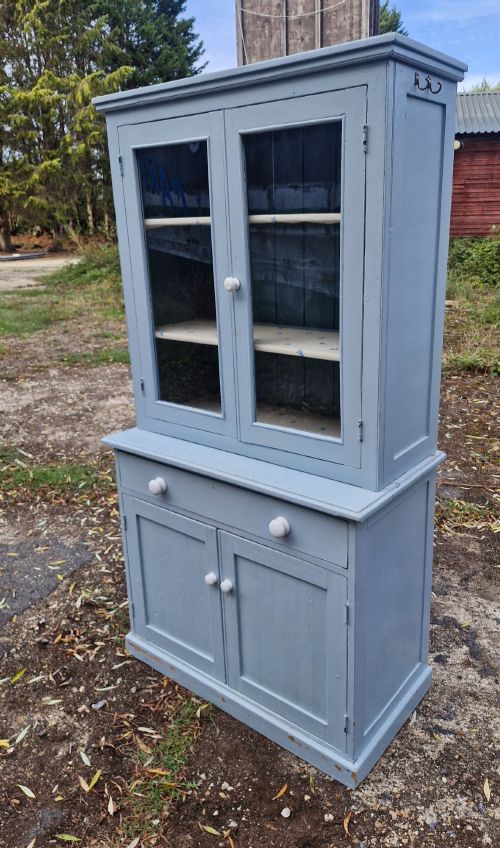
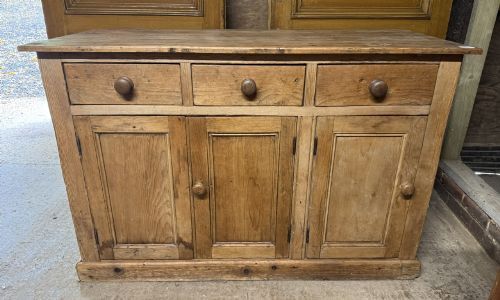
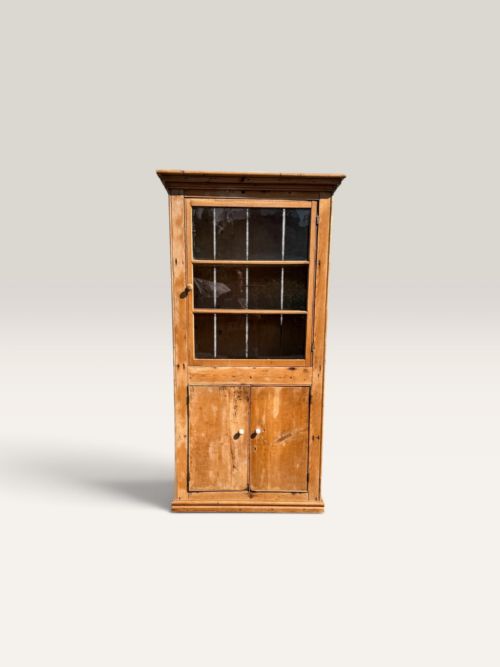
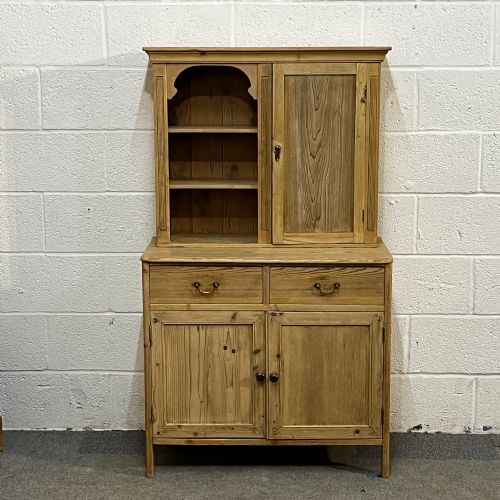
A victorian country dresser generally combines a lower sideboard base of drawers or cupboards with an upper plate rack or glazed display cabinet, designed to hold domestic crockery and provisions.
Regional variants range from North Country and West Country formats to Scottish glazed kitchen cabinets, each displaying local preferences in drawer configuration and cornice moulding.
Construction and Materials
Cabinetmakers relied heavily on solid pine, pitch pine, and oak, selecting durable native timbers capable of enduring damp cottage environments and constant handling.
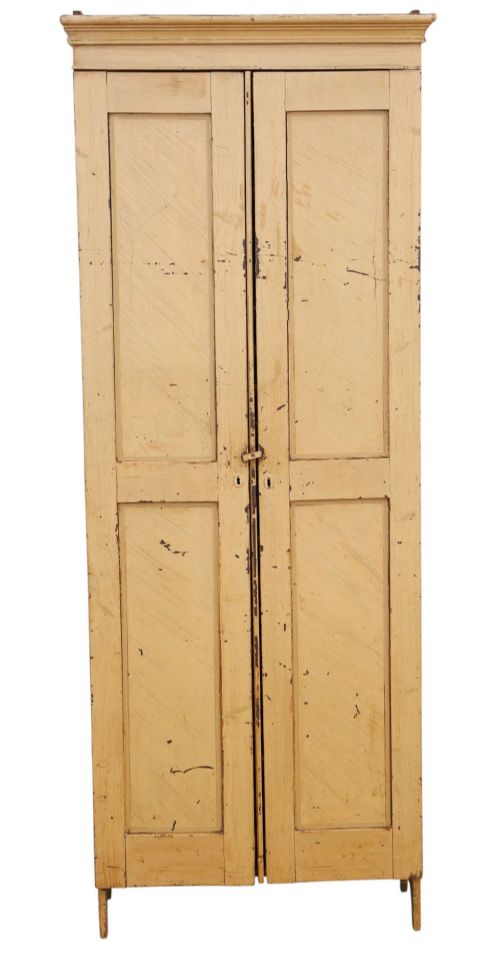
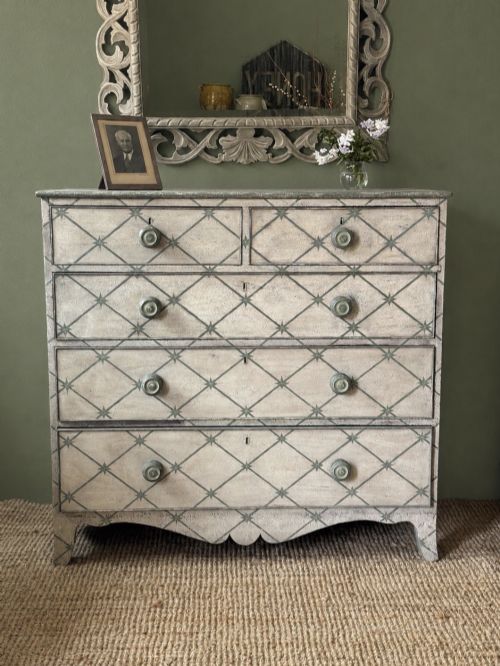
Surfaces often show layers of original paint, scraped back finishes, or traditional wax polishes that protect the wood while revealing decades of domestic history.
Joinery techniques prioritize utility over ornament, featuring dovetailed drawer construction, sturdy panelled doors, and iron or brass hardware fitted for robust daily service.
Listings demonstrate that nineteenth-century vernacular furniture utilises native pine, oak, and pitch pine across regional English and Welsh variants.
Proportion and Originality
Quality rests significantly in the preservation of original surfaces, where undisturbed old paint or authentic wax patination outweighs modern stripping.
Proportion and scale distinguish finer vernacular pieces, particularly where upper plate racks balance harmoniously with deep base cupboards without appearing top-heavy.
Integrity of components remains paramount; superior examples retain their original matched top and base sections, period glass panels, and unreplaced backboards.
The Victorian Country Dresser Glossary
- Dresser base
- The lower section of a kitchen dresser, functioning independently as a sideboard with drawers and cupboards.
- Plate rack
- The open shelving superstructure attached to the top of a dresser, featuring grooved ledges to display plates upright.
- Scrubbed pine
- A wooden surface repeatedly scoured with water and soap during working life, leaving a pale, matte texture.
- Vernacular furniture
- Domestic pieces made by local craftsmen for everyday regional use rather than high urban workshops.
- Dog kennel
- The central recessed open space beneath the drawers in certain country dresser bases.
Victorian Country Dresser: Frequently Asked Questions
What is the difference between a dresser and a sideboard?
A traditional dresser includes an upper plate rack or display shelving unit mounted above the lower storage base. Sideboards consist solely of the lower cabinet or drawer unit without vertical superstructure.
In country kitchens, dressers served the dual purpose of storing cooking utensils below and displaying everyday ceramic plates above.
Are these pieces usually made of pine?
Pine and pitch pine dominate the surviving inventory, valued by rural carpenters for accessibility and ease of working. Oak also appears frequently, particularly in regional Welsh and West Country examples.
Many pine surfaces retain early layers of paint or traditional wax finishes applied during their working lives.
How do I identify regional styles?
Regional differences appear through timber choice, cornice details, and structural proportions. West Country and Welsh workshops often utilised local oak or specific configurations of glazed upper doors.
North Country and Scottish pieces display distinct moulding profiles and cupboard arrangements tailored to local farmhouse interiors.
Can upper racks be separated from bases?
Many nineteenth-century country dressers were constructed in two separate parts for ease of transport between rural properties. The upper rack simply rests upon or secures lightly to the top of the lower sideboard base.
Buyers should examine how the sections join to ensure stability when placing the furniture in modern rooms.