
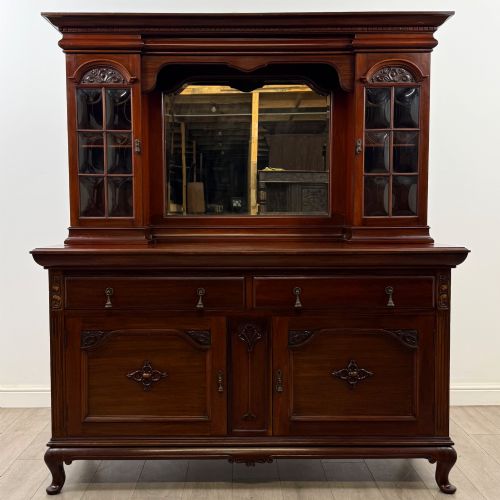


Brown Wood Hutch
A brown wood hutch provides substantial storage and display for the home, drawing on centuries of cabinet-making tradition.
Brown Wood Hutch
A brown wood hutch brings together functional storage and display space across periods ranging from the eighteenth century to the early twentieth century. Buyers seeking a brown wood hutch often encounter practical storage forms including dressers, sideboards, and display cabinets.
The pieces available span multiple regional traditions and aesthetic movements, from English country farmhouses to French provincial workshops. These items serve as central storage furniture, combining lower cupboards or drawers with upper shelving or glazed display sections.
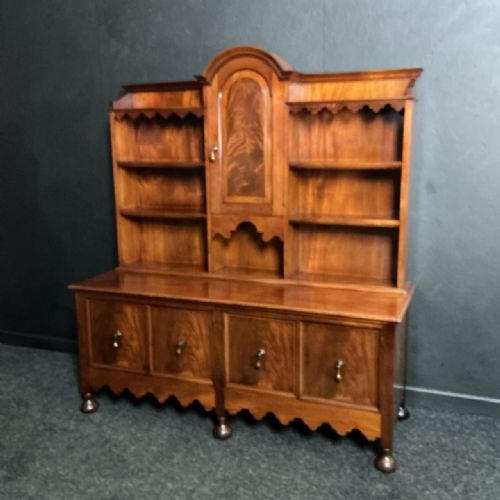
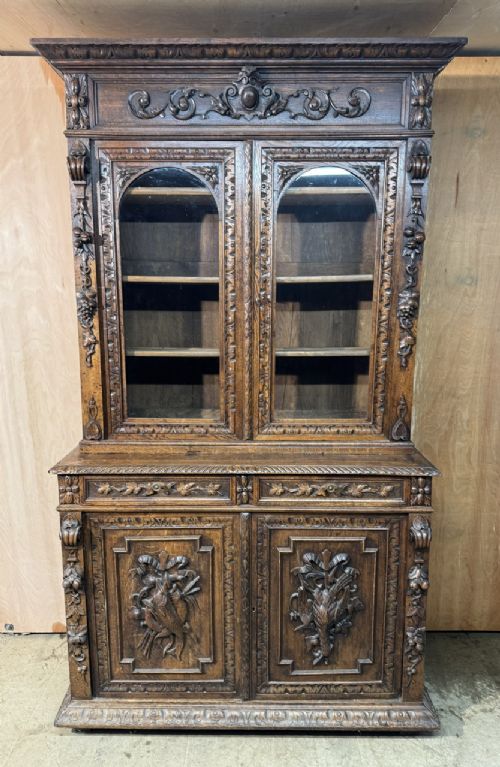
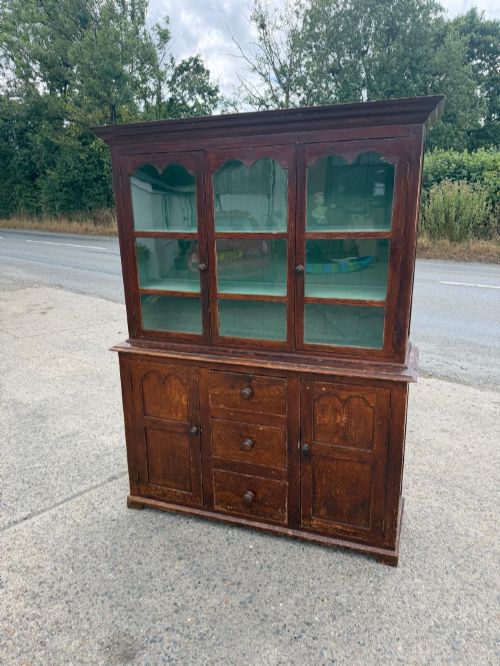
The selection here encompasses robust oak farmhouse dressers, polished mahogany sideboards, and intricately carved nineteenth-century hunting cabinets. Each piece reflects the domestic storage needs of its respective era through distinct regional forms.
Materials and Construction
Cabinet makers utilised a variety of solid timbers including oak, mahogany, cherrywood, walnut, and pine to build these sturdy storage units. Flame mahogany veneers provide decorative surfaces on finer examples, while local timbers such as pine and oak suit vernacular country pieces.
Joinery techniques involve traditional framing and panel methods to accommodate the seasonal movement of large timber panels. Metal fittings like brass handles and hinges secure doors and drawers, whilst glass panels and mirror glass inset into upper sections permit the display of tableware.
Clock dressers combine the domestic utility of a kitchen storage unit with the daily reminder that supper is probably late.
Assessing Quality and Execution
The refinement of carved ornament separates standard utilitarian furniture from exceptional decorative examples, particularly within French revival and folk art pieces. Hand-carving depth and precision demonstrate the maker's skill level and the time invested in production.
Selection of timber grain and figure dictates the visual appeal of mahogany and walnut items, where book-matched veneers create harmonious patterns. Structural integrity relies upon the retention of original hardware, glass, and timber components without extensive modern replacement.
The Brown Wood Hutch Glossary
- Dresser
- A piece of furniture comprising lower storage cupboards or drawers, frequently surmounted by shelving for display. This form serves both kitchen and dining room functions.
- Glazed Top
- An upper cabinet section fitted with glass panes to protect displayed items from dust while maintaining visibility. These are common on Edwardian and Victorian examples.
- Flame Mahogany
- A veneer cut from the fork of the mahogany tree where the branches join the trunk, producing a distinctive flickering flame pattern. It appears on finer nineteenth-century surfaces.
- Tramp Art
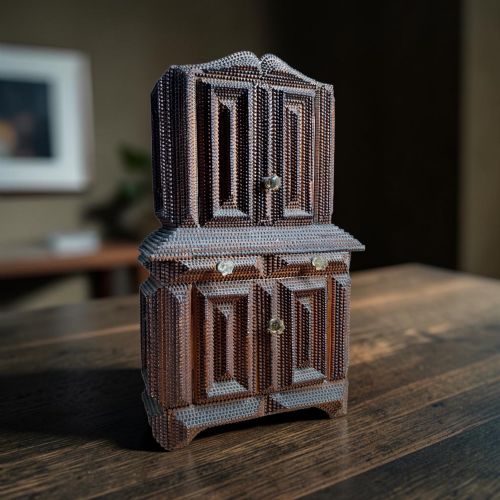
- A folk art style created by chipping, gouging, and layering small pieces of scrap wood into geometric relief patterns. It defines vernacular nineteenth-century buffet cabinets.
Brown Wood Hutch: Frequently Asked Questions
What is the difference between a dresser and a hutch?
A dresser typically combines a lower storage base with open plate racks or enclosed shelving above, primarily used in dining and kitchen spaces.
Hutch is a broader term often applied to storage units featuring enclosed upper cabinets or display sections resting on a lower sideboard base.
How do I care for antique wood furniture?
Maintain antique timber surfaces by dusting regularly with a soft, dry cloth and avoiding placement near direct heat sources or strong sunlight.
Apply natural beeswax periodically to nourish the wood grain and protect the finish from drying out over time.
Can these cabinets be used in modern kitchens?
These storage pieces integrate well into contemporary kitchens and dining areas to provide character and substantial tableware storage.
Their deep drawers and shelving accommodate modern dishware while introducing traditional warmth and texture to the room.
How do I identify the period of a wooden cabinet?
Dating relies upon examining construction methods, timber selection, hardware styles, and overall stylistic characteristics recorded across different eras.
Eighteenth-century pieces often display hand-sawn timber marks and vernacular joinery, whereas Edwardian items show more standardised manufacturing techniques.