


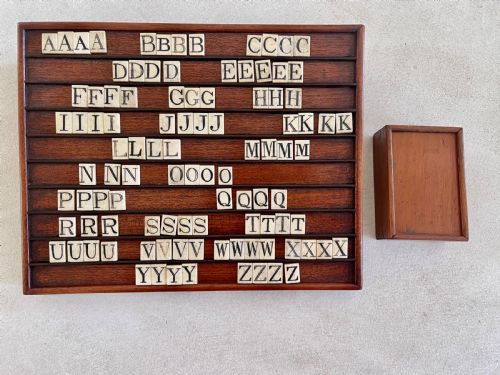


Victorian Counter Display
These pieces of a victorian counter display bring the tangible history of retail trade directly into a modern interior.
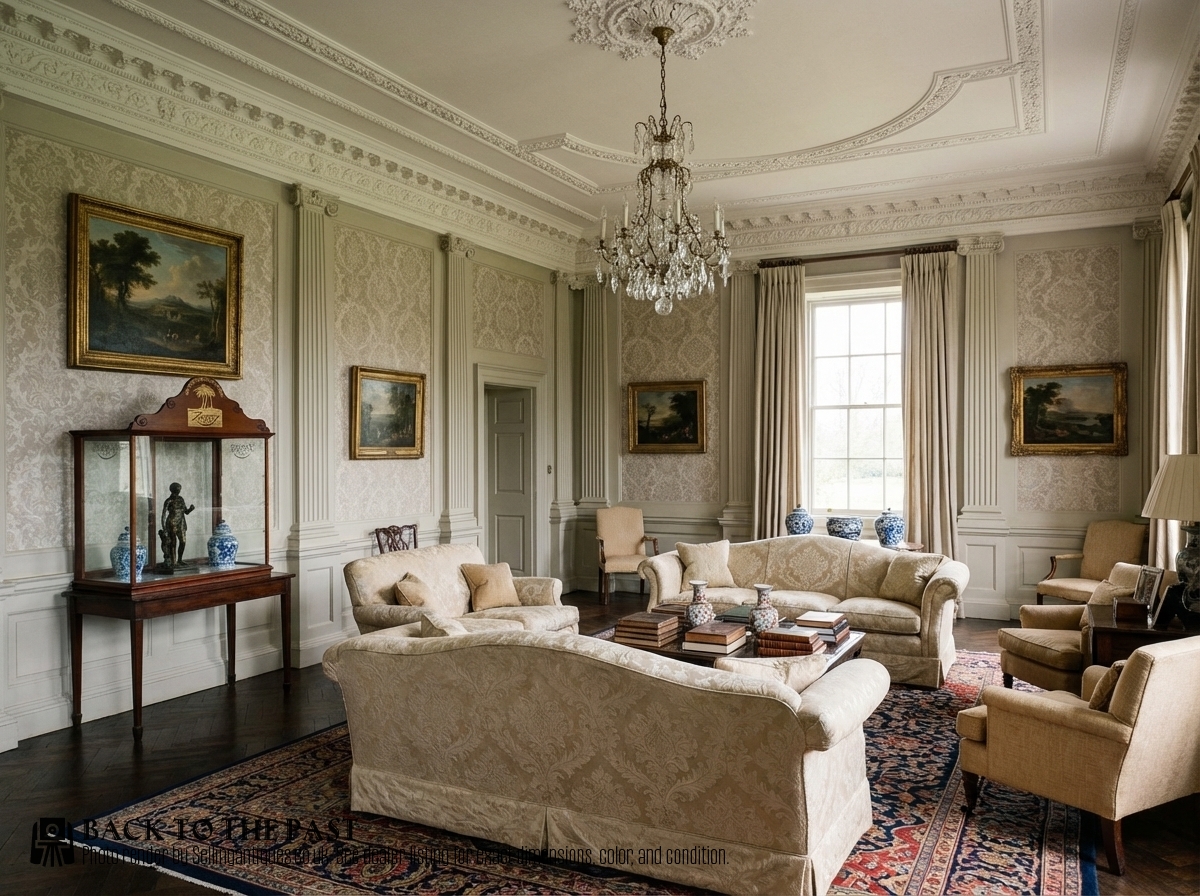
Victorian Counter Display
A victorian counter display encompasses the specialised furnishings and containers once utilised in 19th-century shops, pharmacies, and mercantile establishments to present goods to customers. Collectors encounter tabletop display cases, larger shop counters, haberdashery cabinets with multiple drawers, and specialised holders designed for specific trades.
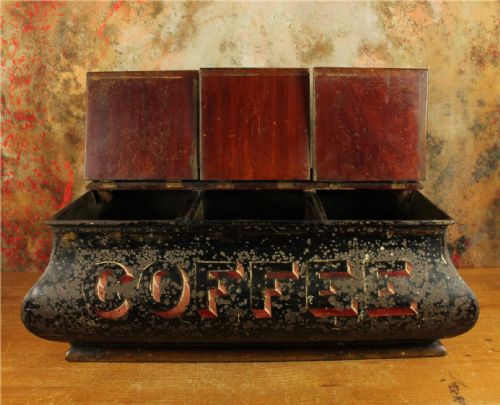
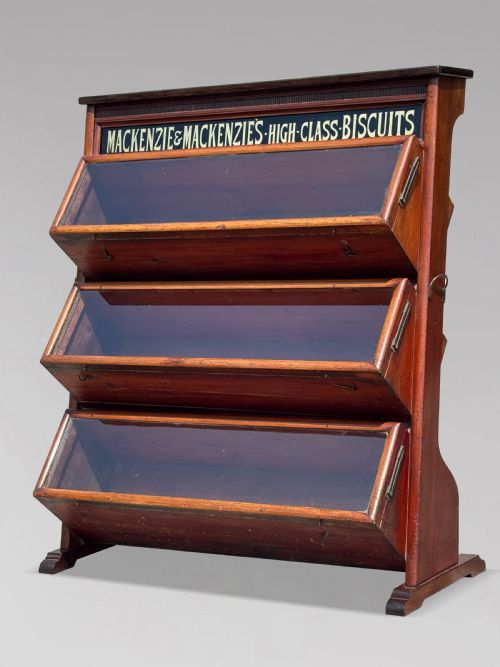
The material record spans mahogany, oak, pine, brass, glass, and toleware, reflecting the varied requirements of confectioners, drapers, and chemists. Many items bear the original branding or signage of period manufacturers and merchants, connecting the physical object to specific commercial enterprises of the nineteenth and early twentieth centuries.
How they were made
Cabinet makers utilised dense timbers such as mahogany and oak to construct sturdy frames capable of enduring heavy daily use in busy retail environments. Glass panels and mirrors were integrated to maximise light and visibility for merchandise placed upon countertops or within display shelves.
Joinery methods of the period relied on solid wood construction, dovetailed joints in drawer construction, and brass hardware for locks and hinges. Surface finishes ranged from polished wood to painted pine and applied gold leaf, tailored to the prestige of the goods sold within.
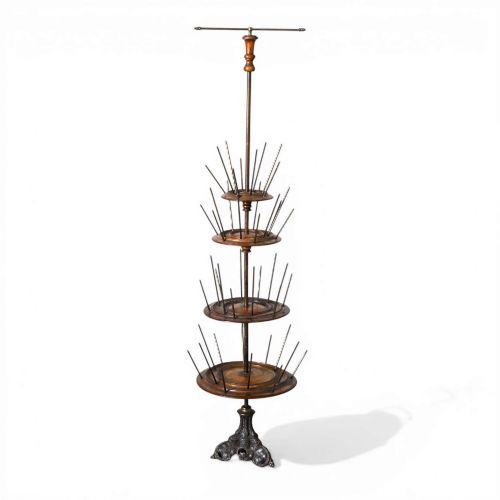
Cotton reel display trees once spun gently on shop counters to tempt seamstresses with orderly tiers of brightly coloured thread.
What varies in quality
The standard of construction depends upon the original intended use of the piece, with bespoke jewellers' showcases exhibiting finer timbers and more intricate joinery than utility shop fittings. The presence of original bevelled glass, working brass locks, and intact manufacturer branding elevates the integrity of an item.
Condition is dictated by the degree of industrial wear sustained during active service, balanced against the preservation of original painted or polished surfaces. Alterations to signage or replacement glass panels distinguish pieces that retain their original commercial character from those modified for later utility.
John Stow Ltd of Bradford·Chadwick’s Sewing Cottons·Manoah Rhodes & Sons Ltd·Ermen & Roby
The Victorian Counter Display Glossary
- Vitrine
- A glass-fronted cabinet or case designed for displaying fine goods, jewellery, or curiosities. These enclosures protect delicate merchandise while offering unobstructed all-round visibility.
- Haberdashery cabinet
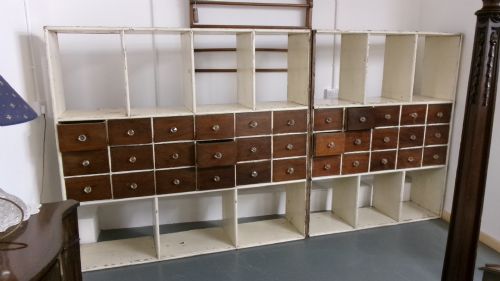
- A multi-drawer storage unit originally utilised in drapers' shops to organise ribbons, buttons, and sewing threads. They are characterised by numerous shallow drawers, often featuring glass fronts or brass card holders.
- Toleware
- Enamelled or japanned metalware produced in imitation of Asian lacquer techniques. These painted tin boxes and containers served various storage and display functions in tea shops and general stores.
- Shop fitting
- Custom furniture and fixtures designed and installed specifically for commercial retail interiors. This encompasses counters, shelving units, and permanent display cabinetry.
- Bank of drawers
- An assembly of multiple small drawers housed within a single wooden carcass. Apothecaries and stationers relied on these units to sort small stock items efficiently.
Victorian Counter Display: Frequently Asked Questions
What trades used these?
Chemists, drapers, jewellers, and confectioners were the primary commercial users of these retail fixtures.
Each trade required specialised cabinetry tailored to their specific merchandise, from shallow drawer units for haberdashery to glass cases for precious goods.
How do I clean mahogany?
Maintain polished wood surfaces using a soft cloth and traditional beeswax polish to preserve the timber's natural lustre.
Avoid modern chemical sprays or excessive moisture, which can damage aged finishes and antique joinery.
Are the glass panels original?
Examine the glass for minor surface imperfections, waviness, and small bubbles indicative of nineteenth-century manufacturing methods.
Replacement panes often appear noticeably flat and clear by comparison.
Where should I place one?
Tabletop display cases suit placement on sideboards or kitchen islands where items can be viewed from above.
Larger counters and multi-drawer units function effectively as focal storage pieces in living spaces or hallways.