


Victorian Copper Hearth Bucket
A victorian copper hearth bucket brings warmth and practical charm to a fireside through solid metalwork and honest utility.
Victorian Copper Hearth Bucket
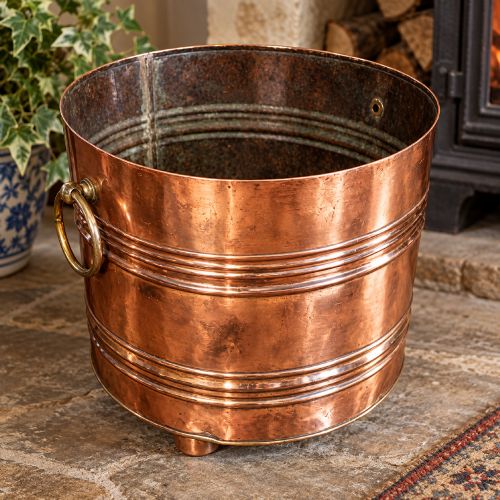
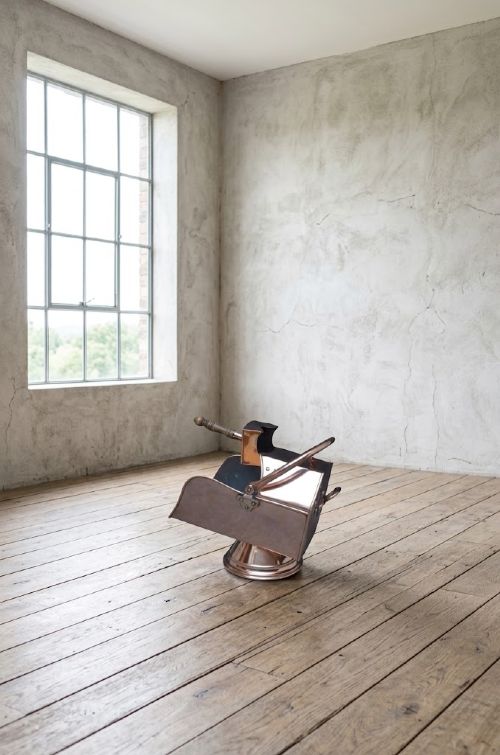
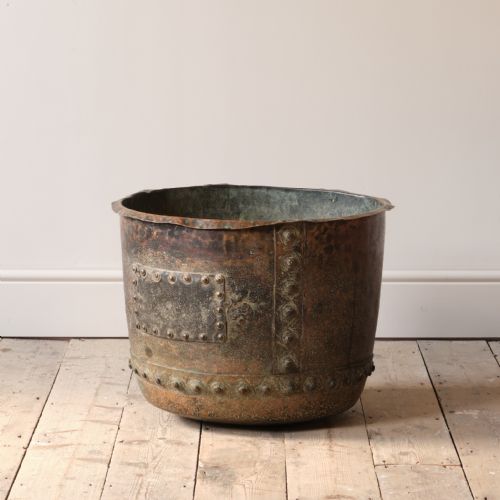
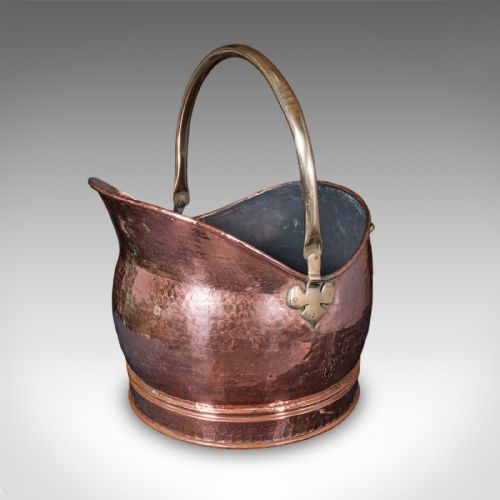
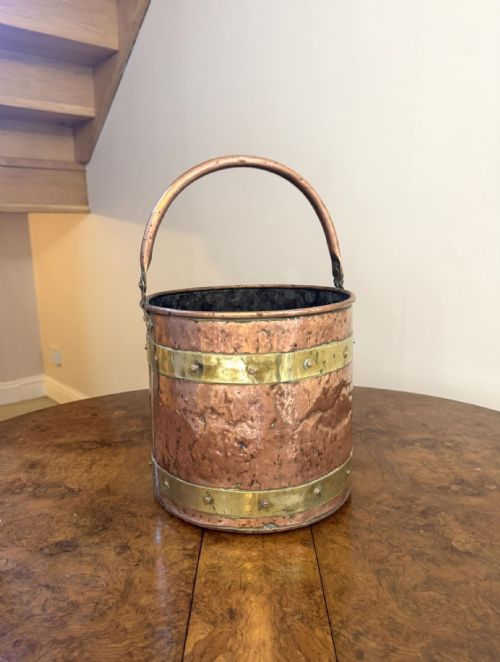
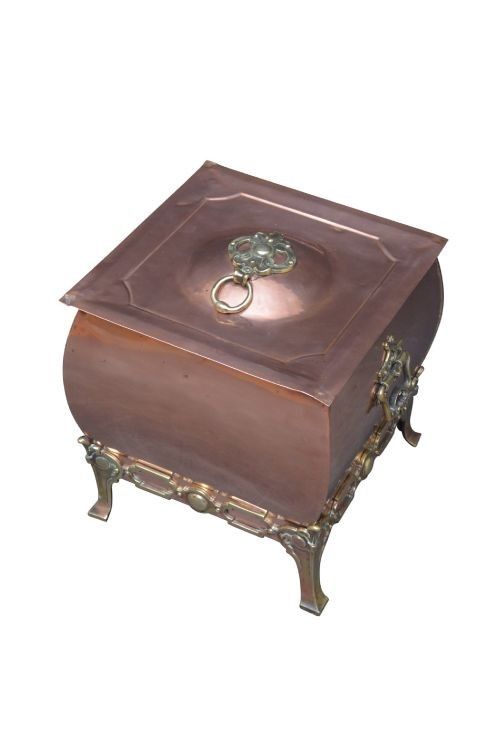
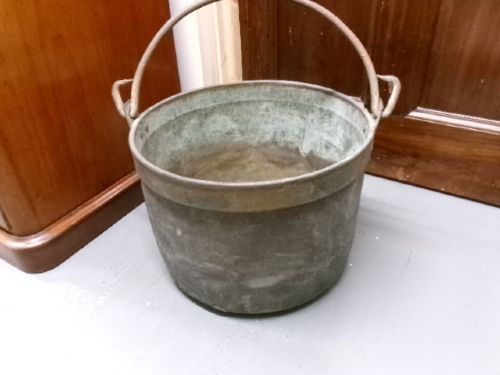
A victorian copper hearth bucket serves as a container for coal, logs, or peat beside a fireplace. These pieces appear in forms ranging from riveted buckets and cauldrons to helmet scuttles and log bins.
The objects date from the nineteenth century, including specific years from eighteen-fifty to nineteen-ten, spanning Victorian, Arts and Crafts, and Art Nouveau styles. Most examples combine copper bodies with brass handles, bands, or iron swing handles.
Assessing Quality
Quality rests on the weight of the metal and the integrity of the construction, such as sturdy riveted joints rather than flimsy joins. Heavy-gauge copper and substantial brass or wrought iron mounts indicate superior durability and proportion.
Design sophistication also separates standard items from exceptional ones, seen in balanced helmet shapes, well-forged swing handles, and harmonious combinations of brass banding with the copper body.
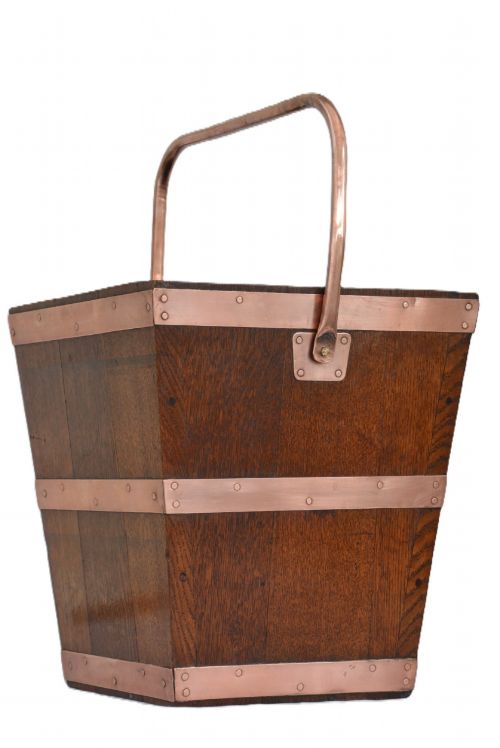
Object forms vary across fireside accessories, including coal scuttles, log bins, cauldrons, planters, and grain measures.
The Victorian Copper Hearth Bucket Glossary
- Coal Scuttle
- A container designed to hold coal for a fireplace, often featuring a sloping mouth or a helmet shape for easy pouring. These vessels usually include a swing handle for transport.
- Cauldron
- A round, deep metal pot with a swing handle, traditionally used over fires but adapted as a heavy fireside accessory. They are frequently constructed from riveted copper.
- Log Bin
- A large receptacle intended for storing firewood beside a hearth, sometimes sharing forms with planters and grain measures. They appear in copper, brass-banded oak, and wrought iron.
- Helmet Scuttle
- A coal bucket shaped with a high back and a pointed spout resembling a helmet, designed to direct fuel cleanly onto a fire. This form is common in Victorian metalwork.
- Riveted
- Joined together with metal pins that are hammered flat at the ends, creating a visible seam of dots along the metal plate. This method provides robust construction for heavy-use vessels.
Victorian Copper Hearth Bucket: Frequently Asked Questions
What were copper hearth buckets used for?
These vessels held solid fuel like coal, logs, or peat near the fireplace for convenient refueling. Their robust construction allowed them to withstand heavy daily use in nineteenth-century homes.
Today, many owners repurpose them as planters for houseplants or decorative log bins that remain beside a hearth.
How do I clean a Victorian copper bucket?
Dust the surface regularly with a soft cloth to prevent the accumulation of dirt within the hammered texture. Avoid harsh chemical cleaners that strip the natural aged appearance.
Many collectors prefer to leave the historical patina untouched rather than polishing the metal to a bright shine.
Are these buckets safe to use for fireside storage?
Most antique metal buckets are structurally sound enough to hold logs, kindling, or bagged fuel. The thick copper and iron handles easily support the weight of dry firewood.
Inspect the interior for any old moisture damage or loose rivets before loading heavy materials inside.
How can I tell the period of a copper bucket?
Examine the construction methods, such as hand-hammered panels and traditional riveted seams typical of nineteenth-century workshops. Stylistic clues like Arts and Crafts simplicity or Art Nouveau curves help narrow the date.
Materials like wrought iron swing handles and brass banding also point toward specific Victorian and Edwardian manufacturing eras.