

Victorian Copper Fireplace
These heavy metal containers and hearth furnishings are a victorian copper fireplace essential, bringing warmth and character to traditional hearths.
Victorian Copper Fireplace
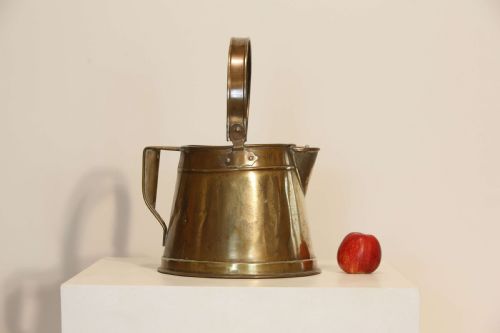
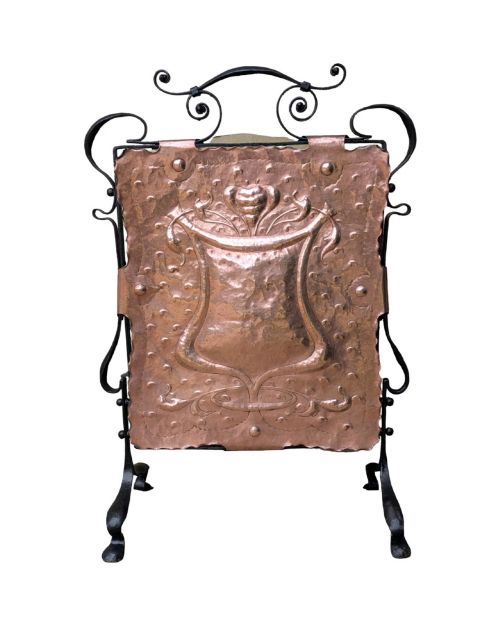
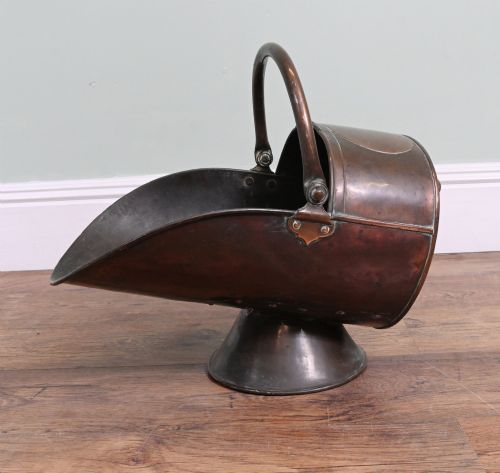
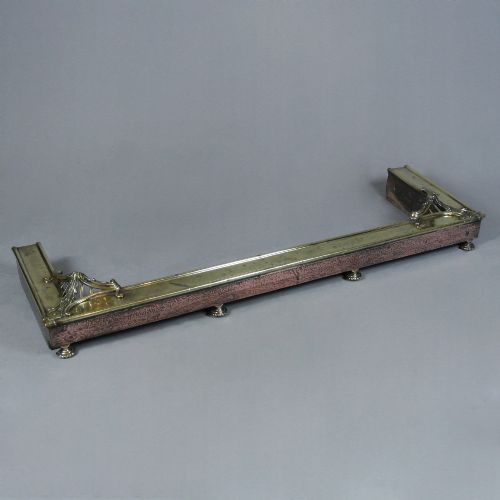
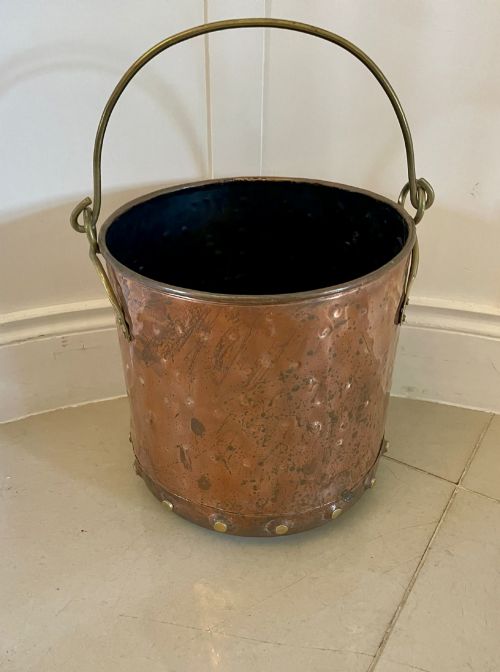
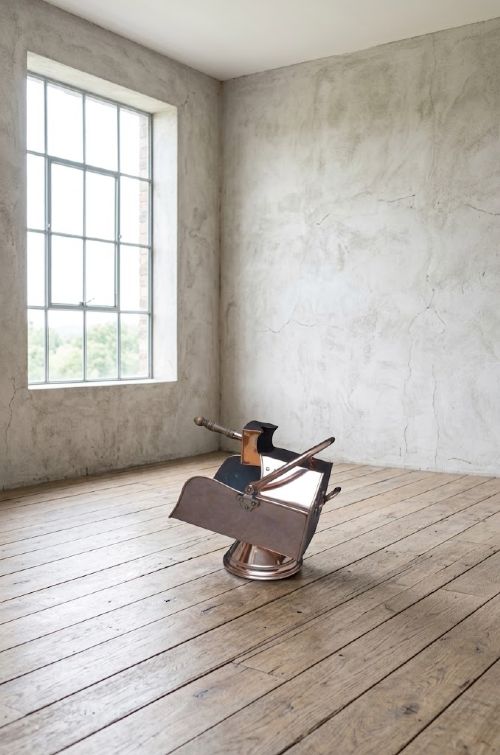
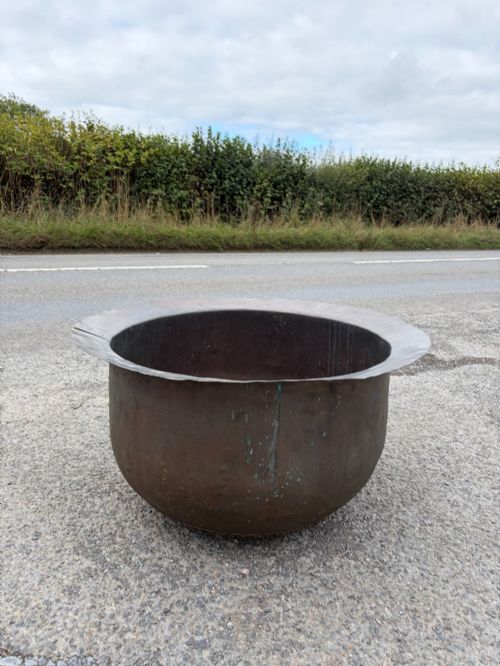
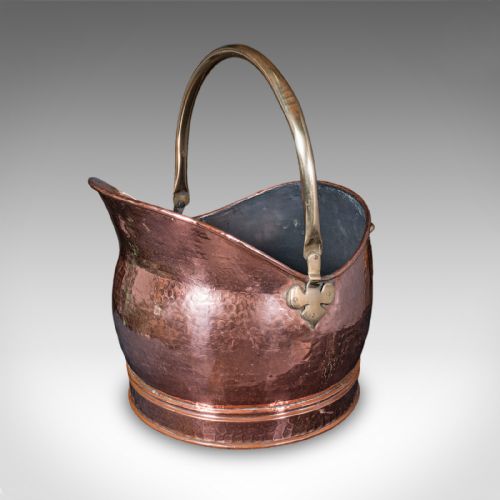
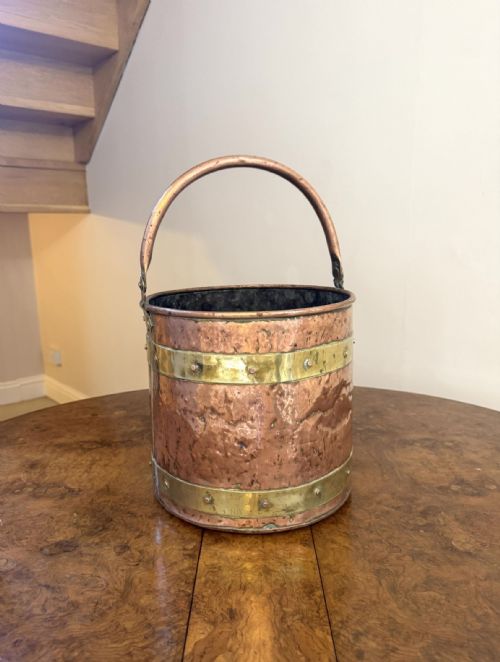
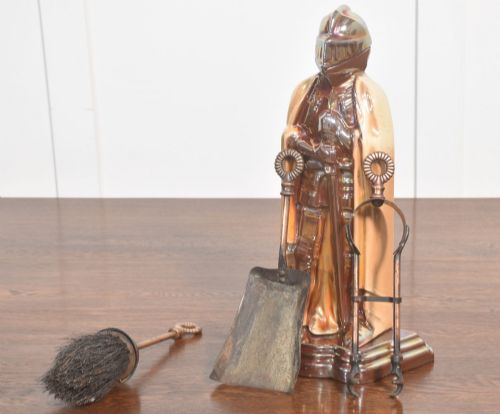
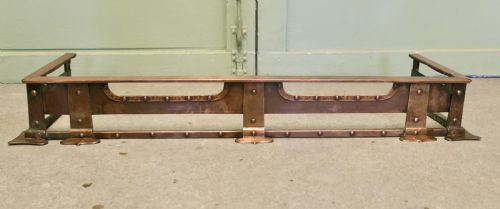
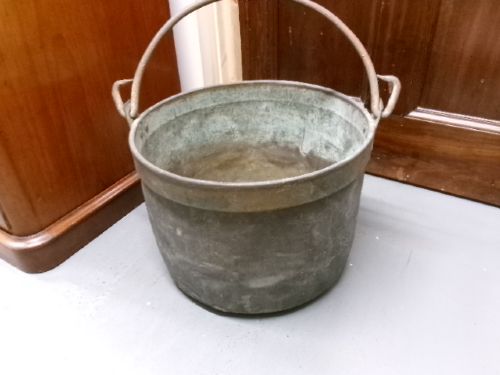
The most common versions encountered are riveted coal buckets, coal scuttles with swing handles, and beaten metal fire fenders. These objects often combine copper bodies with brass banding and iron handles, reflecting the utilitarian needs of nineteenth century homes alongside decorative aspirations.
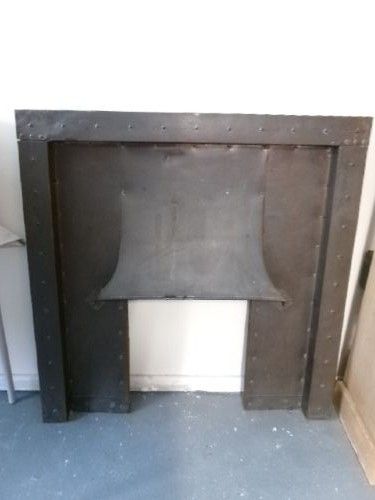
Stylistic influences range from Gothic Revival and Rustic Farmhouse to the later Arts and Crafts and Art Nouveau movements. Each form serves a practical hearthside purpose, from containing fuel to framing the hearth opening.
How they were made
Manufacturing methods relied heavily on hand finishing, sheet metal shaping, and structural riveting. Artisans joined heavy copper sheets using visible rivets and reinforced edges with brass bands to withstand daily domestic use.
Surface treatments included hand hammering, beating, and polishing, which produced varied textures from smooth reflective finishes to textured rustic surfaces. Wrought iron and brass formed the structural handles, feet, and decorative patera applied to fenders and buckets.
Victorian Copper Fireplace Retail Price Guide 2026
Typical asking prices for victorian copper fireplace among the pieces listed under this phrase on Sellingantiques today, from the lower quarter to the upper quarter. They describe what is for sale here now, not the wider market.
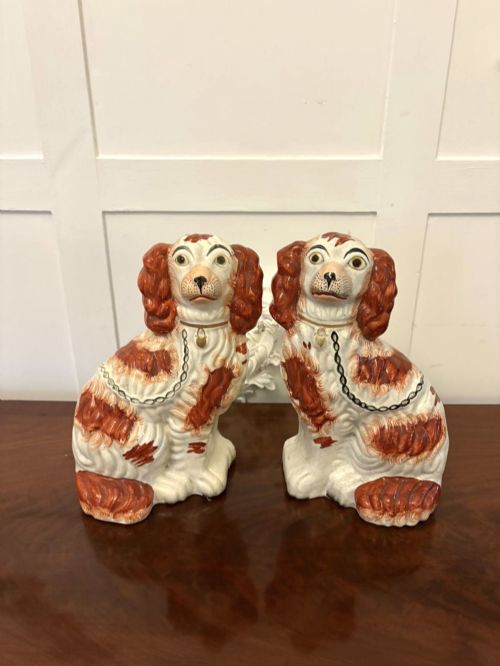
Listings feature items spanning the nineteenth century through the early twentieth century, utilising copper, brass, wrought iron, and earthenware.
What varies in quality
Quality rests upon the weight of the metal gauge and the integrity of the construction. Heavier copper sheets and robust dovetail or riveted joints distinguish sturdier utilitarian vessels from lighter decorative pieces.
Artisanal detail defines the upper tier of objects, particularly in Arts and Crafts and Art Nouveau items where hand beating, floral patera, and integrated brass accents show deliberate design. The combination of mixed metals, such as well-fitted brass handles on a heavy copper body, marks superior domestic manufacture.
The Victorian Copper Fireplace Glossary
- Coal scuttle
- A container designed to hold coal for a domestic fire, often featuring a sloping body and a swing handle for easy pouring.
- Fire fender
- A low metal guard placed on the floor around the hearth to contain embers and protect the room.
- Patera
- A circular ornamental bas-relief disc, often carved or cast with floral motifs, found applied to metalwork.
- Verdigris
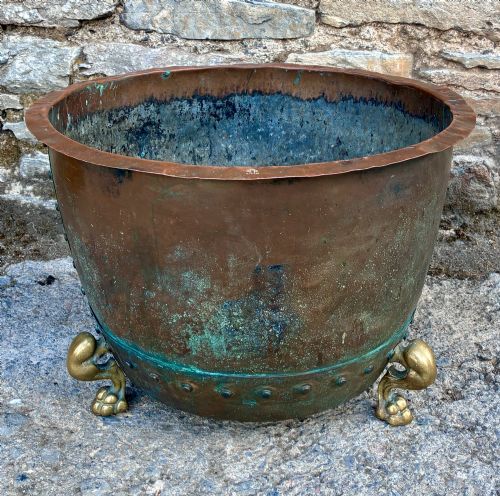
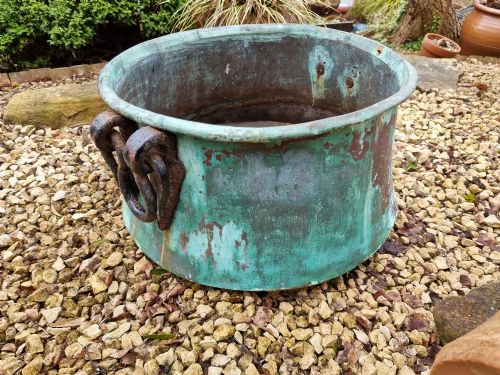
- The green patina that forms naturally on copper and brass through atmospheric oxidation over long periods.
- Arts and Crafts
- A design movement valuing traditional craftsmanship, visible construction, and simple forms over mass production.
Victorian Copper Fireplace: Frequently Asked Questions
How were coal buckets used?
Coal buckets sat beside the hearth to store solid fuel ready for the fire. Servants filled them from larger outdoor coal bunkers for daily indoor use.
The wide openings and sturdy swing handles allowed the coal to be tipped easily into the grate without spilling debris onto the floor.
What is a fire fender?
A fire fender sits on the hearth rug to mark the boundary of the fireplace. It prevents hot embers from rolling out onto wooden floorboards.
Many examples incorporate metal mesh or decorative pierced brass and copper panels that reflect the glow of the fire.
How do I clean antique copper?
Antique copper is generally best left with its natural historic patina, which develops over generations of use and exposure. Excessive polishing removes the character and thin surface layers of the metal.
If cleaning is necessary, a gentle wipe with a soft cloth removes dust without disturbing the underlying oxidation.
Are these items purely decorative?
While many pieces now serve decorative roles in modern rooms, they were originally manufactured for heavy domestic work. Items like coal scuttles, log bins, and kettles were built from thick sheet metal to handle heavy fuel.
They continue to function practically for storing logs or kindling beside a working hearth.